RV Lifestyle & Travel

Adventure, Campgrounds, Camping, Parks, RV Lifestyle & Travel

Places to Visit Near Joshua Tree

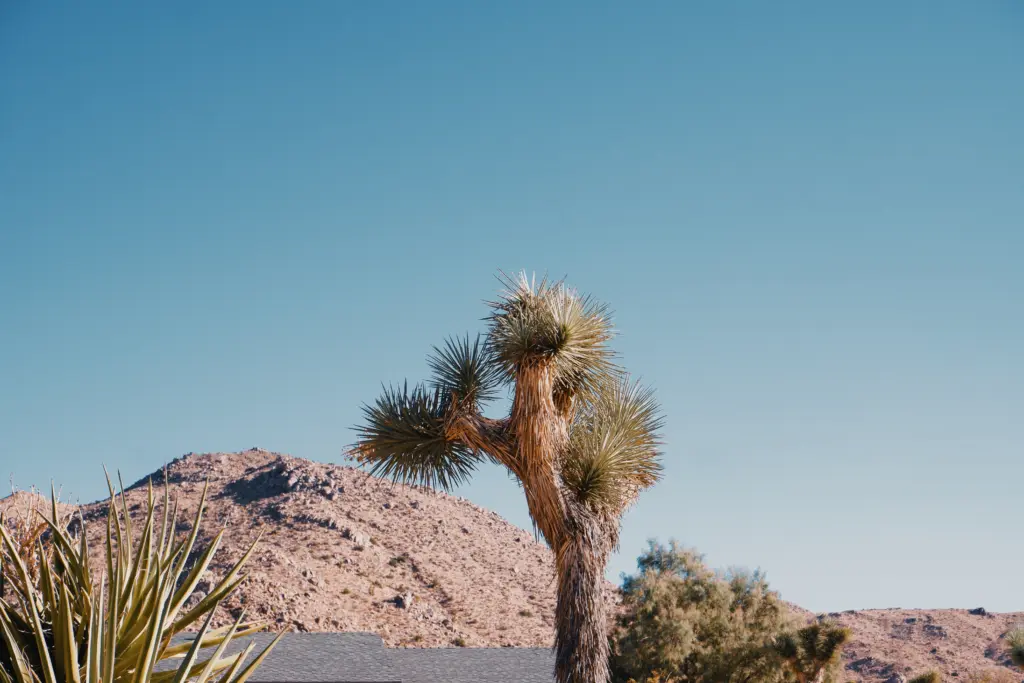
Places to Visit Near Joshua Tree Table of Contents Nestled in the heart of California’s desert, Joshua Tree is a mesmerizing confluence of two distinct desert ecosystems: the Mojave and the Colorado. Its otherworldly landscapes, punctuated by the iconic, twisted Joshua Trees and vast, starlit skies, have beckoned travelers for years. But what many don’t realize is that the wonders of this desert region extend well beyond the boundaries of the national park itself. But Joshua Tree isn’t just about the untamed wilderness. From historical sites that echo tales of the Old West to serene spots perfect for family picnics, the areas near Joshua Tree are a haven for people looking to blend adventure with convenience. Imagine parking amidst the backdrop of the giant boulders and stark landscapes, or setting up camp just in time to catch the golden hour. In the surroundings of Joshua Tree, there’s a trove of RV-friendly attractions that are just waiting to be explored. So, as you get ready for your next adventure, let Joshua Tree and its neighboring wonders guide the way. Dive deep into a journey that promises not just sights, but experiences; not just stops, but stories. Welcome to your RV adventure guide for Joshua Tree and its enchanting surroundings. Unmissable Spots Near Joshua Tree The beauty of Joshua Tree National Park is undeniable, with its iconic trees and mesmerizing landscapes.However, the surrounding area also boasts a treasure trove of unique attractions that beckon the curious traveler. From diving into history to seeking out the enigmatic, the spots near Joshua Tree are as diverse as they are captivating. Pioneertown: Once the backdrop for numerous Old West films of the 1940s and 1950s, Pioneertown now stands as a living testament to the wild west era. Strolling down Mane Street, you’ll be transported back in time, passing original set buildings that now house lively bars, quirky boutiques, and artisanal shops. Don’t miss the famous Pappy & Harriet’s Pioneertown Palace, where live music sets the tone for an unforgettable desert evening. With its authentic wooden facades and dusty roads, Pioneertown offers a slice of cinematic history wrapped in real-world charm. Salton Sea: A vast expanse of shimmering blue amidst the desert, the Salton Sea is California’s largest lake, and its story is as intriguing as its views. Originally formed by an engineering mishap in the early 20th century, the lake’s shores are dotted with relics of once-thriving resort towns. Venture further and you’ll encounter Salvation Mountain, a vibrant art installation preaching love and peace, and Slab City, often termed as the “last free place in America.” The Salton Sea region is a tapestry of natural beauty, history, and eccentricity. Integratron: Nestled in the desert near Joshua Tree, the Integratron is a structure like no other. Built on the premise of rejuvenation, time travel, and extraterrestrial guidance, this wooden dome is renowned for its perfect acoustics. Visitors flock here for the famous “sound baths,” where resonating quartz bowls create a sonic experience believed to relax and heal. Whether you’re seeking a spiritual awakening or simply curious about its architecture and history, the Integratron promises a uniquely harmonious desert experience. Coachella Valley: Not just the namesake of the famed music festival, Coachella Valley is a haven for those who thrive in the outdoors. Golf enthusiasts will find themselves spoilt for choice with the valley’s world-class courses set against striking mountain backdrops. If golf isn’t your swing, the numerous hiking trails, ranging from leisurely walks to challenging treks, offer a chance to explore the region’s diverse ecosystems. The Coachella Valley Preserve, with its palm oases and serene ponds, is a must-visit, providing a refreshing contrast to the surrounding desert. Each of these spots, in its unique way, amplifies the magic of the Joshua Tree region. Beyond the iconic national park, lies a world brimming with stories, adventures, and experiences waiting to be discovered. Getting To Joshua Tree Stepping into a road trip dream with scenic routes that give way to expansive desert vistas and starry night skies, the journey is every bit as enchanting as the destination. Whether you’re a seasoned RV traveler or embarking on your first, here’s everything you need to know about hitting the road to this desert jewel. By Road: Navigating the vast Californian roads to reach Joshua Tree is a straightforward affair, especially if you’re accustomed to the state’s freeway system. Interstate 10 (I-10): This major interstate runs east-west and is the most commonly used route to get to Joshua Tree from both the Los Angeles area and from Arizona. To reach the park, exit at CA-62 (Twentynine Palms Highway) which leads directly to the town of Joshua Tree and the park’s main entrance. CA-247 (Old Woman Springs Road): For those coming from the northern areas like Victorville, CA-247 provides a scenic route that intersects with CA-62, leading you straight into Joshua Tree. RV Parks and Campgrounds: When it comes to laying your RV to rest for the night, there are plenty of convenient and picturesque options near Joshua Tree. Joshua Tree Lake RV & Campground: Located just a short drive from the national park, this campground offers full RV hook-ups and a serene lake setting. Twentynine Palms RV Resort: This is a great spot for families, with a pool, spa, and close proximity to the Joshua Tree National Park entrance. Hidden Valley Campground: Nestled within Joshua Tree National Park itself, this is a more rustic option, perfect for those looking to be at the heart of nature. Note that there are no RV hook-ups here, but the views are unparalleled. Tips for RV Drivers: Road Conditions: Most major roads leading to Joshua Tree are well-maintained. However, always check for any ongoing roadworks or closures before you head out. Potential Hazards: The desert can be unforgiving. Always ensure your RV is stocked with water, especially during the hotter months. Be mindful of wildlife crossings, particularly at dawn and dusk. Parking Spaces: While Joshua Tree National Park is a major attraction, parking spaces, especially for larger RVs, can be
Adventure, Destinations & Itineraries, Parks, RV Lifestyle & Travel

How long to hike around crater lake ; A round trip

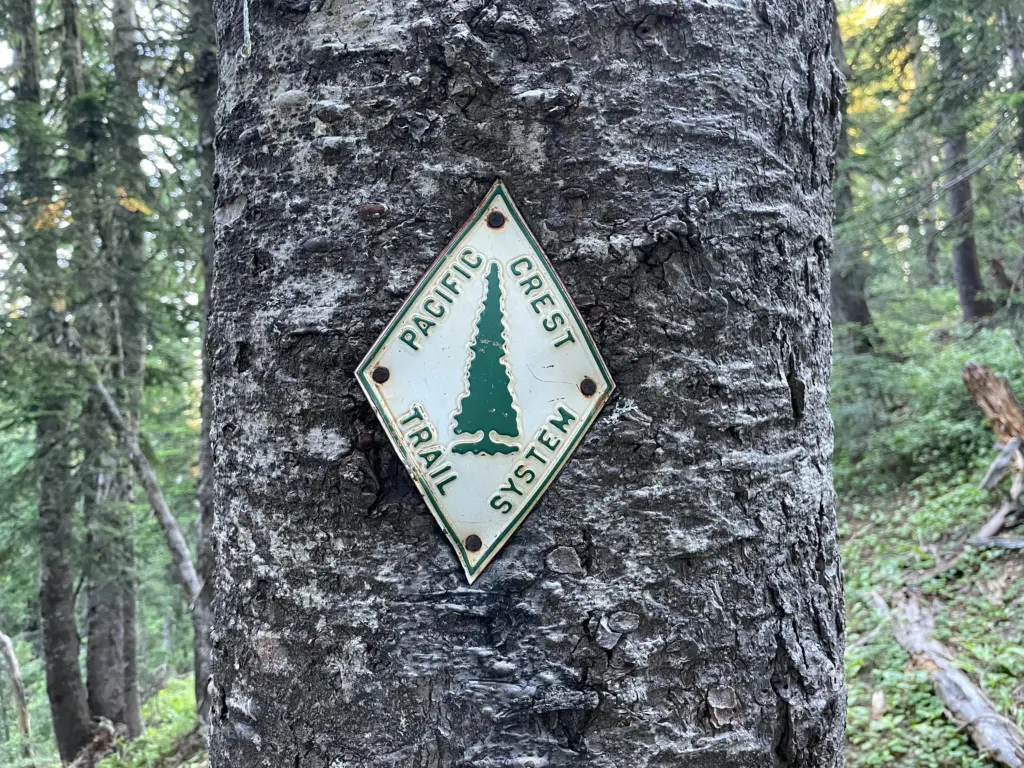
How long to hike around crater lake – round trip Table of Contents Discover the breathtaking wonder of Crater Lake nestled in Oregon’s Cascade Mountains. With its mesmerizing azure waters, renowned for their unrivaled clarity, this natural gem is anything but ordinary. Embark on an unforgettable hiking adventure along miles of a pristine trail surrounding this oasis, inviting explorers to immerse themselves in the surrounding beauty. With each trail varying in length and difficulty, adventurers can tailor their experience to their preferences, whether seeking a leisurely stroll or a challenging trek. Depending on your chosen trail and pace, expect to cover anywhere from 4 to 6 miles traversing the rugged terrain. Towering cliffs, soaring up to 2,000 feet, envelop you in a majestic amphitheater of nature’s grandeur. Explore Crater Lake and experience the awe-inspiring allure of this magnificent landscape. As you hike the lake, from the bird songs that provide the perfect soundtrack, to the whiff of timeless pines and those Insta-worthy rim views, you’ll see why this spot is a magnet for nature junkies worldwide. Ready for the round trip into the pacific crest? Stick with us, and we’ll be your compass to an unforgettable journey. How to Get to Crater Lake Directions to Crater Lake National Park: From Portland: Start on I-5 south and take exit 188 onto OR-58. Continue until you connect with US-97 South. Follow it until OR-138 West beckons, leading you straight to Crater Lake National Park. From Bend: Simple route: Take US-97 South. When you see OR-138 West, that’s your cue; it will guide you into the heart of the park. From Medford: Embark on OR-62 East. This route gracefully takes you to the park’s west entrance. Public Transportation: While there’s no direct bus to Crater Lake National Park, some shuttle services and guided tours operate from places like Medford and Klamath Falls, particularly in the high season. It’s wise to review options and reserve early. Before You Go: Fuel Ahead: The park doesn’t have gas stations. It’s prudent to fill up in towns like Chemult or Fort Klamath. Stay Connected: Mobile coverage can be patchy inside the park. Consider downloading offline maps or carrying a physical one. Entrance Status: The park has several entrances. Seasonal conditions, especially snow, might close some. Stay updated on current conditions. Tips for Hiking the Pacific Crest of Crater Lake Hiking Crater Lake: Timings, Tips, and Trail Etiquette Best Times of Day for Starting Hikes: Morning: Starting early in the morning, preferably just after sunrise, is ideal. This allows hikers to enjoy the cooler temperatures, fewer crowds, and the tranquil beauty of the lake in the soft morning light. Late Afternoon: Another option is to start in the late afternoon, which can be suitable for shorter trails. This time provides cooler temperatures similar to the morning and the chance to catch a breathtaking sunset over the lake. What to Pack: Gear Up: Consider a snug-fitting backpack, trusty hiking boots (prioritize a solid grip), a sun hat, protective sunglasses, and a lightweight rain shield (the mountain’s mood can sometimes be whimsical). Fuel for the Feet: Opt for energy bars, a mix of nuts and dried fruits, or perhaps some fresh fruit. After all, as you blaze the trail, replenishing your energy is paramount. Hydration is Key: The importance of water cannot be overstated. A ballpark figure would be 2 liters per adventurer, with a tad more for those lengthy trails. Wildlife Precautions: Crater Lake is a treasure trove of diverse fauna, ranging from chirping birds and playful squirrels to the more elusive black bears. A golden rule: let them be. Store food meticulously, refrain from offering snacks, and always maintain a respectful distance. If a bear does grace your path, having prior knowledge on how to react could be invaluable. Safety Guidelines: Know Your Trail: Each trail sings its own song of challenge. Familiarize yourself with its tune, ensuring it harmonizes with your own hiking prowess and stamina. Be Prepared: A fundamental first-aid kit should be a constant companion. Think bandages, sterilization essentials, blister care, and any personal medications. Tread True: Honor the trail by staying its course. This gesture safeguards the pristine environment and ensures you’re walking a path endorsed for safety. Stay in the Know: Prior to stepping out, take a moment to consult weather updates and trail statuses, either at welcoming centers or the park’s digital portal. The Best Time of Year to Hike Crater Lake Breakdown of Seasons: Pros and Cons Spring: Pros: Fresh blooms, melting snow giving way to crystal-clear waters, and the wildlife starts becoming more active. Cons: Some areas along the hiking trail might still be snow-covered or muddy from the melt, and there’s potential for unpredictable weather changes. Summer: Pros: Warm temperatures, a fully accessible trail, and extended daylight hours. Ideal for longer hikes and perfect for camping. Cons: It’s the busiest season, so expect more crowds, especially on popular hiking trails. Temperatures can get very warm in the afternoons. Fall: Pros: Fall foliage transforms the landscape into a riot of colors. Cooler temperatures can make hiking more comfortable. Cons: Weather becomes more unpredictable as winter approaches, and daylight hours start to decrease. Winter: Pros: A serene winter wonderland, with the lake often reflecting the snowy peaks. Fewer visitors mean a more peaceful experience. Cons: Many trails may be closed or hard to navigate due to snow. Cold temperatures require extra preparation and gear. Peak Hiking Times and What to Expect June to September: During the height of summer, Crater Lake experiences the highest influx of visitors, making it the busiest time of the year. While the weather is most reliable, popular trails can become crowded, especially on weekends. Campgrounds and lodgings tend to fill up quickly, so advance planning is crucial to secure accommodations. Off-Peak Hiking Times and Their Unique Offerings October to April: This is the off-peak period when the park is quieter. Fall graces Crater Lake with a colorful landscape, while winter blankets it in a snowy paradise. For those seeking solitude

Adventure, Destinations & Itineraries, RV Lifestyle & Travel

Nero Day: Pausing in your Journey

Nero Day: Pausing in your Journey Table of Contents In the whirlwind of traveling, where every day feels like a new adventure, there’s something special about keeping the pace up. For most travelers, the thrill of constantly moving and discovering is what it’s all about. But every once in a while, even the most enthusiastic need a breather. That’s where the idea of “Nero Day” comes in. It’s that day where you take things a bit slower, giving yourself time to really soak in your surroundings and get ready for what’s next on your journey. What is a Nero Day? When you’re out and about, traveling and exploring, you might come across the term ‘Nero Day’. It’s that day when you decide to take things easy, maybe cover just a bit of ground or do a few activities, but not go all out. The name hints at ‘near-zero’, which pretty much sums it up: it’s about finding that balance in your journey. On a regular travel day, you’re hitting the trails hard, seeing a bunch of cool stuff, and ticking things off your list. It’s great, but man, it can wear you out. That’s where a Nero Day fits in. It’s like taking a small break without hitting the pause button, giving you a chance to soak it all in and recharge a bit, but still feeling that buzz of being on the move. Nero Day vs. Full Rest Day: A Brief Distinction When you’re diving deep into travel lingo, you’ll bump into terms like ‘Nero Day’ and ‘Full Zero Day’. At a quick glance, they might seem like two sides of the same coin, but there’s a little more to it. ‘Full Zero Day’? Think of it as putting your adventure on hold. If you’re a hiker, you’re not counting any miles that day. If you’re traveling, you aren’t exploring any new spots. It’s basically hitting the ‘chill’ button, giving yourself a full day just to kick back and maybe ponder on the journey so far. Now, a Nero Day, it’s different. Imagine you’re just turning the dial down but still keeping the tunes playing. You’re slowing things down but not shutting off completely. So, while on a Full Zero Day you’re out of the game, on a Nero Day you’re still in, just at a relaxed pace. It’s the middle ground, for folks who still want a taste of the adventure but without the usual hustle. So, in a nutshell, while both days are about catching your breath, a Nero Day keeps you in the mix, and a Full Zero Day is taking a step to the side, refueling for the next leg. Why Pausing Matters: The Importance of taking a Nero Day When you’re out and about, exploring and adventuring, there’s something quite refreshing about occasionally pumping the brakes. Not stopping, mind you, but just easing off the gas. That’s the beauty of a Nero Day. Physical Recuperation: Let’s be real. Every step, every uphill trek, it all adds up. While the heart may want to go full steam ahead, the body sometimes whispers for a bit of a slowdown. Not an entire day in bed, but maybe a day where we’re not pushing the limits. That’s a Nero Day for you: a chance for the legs to catch up. Mental Refreshment: It’s not just the feet that do the traveling; it’s the mind too. Being on the move constantly can be a bit… much. A Nero Day? It’s like giving your brain a little spa day. A moment to sit back, process everything, and get ready for the next round of excitement. Equipment Maintenance: Now, anyone who’s been on the road knows gear is gold. Those boots, that backpack, they’re lifelines. A Nero Day is a golden opportunity to give them a once-over, do a bit of patching up, or just some general TLC. You know, ensuring they’re up for whatever’s next. Replenishing Resources: Lastly, even if you’re in the middle of nowhere, slowing down can be the perfect chance to stock up. Maybe there’s a local store around or a market. Refill the snacks, get some fresh water, and ensure you’re not running on empty for the next part of your trip. So, a Nero Day isn’t about stopping. It’s about smart pausing. It’s taking that breather, so the rest of the journey is even more spectacular. Making the Most of the Pause: Activities During Nero Day Slowing down on a Nero Day doesn’t mean you’re hitting the snooze button on adventure. Think of it as switching gears, getting into a groove that’s laid-back but just as enriching. Local Exploration: Look, sometimes we’re so busy chasing the big moments that we miss the little ones right under our noses. Nero Day? Perfect time to meander around and see what’s up close. Could be a cafe everyone’s raving about, a local craft spot, or even a not-so-famous park that’s just perfect for a lazy afternoon. Journey Documentation: Travel is a flurry of moments. Some make you stop and think; others just whiz by. Got a Nero Day in hand? Why not play catch-up? Scribble down thoughts, doodle what caught your eye, or just plot what you’re doing next. It’s your story, after all. Stay Connected: Let’s face it, in today’s world, sharing is caring. Got some killer photos? A Nero Day is a great time to share them. Maybe write a quick update, send an old-fashioned postcard, or just drop a message to someone you’ve been meaning to. A little “Hey, here’s what I’ve been up to” never hurts. Self-care Activities: Now, this isn’t just about kicking back. A Nero Day can also be about tuning in. Been carrying a book? Dive in. Feel like stretching? Go for it. Maybe just sit and breathe, getting in sync with the world around. So, a Nero Day isn’t just downtime. It’s your time – to discover, reflect, and get ready for whatever the road throws at you

Adventure, Camping, Destinations & Itineraries, RV Lifestyle & Travel

7-Day Road Trip From Seattle: Explore The Real Pacific Northwest

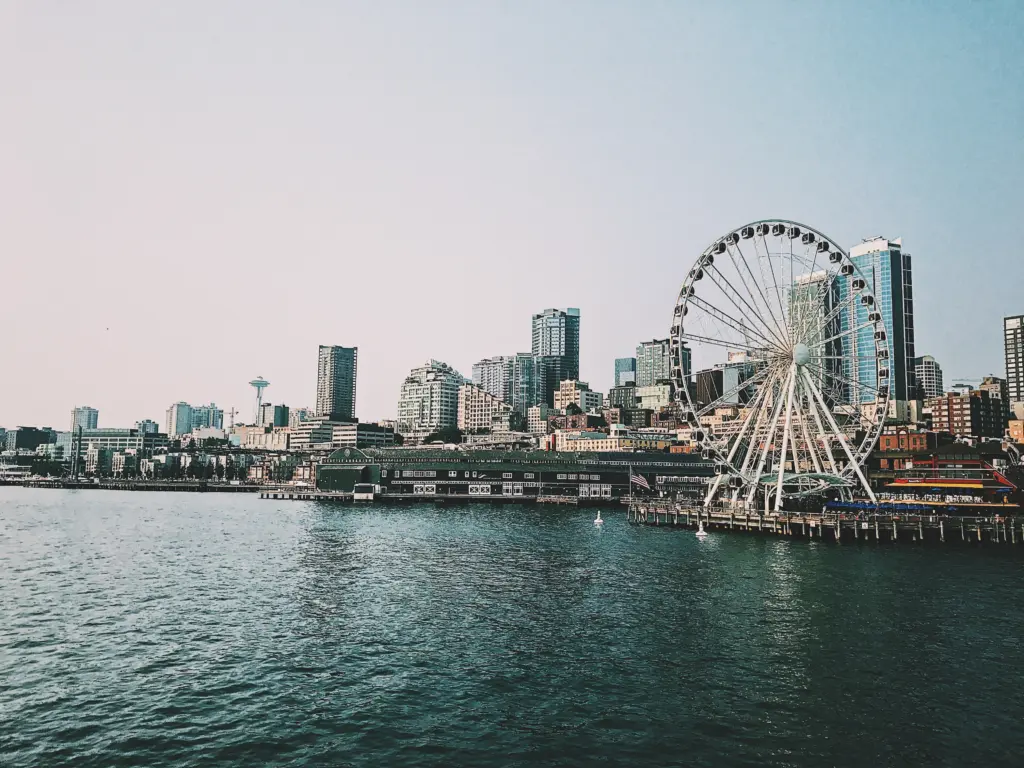
7-Day Road Trip From Seattle: Explore The Real Pacific Northwest Table of Contents The Charm of Seattle: Why Spend a Week? Seattle, lovingly known as the “Emerald City,” graces the Pacific Northwest with its stunning blend of urban skylines and verdant backdrops. As you set the wheels in motion for your road trip, here are some must-visit places within the city: Space Needle: This iconic structure offers panoramic views of the cityscape, with the Olympic and Cascade Mountains framing the horizon. It’s a symbol of Seattle’s futuristic vision, and standing atop, you can feel the pulse of the city below. Pike Place Market: A bustling hub of activity, this historic market lets you savor fresh produce, artisanal crafts, and a hint of Seattle’s vibrant culture. Don’t miss the flying fish or the original Starbucks store nestled within its confines. Chihuly Garden and Glass: A shimmering testament to the art of glassblowing, this museum showcases Dale Chihuly’s masterpieces. The vibrant installations, set amidst a lush garden, are a visual treat. On the Road: Discovering the Pacific Northwest’s Gems Once you venture beyond the city limits, the broader region opens its arms, offering breathtaking landscapes and picturesque towns. Mount Rainier National Park: Towering over the landscape, Mount Rainier beckons adventurers with its snow-capped peaks, wildflower meadows, and ancient forests. Whether you’re an avid hiker or just looking to capture some stunning photographs, this national park is a treasure trove. Olympic Peninsula: Encircled by waters, this peninsula is a mosaic of rainforests, rugged coastlines, and alpine meadows. The Hoh Rainforest, with its moss-laden trees, and the serene shores of Lake Crescent are just a few highlights. San Juan Islands: A cluster of pristine islands, accessible by a scenic ferry ride. Each island offers unique landscapes, from the charming town of Friday Harbor to the whale-watching opportunities off Orcas Island. Best Time to Embark on the Seattle Road Trip Weather Considerations: Seattle, with its temperate maritime climate, offers distinct experiences each season. The summer months, typically June through September, are generally sunny with mild temperatures, ideal for outdoor explorations and ferry rides. Winters, on the other hand, bring in cooler temperatures and occasional snow, painting the landscapes in ethereal white, especially around Mount Rainier. Festivals and Events: The Emerald City is always bustling with events. The Seattle International Film Festival in May and June brings movie enthusiasts from all corners. Bumbershoot, happening in September, celebrates art, music, and culture. While these events add vibrancy, they also attract more tourists, so plan accommodations in advance. Conversely, if you wish for a quieter trip, check Seattle’s event calendar and schedule your visit around the city’s major events. Navigating Peak Tourist Times: Summer is undeniably the most popular time for tourists, given the pleasant weather and array of events. To avoid crowds, start your day early, especially when visiting major attractions. Additionally, consider visiting some spots during weekdays rather than weekends. One Week Road Trip Itinerary From Seattle Day 1: Seattle’s Urban Pulse Embark from the heart of Seattle, where urban charm fuses with the city’s art and history. Dive into the vast collections at the Seattle Art Museum, which narrates tales from varied cultures and epochs. Amble along the bustling waterfront, where the sounds of the city merge with the whispers of the sea. As dusk starts to paint the sky, make your way to Kerry Park. Here, the city unfurls beneath you, with the sunset casting an ethereal glow over its skyline. Day 2: Olympic National Park’s Natural Mosaic Set your course for Olympic National Park, a mesmerizing patchwork of ecosystems. Traverse through its dense, moss-laden rainforests, feeling the hush of ancient trees. Let the rugged coastline beckon, where waves kiss rocky shores. And as day gives way to evening, Lake Crescent offers solace with its tranquil waters reflecting the twilight hues. Day 3: Port Townsend’s Coastal Elegance The maritime allure of Port Townsend awaits. Stroll through streets that breathe history, their Victorian architectures standing as silent storytellers. Dive into nautical tales at the maritime museum. And as hunger strikes, let the town’s eateries serve you the freshest of seafood, each bite echoing the flavors of the sea. Day 4: The Enigmatic San Juan Islands Board a ferry, and let it carry you to the San Juan Islands. Here, nature performs its ballet. Meander along scenic byways, with the promise of orcas leaping in the distance. And when the day’s exploration tires you, the islands’ beaches beckon, their sands and sounds promising unrivaled tranquillity. Day 5: Mount Rainier’s Majestic Silhouette The towering Mount Rainier beckons. It’s a day of trails that wind through alpine meadows, painted by nature with wildflowers. Listen to waterfalls, their cascades singing hymns of the mountains, and let the park’s vistas take your breath away. Day 6: Leavenworth’s Alpine Dreamscape In Leavenworth, Bavaria comes alive in the Pacific Northwest. With its Alpine-style architecture and German-themed diners, the town offers a delightful cultural detour. Whether it’s mountain adventures or simply soaking in the ambiance, Leavenworth promises enchantment. Day 7: Snoqualmie’s Symphony and Homeward Bound Conclude with the magnificent Snoqualmie Falls, where waters plunge dramatically, creating a spectacle for the senses. Let its roar be the culmination of your week’s symphony. With heart and camera full, drive back to Seattle. Every mile will be an invitation to reflect on the tapestry of experiences and the myriad of memories stitched into each day. Hitting the Road Smartly: Tips for a Seamless Seattle Road Trip Dodging the Traffic Jams: Seattle, like many bustling cities, grapples with its share of traffic snarls, especially during those peak rush hours in the morning and evening. It’s wise to strategize your driving schedule around these times. To keep ahead of the curve, whip out handy apps like Waze or Google Maps, which offer real-time traffic insights to help you navigate smoothly. Scouting for Bites and Basics: On your journey, don’t miss the vibrant farmers’ markets sprinkled around – they’re your ticket to fresh produce and some delightful local goodies. But if you’re racing against time,

Adventure, Destinations & Itineraries, RV, RV Lifestyle & Travel

Rent a Camper for the Weekend: Where & When

Rent a Camper for the Weekend: Where & When Table of Contents So you’ve finally decided to pull the trigger and rent a camper for the weekend, but how do you know which one to rent and where to rent it from? In this article you’ll get the answer to those two questions and more but first let’s get clear on what a camper actually is. Normally, when people talk about campers they’re talking about Travel Trailers. Though some people use camper to refer to all types of RVs:– Class A RVs aka Big Motorhomes (26 to 45 feet)– Class B RVs aka Big Truck With Built In Trailer (17 to 23 feet)– Class C RVs aka Big Truck With Built In Trailer (20 to 28 feet)– Trailers aka Towed Campers (15 to 45 feet) If you’re ready to go then you’ll want to go ahead and browse our fleet our luxury campers. Otherwise keep reading to learn more about renting a camper for the weekend. What is a Camper? At its core, a camper is a mobile living space designed to be towed or driven, allowing travelers to maintain the comforts of home while on the road. It’s a symbol of freedom, a testament to human ingenuity in the pursuit of exploration without boundaries. The concept of the camper isn’t entirely new. Historically, humans have always sought ways to travel without leaving behind the essentials. From the covered wagons of pioneers to the more rudimentary setups of early adventurers, there has been a constant evolution towards what we recognize today as the modern camper. Camper designs are diverse, catering to a wide range of traveler preferences: Inside a typical camper, you’d find a nice blend of functionality and comfort. Most come equipped with sleeping areas that can range from basic bunks to queen-sized beds. Cooking facilities, whether a simple stove or a full-fledged kitchen, ensure travelers aren’t solely dependent on roadside diners. Storage compartments, seating areas, and often a restroom, round out the essential anatomy of a camper, creating a cozy cocoon that’s ready for the road whenever you are. Why Choose a Camper for Your Adventure? The Unique Camper Experience : Traveling by camper isn’t just another way to get from point A to B—it’s a transformative experience. Imagine having your home’s comforts seamlessly integrated with the pulse of the open road. No rigid schedules, no packing and unpacking at every destination, just the open road and your sense of adventure guiding the way. The flexibility a camper provides is unparalleled. Ever found a sunset spot you wish you could wake up to? Or a serene lakeside begging for an extended stay? With a camper, spontaneous decisions become a cherished part of the journey. Forget about the hassles of hotel check-ins, or the disappointment of a missed reservation; the road is yours to command. Economical Benefits: While the allure of a camper often revolves around the experience, it also presents significant economic advantages. For extended trips, the costs of hotel stays can quickly add up. Campers offer a cost-effective solution, merging transport and accommodation expenses. Moreover, with a camper, meals become a part of the fun. With the ability to cook and store food, you’re not tethered to hundreds of miles away from where you want to go. Whip up a quick breakfast before sunrise or enjoy a late-night snack under the stars—it’s all up to you. Environmental Considerations: Sustainability is more than just a buzzword; it’s a responsibility. Choosing a camper can significantly reduce your carbon footprint, especially when you compare it to the environmental costs of flying to a destination and then staying in a hotel. Additionally, campers allow you to be in the heart of nature, providing a closeness that hotel rooms often can’t match. And the best part? You get to enjoy this proximity to the great outdoors without the fuss of pitching tents or worrying about unpredictable weather. It’s a balance of eco-friendliness and convenience, making campers a conscious choice for the modern traveler. Camper vs. Other Options: Making the Right Choice When planning an adventure, the choice of accommodation often becomes a pivotal decision. Let’s explore how the camper stacks up against other popular options. Hotel Stays: The allure of hotels lies in their undoubted comfort. Fluffy pillows, room service, and often luxurious amenities make them a favorite for many. However, there’s a trade-off. Hotels can create a disconnect from nature. They trap you within four walls, often far removed from the very landscapes you traveled to see. Tent Camping: On the opposite end of the spectrum is tent camping. It offers an intimacy with nature that’s hard to rival. The crackle of a campfire, the canvas rustle as the wind blows, and the immediate connection to your surroundings are unparalleled. Yet, this intimacy comes with its challenges. The constant cycle of pitching and teardown can become cumbersome, and the whims of weather can turn a serene night into a struggle against the elements. Cabins: Cabins Those cozy wooden structures nestled within nature, seem like an ideal retreat. They give you a solid roof over your head and basic amenities, all while keeping you close to the outdoors. However, they come with a significant limitation: location. Once you choose a cabin, you’re tied to that spot. Unlike a mobile camper, there’s no packing up and moving to a new vista each morning. Camper Stepping into the spotlight is the camper, striking a harmonious balance among all these options. It offers the comfort akin to a hotel but without the detachment from nature. It provides an immediate connection to the outdoors, much like tent camping, without the hassle of setup and takedown. And while cabins might have the charm, campers bring flexibility, letting you chase sunsets, mountain views, or coastal breezes at your own pace. In essence, a camper combines the best of all worlds, making it a compelling choice for many travelers. Platforms to Rent a Camper Choosing a camper is half the

Adventure, RV, RV Lifestyle & Travel, RV Ownership Tips

Turo for RVs: Most Recommended Places To Rent

Turo for RVs: Most Recommended Places To Rent Table of Contents After the meteoritic rise of AirBnB that changed the hospitality industry forever, a number of similar sites popped up across every industry you can imagine. If you’ve ever needed to rent a car but wanted something more personal than a standard fleet car from Enterprise then you’ve likely come across Turo – a site that allows people to rent cars own by real people and not a giant corporation. Once just a novel concept, Turo redefined personal vehicle rentals, allowing everyday individuals to transform their parked cars into potential adventures for travelers. Now, this innovative approach has extended its reach into the world of recreational vehicles. The phrase “Turo for RVs” has become synonymous with a fresh, user-friendly approach to renting these mobile homes-on-wheels. For those eager to dive straight into the RV experience and see it for themselves then you can click here to browse a fleet of luxury RVs. Exploring the Top Platforms for RV Rentals Outdoorsy: At the forefront of the RV-sharing revolution is Outdoorsy, an online platform that bridges RV owners with adventure seekers. Beyond mere rentals, Outdoorsy champions the spirit of travel, allowing users to select from a broad range of RVs that suit their style — be it a rustic camper van or a luxurious motorhome. What truly sets Outdoorsy apart is its dedicated community, fostering trust through a robust review system and offering round-the-clock support. Pros: Cons: Highlight: If you’re scouting for a specific RV or customized Sprinters then Outdoorsy is a good choice. NW Adventure Rentals: Meet NWAR, another heavyweight in the RV rental space. With a mission to connect families and their dogs with the outdoors, NW Adventure Rentals offers an expansive listing of RVs for the perfect PNW roadtrip. Their edge? A strong emphasis on customer service, guaranteeing both the renter and owner peace of mind. Pros: Cons: Highlight:NW Adventure Rentals stands out with its fleet of top-notch RVs and glowing customer testimonials. Camplify: Hailing from Australia and expanding its footprint globally, Camplify is trying to be the Airbnb for RVs. With a user-friendly interface and a vibrant community vibe, Camplify presents an intriguing alternative in the RV rental marketplace. Pros: Cons: Other Notable Platforms: Determining the Best RV Rental Platform In the thriving world of RV rentals, choosing the right platform can feel as daunting as selecting the perfect road trip destination. However, by comparing essential metrics and aligning them with your unique travel needs, the decision can become a tad simpler. Let’s embark on this journey of discovery. Comparison Metrics: Why Families Vacationing in an RV Should Rent From This Platform In a world awash with choices, every once in a while, a gem emerges that deserves the spotlight. NW Adventure Rentals is one such shining star in the RV rental universe. With its roots firmly planted in the foundation of memorable family vacations, this team has quickly established itself as a household name in the RV community. Unique Selling Propositions: Benefits for Families: Testimonials and Success Stories: Get Ready For Adventure! The Pacific Northwest beckons, with its towering evergreens, majestic mountain ranges, and serene coastlines. Every winding road and scenic byway tells a story, and there’s no better way to explore this narrative than from the vantage point of an RV. From the tranquility of Olympic National Park to the bustling metropolis of Seattle, the region offers a mosaic of experiences. As you contemplate your next adventure, consider the flexibility, comfort, and joy of traveling in an RV. Navigate the roads at your own pace, make impromptu stops, and immerse yourself in the ever-changing landscape of the Pacific Northwest. With the world right outside your window and the comforts of home in tow, there’s truly no better way to take a family trip. Embrace the road, the journey, and the countless memories awaiting you by renting an RV from NW Adventure Rentals. With their wide range of vehicles tailored to your family’s needs, every trip becomes a comfortable, enjoyable, and memorable adventure. Dive into the magic of our amazing parks, and let the road take you where your heart desires.

Adventure, Destinations & Itineraries, Parks, RV Lifestyle & Travel

National Parks Near Seattle and Portland

National Parks Near Seattle and Portland Seattle and Portland boast some of the finest National Parks globally, offering unparalleled beauty at every turn. Whether you opt for Olympic National Park’s lush Hoh Rainforest or the majestic peaks of Mount Rainier, you’re in for an awe-inspiring adventure. Within a short drive, you can transition from hiking through dense rainforests to carving down snow-covered slopes. The diversity and accessibility of these national parks make them a must-visit for nature enthusiasts and adventurers alike. In a world where solitude becomes increasingly precious, these parks represent the Pacific Northwest in its fullest splendor, offering an enthralling fusion of ecological diversity, seasonal transformations, and a myriad of recreational pursuits. So let’s take a look at the best parks around Portland and Seattle! Top Parks Near Seattle and Portland Mount Rainier National Park: Olympic National Park: North Cascades National Park: Crater Lake National Park: Which National Parks are Best for RVs? Olympic National Park: Mount Rainier National Park: Seasonal Spectacles: Best National Parks for Each Season Spring: Mount Rainier National Park: As winter’s grasp begins to wane, Mount Rainier starts its majestic transition. While its summit remains cloaked in snow, the lower elevations come alive. Meadows, once dormant, burst into a spectacle of colors as wildflowers such as lupines, paintbrushes, and asters begin their bloom. The songs of migratory birds fill the air, and trails previously blanketed in snow become accessible, revealing serene vistas of waterfalls and babbling brooks. Summer: Olympic National Park: Experience the magic of summer in Olympic National Park, where every corner reveals natural wonders waiting to be explored. Wander through the temperate rainforests, where ancient trees and lush ferns create a refreshing oasis. Along the rugged coastline, let the Pacific Ocean’s embrace enchant you as you stroll along driftwood-strewn beaches, uncovering tide pools teeming with marine life. Venture into the alpine regions, like Hurricane Ridge, for breathtaking panoramas of peaks and valleys, with trails suitable for hikers of all skill levels. Whether you’re a Portland local or visiting from afar, Olympic National Park promises an unforgettable summer escape in the heart of the Pacific Northwest. Crater Lake National Park: As the snow gives way to spring, Crater Lake National Park unveils its breathtaking azure waters in all their glory. With the Rim Drive open for exploration, visitors can embark on a scenic journey around this ancient caldera, pausing at numerous viewpoints to admire the lake’s remarkable clarity and depth. Boat tours to Wizard Island offer adventurers an immersive encounter with the lake’s enigmatic beauty. For those in Portland and beyond, Crater Lake National Park beckons as a must-visit destination to witness nature’s awe-inspiring spectacle. Autumn: North Cascades National Park: The ‘American Alps’ undergo a transformation in the fall. Deciduous trees ignite in shades of orange, red, and gold, painting a stark contrast to the evergreens. However, it’s the alpine larches that steal the show. These coniferous trees shed their needles, but not before turning a brilliant gold, creating ethereal landscapes especially around areas like Maple Pass Loop. Winter: Mount Rainier National Park: With winter’s arrival, Mount Rainier dons a cloak of white. The Paradise area, in particular, becomes a hub for snow-based activities. Visitors can strap on snowshoes and venture onto trails, exploring snow-covered forests and meadows. The park’s undulating terrains also become a playground for cross-country skiing enthusiasts. The crisp winter air, the crunch of snow underfoot, and the serenity of the snow-blanketed landscapes offer a unique experience. Beyond the Trails: Activities for Families at Bonny Lakes Picnicking Paradises The shores of Bonny Lakes are dotted with numerous picnic spots, each offering a unique perspective of the tranquil waters and verdant surroundings. Whispering Pines Clearing is an excellent choice with its shaded spots and the soft hum of pine trees in the breeze. Families preferring an open area can opt for Sunny Meadows, a grassy expanse overlooking the lake, ideal for games or lounging in the sun after a delightful meal. Water Activities Interactive Learning The Bonny Lakes Interpretive Center is a haven for curious minds. With a range of exhibits showcasing the region’s ecology, geology, and history, it provides a comprehensive understanding of the lakes and their significance. Regular nature talks and interactive sessions, especially curated for children, ensure learning is fun and engaging. Keep an eye out for their schedule, as some talks are led by local Indigenous people, offering profound insights into the area’s cultural heritage. Evening by the Lakeside As dusk sets, Bonny Lakes transforms into a realm of golden hues and serene silhouettes. Families often gather around designated campfire zones when it gets dark out. If camping is on the agenda, Starry Night Campground provides RV-friendly spots with a clear view of the night sky. Remember to always check for campfire restrictions, especially during dry seasons, and ensure all fires are completely extinguished before retiring for the night. Take an RV to the National Parks! The diversity in park location and park information, number of trails trails, and variety of activities at these parks promise families in RVs an experience that seamlessly weaves together adventure, relaxation, and profound connection with the great outdoors. Whether it’s the gentle lull of waves, the thrilling sightings of wildlife, or the night skies painted with stars, every moment spent in these parks creates unforgettable memories. Don’t wait any longer to embark on your own RV journey! Rent an RV from NW Adventure Rentals With our wide range of vehicles tailored to your family’s needs, every trip becomes a comfortable, enjoyable, and memorable adventure. Dive into the magic of our amazing parks, and let the road take you where your heart desires.

A smiling teen sitting by an RV campfire holding a marshmallow stick or hot cocoa.
Uncategorized, RV Lifestyle & Travel, RV Ownership Tips

RVing with Teens and Tweens | Family Adventure Tips

RV Camping with Tweens and Teenagers It is easy to sell the excitement of a vacation trip to younger children; they are up for anything even if its just going to the park for a couple of hours. But once your kids get older it can be a bit more difficult to get them excited and have them participate in family activities. Tweens and teens are just discovering their individuality and how they fit in to their surroundings. As a parent of a tween or teen, planning a family vacation can become less enjoyable than it was in years past. You want to do things that everyone will enjoy and take part in. If your older child isn’t the biggest outdoor enthusiast it might take some creative planning to get them to warm up to an RV vacation. Here are some things you can do to make RVing more enticing and adventurous for your tweens and teens Let them help pick activities Let them know some activities that are available at your destination and have them tell you what their favorites are. Or have them tell you what they would look forward to most and give a top three activities in order of most to least favorite. The last one works well if you have multiple teens and need to narrow down the activities you have time to fit in. It is a special thing for a tween/teen to know that their parents believe in and trust them. It is also fun for them to be able to try new things that are more grown up. Let them cook a meal over the fire: There are so many great meals you can cook over the fire and there is just something adventurous about working with a camp fire. Teach them to cut firewood: A good skill to have and one that takes some responsibility. You, of course, don’t want to go around and pick up random wood around the camp site to use for your fire. Instead let your teen know what wood is ok for using to build a campfire ( wood you have purchased or packed in) then go over the safety rules of using the cutting tools. Keep them under close supervision for the first few times. Make sure all tools are safely stowed when not in use. Let them build the fire: another great life skill for camping and survival. Some adults do not even possess this skill, making it all the more adventurous and exciting to learn. Always be up for adventure Bring a spike ball set, a football, soccer ball, frisbee, etc. and go out and have some fun. Take a walk on the beach and bring a ball along. Play a game of ultimate frisbee or a spontaneous round of soccer. Add a fun twist to the rules to make it even more interesting. Don’t opt for sitting around between bigger activities. Make big activities exciting and adventurous; hike to a lake and find a fun spot to jump into the water, rent an ATV, go mountain biking, take a mini rock climbing class, etc. Decide on whether you will have a technology free policy. One of the biggest cliches about tween and teen culture is that they are glued to their smart phones constantly. While you are on your vacation, you are going to want to get them off their phone to go out and have some fun. So the question becomes, are you going to let them have their phone and encourage them to put it down once in a while, or go all out and challenge everyone to let go of their connectivity (except for emergency use)? If you do go the completely disconnected route, sell it as an adventure. Make it a challenge; the person who can go the longest without touching their phone or complaining they don’t have their phone wins an award. Give an awesome prize to be rewarded after returning home. Looking to rent an RV for your next getaway? We have two great fleets of RVs ready to take you on your next adventure. Check out our luxury motorhomes and travel trailers available to rent in Seattle. Feel free to contact us with questions and our friendly, knowledgeable team will be here to help you in any way possible!

Uncategorized, RV Lifestyle & Travel

How Camping is Good for Your Health

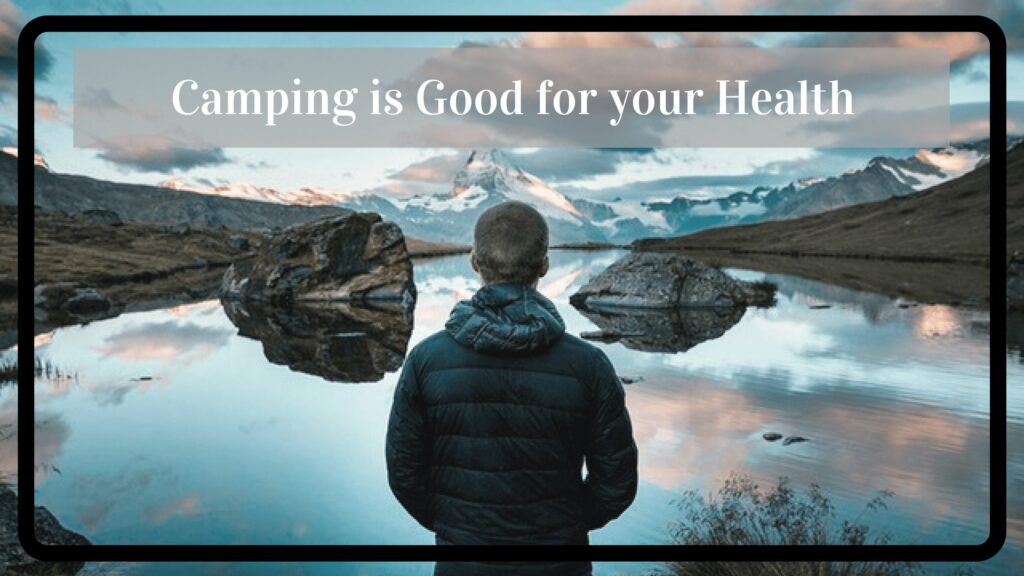
Camping is way more than just an adventure or a time to get away for a vacation; it can also do wonders for your health! Want a way to stay on top of that New Year’s health resolution? Get out there and go camping! Camping Gets You Out in the Fresh Air We can all agree that the air is cleaner and fresher in the great outdoors (the woods/mountains/country/lakeside). The benefits of fresh air don’t stop with a better smell. The larger amount of trees and plants produce a higher level of oxygen, and with this higher level of oxygen, your brain functions better and releases more serotonin! Serotonin makes you feel happy and lowers stress levels. Fresh air can also help to lower blood pressure, aid digestion, and boost the immune system. Camping Provides Social Interaction Socializing with friends, family, or anyone for that matter can delay memory problems and extend your life, according to The American Journal of Public Health. So go take that outdoor trip with your family and/or some close friends, and enjoy some life-giving conversations! There Are Countless Ways to Exercise While Camping While camping, many people take part in a number of outdoor activities that are great means of exercise. Some of the most popular camping activities include swimming, hiking, walking around the campgrounds, setting up camp, building a fire, swimming, etc. Camping Can Increase Vitamin D Intake Being outside gives you more exposure to the sun, and more time in the sun allows for more absorption of vitamin D. Vitamin D is an essential nutrient to the body that allows you to absorb calcium and phosphorus that strengthen bones and teeth. Sit By the Campfire for a Better Night’s Sleep The yellow light of the campfire helps to increase melatonin production. Melatonin is the chemical your body produces to help regulate sleep. A deeper and longer period of rest can reduce inflammation and even improve your sleep cycles when you return home! De-Stress While Camping Getting outside and away from the bustling daily activities at home can lower stress levels significantly. Constant deadlines, expectations, obligations, and stimulation can have us on high alerts and increase stress. Escaping these things for even just a short while and taking time to slow down, breathe, and enjoy your surroundings can bring you back to life. Lower Your Depression and Anxiety While Camping Research shows that green spaces can decrease depression by up to 71%. Nature has an amazing calming and soothing aspect. Rise to New Challenges While Camping Camping allows for new challenges to overcome and activities to conquer. These things are stimulating and bring a rush. Stimulating experiences that provide new challenges and conquests affect brain health positively! Looking for fun and interesting ways to want to keep healthy? Just go camping! For more tips on RV camping or information on RV rental please feel free to browse our website or contact us anytime. NW Adventure Rentals has a luxurious fleet of motorhomes and travel trailers, conveniently located in the Pacific Northwest at our Seattle location! Let us help you have a great outdoor vacation!

Adventure, Campgrounds, Camping, Parks, RV, RV Lifestyle & Travel

Bonny Lakes: Campground, Trails, and More!

Bonny Lakes: Campground, Trails, and More! Bonny Lakes holds a special place in the hearts of many locals who grew up with summer visits at the lake. With its clear waters that perfectly mirror the surrounding greenery and expansive skies, it’s no wonder these lakes have been a favorite retreat for decades. Located right in the heart of some of the country’s most untouched landscapes, the Bonnie Lake makes for a perfect break from the loud city. I’ve had the pleasure of watching countless sunrises over these lakes, each one more mesmerizing than the last and trust me, there’s nothing quite like the peace you find here. Escaping Seattle To Bonny Lakes Driving over from Seattle, the ride to Bonny Lakes winds over 200 miles of Washington State beauty. Depending on the route you choose and driving conditions, this drive typically takes about 3.5 to 4 hours, making it a great choice for a weekend getaway. Must-See Stops Along the Way RV-Friendly Parking Upon arriving at Bonny Lakes, visitors will find a dedicated RV parking area located near the main entrance. Spacious and well-marked, it caters to vehicles of various sizes. However, during peak season, it’s advisable to arrive early or consider booking a spot in advance if the facility allows. The proximity to the lakes and trails ensures convenience, making it an ideal base for your lakeside getaway. Why Do People Travel To Bonny Lakes? Natural Beauty The view is amazing when the lake reflects the surrounding mountain ranges, creating an ever-changing panorama of colors and shadows. Every season paints Bonny Lakes in a unique hue – from the vibrant wildflower blooms of spring to the gilded foliage of autumn. Cascading waterfalls hidden amidst the forests make for good background noise. And for families, the gentle shores provide ample opportunities for lakeside picnics, tanning, and building sand castles. A Haven for Wildlife Enthusiasts This area teems with life. Deer can often be seen grazing near the water’s edge in the early hours, while the distinct calls of native birds fill the air. The dense woods around the lakes are home to more seldom seen animals too – from the stealthy fox to the occasional playful otter near the banks. For those with a keen eye, the fluttering of butterflies and the busy world of insects provide endless fascination. Stargazing Opportunities When night descends upon Bonny Lakes, a different kind of beauty unveils itself. Far from the city’s light pollution, the skies above the lakes are a canvas of twinkling stars, radiant planets, and the ethereal glow of the Milky Way. On clear nights, stargazers can revel in celestial wonders and even the occasional meteor Families can gather around the campfire for a night of smores, stories, and good memories. rails Around Bonny Lakes: Exploration Awaits Family-friendly Trails For families wanting a gentle stroll, the Lakeside Loop offers a flat, well-maintained pathway that encircles the main water body. At just 2 miles in length, it provides plenty of spots to rest and enjoy the view. For those with younger children, the Meadow’s Delight Trail is a 1-mile loop that meanders through open fields, sprinkled with wildflowers and buzzing with butterflies – a delightful visual treat for the little ones during the summer. Adventurous Trails For the more seasoned hikers, Eagle’s Crest is a must-try. Climbing steadily over 4 miles, this trail rewards with unparalleled views of Bonny Lakes from a majestic vantage point. The occasional sight of eagles soaring overhead adds to its allure. Another challenging but rewarding trail is the Forest Whisper Path, a winding 5-mile trek through dense woodlands, with occasional clearings presenting glimpses of hidden waterfalls and the serene lake beyond. Bonny Lakes via Tenderfoot Wagon Road and Nooney Lakes Trail This trail offers hikers a sublime journey through the heart of Oregon’s backcountry. Winding through dense forests and open meadows, the trail provides panoramic vistas of the Wallowa Mountains, ensuring a frame from a movie at every turn. The tranquil waters of Bonny Lakes, combined with the diverse flora and fauna encountered en route, encapsulate the essence of the Eagle Cap Wilderness. Safety Tips: While the area offers a natural sanctuary for relaxation and exploration, there are things that you should keep in mind: Be Prepared Especially for the longer trails, ensure you have adequate water, sun protection, and a basic first-aid kit. If it’s summer, you’ll need more water than you think! Stay Alert The area is home to diverse wildlife. Most animals will keep their distance, but always be cautious and avoid feeding or approaching them. Know the Terrain Some trails, especially the more adventurous ones, may have steep sections or loose ground. You’ll want to wear appropriate footwear and consider using trekking poles for added stability. Stay Informed Before setting out, check for any trail advisories at the local ranger station or information center. Sometimes these places have information that Google doesn’t. Beyond the Trails: Activities for Families at Bonny Lakes Picnicking Paradises The shores of Bonny Lakes are dotted with numerous picnic spots, each offering a unique perspective of the tranquil waters and verdant surroundings. Whispering Pines Clearing is an excellent choice with its shaded spots and the soft hum of pine trees in the breeze. Families preferring an open area can opt for Sunny Meadows, a grassy expanse overlooking the lake, ideal for games or lounging in the sun after a delightful meal. Water Activities Interactive Learning The Bonny Lakes Interpretive Center is a haven for curious minds. With a range of exhibits showcasing the region’s ecology, geology, and history, it provides a comprehensive understanding of the lakes and their significance. Regular nature talks and interactive sessions, especially curated for children, ensure learning is fun and engaging. Keep an eye out for their schedule, as some talks are led by local Indigenous people, offering profound insights into the area’s cultural heritage. Evening by the Lakeside As dusk sets, Bonny Lakes transforms into a realm of golden hues and serene silhouettes. Families often gather