Parks

Adventure, Destinations & Itineraries, Parks, RV, Washington

Reflection Lake Mt Rainier Sunset

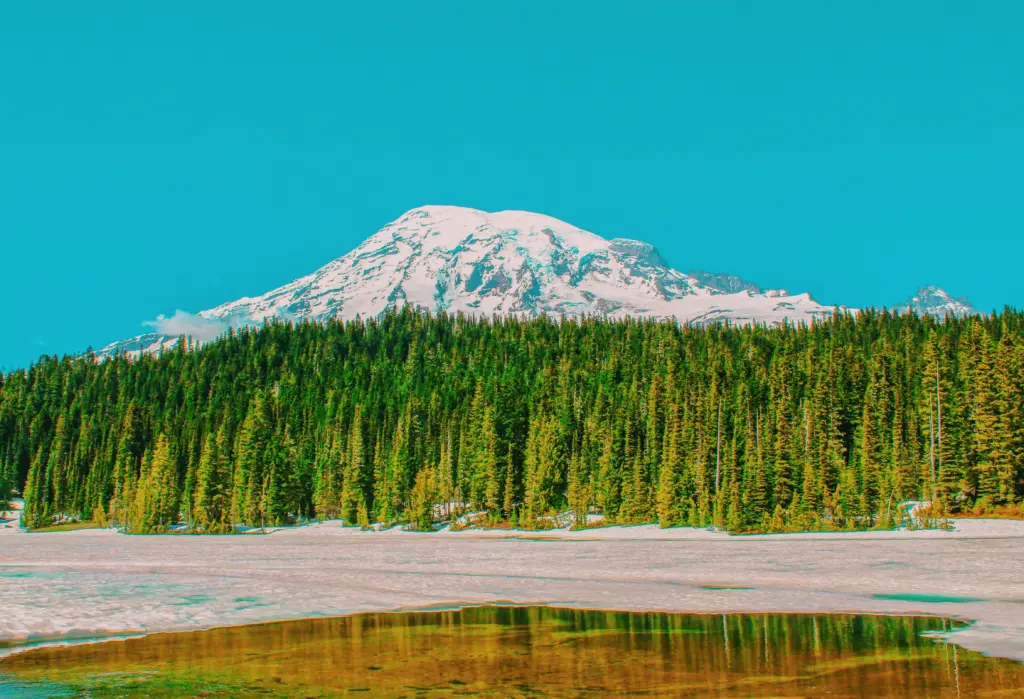
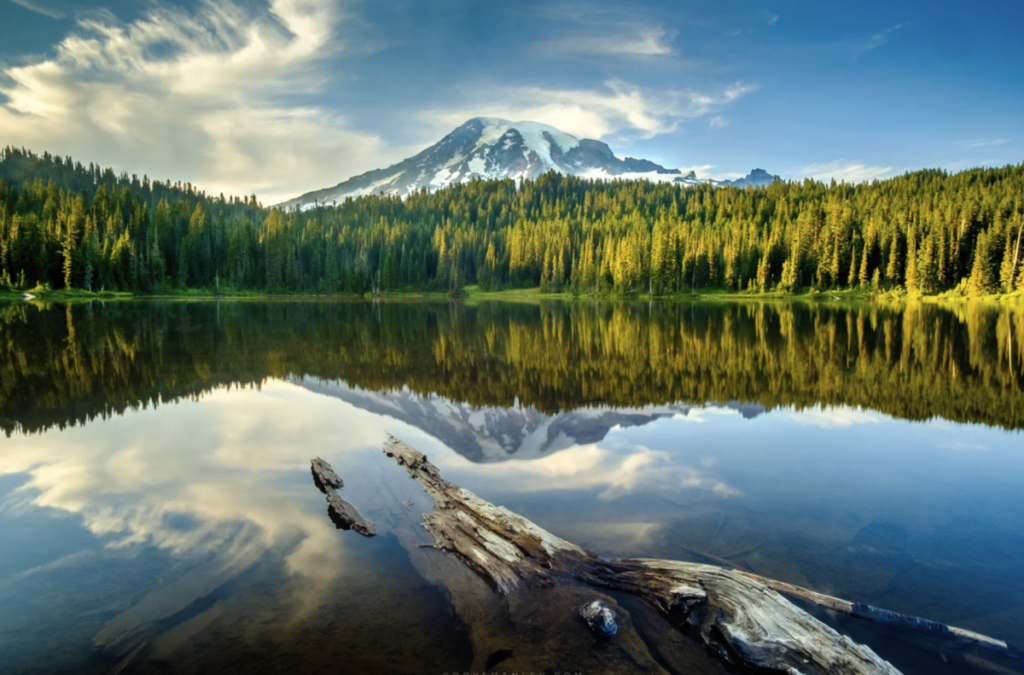
Reflection Lake Mt Rainier Sunset: Capturing the Sunset Reflection Lake is a noteworthy spot in Mt. Rainier National Park, especially for enjoying sunset views. A few spots to watch sunsets here include the southern part of Reflection Lake, Luise Lake Viewpoint, and the Pinnacle Peak Trail. The calm waters of the lake make it a prime location for capturing the beauty of the setting sun as it dips behind the towering peak. This article guides you to make the most of your RV adventure at Mt. Rainer’s Reflection Lake. You’ll learn: Locating Reflection Lake Located within the heart of Mt. Rainier National Park, Reflection Lake offers visitors a serene setting from which to admire the mountain. It is located just a couple of miles south of the park’s Paradise area, a fitting name for the nearby visitor hub known for its wildflower meadows. Upon leaving Paradise, you can follow the well-marked Steven’s Canyon Road, which curves through the park’s landscapes. The lake itself lies adjacent to the road, making access straightforward for those driving through the park. For those using GPS or park maps, the lake is unmissable as it is one of the few bodies of water highlighted along the road connecting the park’s west and east sides. Once there, parking is conveniently located nearby, ensuring that the lake’s beauty is but a short walk away. Journey to Reflection Lake You can get to Reflection Lake from Seattle. Here, the trip is a scenic drive that takes you through the lush landscape of Washington. Follow the following steps: For families, the route to the lake from the parking area is a gentle walk, allowing even the littlest of legs to manage the trek without difficulty. For photographers hauling equipment, the accessibility of Reflection Lake makes capturing its beauty a less cumbersome task. Wheelchair users and those with limited mobility will find designated accessible parking spots, and while the immediate areas around the lake are not officially listed as accessible, many find the paths manageable for wheelchairs with assistance due to the even terrain. Prime Sunset Spots Around Reflection Lake For those seeking the ultimate sunset shot or a serene moment, here are some strategic spots around the lake and tips to find your tranquil corner: Reflection Lake can get busy at times. Follow the following tips to help you get the perfect position for sunset views and shots. Timing Your Sunset Experience To catch the majestic spectacle of the sun setting over Reflection Lake, timing is everything. Here’s how to plan your visit throughout the year: Remember: The above times are approximate and can fluctuate slightly each year. Always check local sunset times before planning your trip to ensure you don’t miss out on this natural light show. Optimal Seasons for Iconic Shots Reflection Lake’s beauty shifts with the seasons, offering varied opportunities for capturing that iconic shot. Seasonal shifts can also help you capture lovely sunsets. For example: Spring Splendor Summer Brilliance Autumn Glow Winter Wonderland More Than a Photo Op While Reflection Lake is loved by photographers, it’s just as much a site for families seeking adventure or relaxation amidst nature’s embrace. Here are activities that can enrich your family’s experience in the vicinity: Hiking Trails Picnic Spots Nature Walks and Educational Activities Families can also enjoy the following nature walks and educational activities at Reflection Lake: RV Camping The park offers RV-friendly campgrounds such as Cougar Rock and Ohanapecosh. They offer easy access to the park’s attractions. These campgrounds are equipped with standard RV hook-ups and restrooms. Some have dump stations for convenience. Additional recreational activities for families include: Planning Your Visit Crafting a fulfilling journey for your family’s visit to Reflection Lake and the broader Mt. Rainier National Park is key to making the most out of this majestic setting. Whether you’re passing through for a day or setting up camp for a week, here are some tailored plans and crucial advice on navigating the park’s guidelines: Day Trip Delights Extended Stay Exploration Permits and Passes Park Regulations to Keep in Mind Additional Tips Choosing the Right RV for Your Adventure Selecting the right RV for your family adventure is essential for a comfortable and enjoyable trip. Here’s what to consider: NW Adventure Rentals ticks all the boxes of a reliable RV rental company in Seattle, Washington. Our fully-furnished RVs will transform your trip and stay at Reflection Lake into a memorable and homely experience. “They have treated me in the utmost professional way, and I would recommend NW Adventure Rentals to anyone. Keep up the great work John! Very Happy Customer!”—Doug B, Verified Customer Experience Sunsets at Reflection Lake With RVs Your adventure to Reflection Lake in Mt. Rainier National Park promises to be an unforgettable experience. Witnessing the awe-inspiring sunset over the mountain, with its reflection in the lake, is a moment you’ll cherish forever. A family RV travel will add even more comfort to these memories. An RV is a home on wheels that not only adds convenience to your outdoor travels but also enriches your experience. For a seamless and unforgettable experience, NW Adventure Rentals offers a wide variety of modern, well-maintained RVs to choose from, perfectly suited for your family’s needs. With our commitment to customer satisfaction and a deep love for the Pacific Northwest, we’ll help you make the most of your adventure. “I highly recommend NWAR, a small family-owned service focused on sharing their passion of RVing with others.”—The Hayes Family, Verified Customer Share This Article
Adventure, Destinations & Itineraries, Parks, RV Lifestyle & Travel

Buck Mountain Lookout Tower

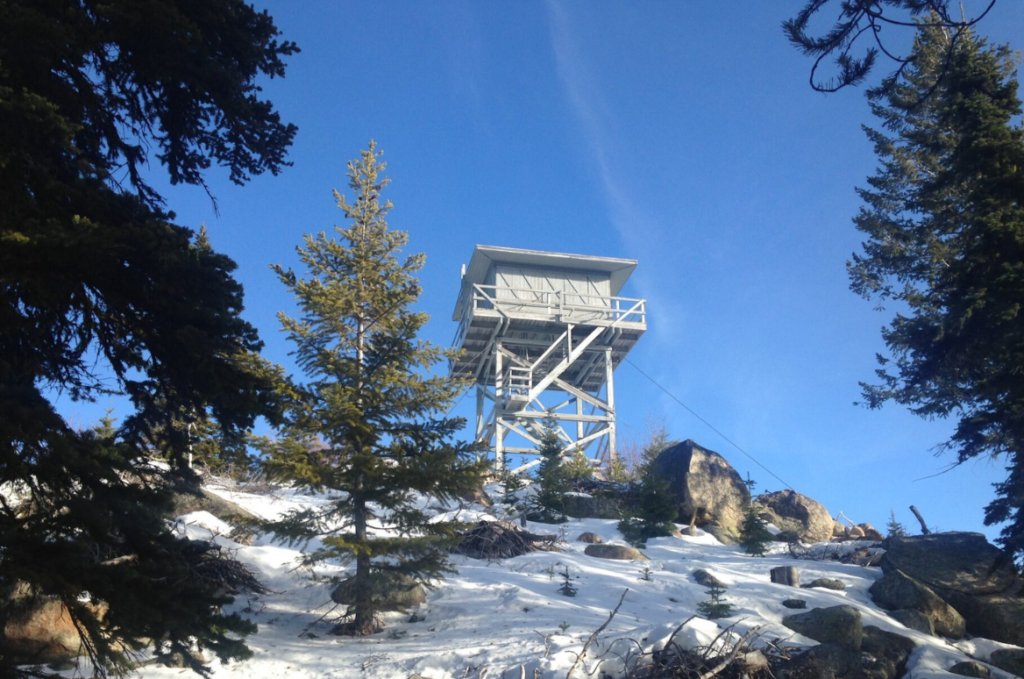
Buck Mountain Lookout Tower: A Journey Through History and Serenity Washington’s Buck Mountain Lookout Tower serves as a window to the past and a vantage point over the rich, lush landscapes of the region. Here, atop the tower, you find yourself surrounded by the calming whispers of nature and the vast expanse of forest stretching out in all directions. Buck Mountain Lookout Tower appeals to hikers, history enthusiasts, and those seeking a quiet escape. This article carefully examines the Buck Mountain Lookout Tower and highlights: The History of Buck Mountain Lookout Tower The Buck Mountain Lookout Tower stands as a silent witness to efforts of forest management and fire prevention in Washington. Constructed in the early 20th century, this tower was part of a broader initiative to monitor and protect vast forested areas from wildfires. In this era, the only way to spot a distant fire was from a high vantage point, towers like the one on Buck Mountain were crucial. These towers served as eyes in the sky that rangers and firefighters relied on to provide early warnings of smoke and fire. The Buck Mountain Lookout Tower’s strategic location was chosen to maximize visibility across the dense, rolling forests of the region. Over the years, the Buck Mountain Lookout Tower has been the site of numerous fire watches. Its presence has helped avert disasters, saving countless acres of forest and protecting the wildlife and communities within. The tower has also witnessed changes in forest management techniques and the advent of modern technology in fire detection. Yet, despite these advancements, it remains a symbol of the enduring human effort to coexist with nature’s powerful forces. Today, the Buck Mountain Lookout Tower offers visitors with: Getting There: Navigating to the Tower You’ll weave through some of Washington’s most lovely landscapes to get to the Buck Mountain Lookout Tower. The route is fairly straightforward, but it always helps to be well-prepared, especially for those visiting for the first time. Starting Point: From Seattle to the Trailhead Follow the following steps: The Final Stretch: Approaching Buck Mountain As you approach Buck Mountain, follow the local road signs to get to Buck Mountain Road. This accessible route will take you directly to the Buck Mountain trailhead parking area, where your hiking adventure begins. Hiking to the Tower From the parking area, a marked trail leads to the lookout tower. The hike is moderately challenging and appropriate for those with basic hiking experience. Transportation Tips Follow the following transportation tips: Why Buck Mountain Lookout Tower is a Must-Visit Buck Mountain Lookout Tower is a must-visit for anyone exploring Washington. Here is why: Best Times to Visit, Operating Hours, and Seasonal Variations Planning your visit to Buck Mountain Lookout Tower? Timing can make all the difference in enjoying what this remarkable spot has to offer. Here’s a guide to help you pick the perfect time for your visit, along with some handy info on the tower’s operating hours and seasonal variations. Best Seasons for Visiting All seasons are perfect for visiting the Buck Mountain Lookout Tower as follows: Operating Hours and Accessibility The tower is generally accessible from morning to evening. There are no specific opening and closing times, but it’s best to visit during daylight hours for safety and to fully enjoy the views. In winter, access to the tower may be restricted due to snow. Check the local forest service updates for any seasonal closures or access issues. Seasonal Variations Each season offers a unique experience. In spring and summer, you’re likely to encounter a lush, lively environment. Fall brings a spectacular change in foliage, while winter covers the landscape in a tranquil blanket of snow. Wildlife viewing also varies by season. Spring and summer are great for birdwatching, while deer and other mammals are more commonly seen during the fall. Visitor Information: Fees, Restrictions, and Guidelines A trip to Buck Mountain Lookout Tower is a delightful experience, and being well-informed about the fees, restrictions, and guidelines ensures a smooth visit. Here’s what you need to know: Entrance and Usage Fees Good news for visitors: there are no entrance or usage fees for accessing Buck Mountain Lookout Tower. The area is open to the public, offering an affordable adventure for everyone. Restrictions While Buck Mountain Lookout Tower is a welcoming destination, visitors should be mindful of the following: Safety and Leave No Trace Principles For your safety and to preserve Buck Mountain’s natural beauty, follow these guidelines: What to Bring and How to Prepare To make the most of your trip to the Buck Mountain Lookout Tower, it’s crucial to come well-prepared. Here’s a checklist of what to bring and some tips on how to prepare for your adventure: Essential Gear and Supplies Navigation Tools Bring the following tools for navigation: Safety and First Aid It’s good to be safe. Carry the following: Photography Equipment Bring a camera or smartphone to capture the stunning views. Remember to carry extra batteries or a power bank in case you run into low battery issues. Terrain, Weather, and Additional Tips Here are more tips to make your Buck Mountain Lookout Tower trip even more comfortable RVing Your Visit to the Buck Mountain Lookout Tower Look. Visiting Buck Mountain Lookout Tower brings a profound sense of connection to the land and its story. Renting an RV will help you and your loved ones enhance this experience. RV travel provides a comfortable and flexible way to explore. It also allows you to extend your stay in the beautiful surroundings of Buck Mountain. Imagine waking up to the peaceful forest sounds or enjoying a cozy evening after a day of exploring, all within the comfort of your mobile retreat. That’s the beauty of RVing at Buck Mountain. So, why wait? Plan your trip to Buck Mountain Lookout Tower today. And book your preferred RV with NW Adventure Rentals to enjoy your trip even more. We make renting easy, offer fully equipped and modern RVs, transparent pricing, and our customers recommend us. Check our RV collection or contact us if

Adventure, Campgrounds, Camping, Parks, RV Lifestyle & Travel

Places to Visit Near Joshua Tree

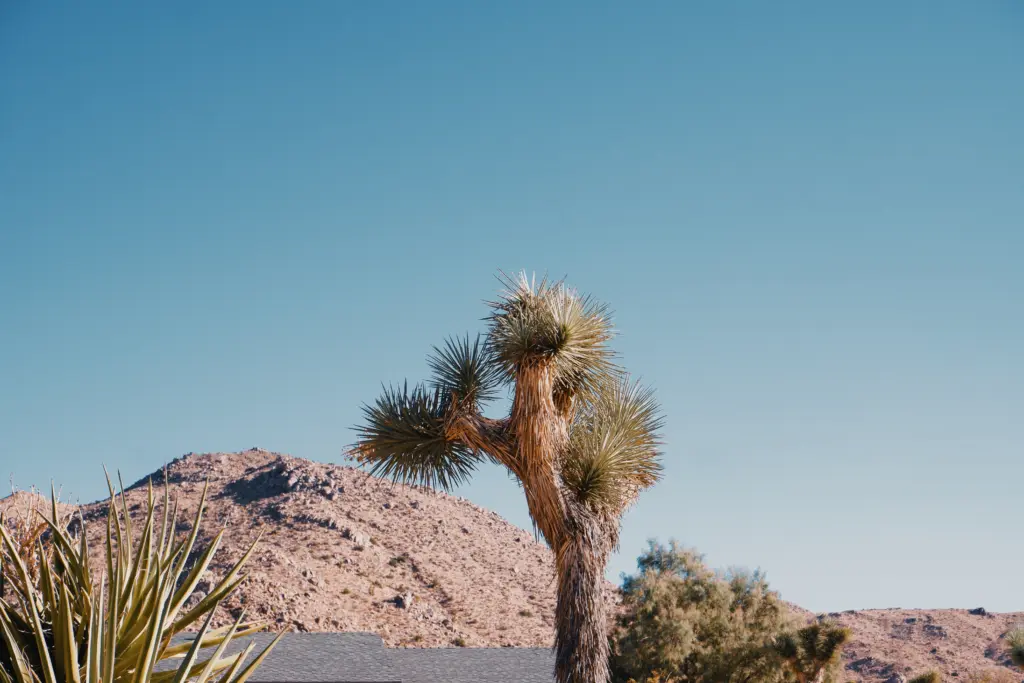
Places to Visit Near Joshua Tree Table of Contents Nestled in the heart of California’s desert, Joshua Tree is a mesmerizing confluence of two distinct desert ecosystems: the Mojave and the Colorado. Its otherworldly landscapes, punctuated by the iconic, twisted Joshua Trees and vast, starlit skies, have beckoned travelers for years. But what many don’t realize is that the wonders of this desert region extend well beyond the boundaries of the national park itself. But Joshua Tree isn’t just about the untamed wilderness. From historical sites that echo tales of the Old West to serene spots perfect for family picnics, the areas near Joshua Tree are a haven for people looking to blend adventure with convenience. Imagine parking amidst the backdrop of the giant boulders and stark landscapes, or setting up camp just in time to catch the golden hour. In the surroundings of Joshua Tree, there’s a trove of RV-friendly attractions that are just waiting to be explored. So, as you get ready for your next adventure, let Joshua Tree and its neighboring wonders guide the way. Dive deep into a journey that promises not just sights, but experiences; not just stops, but stories. Welcome to your RV adventure guide for Joshua Tree and its enchanting surroundings. Unmissable Spots Near Joshua Tree The beauty of Joshua Tree National Park is undeniable, with its iconic trees and mesmerizing landscapes.However, the surrounding area also boasts a treasure trove of unique attractions that beckon the curious traveler. From diving into history to seeking out the enigmatic, the spots near Joshua Tree are as diverse as they are captivating. Pioneertown: Once the backdrop for numerous Old West films of the 1940s and 1950s, Pioneertown now stands as a living testament to the wild west era. Strolling down Mane Street, you’ll be transported back in time, passing original set buildings that now house lively bars, quirky boutiques, and artisanal shops. Don’t miss the famous Pappy & Harriet’s Pioneertown Palace, where live music sets the tone for an unforgettable desert evening. With its authentic wooden facades and dusty roads, Pioneertown offers a slice of cinematic history wrapped in real-world charm. Salton Sea: A vast expanse of shimmering blue amidst the desert, the Salton Sea is California’s largest lake, and its story is as intriguing as its views. Originally formed by an engineering mishap in the early 20th century, the lake’s shores are dotted with relics of once-thriving resort towns. Venture further and you’ll encounter Salvation Mountain, a vibrant art installation preaching love and peace, and Slab City, often termed as the “last free place in America.” The Salton Sea region is a tapestry of natural beauty, history, and eccentricity. Integratron: Nestled in the desert near Joshua Tree, the Integratron is a structure like no other. Built on the premise of rejuvenation, time travel, and extraterrestrial guidance, this wooden dome is renowned for its perfect acoustics. Visitors flock here for the famous “sound baths,” where resonating quartz bowls create a sonic experience believed to relax and heal. Whether you’re seeking a spiritual awakening or simply curious about its architecture and history, the Integratron promises a uniquely harmonious desert experience. Coachella Valley: Not just the namesake of the famed music festival, Coachella Valley is a haven for those who thrive in the outdoors. Golf enthusiasts will find themselves spoilt for choice with the valley’s world-class courses set against striking mountain backdrops. If golf isn’t your swing, the numerous hiking trails, ranging from leisurely walks to challenging treks, offer a chance to explore the region’s diverse ecosystems. The Coachella Valley Preserve, with its palm oases and serene ponds, is a must-visit, providing a refreshing contrast to the surrounding desert. Each of these spots, in its unique way, amplifies the magic of the Joshua Tree region. Beyond the iconic national park, lies a world brimming with stories, adventures, and experiences waiting to be discovered. Getting To Joshua Tree Stepping into a road trip dream with scenic routes that give way to expansive desert vistas and starry night skies, the journey is every bit as enchanting as the destination. Whether you’re a seasoned RV traveler or embarking on your first, here’s everything you need to know about hitting the road to this desert jewel. By Road: Navigating the vast Californian roads to reach Joshua Tree is a straightforward affair, especially if you’re accustomed to the state’s freeway system. Interstate 10 (I-10): This major interstate runs east-west and is the most commonly used route to get to Joshua Tree from both the Los Angeles area and from Arizona. To reach the park, exit at CA-62 (Twentynine Palms Highway) which leads directly to the town of Joshua Tree and the park’s main entrance. CA-247 (Old Woman Springs Road): For those coming from the northern areas like Victorville, CA-247 provides a scenic route that intersects with CA-62, leading you straight into Joshua Tree. RV Parks and Campgrounds: When it comes to laying your RV to rest for the night, there are plenty of convenient and picturesque options near Joshua Tree. Joshua Tree Lake RV & Campground: Located just a short drive from the national park, this campground offers full RV hook-ups and a serene lake setting. Twentynine Palms RV Resort: This is a great spot for families, with a pool, spa, and close proximity to the Joshua Tree National Park entrance. Hidden Valley Campground: Nestled within Joshua Tree National Park itself, this is a more rustic option, perfect for those looking to be at the heart of nature. Note that there are no RV hook-ups here, but the views are unparalleled. Tips for RV Drivers: Road Conditions: Most major roads leading to Joshua Tree are well-maintained. However, always check for any ongoing roadworks or closures before you head out. Potential Hazards: The desert can be unforgiving. Always ensure your RV is stocked with water, especially during the hotter months. Be mindful of wildlife crossings, particularly at dawn and dusk. Parking Spaces: While Joshua Tree National Park is a major attraction, parking spaces, especially for larger RVs, can be

Adventure, Destinations & Itineraries, Parks, RV Lifestyle & Travel

How long to hike around crater lake ; A round trip

How long to hike around crater lake – round trip Table of Contents Discover the breathtaking wonder of Crater Lake nestled in Oregon’s Cascade Mountains. With its mesmerizing azure waters, renowned for their unrivaled clarity, this natural gem is anything but ordinary. Embark on an unforgettable hiking adventure along miles of a pristine trail surrounding this oasis, inviting explorers to immerse themselves in the surrounding beauty. With each trail varying in length and difficulty, adventurers can tailor their experience to their preferences, whether seeking a leisurely stroll or a challenging trek. Depending on your chosen trail and pace, expect to cover anywhere from 4 to 6 miles traversing the rugged terrain. Towering cliffs, soaring up to 2,000 feet, envelop you in a majestic amphitheater of nature’s grandeur. Explore Crater Lake and experience the awe-inspiring allure of this magnificent landscape. As you hike the lake, from the bird songs that provide the perfect soundtrack, to the whiff of timeless pines and those Insta-worthy rim views, you’ll see why this spot is a magnet for nature junkies worldwide. Ready for the round trip into the pacific crest? Stick with us, and we’ll be your compass to an unforgettable journey. How to Get to Crater Lake Directions to Crater Lake National Park: From Portland: Start on I-5 south and take exit 188 onto OR-58. Continue until you connect with US-97 South. Follow it until OR-138 West beckons, leading you straight to Crater Lake National Park. From Bend: Simple route: Take US-97 South. When you see OR-138 West, that’s your cue; it will guide you into the heart of the park. From Medford: Embark on OR-62 East. This route gracefully takes you to the park’s west entrance. Public Transportation: While there’s no direct bus to Crater Lake National Park, some shuttle services and guided tours operate from places like Medford and Klamath Falls, particularly in the high season. It’s wise to review options and reserve early. Before You Go: Fuel Ahead: The park doesn’t have gas stations. It’s prudent to fill up in towns like Chemult or Fort Klamath. Stay Connected: Mobile coverage can be patchy inside the park. Consider downloading offline maps or carrying a physical one. Entrance Status: The park has several entrances. Seasonal conditions, especially snow, might close some. Stay updated on current conditions. Tips for Hiking the Pacific Crest of Crater Lake Hiking Crater Lake: Timings, Tips, and Trail Etiquette Best Times of Day for Starting Hikes: Morning: Starting early in the morning, preferably just after sunrise, is ideal. This allows hikers to enjoy the cooler temperatures, fewer crowds, and the tranquil beauty of the lake in the soft morning light. Late Afternoon: Another option is to start in the late afternoon, which can be suitable for shorter trails. This time provides cooler temperatures similar to the morning and the chance to catch a breathtaking sunset over the lake. What to Pack: Gear Up: Consider a snug-fitting backpack, trusty hiking boots (prioritize a solid grip), a sun hat, protective sunglasses, and a lightweight rain shield (the mountain’s mood can sometimes be whimsical). Fuel for the Feet: Opt for energy bars, a mix of nuts and dried fruits, or perhaps some fresh fruit. After all, as you blaze the trail, replenishing your energy is paramount. Hydration is Key: The importance of water cannot be overstated. A ballpark figure would be 2 liters per adventurer, with a tad more for those lengthy trails. Wildlife Precautions: Crater Lake is a treasure trove of diverse fauna, ranging from chirping birds and playful squirrels to the more elusive black bears. A golden rule: let them be. Store food meticulously, refrain from offering snacks, and always maintain a respectful distance. If a bear does grace your path, having prior knowledge on how to react could be invaluable. Safety Guidelines: Know Your Trail: Each trail sings its own song of challenge. Familiarize yourself with its tune, ensuring it harmonizes with your own hiking prowess and stamina. Be Prepared: A fundamental first-aid kit should be a constant companion. Think bandages, sterilization essentials, blister care, and any personal medications. Tread True: Honor the trail by staying its course. This gesture safeguards the pristine environment and ensures you’re walking a path endorsed for safety. Stay in the Know: Prior to stepping out, take a moment to consult weather updates and trail statuses, either at welcoming centers or the park’s digital portal. The Best Time of Year to Hike Crater Lake Breakdown of Seasons: Pros and Cons Spring: Pros: Fresh blooms, melting snow giving way to crystal-clear waters, and the wildlife starts becoming more active. Cons: Some areas along the hiking trail might still be snow-covered or muddy from the melt, and there’s potential for unpredictable weather changes. Summer: Pros: Warm temperatures, a fully accessible trail, and extended daylight hours. Ideal for longer hikes and perfect for camping. Cons: It’s the busiest season, so expect more crowds, especially on popular hiking trails. Temperatures can get very warm in the afternoons. Fall: Pros: Fall foliage transforms the landscape into a riot of colors. Cooler temperatures can make hiking more comfortable. Cons: Weather becomes more unpredictable as winter approaches, and daylight hours start to decrease. Winter: Pros: A serene winter wonderland, with the lake often reflecting the snowy peaks. Fewer visitors mean a more peaceful experience. Cons: Many trails may be closed or hard to navigate due to snow. Cold temperatures require extra preparation and gear. Peak Hiking Times and What to Expect June to September: During the height of summer, Crater Lake experiences the highest influx of visitors, making it the busiest time of the year. While the weather is most reliable, popular trails can become crowded, especially on weekends. Campgrounds and lodgings tend to fill up quickly, so advance planning is crucial to secure accommodations. Off-Peak Hiking Times and Their Unique Offerings October to April: This is the off-peak period when the park is quieter. Fall graces Crater Lake with a colorful landscape, while winter blankets it in a snowy paradise. For those seeking solitude

Adventure, Destinations & Itineraries, Parks, RV Lifestyle & Travel

National Parks Near Seattle and Portland

National Parks Near Seattle and Portland Seattle and Portland boast some of the finest National Parks globally, offering unparalleled beauty at every turn. Whether you opt for Olympic National Park’s lush Hoh Rainforest or the majestic peaks of Mount Rainier, you’re in for an awe-inspiring adventure. Within a short drive, you can transition from hiking through dense rainforests to carving down snow-covered slopes. The diversity and accessibility of these national parks make them a must-visit for nature enthusiasts and adventurers alike. In a world where solitude becomes increasingly precious, these parks represent the Pacific Northwest in its fullest splendor, offering an enthralling fusion of ecological diversity, seasonal transformations, and a myriad of recreational pursuits. So let’s take a look at the best parks around Portland and Seattle! Top Parks Near Seattle and Portland Mount Rainier National Park: Olympic National Park: North Cascades National Park: Crater Lake National Park: Which National Parks are Best for RVs? Olympic National Park: Mount Rainier National Park: Seasonal Spectacles: Best National Parks for Each Season Spring: Mount Rainier National Park: As winter’s grasp begins to wane, Mount Rainier starts its majestic transition. While its summit remains cloaked in snow, the lower elevations come alive. Meadows, once dormant, burst into a spectacle of colors as wildflowers such as lupines, paintbrushes, and asters begin their bloom. The songs of migratory birds fill the air, and trails previously blanketed in snow become accessible, revealing serene vistas of waterfalls and babbling brooks. Summer: Olympic National Park: Experience the magic of summer in Olympic National Park, where every corner reveals natural wonders waiting to be explored. Wander through the temperate rainforests, where ancient trees and lush ferns create a refreshing oasis. Along the rugged coastline, let the Pacific Ocean’s embrace enchant you as you stroll along driftwood-strewn beaches, uncovering tide pools teeming with marine life. Venture into the alpine regions, like Hurricane Ridge, for breathtaking panoramas of peaks and valleys, with trails suitable for hikers of all skill levels. Whether you’re a Portland local or visiting from afar, Olympic National Park promises an unforgettable summer escape in the heart of the Pacific Northwest. Crater Lake National Park: As the snow gives way to spring, Crater Lake National Park unveils its breathtaking azure waters in all their glory. With the Rim Drive open for exploration, visitors can embark on a scenic journey around this ancient caldera, pausing at numerous viewpoints to admire the lake’s remarkable clarity and depth. Boat tours to Wizard Island offer adventurers an immersive encounter with the lake’s enigmatic beauty. For those in Portland and beyond, Crater Lake National Park beckons as a must-visit destination to witness nature’s awe-inspiring spectacle. Autumn: North Cascades National Park: The ‘American Alps’ undergo a transformation in the fall. Deciduous trees ignite in shades of orange, red, and gold, painting a stark contrast to the evergreens. However, it’s the alpine larches that steal the show. These coniferous trees shed their needles, but not before turning a brilliant gold, creating ethereal landscapes especially around areas like Maple Pass Loop. Winter: Mount Rainier National Park: With winter’s arrival, Mount Rainier dons a cloak of white. The Paradise area, in particular, becomes a hub for snow-based activities. Visitors can strap on snowshoes and venture onto trails, exploring snow-covered forests and meadows. The park’s undulating terrains also become a playground for cross-country skiing enthusiasts. The crisp winter air, the crunch of snow underfoot, and the serenity of the snow-blanketed landscapes offer a unique experience. Beyond the Trails: Activities for Families at Bonny Lakes Picnicking Paradises The shores of Bonny Lakes are dotted with numerous picnic spots, each offering a unique perspective of the tranquil waters and verdant surroundings. Whispering Pines Clearing is an excellent choice with its shaded spots and the soft hum of pine trees in the breeze. Families preferring an open area can opt for Sunny Meadows, a grassy expanse overlooking the lake, ideal for games or lounging in the sun after a delightful meal. Water Activities Interactive Learning The Bonny Lakes Interpretive Center is a haven for curious minds. With a range of exhibits showcasing the region’s ecology, geology, and history, it provides a comprehensive understanding of the lakes and their significance. Regular nature talks and interactive sessions, especially curated for children, ensure learning is fun and engaging. Keep an eye out for their schedule, as some talks are led by local Indigenous people, offering profound insights into the area’s cultural heritage. Evening by the Lakeside As dusk sets, Bonny Lakes transforms into a realm of golden hues and serene silhouettes. Families often gather around designated campfire zones when it gets dark out. If camping is on the agenda, Starry Night Campground provides RV-friendly spots with a clear view of the night sky. Remember to always check for campfire restrictions, especially during dry seasons, and ensure all fires are completely extinguished before retiring for the night. Take an RV to the National Parks! The diversity in park location and park information, number of trails trails, and variety of activities at these parks promise families in RVs an experience that seamlessly weaves together adventure, relaxation, and profound connection with the great outdoors. Whether it’s the gentle lull of waves, the thrilling sightings of wildlife, or the night skies painted with stars, every moment spent in these parks creates unforgettable memories. Don’t wait any longer to embark on your own RV journey! Rent an RV from NW Adventure Rentals With our wide range of vehicles tailored to your family’s needs, every trip becomes a comfortable, enjoyable, and memorable adventure. Dive into the magic of our amazing parks, and let the road take you where your heart desires.

Adventure, Campgrounds, Camping, Parks, RV, RV Lifestyle & Travel

Bonny Lakes: Campground, Trails, and More!

Bonny Lakes: Campground, Trails, and More! Bonny Lakes holds a special place in the hearts of many locals who grew up with summer visits at the lake. With its clear waters that perfectly mirror the surrounding greenery and expansive skies, it’s no wonder these lakes have been a favorite retreat for decades. Located right in the heart of some of the country’s most untouched landscapes, the Bonnie Lake makes for a perfect break from the loud city. I’ve had the pleasure of watching countless sunrises over these lakes, each one more mesmerizing than the last and trust me, there’s nothing quite like the peace you find here. Escaping Seattle To Bonny Lakes Driving over from Seattle, the ride to Bonny Lakes winds over 200 miles of Washington State beauty. Depending on the route you choose and driving conditions, this drive typically takes about 3.5 to 4 hours, making it a great choice for a weekend getaway. Must-See Stops Along the Way RV-Friendly Parking Upon arriving at Bonny Lakes, visitors will find a dedicated RV parking area located near the main entrance. Spacious and well-marked, it caters to vehicles of various sizes. However, during peak season, it’s advisable to arrive early or consider booking a spot in advance if the facility allows. The proximity to the lakes and trails ensures convenience, making it an ideal base for your lakeside getaway. Why Do People Travel To Bonny Lakes? Natural Beauty The view is amazing when the lake reflects the surrounding mountain ranges, creating an ever-changing panorama of colors and shadows. Every season paints Bonny Lakes in a unique hue – from the vibrant wildflower blooms of spring to the gilded foliage of autumn. Cascading waterfalls hidden amidst the forests make for good background noise. And for families, the gentle shores provide ample opportunities for lakeside picnics, tanning, and building sand castles. A Haven for Wildlife Enthusiasts This area teems with life. Deer can often be seen grazing near the water’s edge in the early hours, while the distinct calls of native birds fill the air. The dense woods around the lakes are home to more seldom seen animals too – from the stealthy fox to the occasional playful otter near the banks. For those with a keen eye, the fluttering of butterflies and the busy world of insects provide endless fascination. Stargazing Opportunities When night descends upon Bonny Lakes, a different kind of beauty unveils itself. Far from the city’s light pollution, the skies above the lakes are a canvas of twinkling stars, radiant planets, and the ethereal glow of the Milky Way. On clear nights, stargazers can revel in celestial wonders and even the occasional meteor Families can gather around the campfire for a night of smores, stories, and good memories. rails Around Bonny Lakes: Exploration Awaits Family-friendly Trails For families wanting a gentle stroll, the Lakeside Loop offers a flat, well-maintained pathway that encircles the main water body. At just 2 miles in length, it provides plenty of spots to rest and enjoy the view. For those with younger children, the Meadow’s Delight Trail is a 1-mile loop that meanders through open fields, sprinkled with wildflowers and buzzing with butterflies – a delightful visual treat for the little ones during the summer. Adventurous Trails For the more seasoned hikers, Eagle’s Crest is a must-try. Climbing steadily over 4 miles, this trail rewards with unparalleled views of Bonny Lakes from a majestic vantage point. The occasional sight of eagles soaring overhead adds to its allure. Another challenging but rewarding trail is the Forest Whisper Path, a winding 5-mile trek through dense woodlands, with occasional clearings presenting glimpses of hidden waterfalls and the serene lake beyond. Bonny Lakes via Tenderfoot Wagon Road and Nooney Lakes Trail This trail offers hikers a sublime journey through the heart of Oregon’s backcountry. Winding through dense forests and open meadows, the trail provides panoramic vistas of the Wallowa Mountains, ensuring a frame from a movie at every turn. The tranquil waters of Bonny Lakes, combined with the diverse flora and fauna encountered en route, encapsulate the essence of the Eagle Cap Wilderness. Safety Tips: While the area offers a natural sanctuary for relaxation and exploration, there are things that you should keep in mind: Be Prepared Especially for the longer trails, ensure you have adequate water, sun protection, and a basic first-aid kit. If it’s summer, you’ll need more water than you think! Stay Alert The area is home to diverse wildlife. Most animals will keep their distance, but always be cautious and avoid feeding or approaching them. Know the Terrain Some trails, especially the more adventurous ones, may have steep sections or loose ground. You’ll want to wear appropriate footwear and consider using trekking poles for added stability. Stay Informed Before setting out, check for any trail advisories at the local ranger station or information center. Sometimes these places have information that Google doesn’t. Beyond the Trails: Activities for Families at Bonny Lakes Picnicking Paradises The shores of Bonny Lakes are dotted with numerous picnic spots, each offering a unique perspective of the tranquil waters and verdant surroundings. Whispering Pines Clearing is an excellent choice with its shaded spots and the soft hum of pine trees in the breeze. Families preferring an open area can opt for Sunny Meadows, a grassy expanse overlooking the lake, ideal for games or lounging in the sun after a delightful meal. Water Activities Interactive Learning The Bonny Lakes Interpretive Center is a haven for curious minds. With a range of exhibits showcasing the region’s ecology, geology, and history, it provides a comprehensive understanding of the lakes and their significance. Regular nature talks and interactive sessions, especially curated for children, ensure learning is fun and engaging. Keep an eye out for their schedule, as some talks are led by local Indigenous people, offering profound insights into the area’s cultural heritage. Evening by the Lakeside As dusk sets, Bonny Lakes transforms into a realm of golden hues and serene silhouettes. Families often gather

Adventure, Camping in Washington State, Destinations & Itineraries, Parks, Washington

The Calf’s Brain Mushroom: Find, Identify, Grow, But Don’t Eat!

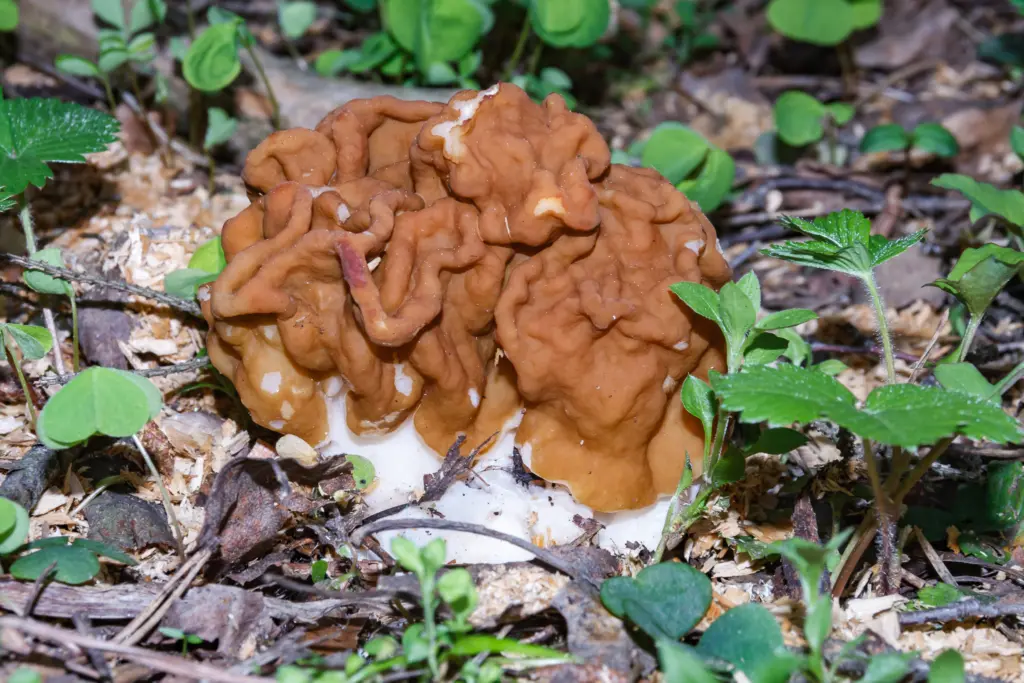
The Calf’s Brain Mushroom: Find, Identify, Grow, But Don’t Eat! The Calf’s Brain mushroom manages to stand out in the Pacific Northwest, a region abundant in natural beauty and full fungal species that dot its landscapes. Among the rich tapestry of mushrooms that call Washington State home, The Calf’s Brain mushroom is unique not just for its distinctive appearance but also for its intricate role within the ecosystem. Get this article without searching for “Calf’s Brain”? These mushrooms are popularly recognized as the Snowbank mushroom – but Leucoagaricus leucothites has acquired various names across different cultures and regions. Some might recognize it as the White Dapperling or even the White Agaricus. Other common names include: the giants false morel, snow morel, snow false morel, and bull nose. Origins and Habitat Washington’s natural landscapes of coastal shores and lush evergreen forests provide a haven for a wide variety of fungi. Yet, understanding the specific ecological niches where thrives reveals deeper insights into its evolutionary journey and current presence. Where it’s commonly found The Calf’s Brain mushroom mainly flourishes in grassy areas, often appearing on lawns, parklands, and even in gardens. It’s not uncommon for Washington residents to chance upon this whitish, medium-sized mushroom during their morning walks or weekend excursions. While it’s widespread across the United States, in Washington, it holds a special affinity for the state’s western regions, where the temperate maritime climate offers the perfect balance of moisture and warmth. How has it moved or spread over time? Tracing the roots of Leucoagaricus leucothites, it’s believed to have a broad native range, encompassing parts of North America, Europe, and Asia. Its successful colonization in Washington is likely a testament to its adaptive capabilities, riding on human activity or natural dispersal methods. Over time, as cities grew and grassy areas expanded, found more spaces to colonize, subtly weaving itself into the fabric of Washington’s natural history. Though its exact origins remain a subject of mycological debate, what’s indisputable is its ability to exploit anthropogenic habitats. The rise of urban gardens, golf courses, and managed parks in Washington over the past century has inadvertently played a role in the mushroom’s proliferation. Seasons and conditions when it is most prevalent In tune with Washington’s distinct seasonal rhythms, The Calf’s Brain mushroom makes its most pronounced appearance in late summer to early autumn. The combination of receding summer warmth and the onset of the region’s characteristic drizzles creates an optimal environment for its fruiting. However, sporadic sightings might also occur in spring, especially during prolonged wet spells. Those keen on observing or studying this mushroom would do best to venture out post-rain, armed with a sense of curiosity and a keen eye. Identifying a Calf’s Brain Mushroom The delicate art of mushroom identification is a blend of keen observation and a foundation of knowledge. Especially with the The Calf’s Brain mushroom, a species that dances on the edges of familiarity, understanding its specific physical traits and growth conditions is crucial. Here, we’ll delineate the very features that set Leucoagaricus leucothites apart from its mycological kin. Physical Characteristics: Cap Starting at the top, showcases a cap that ranges between 4 to 10 cm in diameter when fully mature. Initially rounded, the cap flattens out with age, often with a gentle central depression. Its surface, smooth and slightly glossy, carries a creamy white hue, occasionally tinged with subtle brownish centers in older specimens. Gills Peering beneath the cap, one would find freely attached gills that are densely packed. These start as a pale hue, gradually turning a grayish-pink as the spores mature. Stalk Supporting the cap is the stalk, ranging from 5 to 12 cm in height. It’s cylindrical, smooth, and carries the same creamy white color as the cap. One of its distinguishing features is the ring or annulus, which can be found partway up the stalk. Spore Print For those inclined to delve deeper into identification, the spore print of is a definitive clue. When captured, it presents a shade of white to faint pink.Other Distinctive Features Beyond its visual cues, exudes a faint, although not particularly distinctive smell, often described as ‘fungus-like’ or reminiscent of mildew. Comparison with Look-alikes The world of white mushrooms is vast, and Leucoagaricus leucothites has its share of doppelgangers. Two primary contenders include the Amanita virosa and the Chlorophyllum molybdites. While both can be mistaken for , the former is highly toxic, and the latter can cause gastrointestinal disturbances. Distinguishing features include the lack of a volva (base sac) in , compared to the Amanita, and a green spore print in Chlorophyllum molybdites versus the white to faint pink of the Snowbank. Observing these subtle differences is crucial for safety and accurate identification. Habitat and Growth Conditions As mentioned earlier, has a preference for grassy domains. Whether it’s the manicured lawns of suburban homes, the sprawling expanses of city parks, or the edges of forest clearings, these fungi find their footing in Washington’s green spaces. While they don’t typically grow on wood, they’re known to thrive in areas with wood chips, often used for landscaping, making them a common sight in urban and semi-urban locales. Culinary and Medicinal Uses The intersection of mycology and gastronomy is an age-old partnership, but as with most relationships it’s imperative to tread with caution. As this mushroom is edible, but it’s possibly quite poisonous if it’s not cooked properly! Edibility The Calf’s Brain mushroom, Leucoagaricus leucothites, is technically edible. Its flavor profile is mild and somewhat nondescript, often described as subtly earthy or woody. The texture, like many mushrooms, is a bit tender with a gentle crispness when freshly cooked. It most be cooked correct however, as it is rather poisonous raw. Given its close resemblance to other more toxic species and lack of desired flavor, it’s rarely sought after by foragers or chefs. Culinary Applications While not a star in the culinary world, if one were to consume , it’s best treated like other mild-tasting fungi. Simple sautéing in butter or olive oil with a dash of

Adventure, Camping, Camping in Washington State, Parks, RV, RV Lifestyle & Travel

Mt. St Helens Skiing: Be Prepared Before You Go

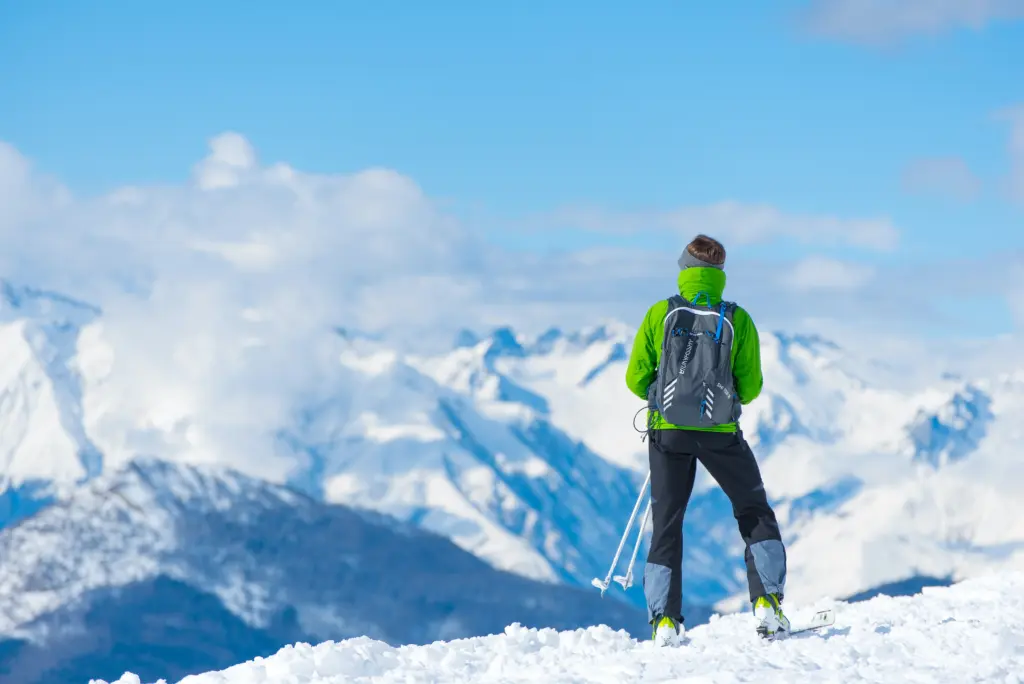
Mt. St Helens Skiing: Be Prepared Before You Go Table of Contents Imagine standing on the majestic peak of Mt. Helen, your heart thumping with the anticipation of the thrilling descent ahead. But wait, are you fully prepared to tackle this journey? Many first-time and even experienced skiers often overlook the unique challenges presented by Mt. Helen’s unpredictable weather and complex terrain. This article is your essential guide, providing comprehensive information on everything you need to know before strapping on those skis. Whether you’re an adventurous beginner or a seasoned pro, we ensure you’re equipped with the knowledge and the strategies to enjoy a safe and memorable skiing experience on Mt. Helen. Throughout the spring and into the summer, the volcanoes of Washington State become a sought-after destination for both skiers and mountaineers. Ranking fifth in height amongst Washington’s volcanoes, Mount St. Helens presents a notable challenge. Although it doesn’t require advanced technical climbing skills, Mount St. Helens should never be underestimated. A single day’s journey, covering more than 5,000 feet, over snow and rock terrains, certainly commands respect. GET YOUR PERMITS BEFORE YOU GO Regardless of the season, climbing Mount St. Helens requires a permit. From April 1 to October 31, advanced purchase of permits is mandatory, with no day-of walk-ins allowed. For those venturing the climb outside this period, specifically from November 1 to March 31 (the winter months), permits can be conveniently collected at the trailhead. If your plan wasn’t set in advance but the mountain’s call is irresistible, the permits transferred through recreation.gov provide is the only legal way to get permits from others. As for permit availability, from April 1 to May 15, 500 climbing permits are issued per day. This number is reduced to 100 permits per day from May 16 to October 31 to preserve the natural ecosystem as the snow melts. During the winter months, there’s no limit to the number of permits issued per day. CHOOSING A TRAILHEAD Depending on when you visit and your chosen trailhead, specific requirements must be followed: Marble Mountain Trailhead – Depending on the season, a Sno-Park permit might be needed to park at the trailhead. This is particularly true in winter, with the permits contributing to the plowing costs. Facilities include two pit toilets, and if you fancy staying overnight, sleeping in your car or setting up a tent are permissible options. Climbers Bivouac Trailhead – This trailhead opens in June and offers a slightly easier journey, sitting 1,000 feet higher than the Marble Mountain trailhead. Camping platforms are available on a first-come-first-serve basis, which could be an enticing choice for a summer trip. However, note that this trailhead is typically closed and inaccessible during winter months due to snow and weather conditions. BEST TIME OF YEAR TO CLIMB MOUNT ST. HELENS Choosing the optimal time for your Mount St. Helens adventure depends on your chosen activities. For skiing enthusiasts, the best period falls between March and May, when the snow conditions are typically prime. However, if skiing isn’t on your agenda, the mountain welcomes climbers from March through October. For those undeterred by winter conditions, climbing is possible even in the winter months, but additional preparation and caution are necessary due to harsh weather and snow conditions. RISK OF AVALANCHES An awareness of snow conditions is crucial throughout the year, but it becomes even more critical in winter and spring when avalanche risks are heightened. Always consult NWAC.us to understand current avalanche risks before embarking on your climb. Equipping yourself with beacons, shovels, and probes – and understanding how to use them – could make a life-saving difference in the event of a slope slide. WEATHER ON THE MOUNTAIN Alpine weather is a fickle companion and can change rapidly, regardless of the season. It’s essential to monitor the weather forecast in the days leading up to your climb, and also to be aware of any forecast changes during and after your climb. Pay close attention to wind conditions too, as these can significantly impact your climb. During the summer months, cloud cover may not present a significant challenge, but in winter and spring, low cloud cover can make route finding difficult and disorienting. Always err on the side of caution when deciding to push forward in less than ideal weather conditions. WHAT TIME OF DAY SHOULD I START CLIMBING HELENS Your climb’s commencement time on Mt. Helens should factor in the season and expected outdoor temperatures, as well as your estimated ascent and descent times. For the more challenging sections of the climb, a speed of 1 mph is a reasonable estimate. You could anticipate the ascent, including breaks for snacks, to take around 5 to 6 hours. The descent duration varies significantly based on whether you’re skiing or walking. In winter or early spring, if you’re equipped with skis, you might manage the descent in a brisk 45 minutes to an hour. If skiing isn’t your mode of descent, allocate approximately 3 to 4 hours, regardless of the season. The snow condition is an essential factor to consider, especially for skiers and snowshoers. During winter and spring mornings, the snow is usually firm, making it ideal for the early parts of the climb. However, as the day warms up, the snow starts to soften and can make climbing more difficult – akin to trudging through sand. Aim for firm conditions that will gradually soften for a more pleasurable descent. An early start, around 7:30 am, is often ideal, and by the time you reach the summit, the snow should be just soft enough for a comfortable ski down. Remember, though, that as you decrease in elevation, the snow will continue to soften, so don’t expect consistent conditions throughout your 5,000-foot descent. LEAVE NO TRACE Regardless of the season, be a conscientious visitor. Everything you bring with you, including toilet paper, energy bar wrappers, and even human waste (solid waste only), should leave the mountain with you. Let’s strive to keep nature free

Adventure, Camping, Camping in Washington State, Parks, RV Lifestyle & Travel

Eastern Washington Road Trip Itinerary: A Local Guide

Eastern Washington Road Trip Itinerary: A Local Guide It’s no secret that the Pacific Northwest is a treasure trove of amazing natural sites and interesting cities. However, when most people think of this region, they often picture the rugged coastlines of Oregon or the rain-drenched forests of Western Washington. Eastern Washington, with its unique landscapes and diverse attractions, remains a less explored area in the PNW – but it’s about to become your favorite destination. With a home-on-wheels, you can dive headfirst into this adventure. We’re giving you the best tips and places to visit on your road trip across Eastern Washington. So buckle up, let’s hit the road! Plan Before You Go Before you venture out, you’ll want to make sure your RV is in top-notch condition before hitting the road. Check for any maintenance issues and don’t forget the necessary supplies and backups – water, fuel, propane, spare tire, and food. As long as you booked one of our units, this isn’t something you have to worry about. No matter how you’re making your trip, you’ll want to make reservations in advance – especially during peak season. Many RV-friendly campsites in Eastern Washington get filled up fast, so ensure you have a spot secured. And remember, weather in the Pacific Northwest changes fast so you’ll want to keep an eye on the weather, and have a backup plan in case it rains. From Soap Lake To Grand Coulee Dam Our journey kicks off where Eastern Washington begins, at a unique mineral nestled in the heart of the state called Soap Lake. Soap Lake owes its fame to the rich mineral content of its water, believed to possess healing properties. The lake’s lunar-like landscape and the quiet tranquility it offers make it a perfect starting point for our journey. The other reason for starting at Soap Lake, is that it offers an amazing drive full of interesting places along the way to Grand Coulee Dam… Dry Falls But first, you’ll want to drive northwest from Soap Lake to see the remains of what used to be the world’s largest waterfall dwarfing even Niagara Falls… Dry Falls is an ancient waterfall that stretches an incredible 3.5 miles wide, though it no longer looks like it did during the Ice Age. Now, it stands as a monument to time, an arid canyon where water once roared. The Dry Falls Visitor Center offers an in-depth perspective on the cataclysmic events that shaped this unique landscape. Steamboat Rock From Dry Falls, you’ll want to continue towards the towering monument of Steamboat Rock. An enormous basalt butte surrounded by the waters of Banks Lake, Steamboat Rock challenges hikers with its steep ascent but rewards them with spectacular vistas of the surrounding scenery. Its 600-acre plateau is a haven for wildlife, and visitors can often spot marmots, eagles, deer and even the occasional bobcat! Northrup Canyon Our last stop on the drive before the dam is Northrup Canyon, a place where the wild heart of Washington thrives. As the only naturally occurring forest in Grant County, Northrup Canyon is home to a wide variety of wildlife and plant species. The three-mile trail through the canyon takes you past an old homestead and cemetery for the pioneers who once tried to make this challenging landscape their home. Grand Coulee As the sun sets, you’ll reach Grand Coulee, home to the colossal Grand Coulee Dam, standing as an emblem of human ingenuity, is a marvel to behold. This colossal concrete structure, located on the Columbia River in Eastern Washington, is one of the world’s largest and most powerful hydroelectric projects. The dam is over a mile wide and reaches 550 feet in height, an impressive sight that dwarfs even the great pyramids of Egypt. The dam’s visitor center offers a wealth of information about the construction, operation, and environmental impact of this massive structure. But the real spectacle comes at nightfall, when the dam becomes the backdrop for a brilliant laser light show during the summer nights with colorful lasers that dance across the rushing water. Scenic Route To Spokane Fort Spokane After a night of rest at one for Grand Coulee’s RV parks, you can head east over to Fort Spokane. Located at the juncture of the Columbia and Spokane Rivers in Washington State, Fort Spokane is a historic site established in 1880, it served diverse roles as a military outpost during the frontier era, an Indian Boarding School, and a tuberculosis hospital, each leaving its unique mark on the area. Make a quick stop at the on-site visitor center to get an immersive look into these eras through detailed exhibits of the soldiers, local tribes, and boarding school students. Beyond its rich history, Fort Spokane offers an enchanting display of natural beauty, nestled within the Lake Roosevelt National Recreation Area. This is a great place to stop for some early morning outdoor activities such as camping, boating, fishing, swimming, and hiking, or simple bird watching. Kettle Falls Nestled along the banks of the Columbia River in NE Washington, Kettle Falls is a quaint town steeped in history and surrounded by natural beauty. Originally, the location was home to one of the most productive salmon fishing sites in the region for local tribes, but the waterfall known as Kettle Falls was submerged after the construction of the Grand Coulee Dam. Now, the town serves as a gateway to the Lake Roosevelt National Recreation Area, a paradise for outdoor enthusiasts. Visitors can enjoy a plethora of activities such as boating, swimming, fishing, and camping along the 130-mile stretch of the lake. For hiking and wildlife viewing, the nearby Colville National Forest and Sherman Pass Scenic Byway offer lush landscapes and diverse fauna. History buffs can learn about the region’s rich past at the Kettle Falls Historical Center, which features exhibits on Native American history, early settlers, and the influence of the Grand Coulee Dam. The town is also in proximity to the Fort Colville site and St. Paul’s Mission, both

Adventure, Camping, Camping in Washington State, Parks, RV

Things to do in Wallowa Oregon

Things to do in Wallowa Oregon Embark on an unforgettable RV adventure amidst the captivating landscapes of Wallowa, Oregon, immersing yourself in the beauty of the Pacific Northwest. While Wallowa County may not frequently grace ‘Top 5’ lists, this hidden gem boasts a harmonious fusion of natural wonders, cultural gems, and family-friendly activities, catering to travelers of all ages. In this concise guide, we extend a warm invitation to explore the myriad delights of Wallowa, Oregon, from the comfort and freedom of your RV. Experience the seamless melding of outdoor exploration and relaxation, as you delve into the heart of this picturesque destination. Outdoor Adventures For Everyone For families seeking a getaway that’s equal parts relaxing and equal parts exciting, Wallowa is a dream come true. Inside the park, you’ll find lots of outdoor activities like: Horseback Riding Discover the Old West allure with a captivating horseback riding excursion through Wallowa County’s enchanting valleys and meadows. Numerous ranches in the vicinity provide guided rides, offering a chance to immerse yourself in nature and embrace the rustic charm. For those passionate about hiking, the breathtaking Wallowa Mountains beckon. Delve into the splendor of the Eagle Cap Wilderness, renowned for its vast array of hiking trails catering to all skill levels. With nearly a dozen trails to explore, this destination promises an unforgettable experience, worthy of multiple visits. Rafting and Fishing Calling all adventurous souls! Prepare for an exhilarating whitewater rafting adventure along the scenic Wallowa River. Anglers, rejoice! Discover abundant fishing opportunities in both the river and the lake, where you can reel in trout, kokanee salmon, and more. Don’t miss out on these thrilling outdoor experiences in Wallowa, Oregon! Wallowa Lake Tramway Experience the breathtaking beauty of Wallowa Lake and its picturesque surroundings from a one-of-a-kind vantage point aboard the Wallowa Lake Tramway. Ascend Mount Howard on this aerial tramway for unparalleled panoramic views of the stunning Wallowa Valley and the majestic Eagle Cap Wilderness. Don’t miss this opportunity to witness the awe-inspiring landscapes of Wallowa, Oregon, from a bird’s-eye perspective! Wallowa Lake Beach Discover tranquility at the serene shores of Wallowa Lake, where Wallowa Beach beckons with its natural beauty and peaceful ambiance. With sandy beaches and supervised swimming zones, children can delight in snorkeling and beach play while parents unwind along the shore. The scenic backdrop of the Wallowa Mountains enhances the beach’s charm, providing a picturesque setting for picnics, leisurely strolls, and unforgettable sunsets. Whether you crave relaxation or thrilling water adventures, Wallowa Beach in Oregon offers an idyllic retreat for families and nature enthusiasts alike. Scenic Drives and Hidden Gems Embark on a breathtaking journey through the stunning landscapes of Wallowa Valley with scenic drives that captivate the senses. Meandering roads traverse lush meadows, verdant farmlands, and dense forests, all set against the majestic backdrop of snow-capped peaks. Keep a lookout for wildlife sightings and the enchanting changes of the seasons, enhancing each drive with soulful encounters. Don’t miss the opportunity to immerse yourself in nature’s finest beauty while exploring Wallowa, Oregon! Need some city adventure on your trip? While parents enjoy serene days on the water, kids often crave opportunities to burn energy or explore nearby towns. Fortunately, within a few miles, Wallowa offers an array of activities typically found only in larger cities. From outdoor adventures to cultural exploration, there’s something for everyone. Scenic Meadows Take a short 30 minute drive over to Scenic Meadows and let the kids go wild while you relax. At this RV park you’ll find tons of activities for both children and parents alike, they have go-kart racing, mini golf courses, a horseshoe pit, a basketball court, a sand volleyball court, a ping pong table, an arcade, and more! History Lessons For history enthusiasts, Wallowa’s vibrant heart pulses with rich cultural heritage and historical significance. Delve into the past at the Wallowa County Museum and the Oregon Trail Interpretive Park, where you can uncover fascinating insights into the region’s history. Step back in time to the pioneer era and discover the arduous journey of the Oregon Trail, gaining a deeper appreciation for Wallowa’s historical roots. RV Campground Options Wallowa Lake State Park Stay inside the park itself on a campground surrounded on three sides by 9,000ft tall snow-capped mountains and a large, clear lake. The lake is a popular fishing and boating site, and you’ll have instant access to all the outdoor activities we mentioned above like hiking wilderness trails, horseback riding, bumper boats, canoeing, miniature golf or ride a tramway to the top of one of the mountains. Scenic Meadows RV Park Scenic Meadows offers fun, recreation and enjoyment for the whole family with the wide range of activities we mentioned earlier. Scenic Meadows RV Park has 16 RV spaces and 2 tent spaces.There are clean, modern restroom facilities if you feel like getting out of the RV for a bit. Park at the River A beautiful and peaceful setting for a perfect vacation at Wallowa Lake. Located on the Upper Wallowa River across the street from Eagle Cap Chalets, our deluxe RV Park offers 48 full hookup sites, cable TV included. The park offers wonderful views of Chief Joseph Mountain and the river. Embrace the RV Lifestyle An RV journey to Wallowa, Oregon, offers unparalleled freedom and flexibility. Travelers can chart their own course, relishing the spontaneity that comes with hitting the open road. Embrace the allure of life on wheels, where every sunrise unfolds a new horizon and every night brings a peaceful slumber beneath the stars. The RV lifestyle provides a comfortable and convenient home-away-from-home, ensuring cherished family moments during the entire adventure. So, pack your bags, pick out one of our RVs, and let the enchantment of Wallowa unfold before your eyes. Happy travels!