Adventure

Adventure, Camping, Destinations & Itineraries, RV Lifestyle & Travel

Sunset Beach Seattle

Sunset Beach Seattle: A Quick Guide to Seattle’s Best Beachside Views Seattle’s beaches are a prime spot for watching the sunset. The mix of urban skyline and natural landscapes makes for a memorable end-of-day experience. Some of the best beachside views in Seattle are Alki Beach, Carkeek Park, and Golden Gardens Park. As a family or couple RV traveler these locations will offer you some of the most scenic beachside views. Here you will enjoy beautiful sunsets that invite you to watch, reflect, and take a breath as another day concludes. In this guide you will find: Top Seattle Beaches for Sunset Views and How to Reach Them There’s nothing quite like watching a vibrant Seattle sunset over the water. These top beaches provide not only breathtaking views but also unique experiences to make your evening unforgettable. Alki Beach, West Seattle Alki Beach boasts not only natural beauty but also a rich history. Known as the birthplace of Seattle, this beach marks the spot where the Denny Party, the city’s first settlers, landed in 1851. Location and Ambiance Alki Beach stretches along the northern shoreline of the West Seattle peninsula, offering a long expanse of beach that provides panoramic views of the Puget Sound and the Olympic Mountains. Directions for RV Travelers To get to Alki Beach from downtown Seattle: Parking Availability Alki Beach has several parking lots along Harbor Ave SW, which include: Although there are no specific RV parking fees, spaces can be limited for larger vehicles during peak times. It’s advisable to arrive early, especially during summer evenings. Golden Gardens Park, Ballard Golden Gardens Park is renowned for its rugged natural beauty and the striking sunsets that illuminate the sky above the Olympic Mountains. The park’s sandy shores, framed by tall grasses and driftwood, create a more secluded atmosphere perfect for a serene sunset experience. RV-friendly Driving Direction To access Golden Gardens Park in an RV, head north on Interstate 5, take exit 172 for N 85th St toward Aurora Ave N, and follow the signs for Golden Gardens Park, which will lead you to Seaview Ave NW. Parking Situation The park offers ample parking, including a large lot that can accommodate RVs. Parking is free, but like Alki Beach, lots can fill quickly on clear days. Nearby Transit Stops For public transportation, Metro’s Route 45 and the RapidRide D Line drop passengers within walking distance of Golden Gardens Park, making it accessible if you’ve set up your RV at a distance. Carkeek Park, Northwest Seattle Carkeek Park’s pebble-strewn beach fronts the Puget Sound and offers a beautiful spot for sunset views, with the added interest of trains that occasionally pass by. Access Routes for RVs To reach Carkeek Park, RV drivers should use NW 85th St if coming from the south or NE 145th St if arriving from the north, both of which connect to 3rd Ave NW that leads to the park. These roads are well-maintained and suitable for larger vehicles. Parking Information for Large Vehicles Carkeek Park has a dedicated parking area with spots large enough for RVs. The park’s parking is also free, but note that the main lot is a short walk from the beach itself. Public Transportation Options Seattle’s public transportation can get visitors near Carkeek Park. Bus routes 40 and 345/346 stop at NW Carkeek Park Rd and NW 103rd Pl, a short hike from the beach. These routes connect to various transit hubs suitable for those staying at RV parks within the city limits. Timing Your Best Sunset Experience While Seattle sunsets are beautiful year-round, there are specific times and seasons when the skies truly come alive with color. Consider the following when timing your sunset experience at Seattle beaches: Best Time of Year and Day for Sunset Viewing While sunsets are a daily occurrence, the most vibrant hues are often observed during the transition from spring to summer and summer into fall. This is when the skies are clearer, and the sun’s angle makes the horizon more amazing. As for the time of day, sunset times vary throughout the year. However, they typically occur between 4:00 PM in the winter months to as late as 9:00 PM during the peak of summer. Sunset Timetable Variation In Seattle, the longest days are around the summer solstice in late June, while the shortest days occur during the winter solstice in late December. A general rule of thumb for catching the sunset is to check local weather services or sunset calendars. provide the exact time the sun will dip below the horizon on any given day. Arriving Early for Pre-Sunset Activities To make the most of your beach visit, consider arriving at least an hour or two before the scheduled sunset. This extra time allows you to: Capturing the Moment: Photography Tips To capture the best sunset moments on camera, you need to know the “Golden Hour” and the best spots for sunset photography at the beach. What Is the ‘Golden Hour’ The ‘Golden Hour’ is the brief period just after sunrise or before sunset. It casts a warm, soft light that photographers crave for its ability to enhance landscapes with a natural, diffused glow. This time is ideal for capturing the Seattle beaches as the sun’s lower position in the sky produces longer shadows and highlights the texture of the sand and waves, giving depth to your photos. Best Spots for Sunset Photography at Each Beach To capture the best sunset photographs for the beach, the following are the ideal spots: Making the Most of Your Sunset Beach Visit Beyond the views, a Seattle sunset beach visit offers so much more. Here are some ideas to make the most of your time: Picnicking and Dining Options Nothing complements a sunset better than a delightful meal. Each of Seattle’s beaches offers lovely spots for spreading out a blanket and enjoying a family picnic as follows: Beach Activities and Entertainment Before the sun begins its descent, each beach boasts a host of activities to keep the family engaged. Beach activities at the Alki Beach include: Beach activities at the Golden Gardens Park include: Beach activities at the Carkeek
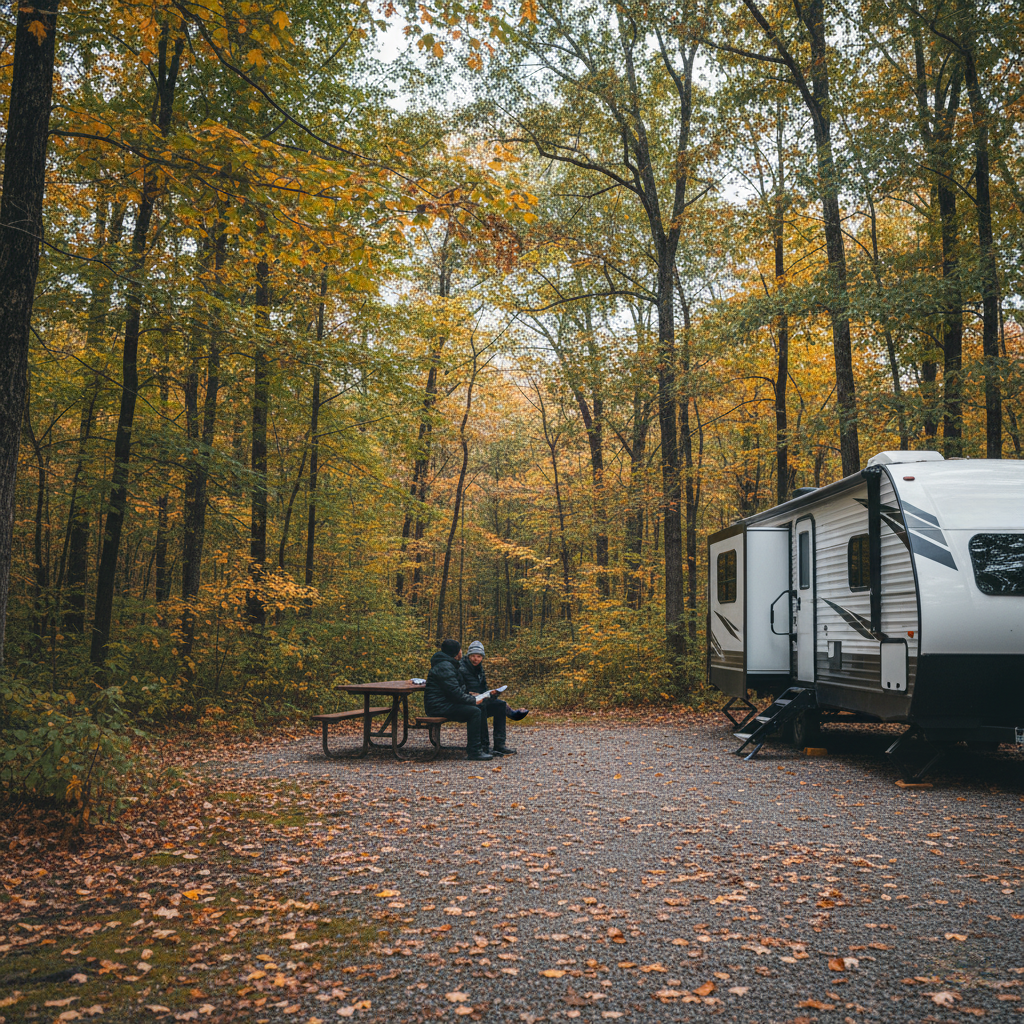

Family sitting at a picnic table beside an RV surrounded by colorful autumn trees.
Adventure, RV Lifestyle & Travel, RV Ownership Tips

Packing for a Fall Family Camping Trip

Fall camping has its own rhythm. The air turns crisp, campgrounds quiet down, and trees put on their best show. It’s a great time to plan a family trip, but fall weather calls for a few extra steps when you pack. The season brings cooler temperatures, shorter days, and unpredictable conditions, so preparation matters. Start by planning for weather swings. One day might feel like late summer, the next like winter. Pack clothing you can layer easily, from short sleeves to heavier jackets. Always bring a raincoat or waterproof shell. If you’re camping somewhere that dips below freezing, make sure your RV or tent setup can handle the cold. Fill your propane tanks, bring an extra blanket or small electric heater, and check ahead to see if your campground shuts off water hookups during the off-season. Many campgrounds reduce services in the fall, so don’t assume everything will be open. Stores, restrooms, or showers might close early, and firewood can be harder to find. Call ahead to confirm what’s available, then stock up on what you’ll need before you go. Since fall evenings get darker earlier, remember to bring extra lights and lanterns to make camp comfortable. Fall camping also invites a bit of creativity. Some parks host seasonal activities like trick-or-treating, craft weekends, or campsite decorating contests. Pack a few decorations or costumes if your kids enjoy them. The season’s colors and cool evenings make it easy to get into the spirit, and little touches like pumpkins or string lights can make your site feel warm and festive. Food is another area where fall shines. It’s the perfect time for soups, stews, chili, or a mug of hot cider by the fire. Bring what you need for easy, warm meals and drinks. You’ll also want sturdy shoes for muddy trails, a waterproof layer for hikes, and sleeping bags rated for cooler temperatures. A fall camping trip feels different from summer—quieter, slower, and more relaxed. With a little planning and the right gear, you can enjoy everything the season offers. Check ahead, pack smart, and enjoy the crisp air, bright colors, and peaceful evenings that make autumn camping special. View Our Rentals

Illustration of a vintage camper van under campsite etiquette title banner. Description: A minimalist retro-style image featuring a camper van and the text “10 Campsite Etiquette Rules,” representing responsible camping and travel culture.
Adventure, RV Lifestyle & Travel, RV Ownership Tips

10 Unwritten Rules About Campsite Etiquette

  Camping is a chance to get outside and away from all the hustle and bustle of everyday life. Camping provides a quiet, more relaxed, and slower pace for you to be able to unwind. However, if you are headed out to a campsite, you will not be completely alone as there will be many other campers around you looking to do the same thing you have come for. The camping community is a great one full of friendly people, and if you are fairly new to camping, you may want to make yourself aware of some general camping etiquette procedures most avid campers know and live by that you might not find posted. Respect Quiet Hours- Almost every campground will have posted quiet hours to help protect the resting hours of the majority of guests at the site. Most quiet hours are from 10 pm to 6am. Voices carry more easily at night when people and creatures settle down for the day. Be a good neighbor and honor these hours mindfully so that everyone can enjoy their vacation. 2. Use Lowlights When Arriving After Dark- If you get to your destination and it is past dark, turn your headlights off and use your lowlights when driving in the campground and parking or unloading. Headlights are still very visible and bright even through curtains and can be disturbing to those relaxing inside their RVs or trying to sleep. 3. Keep Pets on a Leash Outside- The campsite rules about furry family members are different at each campsite, but when there are other pets, strangers dining outside, and small children it is best to have pets on a leash when walking through a campsite or on a hiking trail. 4. Clean Up After Pets– So this one may be posted, especially here in the state of Washington. We can all agree it is not fun to pull into a campsite with animal droppings or walk down a trail and accidentally step in a pile of smelly mess. 5. Try to Avoid Walking Through Neighboring Campsites- When you pay for a space in a campground it is kind of like a hotel room. The whole campsite is your area to spread out and relax in during your paid stay. You wouldn’t walk into someone else’s hotel room to get to the pool faster would you? The same courtesy should be used with campsites even though there are no fences or walls. 6. Be a Responsible Fire Builder- For the safety of yourself and every one in your traveling party and the woods around you, make sure to keep to the rules of fire safety. Build fires in designated pits/areas, don’t build the fire too large, and never leave a fire unattended or to burn out on its own. A good idea is to make sure the ashes are cold. 7. Wash Dishes in Your Campsite Instead of the Shared Bathroom- If your camping site has a public restroom, the space is probably limited in there and it is best to leave all of it to the washing and freshening up of people, not dishes. 8. Pack Out What You Pack In- Take care of the nature around you by making sure you have picked up all trash and belongings. Some camp grounds charge extra if they find a space has been left a mess. It is also not fun to arrive in a space you are paying for to find the last person’s trash. 9. Leave Your Extra Wood– If you have no use for wood that was not used up while camping, why not leave it for the next campers to use? This will lighten your packing load as well as pay it forward and spread a little kindness. 10. Put Everything Back Just the Way it Was Found– Maybe you rearranged the picnic table or other items to make your stay a bit easier/comfier. If you did, don’t forget to put it all back in the place it was when you arrived. Go Above and Beyond in Being a Courteous Camper- There is a time honored tradition in both boy scouts and girls scouts of leaving a place better than you found it, and what better place to do this than when camping? Some campsites may post some of these rules, but you will probably find many of them are just kind of commonly expected around the camping community. Generally, frequent campers are some of the most friendly you will meet, especially frequent RV campers. They have kind of an unofficial community of looking out for one another. For more great camping tips and tricks please feel free to browse our website. For more information on renting a gorgeous, luxury RV from NW Adventure Rentals’ Seattle fleet, don’t hesitate to contact us at anytime.

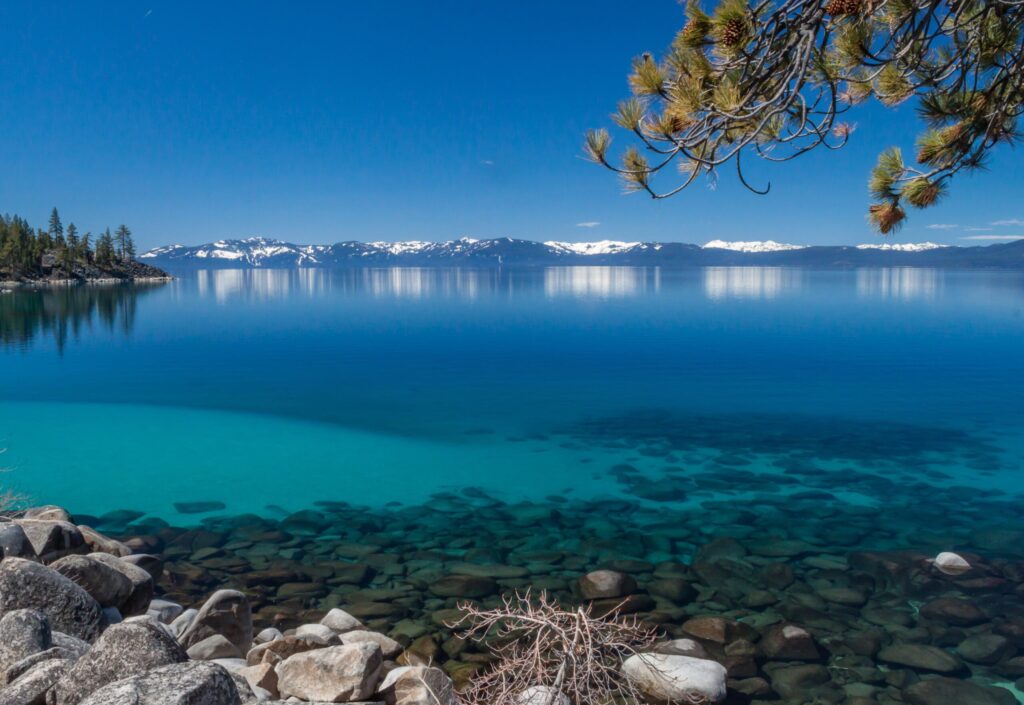
A photo of a lake with clear waters
Adventure, Campgrounds, Camping, Destinations & Itineraries, RV Lifestyle & Travel

The Alpine Gem: Embracing Lake Tahoe’s Majestic Allure

The Alpine Gem: Embracing Lake Tahoe’s Majestic Allure Lake Tahoe is a natural wonder set among the peaks of the Sierra Nevada. Its waters are famously clear, giving visitors a chance to enjoy views both above and below the surface. Whether you are boating, hiking, relaxing with family, or planning an RV getaway, Lake Tahoe offers a mix of beauty, adventure, and calm that keeps people coming back. What makes Lake Tahoe stand out: Clear blue water and mountain views Access to outdoor activities in every season A location that spans both California and Nevada Family-friendly attractions and scenic campgrounds Great routes and destinations for RV travelers Lake Tahoe is more than a beautiful destination. It is a place where road trips, outdoor adventure, and lasting memories come together. Lake Tahoe’s Broad Appeal Lake Tahoe attracts visitors from all over the world. People come for the clear water, the alpine setting, and the range of things to do throughout the year. From quiet shoreline walks to full outdoor adventure, Tahoe appeals to couples, families, solo travelers, and RV vacationers alike. The setting is part of what makes the experience stand out. The lake is framed by mountain peaks, forested slopes, and scenic shorelines that change with the seasons. No matter when you visit, Tahoe offers a fresh perspective. Lake Tahoe: A Geographic Marvel Lake Tahoe sits high in the Sierra Nevada mountain range along the border of California and Nevada. Its location makes it a favorite for travelers looking for both relaxation and adventure. It is one of the largest lakes in the United States by volume, and at more than 1,600 feet deep, it is the second deepest lake in the country. The surrounding region adds even more appeal. Visitors to Tahoe are also within reach of other natural landmarks across Northern California and the Sierra region, making it a strong base for extended travel and RV exploration. Charting the Course: Journey to Lake Tahoe Lake Tahoe is accessible by both car and air, with the final leg of the trip completed by road. The drive into Tahoe is part of the experience, with mountain views and changing landscapes along the way. Driving Directions From Major Cities San Francisco: About 3.5 hours via I-80 E and US-50 E Las Vegas: About 8 hours via US-95 N and US-50 W Los Angeles: About 8 hours via I-5 N and CA-99 N Air Travel and Ground Transportation Reno-Tahoe International Airport (RNO): About 45 minutes from North Lake Tahoe Sacramento International Airport (SMF): About 2 hours from Lake Tahoe From either airport, travelers can rent a car or use shuttle services to reach the lake. Tips for an RV-Friendly Route Choose routes with wider grades when possible Check road conditions before departure, especially in winter Watch for chain requirements and seasonal restrictions Use RV parks and campgrounds along the way for overnight stops and local road updates The Lure of Tahoe’s Waters: Why It’s a Must-Visit Destination Lake Tahoe is not only beautiful, it is also packed with activities for travelers of all ages and interests. Popular Summer Activities Boating Kayaking Paddleboarding Hiking Biking Beach days with the family Winter Activities Skiing Snowboarding Snowshoeing Year-Round Activities Fishing Scenic drives Family beach outings Lakeside dining Nature walks Whether you want a peaceful trip or an active vacation, Tahoe gives you both options. Timing Your Tahoe Getaway: Seasons of Splendor The best time to visit Lake Tahoe depends on what kind of trip you want. Summer, from June through August, is ideal for water activities, hiking, and beach time. Warm days and cool evenings make it a great season for campfires, family outings, and RV stays. Winter, from November through April, is best for snow sports. January and February often bring the best snow conditions for skiing and snowboarding. Spring and fall offer a quieter experience. These shoulder seasons usually bring lighter crowds, easier campground access, and a slower pace that many RV travelers enjoy. Seasonal Highlights Summer: Warm weather, clear skies, hiking, beach days, paddleboarding Fall: Crisp air, colorful foliage, quieter trails Winter: Snow-covered scenery, ski resorts, snowshoeing Spring: Wildflowers, waterfalls, milder weather, fewer crowds Tahoe Through the Seasons: A Guide to the Ideal Experience Lake Tahoe delivers something different in every season. Summer Relax on sandy beaches Swim or paddleboard in clear water Hike and bike scenic trails Enjoy meals at lakeside restaurants Fall Hike among changing leaves Enjoy quieter fishing spots Take in cooler temperatures and fewer crowds Winter Ski or snowboard at top resorts Explore snowy trails on snowshoes Return to your RV for a warm and comfortable evening Spring See wildflowers begin to bloom Enjoy less crowded trails Experience the lake in a quieter, more relaxed season Embracing Tahoe With the Family: Activities for All Ages Lake Tahoe offers plenty for families traveling with children of all ages. Family-Friendly Activities Beaches with shallow areas for play Adventure parks with ropes courses and zip lines Mini-golf and arcades Scenic picnic areas Nature walks and educational programs Educational Stops for Kids Guided nature walks Junior Ranger programs Taylor Creek Visitor Center Tallac Historic Site These attractions make Tahoe a strong destination for families who want both fun and learning built into the trip. The RV Traveler’s Companion: Exploring Lake Tahoe on Wheels Lake Tahoe is a great destination for RV travel. An RV gives you the freedom to explore at your own pace while keeping the comfort of home close by. NW Adventure Rentals gives travelers a practical way to enjoy the region with a well-equipped RV built for comfort and flexibility. Best RV Parks and Campgrounds Around Lake Tahoe Camp Richardson, with full hook-up sites, bike trail access, a marina, and a general store Zephyr Cove RV Park & Campground, with a quieter forest setting near the lake Tips for RV Vacationing Families Reserve campgrounds early, especially during peak season Look for sites with family-friendly amenities Check road and size restrictions before you go Pack for changing weather, including

Adventure, Camping, Camping in Washington State, Destinations & Itineraries, RV Lifestyle & Travel, Washington

Is Leavenworth WA Worth Visiting

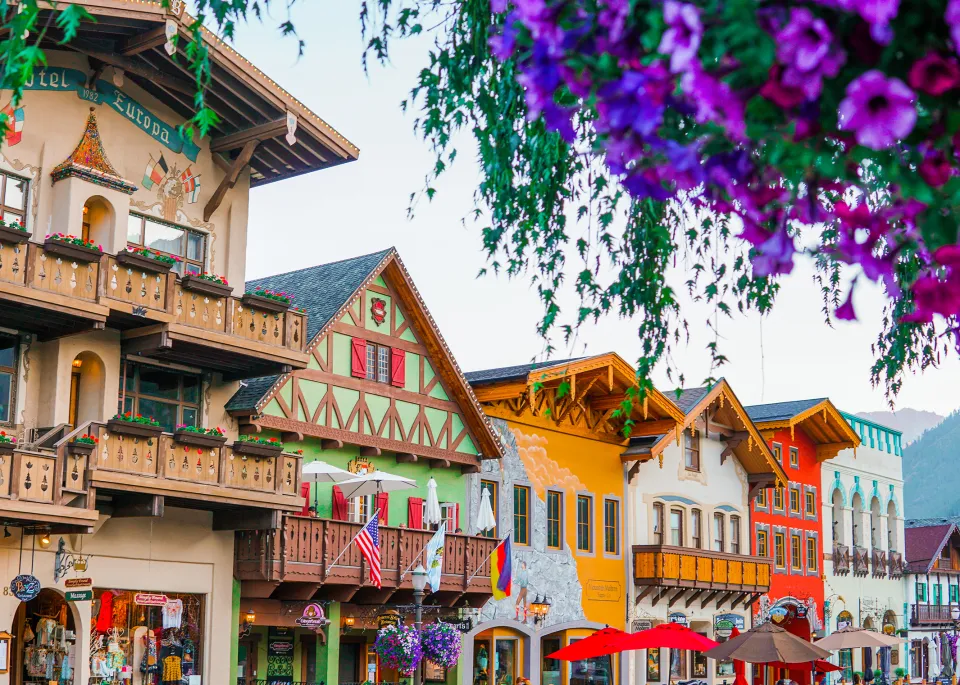
Is Leavenworth WA worth visiting? Yes, here’s why Leavenworth, WA, is where Bavaria thrives against the backdrop of the Cascades. And if you’re wondering “Is Leavenworth WA worth visiting?” The short answer is YES. Leavenworth brings together the allure of cultural festivities with the call of the outdoors—a perfect getaway for families to create memories surrounded by an impressive natural environment. But that’s not all. Leavenworth, WA offers more than just adventure. In this article, we highlight all valid reasons why this Bavarian-styled village town is a must-visit. You’ll also learn: How to get there and the time of the year to visit RV-friendly activities for families visiting Leavenworth Insider tips on RV accommodations and available parks Where to rent fully furnished modern RVs when visiting Leavenworth  Getting to Leavenworth You can get to Leavenworth from Seattle or Spokane. These towns are close to Leavenworth and serve as perfect starting points. From Seattle to Leavenworth Starting your journey from Seattle, Leavenworth is a 2-hour drive away. Get to I-90 E and enjoy the ever-changing landscape as urban views give way to the rugged wilderness of the Cascade Range. As you approach Cle Elum, transition onto Highway 970 and link up with Highway 2. This stretch, known as the Cascade Loop, offers stunning views of snow-capped mountains and lush valleys, perfectly setting the scene for your Bavarian adventure in Leavenworth. From Spokane to Leavenworth If Spokane is your starting point, you’re looking at a drive of around 4 hours to reach Leavenworth. Take the I-90 W until you reach Wenatchee, then get onto Highway 2 for the final stretch of the journey. This route is along the Columbia River, showing off the different landscapes of Eastern Washington before reaching Leavenworth, the alpine heartland. RV Road-Tripping to Leavenworth Traveling to Leavenworth by RV offers an added layer of freedom and comfort. But remember, mountain passes can be daunting for larger vehicles. Stevens Pass on Highway 2 is a popular route with RVers, with plenty of spots to stop and enjoy the views and grab photos. Driving Tips for Mountain Roads Regardless of the season, mountain driving requires caution and preparation. Here are some tips to ensure a safe trip to Leavenworth: Check your vehicle: Ensure your vehicle is in good condition, with all fluids topped up and tires properly inflated. Reduce speed: Mountain roads often have tight turns and steep grades. Reduce your speed and maintain a safe distance from the vehicle ahead. Stay Informed: Always check the latest road conditions and potential closures through the Washington State Department of Transportation travel center map before you leave. Be Prepared: Carry an emergency kit with food, water, warm clothing, and safety gear, especially during winter months.  Why Leavenworth Is a Must-Visit Leavenworth is a must-visit. And we have all the good reasons such as: It’s a slice of Bavaria in the Pacific Northwest At first glance, Leavenworth is a quaint American town, but look again and you’ll find yourself transported to a Bavarian village, right in the heart of Washington State. This transformation isn’t just skin deep. Leavenworth’s alpine-style buildings, complete with murals and ornate balconies, align naturally with an array of cultural festivities that echo the charm and cheer of a German township. It Has Festivals That Feed the Soul, All-Year Round Leavenworth’s calendar is dotted with signature festivals that draw visitors from all over. These events show the town’s commitment to celebrating its Bavarian roots as well as other cultures it represents. Key signature festivals include: Oktoberfest: Spanning three weekends in October, Leavenworth’s Oktoberfest is a vibrant celebration. It has beer gardens featuring music from Bavaria, the USA, and local bands, along with traditional dancing, food, and, of course, a variety of beers. Christmastown: From November 29th to December 24th, the town transforms into a winter wonderland. It features over half a million lights, festive entertainment, roasted chestnuts, holiday characters, and activities for all ages. Winter Karneval: Honoring a German tradition dating back to the 13th century, Leavenworth’s Winter Karneval in January is a spectacle of lights and snow, offering a unique experience of the Bavarian Fasching celebration. Maifest: With events every weekend in May, Maifest celebrates the arrival of spring with wildflowers, apple and pear blossoms, and a host of springtime festivities. An Outdoor Enthusiast’s Playground Beyond its cultural mimicry, Leavenworth is a center of outdoor adventures due to its accessible river rafting, fishing spots, and hiking trails. Also, the surrounding Wenatchee National Forest serves as a playground for nature lovers. It offers opportunities to mountain bike, rock climb, and in winter, ski or snowboard on powdery slopes. Shopping and Dining With Authentic Flair Stroll through the downtown area, and you’ll stumble upon several shops selling everything from handcrafted goods to imported cuckoo clocks. It has seasonal markets. The Leavenworth Farmer’s Market runs from June to October, offering a platform for local artisans and farmers to share their produce and crafts with the community. It’s not left out when it comes to food. The smell of freshly baked pretzels and savory scents of schnitzel and sauerkraut from local eateries is something you’ll enjoy. Cafés and beer gardens offer a warm welcome, inviting guests to savor authentic Bavarian cuisine paired with regional brews. It’s Celebrates Cultures Through Arts and Music Leavenworth doesn’t just stop at German traditions; it embraces a fusion of cultures through its arts and music. It hosts events like the Leavenworth International Alphorn Festival and the Leavenworth International Accordion Celebration, showcasing both local and international talent. From May to October, locals and visitors can enjoy an outdoor showcase of art, reflecting the town’s creative spirit.  Best Time of Year to Visit Leavenworth Leavenworth, WA, is a year-round destination with each season offering unique experiences. But, the journey and experience in this Bavarian-themed village can vary depending on the time of year. Autumn’s Festive Tapestry Autumn in Leavenworth is a colorful sight, with the trees turning beautiful shades of red, orange, and yellow. Driving from Seattle or Spokane during fall is amazing as you see all the changing leaves. The weather is usually mild, making it

Adventure, Camping, Destinations & Itineraries, RV Lifestyle & Travel

Issaquah Alps Hikes

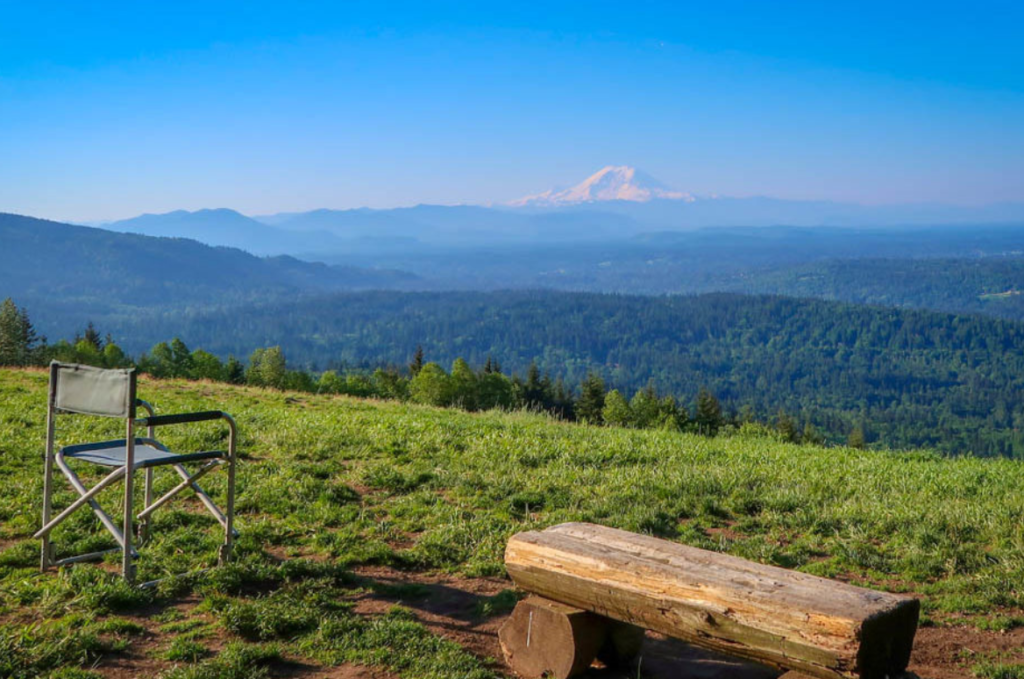
Your Quick Guide to the Best Hikes in the Issaquah Alps Just outside the energetic pulse of Seattle, the Issaquah Alps stand as a quick retreat to nature. It has some of the best hikes and peaks in the region such as Poo Poo Point, West Tiger #3, Squak Mountain, and Cougar Mountain. Whether you’re a seasoned hiker or beginner, these Issaquah Alps hikes offer a variety of experiences—from quiet forest paths to challenging climbs with breathtaking views. You’ll enjoy hiking on a network of trails shaped by the footsteps of many adventurers. Such an excellent way to connect with nature! This guide will offer you: The best ways to get to Issaquah Alps from Seattle and Bellevue Detailed descriptions of various hiking trails, including their difficulty levels and unique features Tips on the best times to visit, what to bring, and how to stay safe during your hike Recommendations for RV-friendly activities in the area How to Get to Issaquah Alps The Issaquah Alps are easily accessible from Seattle and Bellevue, two major cities in WA. Whether by car or public transit, these cities offer convenient routes to the trailheads. From Seattle to the Issaquah Alps You can get to Issaquah Alps from Seattle by car, public transport, or taxi. By Car Direct route: Take I-90 E from Seattle. Depending on your exact trailhead destination, exits 15 through 20 will lead you into different parts of the Issaquah Alps. The typical drive time is around 30 minutes in good traffic conditions. Scenic option: Opt for the Lake Sammamish Loop, starting on WA-520 E and connecting to WA-202, enjoying the scenic drive around Lake Sammamish before joining up with I-90 E near Issaquah. By Public Transit Bus: King County Metro and Sound Transit offer bus services with routes that stop in Issaquah Alps. Sound Transit Route 554 operates a bus from S Jackson St & Maynard Ave S to E Sunset Way & Rainier Blvd S every 30 minutes. It’s a 37-minute journey. King County Metro operates twice daily through the same route, and it takes about 49 minutes to reach Issaquah Alps. Whichever option you choose, be certain you’ll be dropped in the heart of Issaquah within a short distance of several trailheads. Light rail to bus: Future expansions of the Sound Transit light rail system will enhance access to the Issaquah area, making it even easier for hikers without a car. Travel Tip: For both car and transit travelers, check the latest traffic updates and transit schedules before you leave, as peak times can significantly alter travel plans. Plan for extra time on weekends and holidays, especially in good weather as these popular trails draw many visitors. By Taxi You can also take a Taxi from Seattle to Issaquah Alps. The average time is 21 minutes with an estimated price of $50-$65. Top taxi services in the region include: STITA Taxi Seattle Yellow Orange Cab From Bellevue to the Issaquah Alps Similar to Seattle, you can get to Issaquah Alps from Bellevue by car, taxi, or public transit. By Car Fastest route: Take I-90 E directly from Bellevue. With lighter traffic, you could reach the Alps in under 20 minutes. Alternative route: For a less freeway-dependent route, consider taking Bellevue Way SE to I-90. This route provides a mix of urban and interstate driving. Expert Tip: Arrive early at Issaquah Alps trailheads as parking fills up fast. By Public Transit Multiple bus lines can connect you from Bellevue to Issaquah, including: Line 271 bus which offers a direct link to the Issaquah Transit Center. It takes about 41 minutes to get to the Alps. Line 550 and Line 554 buses are other suitable options. By Taxi It takes an average of 15 minutes to get to the Issaquah Alps by taxi. Most taxi services cost $35-$45. Examples include: STITA Taxi Seattle Yellow Cab Orange Cabs Popular Peaks of the Issaquah Alps Issaquah Alps is known for its peaks that have stunning views and diverse ecosystems. These peaks also have a variety of hiking trails, making them a favorite among hikers of all levels and nature enthusiasts. Popular peaks of the Issaquah Alps include: Tiger Mountain Tiger Mountain has an elevation of 3,000 feet at the highest peak. The best trails for hiking include: Poo Poo Point Trail: A moderate 7.2 miles round trip with a steady incline, renowned for its paragliding launch pad and stunning views of Mount Rainier on clear days. West Tiger 3: A more challenging option at about 5 miles round trip with an elevation gain of 2,001 feet. It’s a popular training ground for its steep, thigh-burning sections. Tiger Mountain Trail: Spanning over 15 miles one way with an elevation of 2,360 feet, this trail is for the more dedicated hiker-thoroughly exploring the mountain’s rugged terrains. For the Sporty: The Tiger mountain offers mountain biking trails, from challenging downhill courses for experienced riders to more moderate options like the Preston Railroad Grade and Northwest Timber trails. Cougar Mountain Cougar Mountain has an elevation of 1,595 feet at its highest point. The top trails in Cougar Mountain include: Wildside Trail-De Leo Wall Loop: A 4-mile loop of moderate difficulty, featuring waterfalls and a sweeping view of Bellevue and Lake Washington. Coal Creek Falls Trail: An easier, family-friendly 2.5-mile round trip hike leading to a lovely waterfall, especially full during the wet season. Squak Mountain Squak Mountain has an elevation of 2,024 at the summit. A portion of the mountain is the 1,545-acre Squak Mountain State Park. Popular trails here include: Squak Mountain Connector Trail: It’s a 3.6-mile round trip and is an excellent option for those seeking a less crowded experience. Central Peak Trail: A steep 3.9-mile round trip that offers a workout with the reward of reaching the top, where views peek through the dense forest. Did You Know? The Squak Mountain is home to the Snoqualmie and Duwamish People. Taylor Mountain Taylor Mountain has an elevation of 2,625 feet at the highest point. Notable trails in this mountain include: Taylor Mountain Trail: A 5-mile round trip with moderate

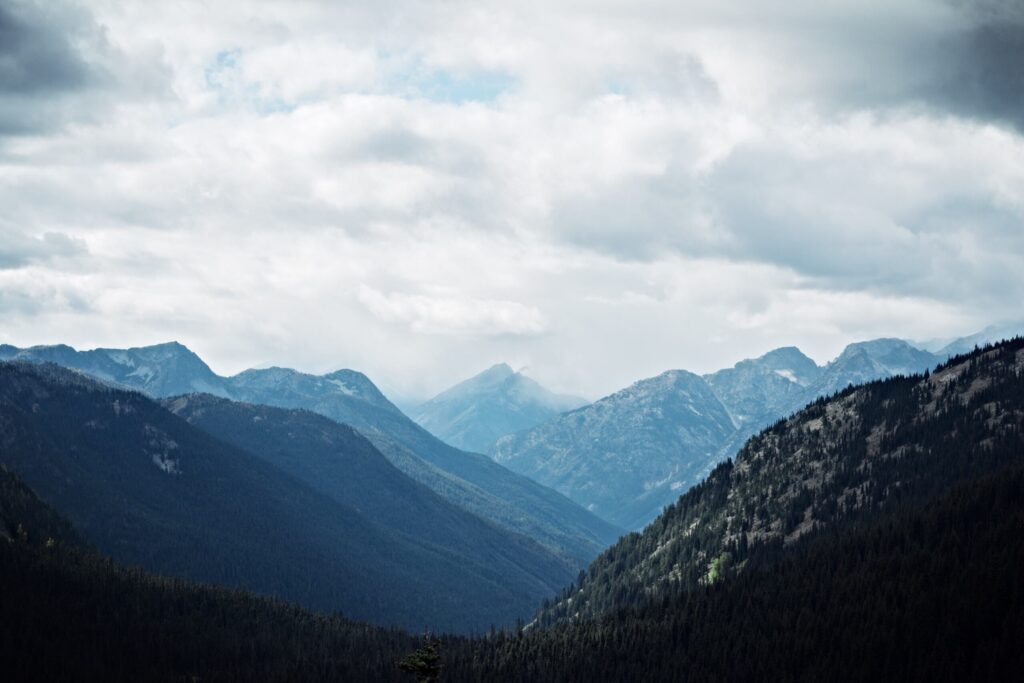
mountains under cloudy skies
Adventure, Camping, Destinations & Itineraries, RV Lifestyle & Travel

Where do the Cascade Mountains Start and End

Your Ultimate Guide to Navigating the Cascade Mountains The question “Where do the Cascade Mountains start and end?” isn’t new to those fascinated by this major mountain range. The Cascade Mountains, also known as the Cascade Range or Cascades, start at Lassen Peak in Northern California and end at Fraser River in British Columbia, Canada. The Cascades is part of the Pacific mountain system of western North America. It spans over 700 miles through the states of Washington, Oregon, and the southern part of British Columbia in Canada. This mountain range is a dynamic ecosystem offering impressive landscapes and various recreational opportunities. Whether planning a day trip to soak in the sights or looking to embark on a week-long expedition, this guide has insider tips to ensure your journey is as seamless as it is breathtaking. Let’s guide you to: The starting points of journeying the Cascades The most accessible national parks and campsites The must-see trails that promise an immersive experience Understand why renting an RV is the perfect way to experience the Cascades The Lay of the Land – Mapping the Cascade Range The Cascade Range, known for its geological diversity, starts its northward journey in Northern California at Lassen Peak (also known as Mount Lassen), which is the southernmost volcano in the chain. It then carves through the landscape, crossing Washington and Oregon states until reaching the northern point in British Columbia’s Fraser Valley. Within the Cascade Range, there are volcanoes, both active and dormant. Key among them are: Mount St. Helens, known for its 1980 eruption Mount Rainier, the tallest at over 14,000 feet These volcanoes are part of the Pacific Ring of Fire and indicate ongoing geological activity in the Cascade Range. But the Cascades are not just volcanoes. As one travels north past the Columbia River, there are non-volcanic mountains often referred to as North Cascades. These include: Mount Stuart is the second highest non-volcanic mountain in the state of Washington, after Bonanza Peak. It’s part of the Stuart Range. Mount Shuksan is known for its dramatic ridges and glaciated peaks, it is one of the most photographed mountains in the world. Eldorado Peak is known for its knife-edge ridge, offering a challenging climb and stunning views. With the transition from volcanic to non-volcanic peaks, there is a varied landscape of jagged ridges, alpine meadows, and ancient forests. This makes the range an excellent patch of natural history. Historical Fact: American explorers Meriwether Lewis and William Clark passed through the Cascade Range in 1806 during their expedition to the northwest. They journeyed through the deep Columbia River Gorge on the border of Washington and Oregon. Starting Points – Kicking off Your Cascade Adventure There are several starting points when you want to embark on a journey through the Cascades. And each of these points offers a unique window into the mountain range’s beauty. Here are a few starting points: Columbia River George is perfect if you’re going towards the southern routes. Here, the river carves a natural boundary between Oregon and Washington, providing an entryway into the heart of the Cascades with views of waterfalls and the towering Mount Hood in the distance. The Fraser Valley in British Columbia is excellent for those starting from the north. It is a gateway to alpine adventures. Here, the farmlands and valley set a backdrop of rising peaks and rugged landscapes ahead. North Cascades Highway (Highway 20), which passes through the Washington section of the range, is perfect if you want to see mountain views, lakes, and forest canopy. Interstate 5 is a great starting point if you want to go through the range in a more direct approach. While it lacks the charm of scenic routes, it compensates with efficiency and accessibility by linking major urban centers like Seattle and Portland to the mountain wilderness. National Parks and Trails – Your Access to Wilderness The Cascade Mountains offer national parks and trails for outdoor activities. Key examples are the North Cascades and Mount Rainier National Parks. North Cascades National Park is perfect for solitude-seekers and offers a variety of experiences. It is also less crowded and has trails such as: The family-friendly Trail of the Cedars and Diablo Lake paths The demanding Cascade Pass and Desolation Peak treks Mount Rainier National Park, anchoring Mount Rainier, also presents its own set of trails through ancient forests such as: The Nisqually Vista trail gives a gentle, family-friendly loop to enjoy the mountain’s beauty. The Wonderland Trail surrounds the entire base of Rainier, offering a multi-day journey through diverse ecosystems—perfect for seasoned backpackers. We also have the Pacific Crest Trail which cuts through the Cascades. It offers a linear pathway through varying landscapes. Adventure Tip: For a shorter trip, consider the Sunrise area of Mount Rainier, where trails of all difficulties offer breathtaking views of the peak and the surrounding valleys. RVs and Campsites – Home on the Move Traveling through the Cascades doesn’t mean you have to leave the comforts of home behind. With Recreational Vehicles (RVs) and equipped campsites, you can bring your home with you. The Cascade Range has RV-friendly spots where you can park and enjoy the surroundings. For example: The Alpine RV Park and Campground offer full hookups, Wi-Fi, and classic campfire rings for that authentic camping experience. The Big Fir Campground and RV Park, where the towering firs offer a protective canopy, is perfect if you want a humbling connection to nature. It has amenities such as pull-thru sites, electric hook-ups, sewer and water connections, Wi-FI, and picnic tables. You can rent an RV and journey through the Cascades. Remember to consider the logistics of permits and reservations because national parks and campgrounds can fill up quickly during peak season. The benefits of renting an RV for a journey through the Cascades include: Flexibility: An RV rental gives you the freedom to tailor your travel plans. You can decide your own stops and breaks, and even change your route on the go. Ease of use: With an

Adventure, RV, RV Lifestyle & Travel, Trailer

Ford f250 Diesel Fuel Mileage

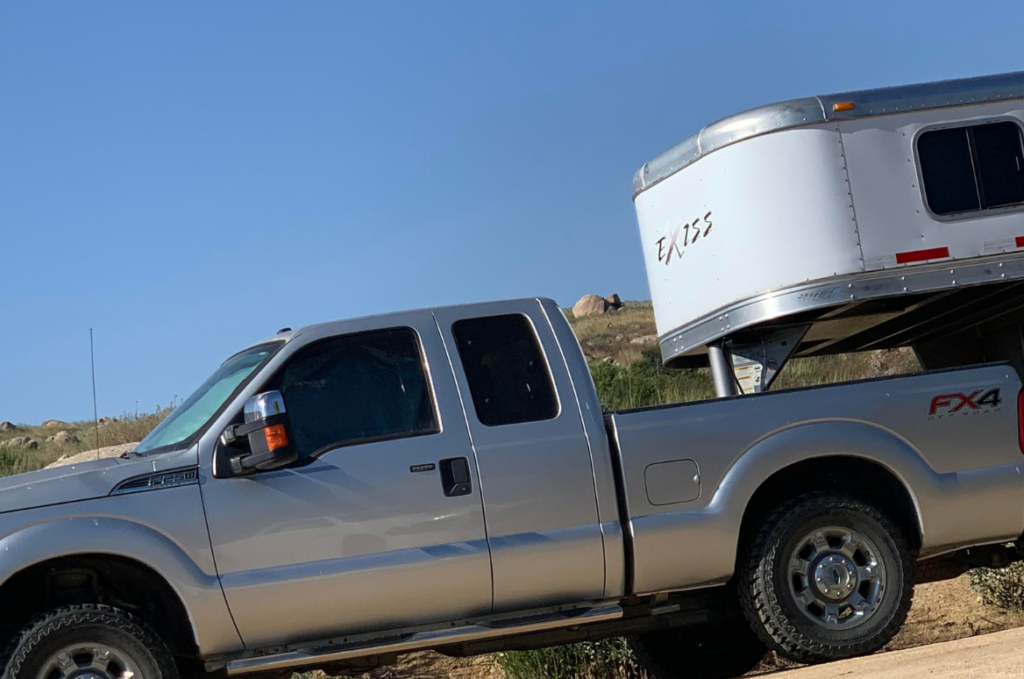
Ford f250 Diesel Fuel Mileage: Maximizing Fuel While Towing Ford F250 diesel—a name synonymous with strength, durability, and heavy-duty performance. Its powerful engine and towing capacity make it a popular choice among truck enthusiasts. But what is a Ford F250 diesel fuel mileage when towing? It typically gets 12 to 15 miles per gallon (MPG). Knowing the Ford F250 diesel fuel mileage helps you plan long trips since fuel costs can impact your travel expenses. In this guide, we provide insights on how to maximize your Ford F250 diesel when towing. We’ll also help you understand: Factors affecting Ford F250 diesel fuel efficiency including towing weight, driving habits, and maintenance practices Tips to maximize fuel efficiency such as proper maintenance and smart driving techniques What other Ford F250 owners say about its towing capacity Factors That Influence Your Towing MPG The towing MPG of the Ford F250 diesel is 12–15. Why not a definite figure? It’s due to the different variables (factors) that affect it. Factors affecting your Ford F250’s towing MPG include: Vehicle Load and Trailer Weight Picture this: You get tired more quickly if you’re carrying a heavy backpack-you have to use more energy to move around. Now, this applies to your Ford F250’s trailer weight. When your truck carries a heavy load or tows a larger trailer, it needs more energy to move; and this comes from burning diesel. So, the heavier the load and trailer, the more fuel your truck needs to use to maintain speed and steer properly. Aerodynamics and Fuel Efficiency Think of aerodynamics as the shape and design of an object that makes it move smoothly through the air. Yes—trailers don’t fly. But their shape can affect your Ford F250’s towing capability, and by extension, fuel efficiency. An aerodynamic trailer designed with a shape that cuts through the air easily (like a bird or an airplane), causes less drag when towed. This allows your F250 to move with less resistance and less fuel. A boxy trailer, on the other hand, catches more wind and will require more power and more fuel to tow. Definition: In fluid mechanics, drag (sometimes called air resistance or fluid resistance) refers to forces that oppose the relative motion of an object through a fluid (a liquid or a gas) Driving Style’s Effect on Fuel Usage How you drive can also affect your fuel mileage. Aggressive driving, characterized by rapid acceleration and maintaining high speeds, will lead to higher fuel consumption. A smoother, steadier driving approach is more economical, helping you conserve diesel. Terrain Challenges and Fuel Consumption The type of terrain you drive over influences fuel efficiency. For example, your Ford F250 works harder on steep inclines and high altitudes, increasing fuel use. Flat terrain, on the other hand, allows you to drive at a consistent speed with minimal gear changes which lowers fuel consumption. Did You Know? Descending a hill can consume more fuel if your vehicle is not in the correct gear So, always ensure it’s in the right gear when going downhill to optimize fuel efficiency. Road conditions and weather also affect fuel consumption. For instance, smooth, well-maintained roads allow for better fuel efficiency since your vehicle maintains a steady speed with less resistance. In contrast, rough or uneven roads increase the resistance against the vehicle, leading to higher fuel consumption. Cold weather can increase fuel consumption as the engine takes longer to reach its most efficient temperature. Also, a headwind increases drag on the vehicle, while a tailwind reduces it. Maintenance and Fuel Economy Regular vehicle maintenance impacts the towing MPG. For example, improperly inflated tires increase rolling resistance which leads to higher fuel consumption and lower towing MPG. But a tire inflated to the vehicle’s standards has lower resistance and lower fuel consumption. A well-maintained vehicle has a better towing MPG than a poorly maintained one. Enhancing Your Ford F250 Towing MPG Now that you know the factors that affect your Ford F250’s towing MPG, how do you improve its performance? Streamline your trailer. Aerodynamic modifications and proper cargo placement can significantly reduce drag. Plan your route using navigation apps to avoid heavy traffic and hilly terrain to keep your MPG in check. Use cruise control to maintain a constant speed, which is more fuel-efficient than fluctuating speeds. Consider the weight of your tow load; extra, unnecessary weight can sap fuel, so pack only what you need. Use performance upgrades such as a diesel tuner to fine-tune your engine’s output, leading to more efficient towing power. Consult with a towing specialist to get personalized advice and specific improvements for your vehicle and towing habits. Beyond these strategies, regular maintenance plays a crucial role, not only in your Ford F250’s towing MPG towing capabilities but also in its overall performance and longevity. Here’s how: Tire inflation: Tires that are not properly inflated increase rolling resistance, leading to increased fuel consumption. Regularly checking and maintaining the correct tire pressure ensures better fuel efficiency. Oil changes: Engine oil lubricates the engine’s moving parts, reducing friction and heat. With time, the oil can degrade and lose effectiveness, leading to increased friction, heat, and fuel consumption. Regular oil changes ensure the engine operates efficiently, reducing fuel consumption. Air filters: A clogged air filter can restrict airflow to the engine, causing it to work harder and consume more fuel. Routinely replacing the air filter can ensure optimal airflow and fuel efficiency. Spark plugs: Worn or dirty spark plugs can cause the engine to misfire, wasting fuel. Timely checking and replacing spark plugs can ensure the engine runs smoothly and efficiently. Towing Mileage vs. Non-Towing Mileage When it comes to maximizing the efficiency of your Ford F250 Diesel, understanding the difference between towing mileage and non-towing mileage is important. Let’s explain. Towing mileage is the fuel efficiency of your Ford F250 Diesel when pulling a load such as a trailer. Non-towing mileage, on the other hand, is its fuel efficiency during regular driving without any additional load. Non-towing mileage is typically higher than towing mileage because the engine doesn’t have

Adventure

RV Water Heater Works on Propane but not Electric

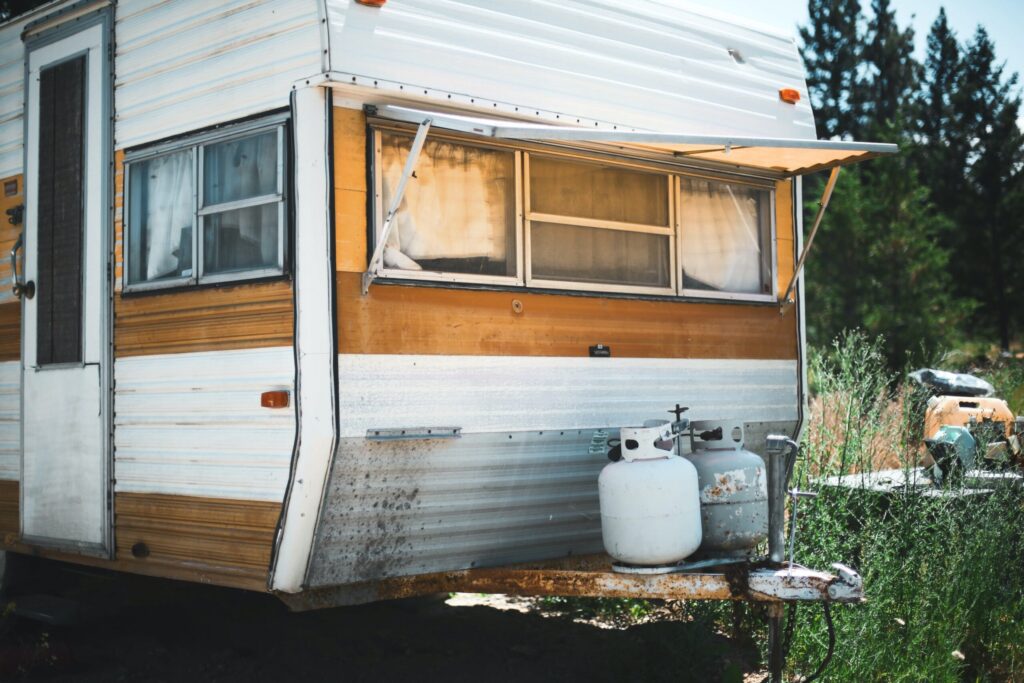
RV Water Heater Works on Propane but not Electric : Troubleshooting Your RV Water Heater Is your RV’s water heater working with propane but not electricity? Check the power source, heating element, and thermostat if the propane heats but the electricity doesn’t. It’s a typical problem that can cause distress in your cozy camping plans. But sometimes a simple adjustment or part replacement is what’s needed. This guide will help you understand: Understanding Your RV Water Heater An RV water heater is similar to a home water heater system but is smaller and can operate on either propane or electricity. It has the following key components that work together to heat water: If any element malfunctions the RV water heater system may fail to work properly. Depending on the damaged component, you may find that one heating mode is working while the other is not. For instance, it is common to find the propane mode working perfectly, while the electric fails. Common Causes and Fixes for Electric Setting Failures The electric mode of your RV water heater may fail due to any of the following failures: Electric Element Failure This is a condition where the heating element cannot generate energy to heat your water due to blowing out. Cause: The heating element can burn out due to age, sediment buildup, or prolonged operation without water in the tank. How to diagnose: To diagnose a faulty element, use a multimeter to check for continuity. Follow these two simple steps: A lack of continuity indicates a bad element. Fix: To replace the element: Safety Tip: Always refer to your RV’s manual for specifications on the correct element and follow safety protocols throughout the process. Tripped Circuit Breaker or Blown Fuse Cause: A surge of electricity or an overloaded circuit typically causes a breaker to trip or a fuse to blow. How to diagnose: Check your RV’s circuit panel for tripped breakers or blown fuses. A breaker that has moved to the ‘off‘ position or a fuse that shows a broken wire inside or discoloration indicates an issue. Fix: Reset the breaker by flipping it fully to the ‘off’ position and then back to ‘on’. Replace a blown fuse with a new one of the same amperage. If the breaker trips or the fuse blows again, you may have an underlying electrical problem that requires professional attention. Thermostat Issues Cause: Thermostats can fail due to wiring issues, a malfunctioning heat sensor, or wear and tear. How to diagnose: To test the thermostat, use a multimeter set to the resistance setting. Then use these three steps in your diagnostics: No reading means the thermostat is faulty. Fix: If the thermostat has a reset button, try pressing it. If not or the reset doesn’t resolve the issue, you’ll need to replace the thermostat. Make sure to install the correct model specific to your water heater. Faulty Electrical Connections and Switches Cause: Over time, vibration during travel can loosen connections, and switches may corrode or wear out, causing a loss of power to the water heater. How to diagnose: Inspect all wiring connections to the water heater for signs of corrosion, wear, or looseness. Also, test switches for continuity with a multimeter to ensure they are functioning properly. No continuity means your switches are damaged. Fix: Tighten loose connections and clean any corrosion with a wire brush. Replace any switches that no longer show continuity, ensuring that the new switches match the original specifications for your RV water heater. Contact a professional if you’re not confident performing these diagnostics and repairs. Working with RV electrical systems requires CAUTION and respect for the power involved. Safety Precautions When Troubleshooting RV Water Heater Problems When fixing your RV electric water heater accidents can occur. Some of them include: These accidents can be minor causing small body injuries and equipment damage or fatal causing total harm. Well, some accidents can never be avoided but others can be avoided as they occur due to negligence. Either way, the risks can be managed through the necessary measures. To avoid or reduce the risk of accidents when troubleshooting your RV water heater, observe the following safety precautions: Electrical Safety Disconnect your RV from any external power sources before you start any diagnostics. This isn’t a gentle suggestion—it’s a non-negotiable step to prevent the risk of shock or worse. Turn off the main breaker in your RV’s electrical panel and unplug from the shore power. If your water heater has a switch, ensure it’s in the ‘off’ position. Propane Safety Like RV’s electrical system, take the propane system seriously. Ensure the propane supply is entirely shut off at the tank before you start your troubleshooting procedures. More than preventing fires or explosions, this step prevents propane inhalation, which can be dangerous. Personal Safety Gear Don’t be stingy on personal protective gear. Use safety glasses to protect your eyes from debris or unexpected sparks. Wear a pair of gloves to shield you against sharp edges and potential electric shocks. Best Practices for Preventing Future Issues Electric water heater failures can be expensive in terms of repair costs or cozy time you would otherwise spend enjoying camping. Also, they put you at risk of accidents while trying to fix them. It is not something any RV enthusiast would love to endure twice while enjoying their camping. So how do you avoid future issues with your RV electric water heater? Well, make sure to observe: Regular Maintenance Checks Mark your calendar for regular maintenance check-ups on your RV water heater. It’s not just about responding to problems, it’s about preventing them. Make a habit of inspecting your water heater’s electrical and gas components periodically. Look for any signs of wear, corrosion, or damage. This routine vigilance can catch small issues before they become trip-ruining problems. Proper Switching Technique Always ensure one power source is completely off before switching to the other. This avoids the potential for a power surge or conflict that could damage your water heater’s delicate systems. Annual Professional Inspections Even the most diligent RV owner can miss things. That’s why