Camping

Adventure, Camping, Destinations & Itineraries, RV Lifestyle & Travel

Sunset Beach Seattle

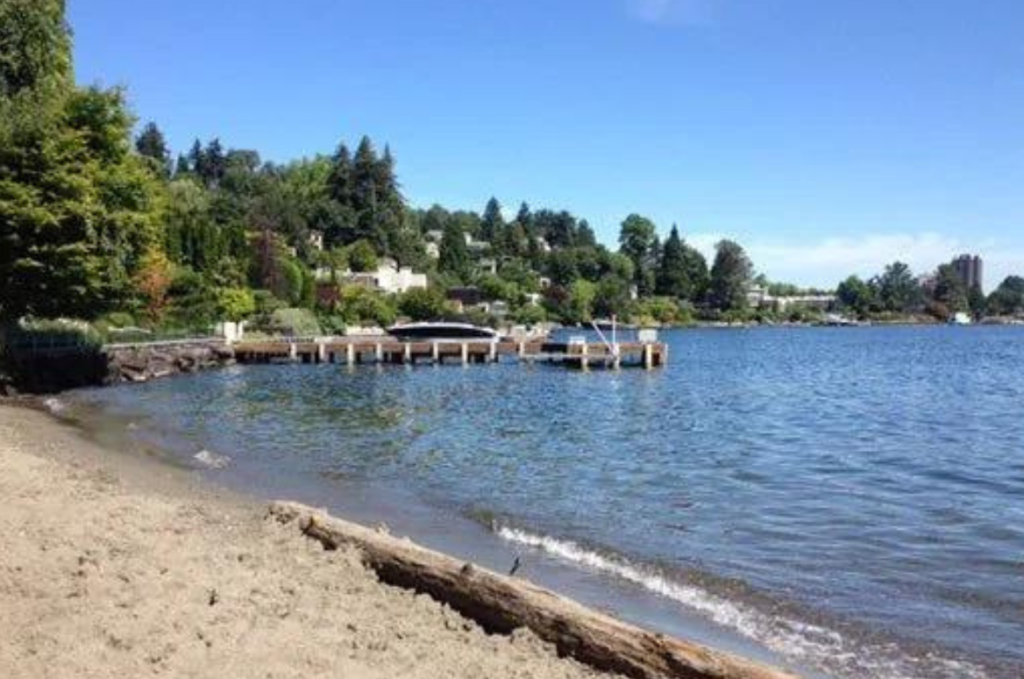
Sunset Beach Seattle: A Quick Guide to Seattle’s Best Beachside Views Seattle’s beaches are a prime spot for watching the sunset. The mix of urban skyline and natural landscapes makes for a memorable end-of-day experience. Some of the best beachside views in Seattle are Alki Beach, Carkeek Park, and Golden Gardens Park. As a family or couple RV traveler these locations will offer you some of the most scenic beachside views. Here you will enjoy beautiful sunsets that invite you to watch, reflect, and take a breath as another day concludes. In this guide you will find: Top Seattle Beaches for Sunset Views and How to Reach Them There’s nothing quite like watching a vibrant Seattle sunset over the water. These top beaches provide not only breathtaking views but also unique experiences to make your evening unforgettable. Alki Beach, West Seattle Alki Beach boasts not only natural beauty but also a rich history. Known as the birthplace of Seattle, this beach marks the spot where the Denny Party, the city’s first settlers, landed in 1851. Location and Ambiance Alki Beach stretches along the northern shoreline of the West Seattle peninsula, offering a long expanse of beach that provides panoramic views of the Puget Sound and the Olympic Mountains. Directions for RV Travelers To get to Alki Beach from downtown Seattle: Parking Availability Alki Beach has several parking lots along Harbor Ave SW, which include: Although there are no specific RV parking fees, spaces can be limited for larger vehicles during peak times. It’s advisable to arrive early, especially during summer evenings. Golden Gardens Park, Ballard Golden Gardens Park is renowned for its rugged natural beauty and the striking sunsets that illuminate the sky above the Olympic Mountains. The park’s sandy shores, framed by tall grasses and driftwood, create a more secluded atmosphere perfect for a serene sunset experience. RV-friendly Driving Direction To access Golden Gardens Park in an RV, head north on Interstate 5, take exit 172 for N 85th St toward Aurora Ave N, and follow the signs for Golden Gardens Park, which will lead you to Seaview Ave NW. Parking Situation The park offers ample parking, including a large lot that can accommodate RVs. Parking is free, but like Alki Beach, lots can fill quickly on clear days. Nearby Transit Stops For public transportation, Metro’s Route 45 and the RapidRide D Line drop passengers within walking distance of Golden Gardens Park, making it accessible if you’ve set up your RV at a distance. Carkeek Park, Northwest Seattle Carkeek Park’s pebble-strewn beach fronts the Puget Sound and offers a beautiful spot for sunset views, with the added interest of trains that occasionally pass by. Access Routes for RVs To reach Carkeek Park, RV drivers should use NW 85th St if coming from the south or NE 145th St if arriving from the north, both of which connect to 3rd Ave NW that leads to the park. These roads are well-maintained and suitable for larger vehicles. Parking Information for Large Vehicles Carkeek Park has a dedicated parking area with spots large enough for RVs. The park’s parking is also free, but note that the main lot is a short walk from the beach itself. Public Transportation Options Seattle’s public transportation can get visitors near Carkeek Park. Bus routes 40 and 345/346 stop at NW Carkeek Park Rd and NW 103rd Pl, a short hike from the beach. These routes connect to various transit hubs suitable for those staying at RV parks within the city limits. Timing Your Best Sunset Experience While Seattle sunsets are beautiful year-round, there are specific times and seasons when the skies truly come alive with color. Consider the following when timing your sunset experience at Seattle beaches: Best Time of Year and Day for Sunset Viewing While sunsets are a daily occurrence, the most vibrant hues are often observed during the transition from spring to summer and summer into fall. This is when the skies are clearer, and the sun’s angle makes the horizon more amazing. As for the time of day, sunset times vary throughout the year. However, they typically occur between 4:00 PM in the winter months to as late as 9:00 PM during the peak of summer. Sunset Timetable Variation In Seattle, the longest days are around the summer solstice in late June, while the shortest days occur during the winter solstice in late December. A general rule of thumb for catching the sunset is to check local weather services or sunset calendars. provide the exact time the sun will dip below the horizon on any given day. Arriving Early for Pre-Sunset Activities To make the most of your beach visit, consider arriving at least an hour or two before the scheduled sunset. This extra time allows you to: Capturing the Moment: Photography Tips To capture the best sunset moments on camera, you need to know the “Golden Hour” and the best spots for sunset photography at the beach. What Is the ‘Golden Hour’ The ‘Golden Hour’ is the brief period just after sunrise or before sunset. It casts a warm, soft light that photographers crave for its ability to enhance landscapes with a natural, diffused glow. This time is ideal for capturing the Seattle beaches as the sun’s lower position in the sky produces longer shadows and highlights the texture of the sand and waves, giving depth to your photos. Best Spots for Sunset Photography at Each Beach To capture the best sunset photographs for the beach, the following are the ideal spots: Making the Most of Your Sunset Beach Visit Beyond the views, a Seattle sunset beach visit offers so much more. Here are some ideas to make the most of your time: Picnicking and Dining Options Nothing complements a sunset better than a delightful meal. Each of Seattle’s beaches offers lovely spots for spreading out a blanket and enjoying a family picnic as follows: Beach Activities and Entertainment Before the sun begins its descent, each beach boasts a host of activities to keep the family engaged. Beach activities at the Alki Beach include: Beach activities at the Golden Gardens Park include: Beach activities at the Carkeek
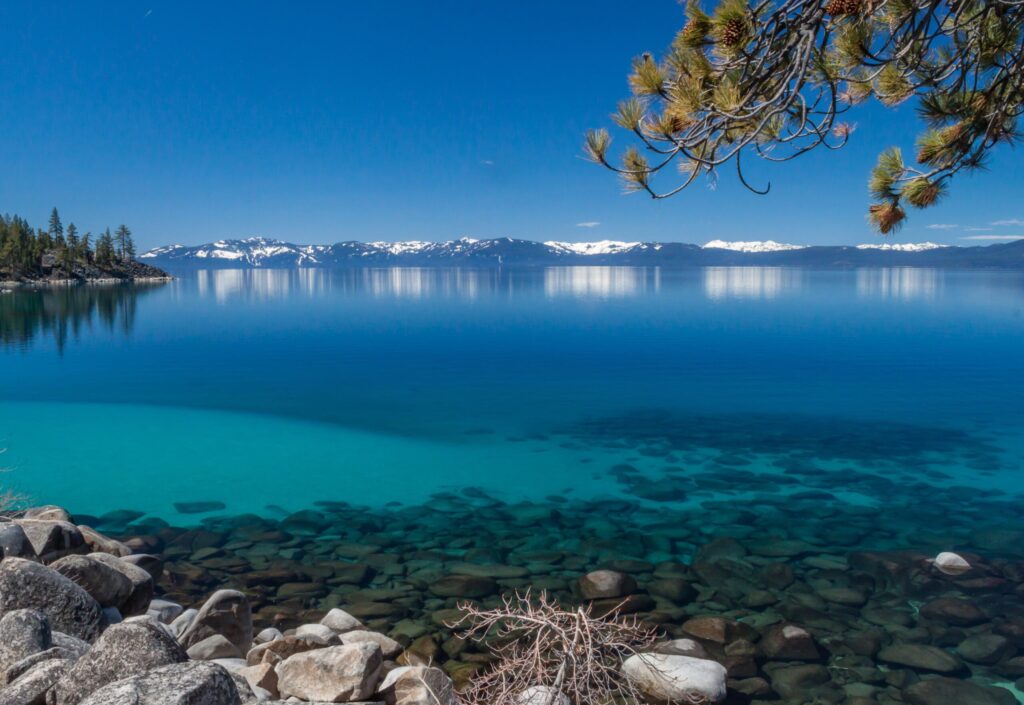
A photo of a lake with clear waters
Adventure, Campgrounds, Camping, Destinations & Itineraries, RV Lifestyle & Travel

The Alpine Gem: Embracing Lake Tahoe’s Majestic Allure

The Alpine Gem: Embracing Lake Tahoe’s Majestic Allure Lake Tahoe is a natural wonder set among the peaks of the Sierra Nevada. Its waters are famously clear, giving visitors a chance to enjoy views both above and below the surface. Whether you are boating, hiking, relaxing with family, or planning an RV getaway, Lake Tahoe offers a mix of beauty, adventure, and calm that keeps people coming back. What makes Lake Tahoe stand out: Clear blue water and mountain views Access to outdoor activities in every season A location that spans both California and Nevada Family-friendly attractions and scenic campgrounds Great routes and destinations for RV travelers Lake Tahoe is more than a beautiful destination. It is a place where road trips, outdoor adventure, and lasting memories come together. Lake Tahoe’s Broad Appeal Lake Tahoe attracts visitors from all over the world. People come for the clear water, the alpine setting, and the range of things to do throughout the year. From quiet shoreline walks to full outdoor adventure, Tahoe appeals to couples, families, solo travelers, and RV vacationers alike. The setting is part of what makes the experience stand out. The lake is framed by mountain peaks, forested slopes, and scenic shorelines that change with the seasons. No matter when you visit, Tahoe offers a fresh perspective. Lake Tahoe: A Geographic Marvel Lake Tahoe sits high in the Sierra Nevada mountain range along the border of California and Nevada. Its location makes it a favorite for travelers looking for both relaxation and adventure. It is one of the largest lakes in the United States by volume, and at more than 1,600 feet deep, it is the second deepest lake in the country. The surrounding region adds even more appeal. Visitors to Tahoe are also within reach of other natural landmarks across Northern California and the Sierra region, making it a strong base for extended travel and RV exploration. Charting the Course: Journey to Lake Tahoe Lake Tahoe is accessible by both car and air, with the final leg of the trip completed by road. The drive into Tahoe is part of the experience, with mountain views and changing landscapes along the way. Driving Directions From Major Cities San Francisco: About 3.5 hours via I-80 E and US-50 E Las Vegas: About 8 hours via US-95 N and US-50 W Los Angeles: About 8 hours via I-5 N and CA-99 N Air Travel and Ground Transportation Reno-Tahoe International Airport (RNO): About 45 minutes from North Lake Tahoe Sacramento International Airport (SMF): About 2 hours from Lake Tahoe From either airport, travelers can rent a car or use shuttle services to reach the lake. Tips for an RV-Friendly Route Choose routes with wider grades when possible Check road conditions before departure, especially in winter Watch for chain requirements and seasonal restrictions Use RV parks and campgrounds along the way for overnight stops and local road updates The Lure of Tahoe’s Waters: Why It’s a Must-Visit Destination Lake Tahoe is not only beautiful, it is also packed with activities for travelers of all ages and interests. Popular Summer Activities Boating Kayaking Paddleboarding Hiking Biking Beach days with the family Winter Activities Skiing Snowboarding Snowshoeing Year-Round Activities Fishing Scenic drives Family beach outings Lakeside dining Nature walks Whether you want a peaceful trip or an active vacation, Tahoe gives you both options. Timing Your Tahoe Getaway: Seasons of Splendor The best time to visit Lake Tahoe depends on what kind of trip you want. Summer, from June through August, is ideal for water activities, hiking, and beach time. Warm days and cool evenings make it a great season for campfires, family outings, and RV stays. Winter, from November through April, is best for snow sports. January and February often bring the best snow conditions for skiing and snowboarding. Spring and fall offer a quieter experience. These shoulder seasons usually bring lighter crowds, easier campground access, and a slower pace that many RV travelers enjoy. Seasonal Highlights Summer: Warm weather, clear skies, hiking, beach days, paddleboarding Fall: Crisp air, colorful foliage, quieter trails Winter: Snow-covered scenery, ski resorts, snowshoeing Spring: Wildflowers, waterfalls, milder weather, fewer crowds Tahoe Through the Seasons: A Guide to the Ideal Experience Lake Tahoe delivers something different in every season. Summer Relax on sandy beaches Swim or paddleboard in clear water Hike and bike scenic trails Enjoy meals at lakeside restaurants Fall Hike among changing leaves Enjoy quieter fishing spots Take in cooler temperatures and fewer crowds Winter Ski or snowboard at top resorts Explore snowy trails on snowshoes Return to your RV for a warm and comfortable evening Spring See wildflowers begin to bloom Enjoy less crowded trails Experience the lake in a quieter, more relaxed season Embracing Tahoe With the Family: Activities for All Ages Lake Tahoe offers plenty for families traveling with children of all ages. Family-Friendly Activities Beaches with shallow areas for play Adventure parks with ropes courses and zip lines Mini-golf and arcades Scenic picnic areas Nature walks and educational programs Educational Stops for Kids Guided nature walks Junior Ranger programs Taylor Creek Visitor Center Tallac Historic Site These attractions make Tahoe a strong destination for families who want both fun and learning built into the trip. The RV Traveler’s Companion: Exploring Lake Tahoe on Wheels Lake Tahoe is a great destination for RV travel. An RV gives you the freedom to explore at your own pace while keeping the comfort of home close by. NW Adventure Rentals gives travelers a practical way to enjoy the region with a well-equipped RV built for comfort and flexibility. Best RV Parks and Campgrounds Around Lake Tahoe Camp Richardson, with full hook-up sites, bike trail access, a marina, and a general store Zephyr Cove RV Park & Campground, with a quieter forest setting near the lake Tips for RV Vacationing Families Reserve campgrounds early, especially during peak season Look for sites with family-friendly amenities Check road and size restrictions before you go Pack for changing weather, including

Adventure, Camping, Camping in Washington State, Destinations & Itineraries, RV Lifestyle & Travel, Washington

Is Leavenworth WA Worth Visiting

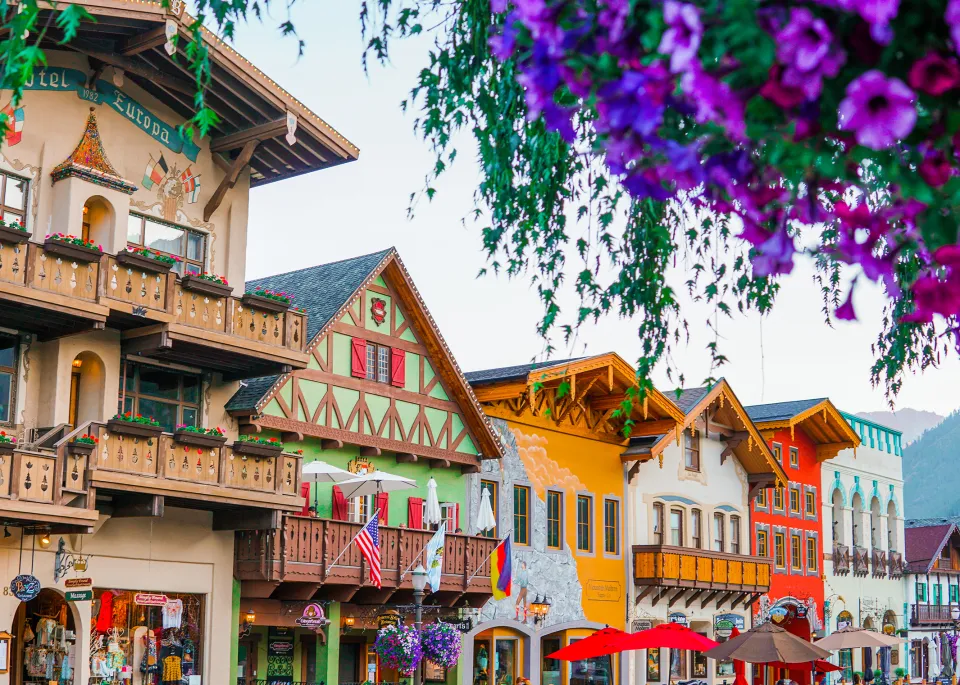
Is Leavenworth WA worth visiting? Yes, here’s why Leavenworth, WA, is where Bavaria thrives against the backdrop of the Cascades. And if you’re wondering “Is Leavenworth WA worth visiting?” The short answer is YES. Leavenworth brings together the allure of cultural festivities with the call of the outdoors—a perfect getaway for families to create memories surrounded by an impressive natural environment. But that’s not all. Leavenworth, WA offers more than just adventure. In this article, we highlight all valid reasons why this Bavarian-styled village town is a must-visit. You’ll also learn: How to get there and the time of the year to visit RV-friendly activities for families visiting Leavenworth Insider tips on RV accommodations and available parks Where to rent fully furnished modern RVs when visiting Leavenworth  Getting to Leavenworth You can get to Leavenworth from Seattle or Spokane. These towns are close to Leavenworth and serve as perfect starting points. From Seattle to Leavenworth Starting your journey from Seattle, Leavenworth is a 2-hour drive away. Get to I-90 E and enjoy the ever-changing landscape as urban views give way to the rugged wilderness of the Cascade Range. As you approach Cle Elum, transition onto Highway 970 and link up with Highway 2. This stretch, known as the Cascade Loop, offers stunning views of snow-capped mountains and lush valleys, perfectly setting the scene for your Bavarian adventure in Leavenworth. From Spokane to Leavenworth If Spokane is your starting point, you’re looking at a drive of around 4 hours to reach Leavenworth. Take the I-90 W until you reach Wenatchee, then get onto Highway 2 for the final stretch of the journey. This route is along the Columbia River, showing off the different landscapes of Eastern Washington before reaching Leavenworth, the alpine heartland. RV Road-Tripping to Leavenworth Traveling to Leavenworth by RV offers an added layer of freedom and comfort. But remember, mountain passes can be daunting for larger vehicles. Stevens Pass on Highway 2 is a popular route with RVers, with plenty of spots to stop and enjoy the views and grab photos. Driving Tips for Mountain Roads Regardless of the season, mountain driving requires caution and preparation. Here are some tips to ensure a safe trip to Leavenworth: Check your vehicle: Ensure your vehicle is in good condition, with all fluids topped up and tires properly inflated. Reduce speed: Mountain roads often have tight turns and steep grades. Reduce your speed and maintain a safe distance from the vehicle ahead. Stay Informed: Always check the latest road conditions and potential closures through the Washington State Department of Transportation travel center map before you leave. Be Prepared: Carry an emergency kit with food, water, warm clothing, and safety gear, especially during winter months.  Why Leavenworth Is a Must-Visit Leavenworth is a must-visit. And we have all the good reasons such as: It’s a slice of Bavaria in the Pacific Northwest At first glance, Leavenworth is a quaint American town, but look again and you’ll find yourself transported to a Bavarian village, right in the heart of Washington State. This transformation isn’t just skin deep. Leavenworth’s alpine-style buildings, complete with murals and ornate balconies, align naturally with an array of cultural festivities that echo the charm and cheer of a German township. It Has Festivals That Feed the Soul, All-Year Round Leavenworth’s calendar is dotted with signature festivals that draw visitors from all over. These events show the town’s commitment to celebrating its Bavarian roots as well as other cultures it represents. Key signature festivals include: Oktoberfest: Spanning three weekends in October, Leavenworth’s Oktoberfest is a vibrant celebration. It has beer gardens featuring music from Bavaria, the USA, and local bands, along with traditional dancing, food, and, of course, a variety of beers. Christmastown: From November 29th to December 24th, the town transforms into a winter wonderland. It features over half a million lights, festive entertainment, roasted chestnuts, holiday characters, and activities for all ages. Winter Karneval: Honoring a German tradition dating back to the 13th century, Leavenworth’s Winter Karneval in January is a spectacle of lights and snow, offering a unique experience of the Bavarian Fasching celebration. Maifest: With events every weekend in May, Maifest celebrates the arrival of spring with wildflowers, apple and pear blossoms, and a host of springtime festivities. An Outdoor Enthusiast’s Playground Beyond its cultural mimicry, Leavenworth is a center of outdoor adventures due to its accessible river rafting, fishing spots, and hiking trails. Also, the surrounding Wenatchee National Forest serves as a playground for nature lovers. It offers opportunities to mountain bike, rock climb, and in winter, ski or snowboard on powdery slopes. Shopping and Dining With Authentic Flair Stroll through the downtown area, and you’ll stumble upon several shops selling everything from handcrafted goods to imported cuckoo clocks. It has seasonal markets. The Leavenworth Farmer’s Market runs from June to October, offering a platform for local artisans and farmers to share their produce and crafts with the community. It’s not left out when it comes to food. The smell of freshly baked pretzels and savory scents of schnitzel and sauerkraut from local eateries is something you’ll enjoy. Cafés and beer gardens offer a warm welcome, inviting guests to savor authentic Bavarian cuisine paired with regional brews. It’s Celebrates Cultures Through Arts and Music Leavenworth doesn’t just stop at German traditions; it embraces a fusion of cultures through its arts and music. It hosts events like the Leavenworth International Alphorn Festival and the Leavenworth International Accordion Celebration, showcasing both local and international talent. From May to October, locals and visitors can enjoy an outdoor showcase of art, reflecting the town’s creative spirit.  Best Time of Year to Visit Leavenworth Leavenworth, WA, is a year-round destination with each season offering unique experiences. But, the journey and experience in this Bavarian-themed village can vary depending on the time of year. Autumn’s Festive Tapestry Autumn in Leavenworth is a colorful sight, with the trees turning beautiful shades of red, orange, and yellow. Driving from Seattle or Spokane during fall is amazing as you see all the changing leaves. The weather is usually mild, making it

Adventure, Camping, Destinations & Itineraries, RV Lifestyle & Travel

Issaquah Alps Hikes

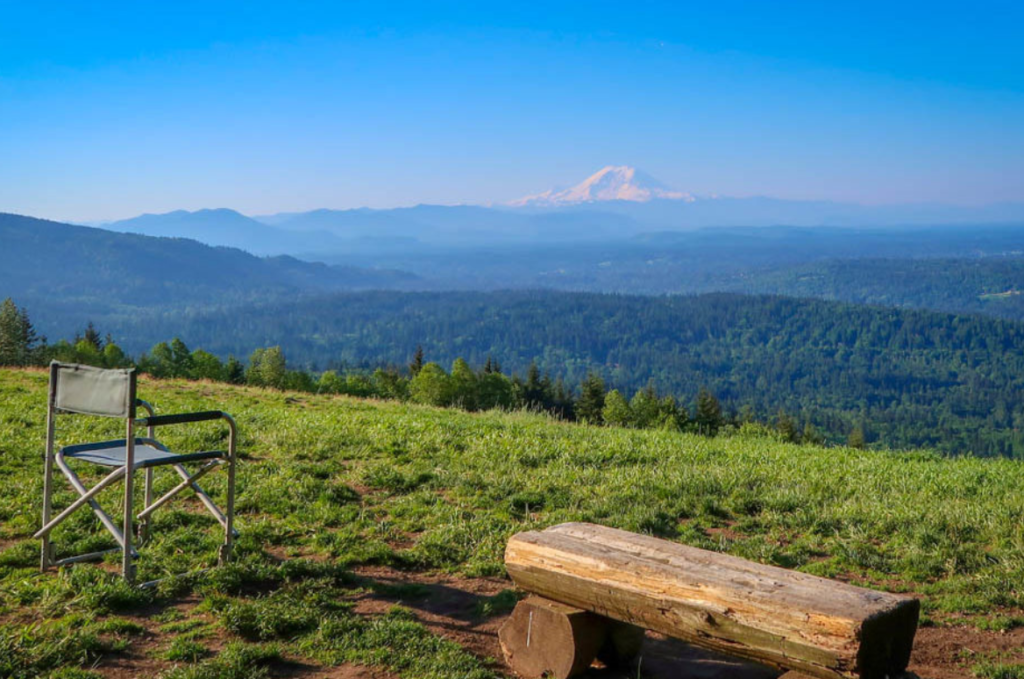
Your Quick Guide to the Best Hikes in the Issaquah Alps Just outside the energetic pulse of Seattle, the Issaquah Alps stand as a quick retreat to nature. It has some of the best hikes and peaks in the region such as Poo Poo Point, West Tiger #3, Squak Mountain, and Cougar Mountain. Whether you’re a seasoned hiker or beginner, these Issaquah Alps hikes offer a variety of experiences—from quiet forest paths to challenging climbs with breathtaking views. You’ll enjoy hiking on a network of trails shaped by the footsteps of many adventurers. Such an excellent way to connect with nature! This guide will offer you: The best ways to get to Issaquah Alps from Seattle and Bellevue Detailed descriptions of various hiking trails, including their difficulty levels and unique features Tips on the best times to visit, what to bring, and how to stay safe during your hike Recommendations for RV-friendly activities in the area How to Get to Issaquah Alps The Issaquah Alps are easily accessible from Seattle and Bellevue, two major cities in WA. Whether by car or public transit, these cities offer convenient routes to the trailheads. From Seattle to the Issaquah Alps You can get to Issaquah Alps from Seattle by car, public transport, or taxi. By Car Direct route: Take I-90 E from Seattle. Depending on your exact trailhead destination, exits 15 through 20 will lead you into different parts of the Issaquah Alps. The typical drive time is around 30 minutes in good traffic conditions. Scenic option: Opt for the Lake Sammamish Loop, starting on WA-520 E and connecting to WA-202, enjoying the scenic drive around Lake Sammamish before joining up with I-90 E near Issaquah. By Public Transit Bus: King County Metro and Sound Transit offer bus services with routes that stop in Issaquah Alps. Sound Transit Route 554 operates a bus from S Jackson St & Maynard Ave S to E Sunset Way & Rainier Blvd S every 30 minutes. It’s a 37-minute journey. King County Metro operates twice daily through the same route, and it takes about 49 minutes to reach Issaquah Alps. Whichever option you choose, be certain you’ll be dropped in the heart of Issaquah within a short distance of several trailheads. Light rail to bus: Future expansions of the Sound Transit light rail system will enhance access to the Issaquah area, making it even easier for hikers without a car. Travel Tip: For both car and transit travelers, check the latest traffic updates and transit schedules before you leave, as peak times can significantly alter travel plans. Plan for extra time on weekends and holidays, especially in good weather as these popular trails draw many visitors. By Taxi You can also take a Taxi from Seattle to Issaquah Alps. The average time is 21 minutes with an estimated price of $50-$65. Top taxi services in the region include: STITA Taxi Seattle Yellow Orange Cab From Bellevue to the Issaquah Alps Similar to Seattle, you can get to Issaquah Alps from Bellevue by car, taxi, or public transit. By Car Fastest route: Take I-90 E directly from Bellevue. With lighter traffic, you could reach the Alps in under 20 minutes. Alternative route: For a less freeway-dependent route, consider taking Bellevue Way SE to I-90. This route provides a mix of urban and interstate driving. Expert Tip: Arrive early at Issaquah Alps trailheads as parking fills up fast. By Public Transit Multiple bus lines can connect you from Bellevue to Issaquah, including: Line 271 bus which offers a direct link to the Issaquah Transit Center. It takes about 41 minutes to get to the Alps. Line 550 and Line 554 buses are other suitable options. By Taxi It takes an average of 15 minutes to get to the Issaquah Alps by taxi. Most taxi services cost $35-$45. Examples include: STITA Taxi Seattle Yellow Cab Orange Cabs Popular Peaks of the Issaquah Alps Issaquah Alps is known for its peaks that have stunning views and diverse ecosystems. These peaks also have a variety of hiking trails, making them a favorite among hikers of all levels and nature enthusiasts. Popular peaks of the Issaquah Alps include: Tiger Mountain Tiger Mountain has an elevation of 3,000 feet at the highest peak. The best trails for hiking include: Poo Poo Point Trail: A moderate 7.2 miles round trip with a steady incline, renowned for its paragliding launch pad and stunning views of Mount Rainier on clear days. West Tiger 3: A more challenging option at about 5 miles round trip with an elevation gain of 2,001 feet. It’s a popular training ground for its steep, thigh-burning sections. Tiger Mountain Trail: Spanning over 15 miles one way with an elevation of 2,360 feet, this trail is for the more dedicated hiker-thoroughly exploring the mountain’s rugged terrains. For the Sporty: The Tiger mountain offers mountain biking trails, from challenging downhill courses for experienced riders to more moderate options like the Preston Railroad Grade and Northwest Timber trails. Cougar Mountain Cougar Mountain has an elevation of 1,595 feet at its highest point. The top trails in Cougar Mountain include: Wildside Trail-De Leo Wall Loop: A 4-mile loop of moderate difficulty, featuring waterfalls and a sweeping view of Bellevue and Lake Washington. Coal Creek Falls Trail: An easier, family-friendly 2.5-mile round trip hike leading to a lovely waterfall, especially full during the wet season. Squak Mountain Squak Mountain has an elevation of 2,024 at the summit. A portion of the mountain is the 1,545-acre Squak Mountain State Park. Popular trails here include: Squak Mountain Connector Trail: It’s a 3.6-mile round trip and is an excellent option for those seeking a less crowded experience. Central Peak Trail: A steep 3.9-mile round trip that offers a workout with the reward of reaching the top, where views peek through the dense forest. Did You Know? The Squak Mountain is home to the Snoqualmie and Duwamish People. Taylor Mountain Taylor Mountain has an elevation of 2,625 feet at the highest point. Notable trails in this mountain include: Taylor Mountain Trail: A 5-mile round trip with moderate

mountains under cloudy skies
Adventure, Camping, Destinations & Itineraries, RV Lifestyle & Travel

Where do the Cascade Mountains Start and End

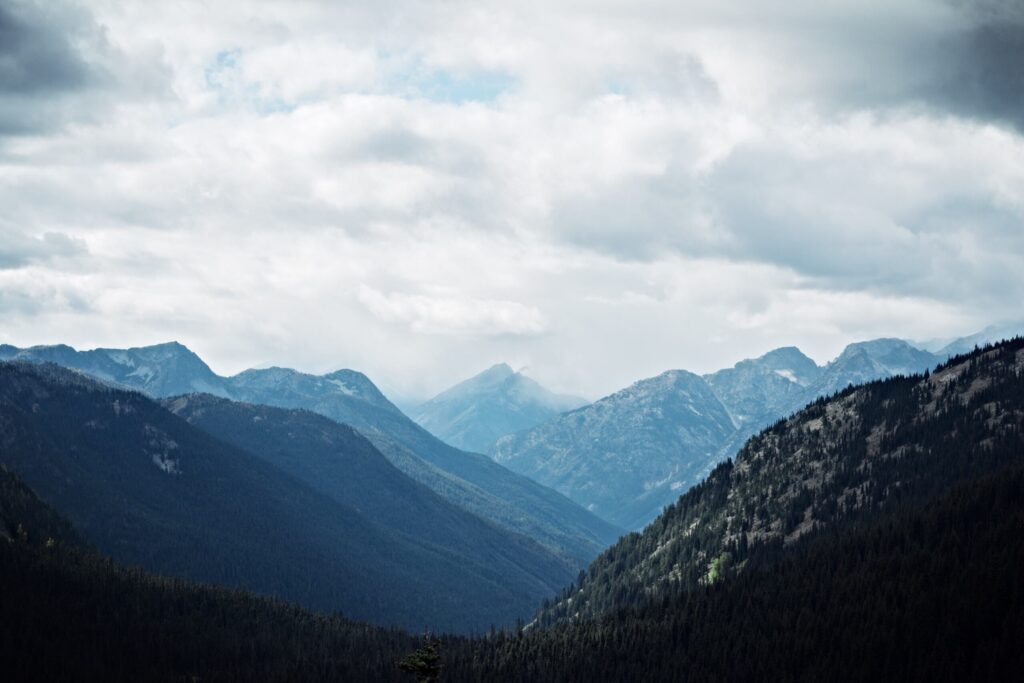
Your Ultimate Guide to Navigating the Cascade Mountains The question “Where do the Cascade Mountains start and end?” isn’t new to those fascinated by this major mountain range. The Cascade Mountains, also known as the Cascade Range or Cascades, start at Lassen Peak in Northern California and end at Fraser River in British Columbia, Canada. The Cascades is part of the Pacific mountain system of western North America. It spans over 700 miles through the states of Washington, Oregon, and the southern part of British Columbia in Canada. This mountain range is a dynamic ecosystem offering impressive landscapes and various recreational opportunities. Whether planning a day trip to soak in the sights or looking to embark on a week-long expedition, this guide has insider tips to ensure your journey is as seamless as it is breathtaking. Let’s guide you to: The starting points of journeying the Cascades The most accessible national parks and campsites The must-see trails that promise an immersive experience Understand why renting an RV is the perfect way to experience the Cascades The Lay of the Land – Mapping the Cascade Range The Cascade Range, known for its geological diversity, starts its northward journey in Northern California at Lassen Peak (also known as Mount Lassen), which is the southernmost volcano in the chain. It then carves through the landscape, crossing Washington and Oregon states until reaching the northern point in British Columbia’s Fraser Valley. Within the Cascade Range, there are volcanoes, both active and dormant. Key among them are: Mount St. Helens, known for its 1980 eruption Mount Rainier, the tallest at over 14,000 feet These volcanoes are part of the Pacific Ring of Fire and indicate ongoing geological activity in the Cascade Range. But the Cascades are not just volcanoes. As one travels north past the Columbia River, there are non-volcanic mountains often referred to as North Cascades. These include: Mount Stuart is the second highest non-volcanic mountain in the state of Washington, after Bonanza Peak. It’s part of the Stuart Range. Mount Shuksan is known for its dramatic ridges and glaciated peaks, it is one of the most photographed mountains in the world. Eldorado Peak is known for its knife-edge ridge, offering a challenging climb and stunning views. With the transition from volcanic to non-volcanic peaks, there is a varied landscape of jagged ridges, alpine meadows, and ancient forests. This makes the range an excellent patch of natural history. Historical Fact: American explorers Meriwether Lewis and William Clark passed through the Cascade Range in 1806 during their expedition to the northwest. They journeyed through the deep Columbia River Gorge on the border of Washington and Oregon. Starting Points – Kicking off Your Cascade Adventure There are several starting points when you want to embark on a journey through the Cascades. And each of these points offers a unique window into the mountain range’s beauty. Here are a few starting points: Columbia River George is perfect if you’re going towards the southern routes. Here, the river carves a natural boundary between Oregon and Washington, providing an entryway into the heart of the Cascades with views of waterfalls and the towering Mount Hood in the distance. The Fraser Valley in British Columbia is excellent for those starting from the north. It is a gateway to alpine adventures. Here, the farmlands and valley set a backdrop of rising peaks and rugged landscapes ahead. North Cascades Highway (Highway 20), which passes through the Washington section of the range, is perfect if you want to see mountain views, lakes, and forest canopy. Interstate 5 is a great starting point if you want to go through the range in a more direct approach. While it lacks the charm of scenic routes, it compensates with efficiency and accessibility by linking major urban centers like Seattle and Portland to the mountain wilderness. National Parks and Trails – Your Access to Wilderness The Cascade Mountains offer national parks and trails for outdoor activities. Key examples are the North Cascades and Mount Rainier National Parks. North Cascades National Park is perfect for solitude-seekers and offers a variety of experiences. It is also less crowded and has trails such as: The family-friendly Trail of the Cedars and Diablo Lake paths The demanding Cascade Pass and Desolation Peak treks Mount Rainier National Park, anchoring Mount Rainier, also presents its own set of trails through ancient forests such as: The Nisqually Vista trail gives a gentle, family-friendly loop to enjoy the mountain’s beauty. The Wonderland Trail surrounds the entire base of Rainier, offering a multi-day journey through diverse ecosystems—perfect for seasoned backpackers. We also have the Pacific Crest Trail which cuts through the Cascades. It offers a linear pathway through varying landscapes. Adventure Tip: For a shorter trip, consider the Sunrise area of Mount Rainier, where trails of all difficulties offer breathtaking views of the peak and the surrounding valleys. RVs and Campsites – Home on the Move Traveling through the Cascades doesn’t mean you have to leave the comforts of home behind. With Recreational Vehicles (RVs) and equipped campsites, you can bring your home with you. The Cascade Range has RV-friendly spots where you can park and enjoy the surroundings. For example: The Alpine RV Park and Campground offer full hookups, Wi-Fi, and classic campfire rings for that authentic camping experience. The Big Fir Campground and RV Park, where the towering firs offer a protective canopy, is perfect if you want a humbling connection to nature. It has amenities such as pull-thru sites, electric hook-ups, sewer and water connections, Wi-FI, and picnic tables. You can rent an RV and journey through the Cascades. Remember to consider the logistics of permits and reservations because national parks and campgrounds can fill up quickly during peak season. The benefits of renting an RV for a journey through the Cascades include: Flexibility: An RV rental gives you the freedom to tailor your travel plans. You can decide your own stops and breaks, and even change your route on the go. Ease of use: With an

Adventure, Camping, Destinations & Itineraries, RV Lifestyle & Travel

Romantic Getaways North West

Romantic Getaways North West: A Quick Guide The Northwest’s natural scenery, with its beautiful forests and coastlines, offers a perfect romantic escape. Examples of romantic getaways in the Northwest include the coastal town of Cannon Beach in Oregon, urban centers like Seattle with its iconic Space Needle, and the mountainous Bavarian village of Leavenworth. One thing is clear when visiting Northwest. An abundance of experiences. Think of the following settings for a moment: In the Northwest, you don’t just find places to see—you find places to be. It invites couples to make memories in a setting that feels removed from the rush of daily life. Let’s discover how every visit to the Northwest can be tailored to the tempo of your own love story. Romantic Destinations in the Northwest Northwest has notable romantic destinations that you should add to your visit list. These include: Coastal Enclaves The Northwest coastline is a perfect romantic getaway. Here, the rhythm of the ocean sets a peaceful mood for relaxation and connection. Imagine strolling hand-in-hand along the beaches of Cannon Beach, Oregon. Moreover, cozy beach cottages provide the perfect spot for lovely sunsets, with your significant other. Whidbey Island, Washington, for example, is known for its quaint shops, art galleries, and delicious seafood restaurants. Couples can explore the island by bike, or kayak, or simply relax on a secluded beach. Other coastal places include Manzanita, Oregon, and Long Beach, Washington. These offer their unique charm, with tide pooling, whale watching, and opportunities for romantic beach bonfires while watching the stars. Urban Escapes For those who find romance in the vibrant pulse of city life, the Northwest’s urban centers merge culture, gastronomy, and scenic beauty. Seattle, Washington, serves as a prime example. Its iconic waterfront and the Space Needle create a distinctive backdrop for a couple’s getaway. Seattle’s diverse neighborhoods and amazing restaurants are perfect for date nights. Examples include Archipelago, Driftwood, and Le Pichet. When you want a quieter moment, the city also has peaceful parks such as Kerry Park where you can relax. Mountain Retreats The mountainous regions of the Northwest are excellent retreats for lovebirds seeking seclusion. In places like Leavenworth, WA, the allure of an alpine-style village offers a unique escape with its Bavarian charm and environment. Mountain lodges become a cozy space after days spent exploring the trails or soaking in natural hot springs—where the only audience is the towering peaks and the starry sky above. Recommended Romantic Activities You can enjoy the following romantic activities when visiting Northwest with your partner: Wine Tasting For couples who love fine wine, the Northwest is a dream destination. In the Willamette Valley, you can visit cozy wineries, learn about winemaking from the experts, and even participate in the harvest. It’s a fun and romantic way to explore the world of wine together. Scenic Drives The landscape of the Northwest is best admired at the relaxed pace of a scenic drive. One such journey is along the Columbia River Gorge, where the road winds through forests and past waterfalls, with ample private spots for quiet reflection or a picnic for two. We bet these drives can be as much about the journey as the destination. Because they offer lovely encounters with nature’s magnificence around every bend. Spa Days Nothing says romantic retreat quite like a day spent in the ambiance of a luxury spa. The Northwest is dotted with top-rated spas that specialize in treatments for couples, allowing for shared moments of serenity. Examples of such spas include: From side-by-side massages to therapeutic soaks, these spas provide a space to unwind and reconnect, in an atmosphere of total tranquility. Outdoor Adventures For the adventurous at heart, the Northwest’s landscape offers room for several activities that couples can enjoy: Optimal Times for a Romantic Northwestern Getaway You can enjoy romantic getaways in the Northwest all year round. Yes. All seasons are optimal times. Here is why: Summer With long, sunny days, summer is perfect for exploring the outdoors. Take romantic strolls along the beach, savor al fresco dining under the stars, or embark on adventures like kayaking and hiking. Quaint towns come alive with the energy of summer, offering plenty of opportunities to create lasting memories. Fall Autumn paints the Northwest in breathtaking colors, with fiery reds, oranges, and yellows transforming the landscape. Vineyards are bustling with activity during harvest season, and cozy wineries invite couples to savor the fruits of the year. Imagine sipping on a glass of locally made Pinot Noir. And cuddling up in a warm sweater as you stroll through apple orchards or along picturesque trails lined with vibrant foliage. You’ll totally love the Northwest during fall. Winter When snow blankets the mountains and valleys, the Northwest becomes a winter wonderland offering an intimate escape. Resorts offer the chance to ski or snowboard down powdery slopes before retiring to a fireside for a warm drink. The cities, too, twinkle a bit brighter with festive lights, setting the scene for a post-theater walk or a quiet evening in a secluded cabin. Spring Spring breathes new life into the Northwest, with vibrant wildflowers blooming across meadows and gardens. The gentle weather invites couples to embark on romantic hikes to cascading waterfalls or leisurely bike rides through blossoming vineyards. Enjoy the refreshing scent of blooming flowers and the crisp, clean air as you reconnect with nature and each other. Budgeting for Your Romantic Getaway Navigating the financial aspects of your romantic getaway in the Northwest can be as straightforward or as indulgent as you choose. Consider the following factors when budgeting: Accommodation There are plenty of places to stay in the Northwest for couples on a romantic getaway. Dining The Northwest has something for everyone when it comes to food. Activities There are tons of things to do in the Northwest for couples on a budget. For example, you can go on fancy wine tours, hot air balloon rides, or boat trips, or keep it simple with scenic drives, hikes, and beach days. Many museums and attractions offer free admission days, and there are often discounts for

Adventure, Camping, Destinations & Itineraries, RV

Tourist Attractions in the West Region Of The US

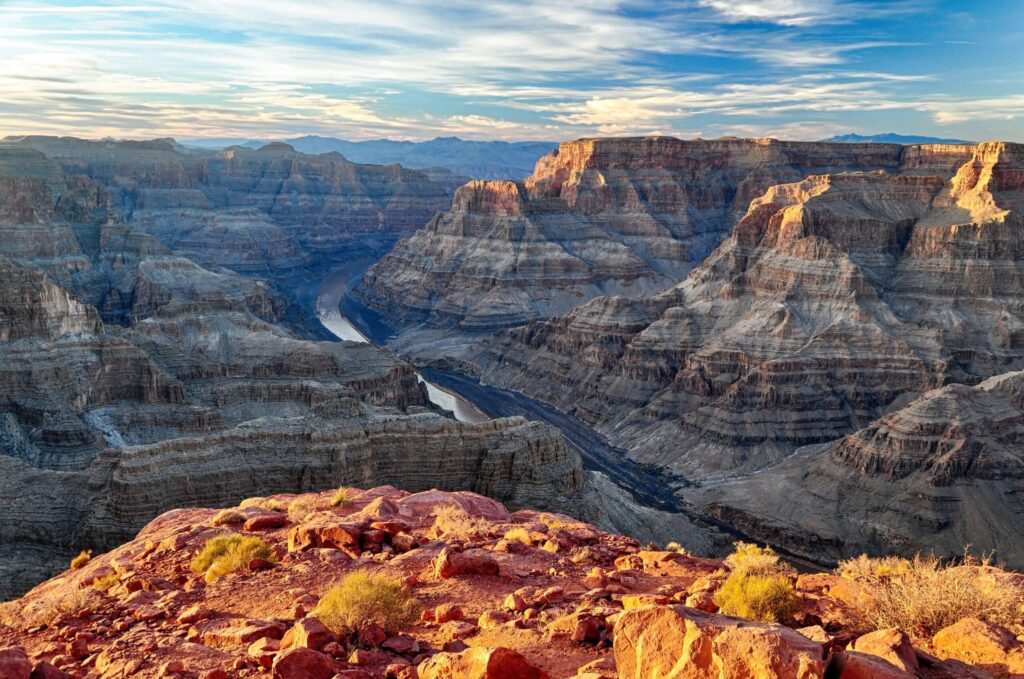
Tourist Attractions in the West Region Of The US The Western United States is a landscape of contrasts and surprises. As you plan your adventure, you might be asking “What are the must-see tourist attractions in the west region of the US?” Yosemite National Park, the Las Vegas Strip (Nevada), and the Oregon Coast are a few top options. Variety. This is one thing you won’t be disappointed about when you tour the West. Here, the natural world and cultural landmarks coexist, offering you a rich array of experiences. This article highlights the top tourist attractions in the west region, providing essential information to plan your perfect trip. Here’s what you’ll find: Yosemite National Park, California Yosemite National Park, a UNESCO World Heritage Site, is a natural wonder known for its giant waterfalls, ancient sequoia trees, and impressive granite cliffs. It’s a site for nature lovers and adventurers alike. Established in 1890, Yosemite’s history is as rich as its landscapes, with ties to the conservation efforts of John Muir and the birthplace of the national park idea. Location & How to Get There Located in California’s Sierra Nevada mountains, Yosemite is accessible from several major cities. The nearest airport is Fresno Yosemite International, about a 2-hour drive to the park. Costs The entrance fee for a vehicle is $35, valid for 7 days. If you’re on foot or bike, it’s $20 per person. Annual passes are available for $70. Parking is widely available, and there are shuttle buses in the park. Some activities, like camping or backcountry hiking, require additional permits. Activities Yosemite offers a range of activities such as: Hours of Operation Yosemite is open year-round, 24 hours a day, but some areas are seasonal. The Tioga and Glacier Point Roads are typically closed from November through May due to snow. Best Time to Visit The best time to visit depends on your interests. Grand Canyon National Park, Arizona Grand Canyon National Park captivates visitors with its immense scale and colorful landscape. Carved over millions of years by the Colorado River, the canyon shows nature’s power and time. It was designated a national park in 1919 and is among the Seven Natural Wonders of the World. The park is a geological wonder and a place of cultural significance, holding sacred value for many Native American tribes. Location & How to Get There The Grand Canyon is in Northern Arizona. The South Rim, open all year, is about a 3.5-hour drive from Phoenix or Las Vegas. The North Rim, open seasonally, is more remote but offers a quieter experience. Public transportation options include bus services from major cities and the Grand Canyon Railway from Williams, Arizona. Costs Entrance fees are valid for seven days and include: Parking is available at various lots around the park. Note: Special tours, like helicopter or river tours, have separate fees. Check with the park for such fees. Activities The Grand Canyon offers a variety of activities for all interests and fitness levels: Hours of Operation The South Rim is open 24 hours a day, year-round. The North Rim is generally open from mid-May to mid-October. Note: Specific visitor centers and facilities have varying hours, especially seasonally. Best Time to Visit The best time to visit depends on what you want from your trip. The South Rim is most popular and busiest from late spring to early fall. Summer offers warm weather but can be crowded. Spring and fall provide cooler temperatures and fewer visitors. The North Rim is cooler during summer and less crowded, but it’s closed in winter. For river rafting, late spring and summer are the best times. Las Vegas Strip, Nevada The Las Vegas Strip, a stretch of South Las Vegas Boulevard, is known for its concentration of resort hotels and casinos. This destination, evolving since the 1940s, reflects the city’s vibrant nightlife and entertainment scene. The dazzling lights and array of entertainment options draw visitors from all over the globe. Location & How to Get There The Strip runs through the heart of Las Vegas. Easily accessible by car, it’s about a 15-minute drive from McCarran International Airport. Public transportation options include buses, the Las Vegas Monorail, and various taxis and ride-shares such as Uber and Lyft. Costs The cost of your Las Vegas trip will vary depending on your choices and the time of year you visit. Activities The Strip’s activities include: Hours of Operation The Las Vegas Strip is essentially a 24/7 operation. Casinos and most restaurants are open around the clock. Showtimes and shopping hours vary, so it’s best to check schedules in advance. Best Time to Visit The best time to visit the Strip depends on your preferences. For example, visiting mid-week generally means fewer crowds and better hotel rates. In terms of weather, spring and fall offer more moderate temperatures. Summer is hot but popular for pool parties and nightlife. Winter can be cooler but less crowded, except during New Year’s Eve and major conventions. Yellowstone National Park, Wyoming Yellowstone National Park, established in 1872, holds the title of the world’s first national park. It’s famous for its geothermal features, including the iconic Old Faithful geyser, and an abundance of wildlife. The park’s vast landscapes range from deep canyons and lush forests to sprawling meadows and mountain ranges. Location & How to Get There Yellowstone spreads across Wyoming, Montana, and Idaho. The most common access points are through the towns of: Major airports nearby include Bozeman, Montana, and Jackson Hole, Wyoming. These also have driving routes offering scenic views into the park. Costs The entrance fee for a private vehicle is $35, valid for 7 days, and covers both Yellowstone and Grand Teton National Parks. Individual entry by foot or bike is $20. Camping fees vary by site, and advanced reservations are often required. Note: Some guided tours and special activities may have additional costs. Activities Yellowstone offers a wide range of activities for nature enthusiasts of all ages and abilities: Hours of Operation Yellowstone is open

Adventure, Camping, Destinations & Itineraries, RV Lifestyle & Travel, Washington

Winter Activities in Washington State

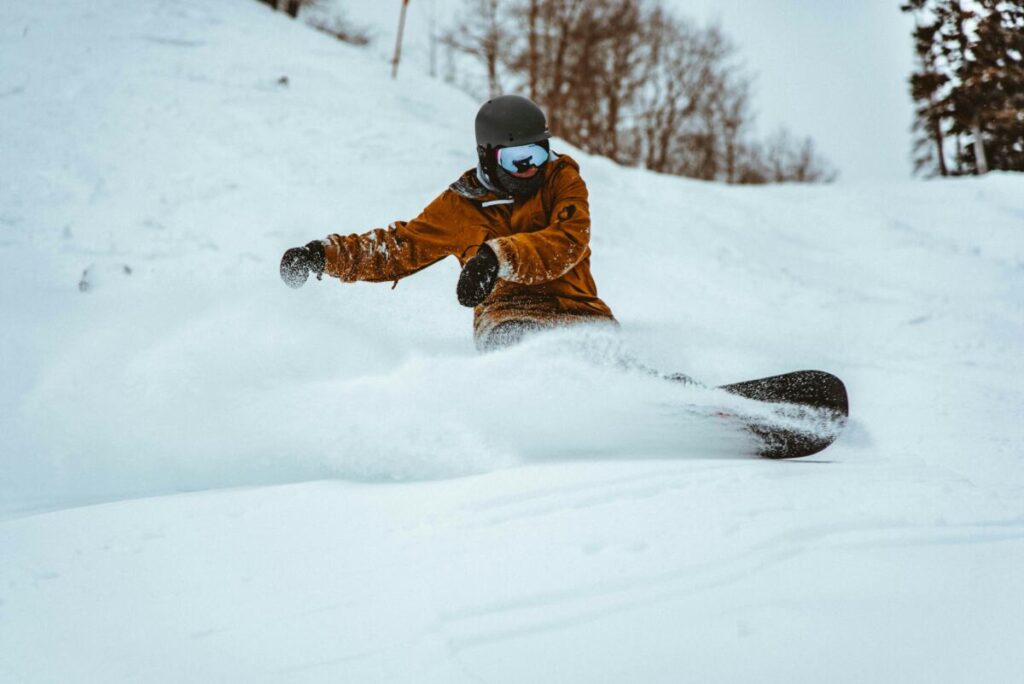
Winter Wonders: Your Guide to Enjoying Washington’s Chilly Charms Washington’s winter months cloak the state in a serene blanket of snow and crisp, clear skies that attract adventurers and peace-seekers alike. It’s a time to engage in activities such as skiing, snowshoeing, sledding, and whale watching. The Evergreen State’s landscape in winter is a reminder that the season can be as much about exploration and discovery as it is about rest and rejuvenation. This article explores the best winter activities in Washington State to help you plan your adventure. It also highlights: Top Winter Activities in Washington Winter in Washington is suitable for activities such as: Skiing and Snowboarding Glide down the slopes of Washington’s ski resorts, where winter sports lovers gather for the ultimate snowy adventure. Top locations for skiing and snowboarding include: For the best experience, follow these tips: When skiing and snowboarding, wear thermal base layers, waterproof ski pants, and jackets. Also, goggles and a helmet offer safety and comfort. Snowshoeing Snowshoeing is a peaceful way to explore Washington’s snow-covered landscapes. You can snowshoe at Mount Rainier National Park. This park offers trails like the Nisqually Vista Loop, where you can enjoy views of the mountain and its surroundings. Olympic National Park’s Hurricane Ridge is also a good spot that provides a winter snowshoeing experience. Thanks to its panoramic views and well-maintained trails. Follow these tips for a good experience: The dress code should include insulated, waterproof boots along with moisture-wicking socks. This allows for adjusting to activity levels. Winter Festivals and Events Embrace the festive spirit at Washington’s winter festivals. Here, lights and celebrations bring warmth to the chilly season. You can enjoy winter festivities such as: Always plan your visit to coincide with specific events or performances. In Leavenworth, weekday visits can mean fewer crowds. At Pike Place, explore beyond the main market area to discover hidden gems. In terms of what to wear, consider warm, layered clothing. This is because temperatures can drop in the evenings. Whale Watching Experience the awe of seeing whales in their natural habitat during Washington’s winter season. Suitable spots for whale watching include: To have a seamless experience: Indoor Activities: Museums and Galleries Winter in Washington state gets even more interesting when experienced indoors. You can learn about Washington’s history and culture through its museums and galleries. This is a perfect retreat from the cold. You can visit the Seattle Art Museum. It offers a diverse collection, from Native American art to contemporary pieces. Another example is the Museum of Flight. It will you on a journey through aviation history. Follow the following tips: Sledding Feel the rush of excitement as you sled down Washington’s snowy slopes, a delightful activity for families and thrill-seekers alike. You’ll like the Hyak Sno-Park which offers a designated sledding hill with nearby amenities—making it ideal for families. The sledding areas at Mount Rainier National Park, such as Paradise, offer stunning scenery and varied slopes. Follow these top tips to make your thrill even more lovely: Taking a Hike A winter hike will let you discover the serene beauty of Washington’s landscapes, transformed under a blanket of snow. You can hike at Discovery Park in Seattle. This park offers gentler trails with views of Puget Sound, ideal for a leisurely hike. The Spokane River Centennial Trail is good if you want a trail that’s accessible and caters to all levels. Here are our top tips when hiking on these trails: Treating Yourself to a Spa Indulge in relaxation and rejuvenation at one of Washington’s luxurious spas, an ideal way to unwind after a day of winter adventures. Examples of top spas include: Follow the following tips to help you enjoy your spa treatments: Paddle Boarding Paddle boarding in winter offers a peaceful experience on Washington’s waters. You can paddle board at Lake Union. It provides a calm setting with stunning views of the Seattle skyline. Lake Washington is ideal if you want more exploration opportunities. Follow the following tips: Ice Skating This is a festive and fun activity for all ages. Skate through winter on one of Washington’s many ice rinks: Follow these helpful tips: Making the Most of Your Winter Activities Winter in Washington is a season filled with potential for adventure and relaxation. To truly make the most of it, consider these tips: Plan Ahead Embrace the Season Combine Activities Pair outdoor adventures with indoor relaxation. After a day of skiing or snowshoeing, treat yourself to a spa day or explore the local museums and art galleries. This combination balances the excitement of outdoor activities with the relaxation of indoor leisure. Combine physically demanding activities like skiing or ice skating with more laid-back experiences, such as whale watching or a scenic drive. This allows you to experience the diversity of Washington’s winter landscape without exhausting yourself. For families, combining educational indoor activities with fun outdoor experiences can be a great way to keep everyone engaged. Visit a museum in the morning and go sledding or ice skating in the afternoon. Enjoy Winter Activities in Washington With RV Travel Winter brings brings a special flavor to the state of Washington. With a range of activities from ski slopes to hikes and lively festivals, Washington in winter caters to a wide array of interests and preferences. But there’s more. You can experience Washington’s winter with a home on the wheels. Renting an RV can add an extra layer of comfort and convenience to your adventure. It allows you to navigate the state’s diverse landscapes at your own pace. It also offers a cozy retreat after a day of adventure. NW Adventure Rentals is your source for modern, well-maintained RVs in Seattle. Our RVs will transform your winter trip in Washington into a lovely, homely stay. But don’t just take our word for it—here’s what past customers have to say about their experiences: “We first rented an RV from NW Adventures, and had a GREAT experience!! We didn’t know much, and everyone was so patient and helpful with explaining details.”—Kirby Laney, Verified Customer “We just rented our first

Adventure, Camping, Destinations & Itineraries

Azaleas Blooming in Fall

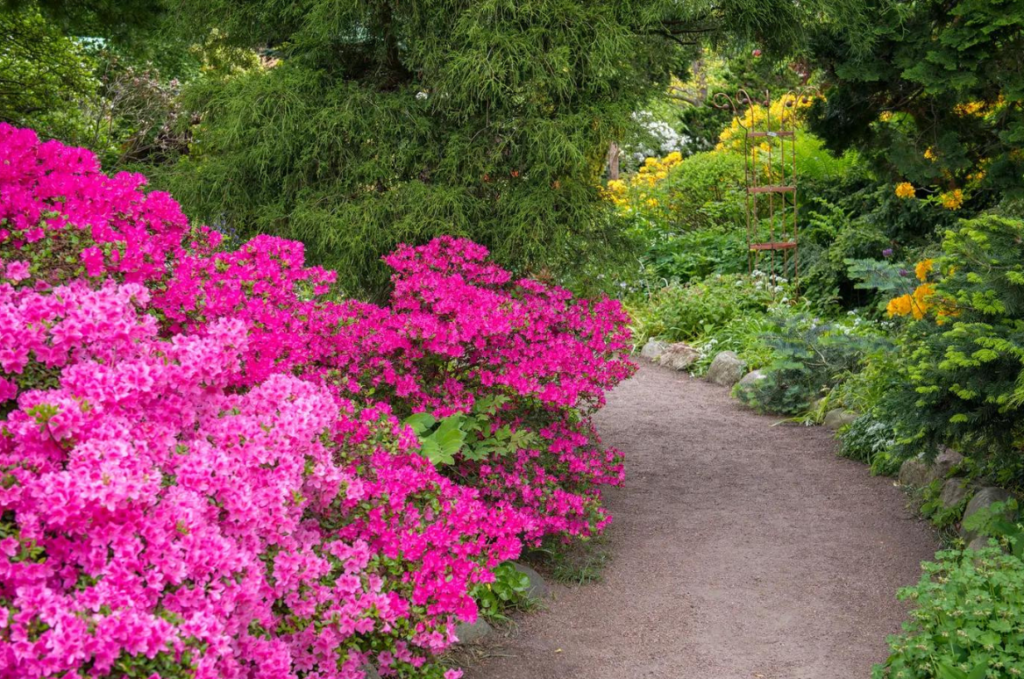
Autumn Azaleas: Discovering Fall-Blooming Varieties Across the PNW Where do you find azaleas that bloom in the fall? Certain varieties such as Encore Azaleas defy the typical spring-only schedule and flaunt their lovely flowers in autumn. You can find these autumn-blooming beauties amidst the rolling hills and gentle climates of North Carolina. These fall-blooming azaleas add an unexpected flourish to the season’s palette. But the story doesn’t end in the Tar Heel State. After reading this article, you’ll discover: Understanding Azaleas Azaleas, members of the Rhododendron family, are more than just another pretty face in the garden; they’re a diverse group with a fascinating range of types and blooming seasons. Typically, azaleas are known to shine in spring. Here, you’ll find them covered in a lot of blooms ranging from soft pastels to deep, vivid colors. This creates a spectacle that’s eagerly anticipated by garden enthusiasts each year. But then there’s the road less traveled by azaleas—the path of the fall bloomers. These unique varieties, though less common, offer a second round of flowering when much of the garden has begun to wind down. Imagine the surprise and delight of discovering azaleas in full bloom amidst the autumnal landscape! Varieties like the Autumn Embers, Autumn Royalty, and Autumn Moonlight are part of a special group known as the Encore Azaleas. These bring a new wave of color just as the rest of the garden is preparing for a quieter season. In addition to Encore Azaleas, other azaleas can bring vibrant colors to your garden during the autumn season: Rhododendron ‘April Rose’ This variety is an early bloomer that can withstand cold temperatures as low as -25ºF (-31ºC). It features purplish-red flowers in early to mid-spring and its foliage turns a reddish-bronze in the fall. Rhododendron ‘Homebush’ This deciduous shrub has beautiful bright pink flowers and eye-catching fall foliage. Its leaves are light green, change color in the fall, and are resistant to mildew. ReBloom Azaleas These are designed to flower from spring through fall, providing a continuous display of color. They are also loved for their hardiness and ability to thrive in different climates. Bloom-A-Thon Azaleas They start in April and continue to produce flowers in early July, lasting through fall until the first hard frost. This variety is particularly heat tolerant, ensuring a bloom of late summer and fall flowers even in warmer climates. Rhododendron prunifolium (Plumleaf Azalea) This native species blooms in the late summer to early fall. It is known for its striking orange to vivid red flowers, which provide a rich source of nectar for pollinators like butterflies and hummingbirds. Its foliage also offers autumnal interest, turning yellowish to plum in the fall. Geographical Spread: Where to Find Them in the U.S Autumnal azaleas—though not as widespread as the spring varieties—have carved out their niche in the gardening world. They are found in a variety of locations such as: Nurseries and Garden Centers Begin at your local nurseries and garden centers, particularly those known for their collection of native or unique plant species. Keep an eye out for labels like ‘Encore Azaleas’ or similar fall-blooming varieties. Staff at these centers are usually quite knowledgeable and can guide you to the azaleas that will offer a beautiful display in the fall. Public Gardens and Arboretums Public gardens and arboretums are invaluable resources for plant lovers. They not only display a variety of plants but also serve as educational and conservation centers. Notable examples include the United States National Arboretum in Washington, D.C., which offers a diverse array of plants, including fall-blooming azaleas. Another option is the Biltmore Estate Gardens in North Carolina, renowned for their extensive plant collections and beautifully landscaped grounds. Common States for Fall-Blooming Azaleas Fall-blooming azaleas are prominent in: Surprising Locations In the same way azaleas defy the typical spring-time calendar, you’re likely to find them in these unexpected locations: Discover Autumn Azaleas in the Countryside With RV Rentals There’s no doubt that azaleas blooming in fall add a touch of color and beauty, just when we start to miss the vibrancy of summer gardens. These azaleas remind us that nature always has a few surprises up her sleeve. And that’s something we should appreciate. Always. Keep an eye out for these seasonal surprises, whether in your local garden center, a nearby public garden, or during your travels. There’s something special about discovering these fall bloomers, like stumbling upon a secret only shared with those who take the time to look. But there’s something else. For the travel and nature enthusiasts. Renting an RV for a scenic expedition through the countryside. With an RV, each turn reveals a new view, each stop offers a chance to discover nature’s autumnal secrets. With an RV from NW Adventure Rentals, you’ll have an opportunity to connect with nature, find joy in the unexpected season blooms, and create lasting memories amidst the fall foliage. Share This Article

Adventure, Campgrounds, Camping, Destinations & Itineraries

Camping in Tri Cities WA: A Quick Rundown

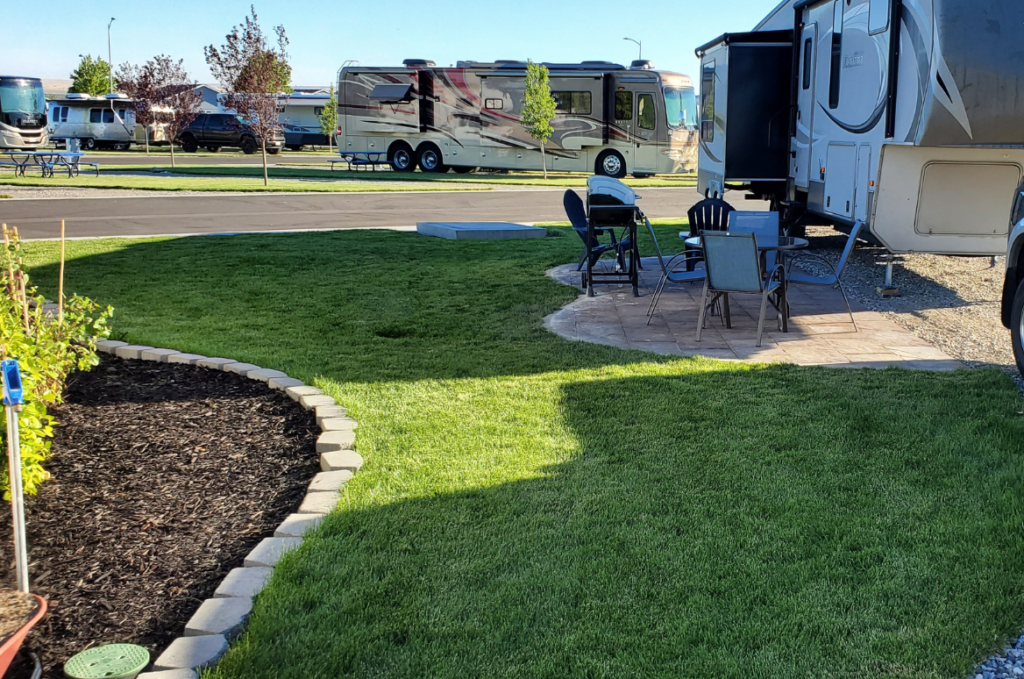
Discovering the Hidden Charms of Camping in Tri-Cities, WA: A Complete Guide If you are looking for an ideal spot to enjoy the outdoors without venturing too far from the comforts of modern amenities, visit Tri-Cities. Each of these cities comprising Kennewick, Pasco, and Richland provides unique camping experiences from their unique features. Think about a perfect blend of three beauties: Kennewick is lush and green, Richland offers beautiful river views, and Pasco is known for its spacious landscapes. Whether you’re a seasoned camper or trying it out for the first time, their location at the meeting point of Columbia, Snake, and Yakima Rivers, offers you a refreshing blend of natural beauty and outdoor activities. This guide covers what you need to know when camping in Tri-Cities, WA. You’ll learn: Why Try Camping in Tri-Cities, WA? Tri-Cities offers you a unique blend of scenic beauty, tranquil moments, and memorable wildlife encounters that together create an unparalleled camping experience. One of the standout features of camping in the Tri-Cities is the clarity of the night sky. This allows you to enjoy stargazing away from the glare of city lights. There is also a variety of wildlife, thanks to the convergence of the three rivers. This makes it an ideal spot for watching wildlife in their natural habitat, whether it is a family of deer grazing nearby or the thrill of spotting a bald eagle soaring overhead. Besides these natural attractions, the calmness of the area is something that resonates deeply with campers. Here, you can find a sense of peace that’s rare in our busy lives. Whether you’re sitting quietly by the riverbank, hiking a trail, or just enjoying the warmth of a campfire, the serene atmosphere of Tri-Cities offers you a chance to unwind and reconnect with nature. Where to Set Up Camp: Exploring Tri-Cities’ Best Campgrounds If you are planning your next camping and are looking to camp at a place that enhances your overall RVing experience, consider any of these campgrounds: Hood Park Campground This place is located near the junction of the Snake and Columbia Rivers and is for both tent and RV campers. It’s equipped with essential amenities like water and electric hookups. The campground also offers picnic areas, boat ramps, and swimming beaches. Its diverse landscape of grassy areas and shaded spots is perfect for families looking to enjoy a range of activities. Charbonneau Park Charbonneau Park is a must-visit if you are seeking a blend of scenic beauty and modern conveniences. It is located on the Snake River, allowing you to enjoy: RV campers will appreciate the full hookups available, while tent campers can enjoy the more primitive sites closer to the water. The park’s serene setting makes it a haven for birdwatchers and nature lovers. Two Rivers Park If you want to disconnect and immerse yourself in nature, Two Rivers Park offers a simpler camping experience. Although the facilities are basic and may lack some amenities, this park offers a peaceful atmosphere and beautiful surroundings to make up for those lacks. It has limited accommodation facilities so it’s good if you are self-contained or are using an RV. Sacajawea State Park Sacajawea State Park is at the junction of the Snake and Columbia rivers. It offers a unique mix of history and natural beauty. The interpretive trails and the Sacajawea Interpretive Center help you understand the park’s rich past. It is well-equipped for both tents and RVs, with amenities that ensure a comfortable stay. It’s a great spot for families, with plenty of educational and recreational activities available. Timing Your Trip: The Best Seasons for Camping in Tri-Cities Camping in the Tri-Cities is suitable throughout the year. Spring (March to May) If you enjoy wildflower displays and greener landscapes, spring in the Tri-Cities is a time of renewal. The weather gradually warms, with average temperatures ranging from the mid-50s to the low 70s. The rivers are often at their fullest due to snowmelt, offering stunning views and opportunities for fishing. However, be prepared for occasional rain showers, and keep in mind that nights can still be chilly. Summer (June to August) If you want to enjoy water activities like boating, swimming, and fishing, summer is the most popular season for camping in the Tri-Cities. The weather is consistently warm, with temperatures often in the 80s and 90s. The days are long, giving you plenty of daylight for hiking and exploring. However, summer also means more visitors, so book your campground in advance. Be aware of the higher temperatures and plan your activities accordingly to avoid the midday heat. Fall (September to November) If you are seeking to enjoy hiking, the fall brings a magical change to the landscape, with cooler temperatures and changing foliage. The weather is mostly mild, with average temperatures in the 60s and 70s. Enjoy the crisp air and golden hues of trees, but be prepared for cooler nights and the occasional early frost. Winter (December to February) Winter camping in the Tri-Cities is for adventurers. Temperatures drop, often hovering around the 30s and 40s, and snow is common in the surrounding hills and mountains. While many campgrounds close or have limited facilities during this season, those that remain open offer a serene and starkly beautiful landscape. Be well-prepared with the right gear for cold-weather camping. Beyond the Tent: Activities and Adventures in Tri-Cities As an RVing enthusiast, the Tri-Cities region in WA offers you a number of interesting activities and adventures to color your camping experience. Here are some of them: Outdoor Activities Common outdoor activities in Tri-Cities include: Columbia Park in Kennewick and Howard Amon Park in Richland offer great access points for water activities. Local Attractions and Cultural Experiences To indulge in the local cultures, you may want to try the following: Dining and Leisure After a day full of activities, indulge in the local culinary scene. Tri-Cities boasts a variety of dining options, from casual cafes to upscale restaurants. For a unique experience, try dining at a riverside restaurant, where the views complement the flavors. If you are a golf enthusiast you will appreciate the area’s numerous golf