RV Lifestyle & Travel

Adventure, Camping, Destinations & Itineraries, RV Lifestyle & Travel

Issaquah Alps Hikes

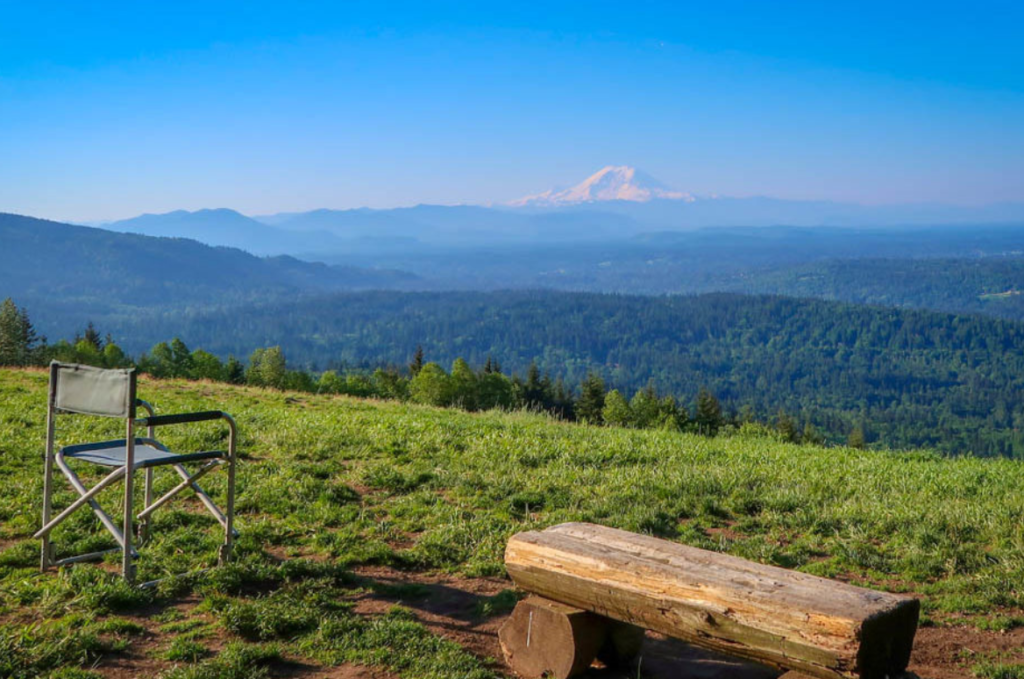
Your Quick Guide to the Best Hikes in the Issaquah Alps Just outside the energetic pulse of Seattle, the Issaquah Alps stand as a quick retreat to nature. It has some of the best hikes and peaks in the region such as Poo Poo Point, West Tiger #3, Squak Mountain, and Cougar Mountain. Whether you’re a seasoned hiker or beginner, these Issaquah Alps hikes offer a variety of experiences—from quiet forest paths to challenging climbs with breathtaking views. You’ll enjoy hiking on a network of trails shaped by the footsteps of many adventurers. Such an excellent way to connect with nature! This guide will offer you: The best ways to get to Issaquah Alps from Seattle and Bellevue Detailed descriptions of various hiking trails, including their difficulty levels and unique features Tips on the best times to visit, what to bring, and how to stay safe during your hike Recommendations for RV-friendly activities in the area How to Get to Issaquah Alps The Issaquah Alps are easily accessible from Seattle and Bellevue, two major cities in WA. Whether by car or public transit, these cities offer convenient routes to the trailheads. From Seattle to the Issaquah Alps You can get to Issaquah Alps from Seattle by car, public transport, or taxi. By Car Direct route: Take I-90 E from Seattle. Depending on your exact trailhead destination, exits 15 through 20 will lead you into different parts of the Issaquah Alps. The typical drive time is around 30 minutes in good traffic conditions. Scenic option: Opt for the Lake Sammamish Loop, starting on WA-520 E and connecting to WA-202, enjoying the scenic drive around Lake Sammamish before joining up with I-90 E near Issaquah. By Public Transit Bus: King County Metro and Sound Transit offer bus services with routes that stop in Issaquah Alps. Sound Transit Route 554 operates a bus from S Jackson St & Maynard Ave S to E Sunset Way & Rainier Blvd S every 30 minutes. It’s a 37-minute journey. King County Metro operates twice daily through the same route, and it takes about 49 minutes to reach Issaquah Alps. Whichever option you choose, be certain you’ll be dropped in the heart of Issaquah within a short distance of several trailheads. Light rail to bus: Future expansions of the Sound Transit light rail system will enhance access to the Issaquah area, making it even easier for hikers without a car. Travel Tip: For both car and transit travelers, check the latest traffic updates and transit schedules before you leave, as peak times can significantly alter travel plans. Plan for extra time on weekends and holidays, especially in good weather as these popular trails draw many visitors. By Taxi You can also take a Taxi from Seattle to Issaquah Alps. The average time is 21 minutes with an estimated price of $50-$65. Top taxi services in the region include: STITA Taxi Seattle Yellow Orange Cab From Bellevue to the Issaquah Alps Similar to Seattle, you can get to Issaquah Alps from Bellevue by car, taxi, or public transit. By Car Fastest route: Take I-90 E directly from Bellevue. With lighter traffic, you could reach the Alps in under 20 minutes. Alternative route: For a less freeway-dependent route, consider taking Bellevue Way SE to I-90. This route provides a mix of urban and interstate driving. Expert Tip: Arrive early at Issaquah Alps trailheads as parking fills up fast. By Public Transit Multiple bus lines can connect you from Bellevue to Issaquah, including: Line 271 bus which offers a direct link to the Issaquah Transit Center. It takes about 41 minutes to get to the Alps. Line 550 and Line 554 buses are other suitable options. By Taxi It takes an average of 15 minutes to get to the Issaquah Alps by taxi. Most taxi services cost $35-$45. Examples include: STITA Taxi Seattle Yellow Cab Orange Cabs Popular Peaks of the Issaquah Alps Issaquah Alps is known for its peaks that have stunning views and diverse ecosystems. These peaks also have a variety of hiking trails, making them a favorite among hikers of all levels and nature enthusiasts. Popular peaks of the Issaquah Alps include: Tiger Mountain Tiger Mountain has an elevation of 3,000 feet at the highest peak. The best trails for hiking include: Poo Poo Point Trail: A moderate 7.2 miles round trip with a steady incline, renowned for its paragliding launch pad and stunning views of Mount Rainier on clear days. West Tiger 3: A more challenging option at about 5 miles round trip with an elevation gain of 2,001 feet. It’s a popular training ground for its steep, thigh-burning sections. Tiger Mountain Trail: Spanning over 15 miles one way with an elevation of 2,360 feet, this trail is for the more dedicated hiker-thoroughly exploring the mountain’s rugged terrains. For the Sporty: The Tiger mountain offers mountain biking trails, from challenging downhill courses for experienced riders to more moderate options like the Preston Railroad Grade and Northwest Timber trails. Cougar Mountain Cougar Mountain has an elevation of 1,595 feet at its highest point. The top trails in Cougar Mountain include: Wildside Trail-De Leo Wall Loop: A 4-mile loop of moderate difficulty, featuring waterfalls and a sweeping view of Bellevue and Lake Washington. Coal Creek Falls Trail: An easier, family-friendly 2.5-mile round trip hike leading to a lovely waterfall, especially full during the wet season. Squak Mountain Squak Mountain has an elevation of 2,024 at the summit. A portion of the mountain is the 1,545-acre Squak Mountain State Park. Popular trails here include: Squak Mountain Connector Trail: It’s a 3.6-mile round trip and is an excellent option for those seeking a less crowded experience. Central Peak Trail: A steep 3.9-mile round trip that offers a workout with the reward of reaching the top, where views peek through the dense forest. Did You Know? The Squak Mountain is home to the Snoqualmie and Duwamish People. Taylor Mountain Taylor Mountain has an elevation of 2,625 feet at the highest point. Notable trails in this mountain include: Taylor Mountain Trail: A 5-mile round trip with moderate
mountains under cloudy skies
Adventure, Camping, Destinations & Itineraries, RV Lifestyle & Travel

Where do the Cascade Mountains Start and End

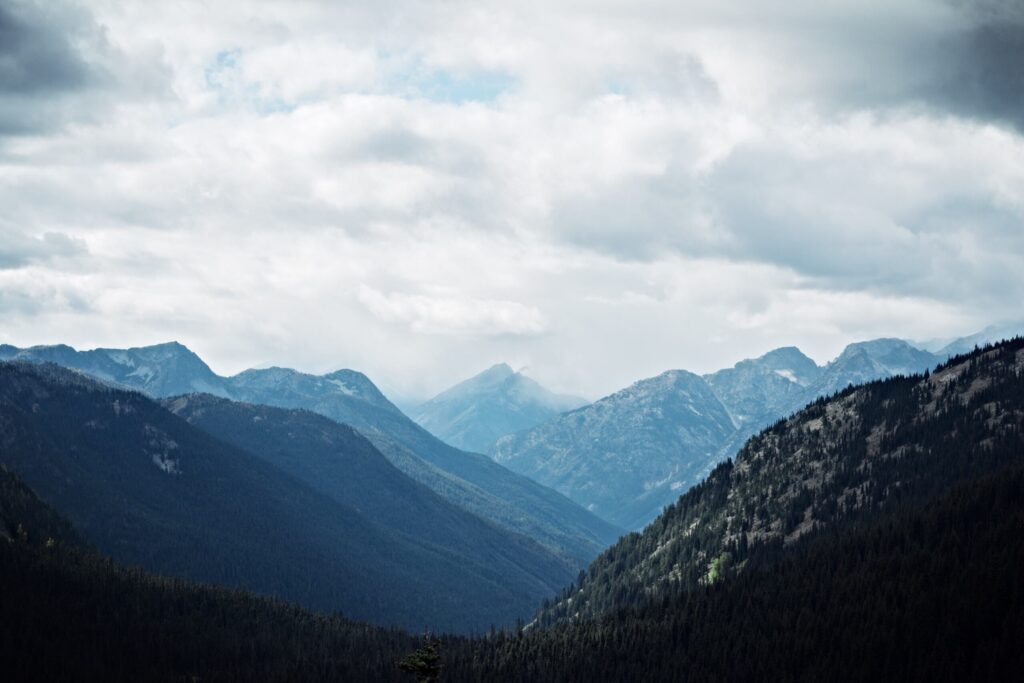
Your Ultimate Guide to Navigating the Cascade Mountains The question “Where do the Cascade Mountains start and end?” isn’t new to those fascinated by this major mountain range. The Cascade Mountains, also known as the Cascade Range or Cascades, start at Lassen Peak in Northern California and end at Fraser River in British Columbia, Canada. The Cascades is part of the Pacific mountain system of western North America. It spans over 700 miles through the states of Washington, Oregon, and the southern part of British Columbia in Canada. This mountain range is a dynamic ecosystem offering impressive landscapes and various recreational opportunities. Whether planning a day trip to soak in the sights or looking to embark on a week-long expedition, this guide has insider tips to ensure your journey is as seamless as it is breathtaking. Let’s guide you to: The starting points of journeying the Cascades The most accessible national parks and campsites The must-see trails that promise an immersive experience Understand why renting an RV is the perfect way to experience the Cascades The Lay of the Land – Mapping the Cascade Range The Cascade Range, known for its geological diversity, starts its northward journey in Northern California at Lassen Peak (also known as Mount Lassen), which is the southernmost volcano in the chain. It then carves through the landscape, crossing Washington and Oregon states until reaching the northern point in British Columbia’s Fraser Valley. Within the Cascade Range, there are volcanoes, both active and dormant. Key among them are: Mount St. Helens, known for its 1980 eruption Mount Rainier, the tallest at over 14,000 feet These volcanoes are part of the Pacific Ring of Fire and indicate ongoing geological activity in the Cascade Range. But the Cascades are not just volcanoes. As one travels north past the Columbia River, there are non-volcanic mountains often referred to as North Cascades. These include: Mount Stuart is the second highest non-volcanic mountain in the state of Washington, after Bonanza Peak. It’s part of the Stuart Range. Mount Shuksan is known for its dramatic ridges and glaciated peaks, it is one of the most photographed mountains in the world. Eldorado Peak is known for its knife-edge ridge, offering a challenging climb and stunning views. With the transition from volcanic to non-volcanic peaks, there is a varied landscape of jagged ridges, alpine meadows, and ancient forests. This makes the range an excellent patch of natural history. Historical Fact: American explorers Meriwether Lewis and William Clark passed through the Cascade Range in 1806 during their expedition to the northwest. They journeyed through the deep Columbia River Gorge on the border of Washington and Oregon. Starting Points – Kicking off Your Cascade Adventure There are several starting points when you want to embark on a journey through the Cascades. And each of these points offers a unique window into the mountain range’s beauty. Here are a few starting points: Columbia River George is perfect if you’re going towards the southern routes. Here, the river carves a natural boundary between Oregon and Washington, providing an entryway into the heart of the Cascades with views of waterfalls and the towering Mount Hood in the distance. The Fraser Valley in British Columbia is excellent for those starting from the north. It is a gateway to alpine adventures. Here, the farmlands and valley set a backdrop of rising peaks and rugged landscapes ahead. North Cascades Highway (Highway 20), which passes through the Washington section of the range, is perfect if you want to see mountain views, lakes, and forest canopy. Interstate 5 is a great starting point if you want to go through the range in a more direct approach. While it lacks the charm of scenic routes, it compensates with efficiency and accessibility by linking major urban centers like Seattle and Portland to the mountain wilderness. National Parks and Trails – Your Access to Wilderness The Cascade Mountains offer national parks and trails for outdoor activities. Key examples are the North Cascades and Mount Rainier National Parks. North Cascades National Park is perfect for solitude-seekers and offers a variety of experiences. It is also less crowded and has trails such as: The family-friendly Trail of the Cedars and Diablo Lake paths The demanding Cascade Pass and Desolation Peak treks Mount Rainier National Park, anchoring Mount Rainier, also presents its own set of trails through ancient forests such as: The Nisqually Vista trail gives a gentle, family-friendly loop to enjoy the mountain’s beauty. The Wonderland Trail surrounds the entire base of Rainier, offering a multi-day journey through diverse ecosystems—perfect for seasoned backpackers. We also have the Pacific Crest Trail which cuts through the Cascades. It offers a linear pathway through varying landscapes. Adventure Tip: For a shorter trip, consider the Sunrise area of Mount Rainier, where trails of all difficulties offer breathtaking views of the peak and the surrounding valleys. RVs and Campsites – Home on the Move Traveling through the Cascades doesn’t mean you have to leave the comforts of home behind. With Recreational Vehicles (RVs) and equipped campsites, you can bring your home with you. The Cascade Range has RV-friendly spots where you can park and enjoy the surroundings. For example: The Alpine RV Park and Campground offer full hookups, Wi-Fi, and classic campfire rings for that authentic camping experience. The Big Fir Campground and RV Park, where the towering firs offer a protective canopy, is perfect if you want a humbling connection to nature. It has amenities such as pull-thru sites, electric hook-ups, sewer and water connections, Wi-FI, and picnic tables. You can rent an RV and journey through the Cascades. Remember to consider the logistics of permits and reservations because national parks and campgrounds can fill up quickly during peak season. The benefits of renting an RV for a journey through the Cascades include: Flexibility: An RV rental gives you the freedom to tailor your travel plans. You can decide your own stops and breaks, and even change your route on the go. Ease of use: With an

Adventure, RV, RV Lifestyle & Travel, Trailer

Ford f250 Diesel Fuel Mileage

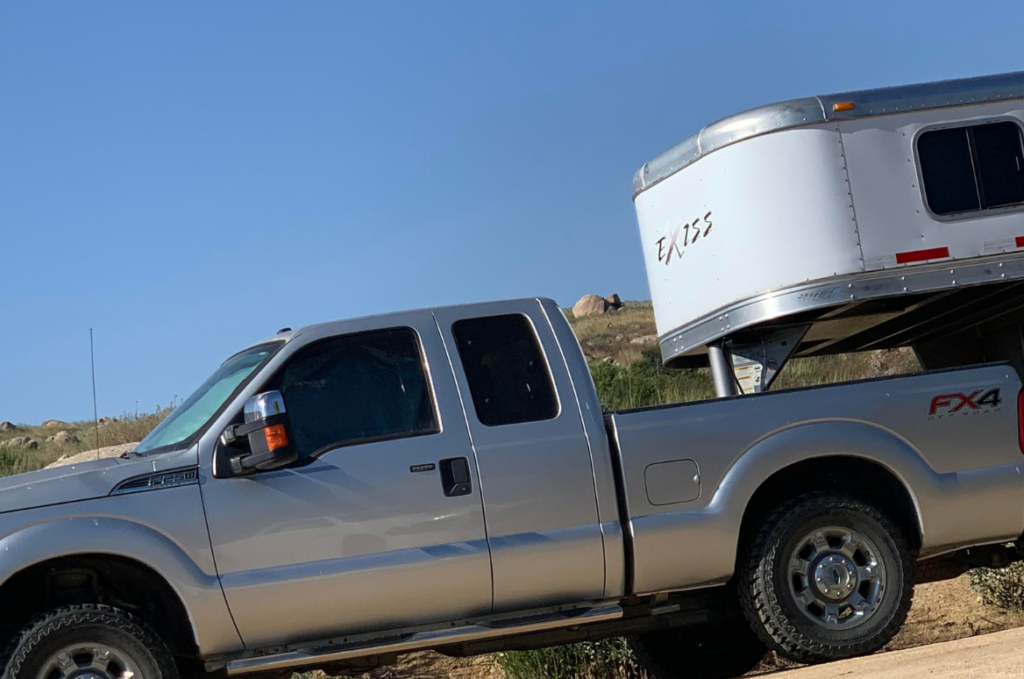
Ford f250 Diesel Fuel Mileage: Maximizing Fuel While Towing Ford F250 diesel—a name synonymous with strength, durability, and heavy-duty performance. Its powerful engine and towing capacity make it a popular choice among truck enthusiasts. But what is a Ford F250 diesel fuel mileage when towing? It typically gets 12 to 15 miles per gallon (MPG). Knowing the Ford F250 diesel fuel mileage helps you plan long trips since fuel costs can impact your travel expenses. In this guide, we provide insights on how to maximize your Ford F250 diesel when towing. We’ll also help you understand: Factors affecting Ford F250 diesel fuel efficiency including towing weight, driving habits, and maintenance practices Tips to maximize fuel efficiency such as proper maintenance and smart driving techniques What other Ford F250 owners say about its towing capacity Factors That Influence Your Towing MPG The towing MPG of the Ford F250 diesel is 12–15. Why not a definite figure? It’s due to the different variables (factors) that affect it. Factors affecting your Ford F250’s towing MPG include: Vehicle Load and Trailer Weight Picture this: You get tired more quickly if you’re carrying a heavy backpack-you have to use more energy to move around. Now, this applies to your Ford F250’s trailer weight. When your truck carries a heavy load or tows a larger trailer, it needs more energy to move; and this comes from burning diesel. So, the heavier the load and trailer, the more fuel your truck needs to use to maintain speed and steer properly. Aerodynamics and Fuel Efficiency Think of aerodynamics as the shape and design of an object that makes it move smoothly through the air. Yes—trailers don’t fly. But their shape can affect your Ford F250’s towing capability, and by extension, fuel efficiency. An aerodynamic trailer designed with a shape that cuts through the air easily (like a bird or an airplane), causes less drag when towed. This allows your F250 to move with less resistance and less fuel. A boxy trailer, on the other hand, catches more wind and will require more power and more fuel to tow. Definition: In fluid mechanics, drag (sometimes called air resistance or fluid resistance) refers to forces that oppose the relative motion of an object through a fluid (a liquid or a gas) Driving Style’s Effect on Fuel Usage How you drive can also affect your fuel mileage. Aggressive driving, characterized by rapid acceleration and maintaining high speeds, will lead to higher fuel consumption. A smoother, steadier driving approach is more economical, helping you conserve diesel. Terrain Challenges and Fuel Consumption The type of terrain you drive over influences fuel efficiency. For example, your Ford F250 works harder on steep inclines and high altitudes, increasing fuel use. Flat terrain, on the other hand, allows you to drive at a consistent speed with minimal gear changes which lowers fuel consumption. Did You Know? Descending a hill can consume more fuel if your vehicle is not in the correct gear So, always ensure it’s in the right gear when going downhill to optimize fuel efficiency. Road conditions and weather also affect fuel consumption. For instance, smooth, well-maintained roads allow for better fuel efficiency since your vehicle maintains a steady speed with less resistance. In contrast, rough or uneven roads increase the resistance against the vehicle, leading to higher fuel consumption. Cold weather can increase fuel consumption as the engine takes longer to reach its most efficient temperature. Also, a headwind increases drag on the vehicle, while a tailwind reduces it. Maintenance and Fuel Economy Regular vehicle maintenance impacts the towing MPG. For example, improperly inflated tires increase rolling resistance which leads to higher fuel consumption and lower towing MPG. But a tire inflated to the vehicle’s standards has lower resistance and lower fuel consumption. A well-maintained vehicle has a better towing MPG than a poorly maintained one. Enhancing Your Ford F250 Towing MPG Now that you know the factors that affect your Ford F250’s towing MPG, how do you improve its performance? Streamline your trailer. Aerodynamic modifications and proper cargo placement can significantly reduce drag. Plan your route using navigation apps to avoid heavy traffic and hilly terrain to keep your MPG in check. Use cruise control to maintain a constant speed, which is more fuel-efficient than fluctuating speeds. Consider the weight of your tow load; extra, unnecessary weight can sap fuel, so pack only what you need. Use performance upgrades such as a diesel tuner to fine-tune your engine’s output, leading to more efficient towing power. Consult with a towing specialist to get personalized advice and specific improvements for your vehicle and towing habits. Beyond these strategies, regular maintenance plays a crucial role, not only in your Ford F250’s towing MPG towing capabilities but also in its overall performance and longevity. Here’s how: Tire inflation: Tires that are not properly inflated increase rolling resistance, leading to increased fuel consumption. Regularly checking and maintaining the correct tire pressure ensures better fuel efficiency. Oil changes: Engine oil lubricates the engine’s moving parts, reducing friction and heat. With time, the oil can degrade and lose effectiveness, leading to increased friction, heat, and fuel consumption. Regular oil changes ensure the engine operates efficiently, reducing fuel consumption. Air filters: A clogged air filter can restrict airflow to the engine, causing it to work harder and consume more fuel. Routinely replacing the air filter can ensure optimal airflow and fuel efficiency. Spark plugs: Worn or dirty spark plugs can cause the engine to misfire, wasting fuel. Timely checking and replacing spark plugs can ensure the engine runs smoothly and efficiently. Towing Mileage vs. Non-Towing Mileage When it comes to maximizing the efficiency of your Ford F250 Diesel, understanding the difference between towing mileage and non-towing mileage is important. Let’s explain. Towing mileage is the fuel efficiency of your Ford F250 Diesel when pulling a load such as a trailer. Non-towing mileage, on the other hand, is its fuel efficiency during regular driving without any additional load. Non-towing mileage is typically higher than towing mileage because the engine doesn’t have

Adventure, RV, RV Lifestyle & Travel, RV Ownership Tips

How Do I Rent My RV Out

Hit the Road With Profit: A Complete Guide to Renting Out Your RV “How do I rent my RV out?” If this question is on your mind, you’re already a step closer to turning your RV into a profitable asset. Renting out your RV involves knowing its unique features, preparing it for rent, finding the best RV insurance, and advertising your rental business. This guide will walk you through each step, ensuring you’re well-equipped to hit the road with profit. You’ll also learn: The Open Road to Opportunity – Is Renting Out Your RV a Great Idea? Yes. Renting out your RV is a great idea. It’s a golden opportunity that can help your RV generate income for you. Look. When your RV is not in use, it’s not just sitting idle; it’s potential income that’s not utilized. But by renting it out, you can turn a depreciating asset into an income-generating one. Renting out your RV allows you to offset the costs of owning one, such as maintenance, storage, and insurance. It can be a good source of income; especially with the new trend of RV travel—the demand for RV rentals has increased. Besides the financial aspect, renting out your RV allows you to share the joy of RV travel with others. You’re providing unique travel experiences for families, couples, and adventurers who may not own an RV. Navigating the RV Rental Market Landscape The RV rental market is growing. In 2021, the Recreational Vehicle Rental Market was valued at USD 642.12 million, and it is projected to reach an impressive USD 1018.96 million by 2027. This growth is driven by factors such as: For RV owners, this means a diversified calendar of potential rental periods, expanding beyond the conventional high season. Safeguarding Your Journey – Insurance for Your Rental RV Just as a sturdy RV is essential for a smooth ride, insurance is the backbone of a secure rental experience. It shields you from financial issues that can arise from accidents, damages, theft, and even the occasional unruly renter. There’s a variety of coverage options tailored to the unique needs of RV rentals, ranging from basic liability to comprehensive plans that protect against unforeseen events. Examples of main RV insurance coverages include: Beyond personal insurance policies, many rental platforms offer their coverage during the rental period. These can range from minimal protection to full coverage packages. Look into the fine print of these RV rental platforms’ insurance policies. Some platforms might require additional personal coverage or might not be as encompassing as you would hope. This ensures your protection plan is well covered. Opt for insurance carriers with strong customer service and a reputation for handling claims fairly and swiftly. Doing this gives you peace of mind and ensures a more seamless experience for your renters should an incident occur. Pricing the Experience – How Much to Charge for Your RV Rental Here’s now the most crucial aspect of your RV rental business—pricing. The right price can attract renters, cover costs, and create more profit. Choosing the right price involves a consideration of factors such as: The number of RVs available for rent in your area can impact your pricing. If there are many RVs for rent, you need to price competitively to attract renters. Areas with a higher cost of living might allow for higher rental rates. Areas with low cost of living attract lower rental rates. Here, you need to adjust your rates to match what renters are willing to pay. Once you’ve considered your costs, it’s time to define your competitive edge. You might find that offering a slightly lower rate than the competition could steer more business your way. Yet, if your RV boasts unique features or includes add-ons like camping gear, bikes, or a stocked pantry, your price can comfortably be higher without discouraging potential renters. Bonus Idea: It’s okay to adjust your rates as you gain traction in the market. As reviews pile up and your RV gains a track record of happy campers, you’ll have the leverage to rev up your pricing — all while keeping customer satisfaction at the heart of your rental road trip. Roadside Billboards – How to Advertise Your Rental RV When it comes to advertising your RV, think of it as planting signposts along the digital highway. The first stop? Online rental platforms such as RVshare and Outdoorsy. These two platforms are user-friendly, offer built-in insurance options, and expose your RV to more potential renters. You can also advertise on social media platforms like Instagram, Facebook, and Twitter. Here are a few tips to make the most out of social media platforms: Preparing for Departure – How to Prepare Your RV for Rental To make sure your RV is ready for rental, follow the following steps: Have clear instructions about each quirk and feature of your RV. Prepare a manual or a cheat sheet for your guests to help them feel confident as they drive away. You can also customize the RV rental experience. For example, added amenities can range from practical (like GPS devices and bike racks) to niche (like an espresso machine or a collection of classic road trip movies). These added touches can be a reason for a renter to choose your RV over another. The Highs and Lows – Pros and Cons of Renting Out Your RV Like any other business, renting out your RV has advantages and disadvantages. Let’s examine these pros and cons. The pros include: The cons include:

Adventure, RV, RV Lifestyle & Travel, RV Ownership Tips

Winterized Campers for Sale

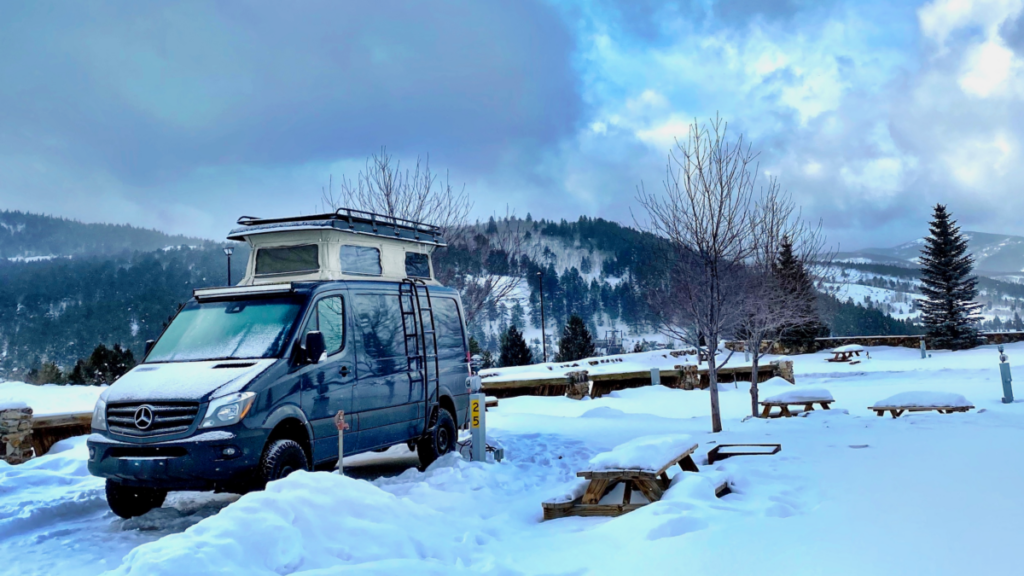
Winterized Campers for Sale Your Guide to Buying or Renting Winterized Campers Winterized campers offer you the freedom to venture into cooler weather without the worry of freezing inside your car. To buy or rent a winterized camper, consider factors such as insulation, heating and water systems, and ventilations. Every winter RVs are sold after a their owner’s have used them for their 1-2 summers. Look, to conquer seasons and enjoy the outdoors without calendar restrictions you want a vehicle that can withstand the most adverse temperatures. One that’s built to maintain warmth and functionality even when the landscape is covered in frost. Whether you are buying or renting a winterized camper, knowing what to look for in a RV is the first step towards limitless adventures. In this guide we will cover: What To Look For When Buying or Renting a Winterized Camper Consider the following factors when buying or renting a winterized camper: Insulation In a winterized camper, insulation is the silent guardian against the biting cold. Effective insulation in the walls, roof, and floor is essential, acting as a barrier that keeps the warmth in and the chill out. Properly insulated campers allow for an extended season of comfort, keeping you cozy when the world outside is anything but. Heating Systems A reliable heating system, such as a built-in propane furnace, ensures that even on the coldest nights, the interior remains warm. Options range from traditional furnaces to modern, eco-friendly systems, all designed to sustain a steady interior temperature. Water Systems Water systems in winterized campers must be robust enough to avoid freezing. Protected water tanks are a must, along with heated water lines and the use of antifreeze mechanisms in the plumbing. These features ensure that access to water remains uninterrupted, no matter how low the outdoor temperature drops. Windows and Doors Windows and doors are potential weak spots for heat loss, which is why double-paned windows and well-insulated doors are critical in a winterized camper. They provide a barrier to the cold, maintaining the interior climate, and minimizing the energy required to keep it. Ventilation Despite the need to keep the cold air out, proper ventilation is crucial in a winterized camper to prevent condensation and maintain air quality. A well-designed ventilation system balances the need to retain heat with the necessity of allowing moisture and stale air to escape, ensuring a comfortable and safe environment inside the camper. Where to Buy Winterized Campers If you want to buy winderized campers, you can get them from: Dealerships Reputable RV dealerships are useful for those in search of quality winterized campers. Here are some of the dealers where service and selection meet the needs of cold-weather adventurers: These dealerships offer a range of models and often provide extensive after-sale support and warranties. Online Marketplaces For the tech-savvy shopper, online marketplaces provide a gateway to countless options. Some of the platforms that can connect buyers with a myriad of new and pre-loved winterized campers include: However, when navigating these digital marketplaces, it’s essential to verify the quality and condition of the camper. RV Shows RV shows present a unique opportunity to buy winterized campers. They offer a chance to step inside various models, get a real feel for the space and features, and engage with knowledgeable representatives who can answer your most detailed questions. These events often feature show-only deals and incentives, making them a great place to find your perfect winterized camper. Direct from Manufacturer You may consider going straight to the source by purchasing directly from manufacturers known for their expertise in winterized models. Popular brands in the winterized campers include: They offer you the chance to buy campers that come with the assurance of quality and dedication to cold-weather RVing right from the factory floor. They may also allow you to customize your camper to your specific needs and preferences. Cost Considerations Besides the physical and technological components of winterized campers, cost is another very important aspect you should consider when shopping for your perfect-cold camping companion. Some of the costs to consider when buying or renting winterized campers include: Understanding these costs helps you stay within your budget constraints and avoid unplanned spending. Further, they guide you in deciding on whether to buy or rent, to buy new or used, and what brand and model to choose. New vs. Used When it comes to winterized campers, the decision between new and used can significantly impact your wallet. The table below compares new winterized campers to used ones and can help you make an informed decision. New Winterized Campers Used Winterized Campers Brand and Model Camper brand and model play a key role in pricing. High-end brands with a reputation for durability and luxury can command a premium budget. On the contrary, more budget-friendly brands might offer the basics without any extra fancy features. Specific models designed for extreme temperatures often cost more due to specialized materials and construction. Additional Features Customizations and additional features can cause prices to shoot. Customized Winterized campers features that can add to the initial investment include: Long-Term Savings Buying cheap can be expensive in the long run. And this often holds true with winterized campers. Investing more upfront in a quality, durable model can equate to long-term savings. A well-insulated camper with a robust heating system can reduce the need for constant repairs and provide more efficient energy usage, saving you money over time. Additionally, a quality camper tends to retain its value better, should you decide to sell it in the future. Renting vs. Buying a Winterized Camper Torn between renting and buying a winterized camper? Here is a breakdown of key factors that can influence your decision. Short-Term Use For enthusiasts eyeing occasional getaways in chilly locales, renting a winterized camper can be the perfect solution. Without the commitment of a full purchase, you can embrace the freedom of the open road with a home that’s ready for the cold, only when you need it.

Adventure, Camping, Destinations & Itineraries, RV Lifestyle & Travel

Romantic Getaways North West

Romantic Getaways North West: A Quick Guide The Northwest’s natural scenery, with its beautiful forests and coastlines, offers a perfect romantic escape. Examples of romantic getaways in the Northwest include the coastal town of Cannon Beach in Oregon, urban centers like Seattle with its iconic Space Needle, and the mountainous Bavarian village of Leavenworth. One thing is clear when visiting Northwest. An abundance of experiences. Think of the following settings for a moment: In the Northwest, you don’t just find places to see—you find places to be. It invites couples to make memories in a setting that feels removed from the rush of daily life. Let’s discover how every visit to the Northwest can be tailored to the tempo of your own love story. Romantic Destinations in the Northwest Northwest has notable romantic destinations that you should add to your visit list. These include: Coastal Enclaves The Northwest coastline is a perfect romantic getaway. Here, the rhythm of the ocean sets a peaceful mood for relaxation and connection. Imagine strolling hand-in-hand along the beaches of Cannon Beach, Oregon. Moreover, cozy beach cottages provide the perfect spot for lovely sunsets, with your significant other. Whidbey Island, Washington, for example, is known for its quaint shops, art galleries, and delicious seafood restaurants. Couples can explore the island by bike, or kayak, or simply relax on a secluded beach. Other coastal places include Manzanita, Oregon, and Long Beach, Washington. These offer their unique charm, with tide pooling, whale watching, and opportunities for romantic beach bonfires while watching the stars. Urban Escapes For those who find romance in the vibrant pulse of city life, the Northwest’s urban centers merge culture, gastronomy, and scenic beauty. Seattle, Washington, serves as a prime example. Its iconic waterfront and the Space Needle create a distinctive backdrop for a couple’s getaway. Seattle’s diverse neighborhoods and amazing restaurants are perfect for date nights. Examples include Archipelago, Driftwood, and Le Pichet. When you want a quieter moment, the city also has peaceful parks such as Kerry Park where you can relax. Mountain Retreats The mountainous regions of the Northwest are excellent retreats for lovebirds seeking seclusion. In places like Leavenworth, WA, the allure of an alpine-style village offers a unique escape with its Bavarian charm and environment. Mountain lodges become a cozy space after days spent exploring the trails or soaking in natural hot springs—where the only audience is the towering peaks and the starry sky above. Recommended Romantic Activities You can enjoy the following romantic activities when visiting Northwest with your partner: Wine Tasting For couples who love fine wine, the Northwest is a dream destination. In the Willamette Valley, you can visit cozy wineries, learn about winemaking from the experts, and even participate in the harvest. It’s a fun and romantic way to explore the world of wine together. Scenic Drives The landscape of the Northwest is best admired at the relaxed pace of a scenic drive. One such journey is along the Columbia River Gorge, where the road winds through forests and past waterfalls, with ample private spots for quiet reflection or a picnic for two. We bet these drives can be as much about the journey as the destination. Because they offer lovely encounters with nature’s magnificence around every bend. Spa Days Nothing says romantic retreat quite like a day spent in the ambiance of a luxury spa. The Northwest is dotted with top-rated spas that specialize in treatments for couples, allowing for shared moments of serenity. Examples of such spas include: From side-by-side massages to therapeutic soaks, these spas provide a space to unwind and reconnect, in an atmosphere of total tranquility. Outdoor Adventures For the adventurous at heart, the Northwest’s landscape offers room for several activities that couples can enjoy: Optimal Times for a Romantic Northwestern Getaway You can enjoy romantic getaways in the Northwest all year round. Yes. All seasons are optimal times. Here is why: Summer With long, sunny days, summer is perfect for exploring the outdoors. Take romantic strolls along the beach, savor al fresco dining under the stars, or embark on adventures like kayaking and hiking. Quaint towns come alive with the energy of summer, offering plenty of opportunities to create lasting memories. Fall Autumn paints the Northwest in breathtaking colors, with fiery reds, oranges, and yellows transforming the landscape. Vineyards are bustling with activity during harvest season, and cozy wineries invite couples to savor the fruits of the year. Imagine sipping on a glass of locally made Pinot Noir. And cuddling up in a warm sweater as you stroll through apple orchards or along picturesque trails lined with vibrant foliage. You’ll totally love the Northwest during fall. Winter When snow blankets the mountains and valleys, the Northwest becomes a winter wonderland offering an intimate escape. Resorts offer the chance to ski or snowboard down powdery slopes before retiring to a fireside for a warm drink. The cities, too, twinkle a bit brighter with festive lights, setting the scene for a post-theater walk or a quiet evening in a secluded cabin. Spring Spring breathes new life into the Northwest, with vibrant wildflowers blooming across meadows and gardens. The gentle weather invites couples to embark on romantic hikes to cascading waterfalls or leisurely bike rides through blossoming vineyards. Enjoy the refreshing scent of blooming flowers and the crisp, clean air as you reconnect with nature and each other. Budgeting for Your Romantic Getaway Navigating the financial aspects of your romantic getaway in the Northwest can be as straightforward or as indulgent as you choose. Consider the following factors when budgeting: Accommodation There are plenty of places to stay in the Northwest for couples on a romantic getaway. Dining The Northwest has something for everyone when it comes to food. Activities There are tons of things to do in the Northwest for couples on a budget. For example, you can go on fancy wine tours, hot air balloon rides, or boat trips, or keep it simple with scenic drives, hikes, and beach days. Many museums and attractions offer free admission days, and there are often discounts for

Adventure, Destinations & Itineraries, RV, RV Lifestyle & Travel

RV Rentals West Coast

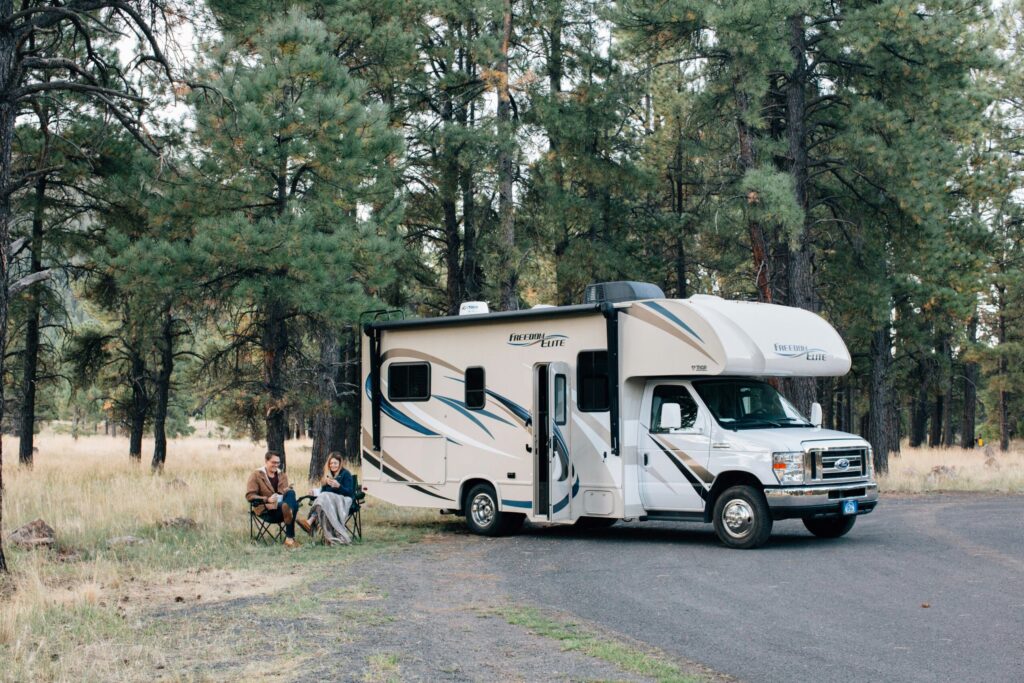
RV Rentals West Coast: Models, Prices, and Pro Tips Picture waking up to the peaceful sound of the Pacific, breathing in the fresh air, and knowing that a new adventure awaits around every corner. That’s the magic of exploring the West Coast in an RV from top companies like NW Adventure Rentals, Cruise America, and Outdoorsy. Renting an RV for your cruise and adventure on the West Coast can make your journey more fulfilling. The convenience of an RV means you have the freedom to explore at your own pace, setting up camp under starlit skies or beside roaring campfires. In this guide, we’ll help you understand: Top RV Rental Companies on the West Coast The West Coast has a variety of RV rental companies, each offering its unique fleet and services to cater to different people. Here are some of the top RV rentals on the West Coast: NW Adventure Rentals NW Adventure Rentals is the premier choice for RV rental services on the West Coast. Sure. We’re a bit biased but this is your top choice due to its commitment to providing a seamless and luxurious travel experience: Here’s what makes NW Adventure Rentals stand out: But don’t take it from us, this is what past customers say: “Great company to do business with! I highly recommend them if you’re looking to rent a travel trailer.”—Danny Schwartz, Verified Customer “We have rented twice. Both great experiences. If you are in need of extra bedrooms for visitors or in need of a place to stay during construction having a trailer delivered was a great option. These are much nicer than the hotel and a better price.”—Katy Gosser, Verified Customer “I highly recommend NWAR, a small family-owned service focused on sharing their passion of RVing with others.”—The Hayes Family, Verified Customer Cruise America Cruise America boasts a wide-reaching presence across the nation, with numerous locations along the West Coast. Known for their standardized and well-maintained fleet of RVs, they offer a dependable choice for families and first-timers. Their customer service is great, with a 24/7 hotline for on-road support, ensuring peace of mind as you traverse the coastal routes. Outdoorsy Dubbed as the ‘Airbnb’ of RV rentals, Outdoorsy connects RV owners with renters, offering a personalized touch to your traveling experience. Their platform allows for a wide range of RV models. From vintage Airstreams to modern Class As, you’re sure to find a home-on-wheels that resonates with your style and needs. The peer-to-peer approach means you can often find more competitive pricing and helpful tips from owners who know their vehicles inside out. RVshare Similar to Outdoorsy, RVshare is a peer-to-peer rental service that puts multiple RV options at your fingertips. From luxurious motorhomes to cozy campervans, there’s a match for every road trip dream. RVshare stands out with their rental insurance and 24-hour roadside assistance. This ensures that renters are safe should the unexpected happen. Road Bear RV Rentals For those looking for a touch of luxury, Road Bear RV Rentals is your solution. It has high-end RVs that are often newer models packed with quality amenities. They focus on quality and comfort, offering spacious interiors and sleek designs to make your mobile accommodation enjoyable. Also, their dedicated customer service and extensive walkthroughs ensure you hit the road with confidence. Escape Campervans Escape Campervans is perfect for those seeking a unique and adventurous travel experience. Their colorful, hand-painted campervans are sure to turn heads and spark conversations. These vans are ideal for exploring the West Coast, offering a fun and compact way to travel. They also provide extra gear like: These extra gears ensure you’re ready for any adventure. Models and Prices: Finding Your Perfect West Coast Ride Embarking on a West Coast adventure requires the right set of wheels. The RV rental market offers a range of models that cater to different tastes and travel needs. Let’s examine the popular types and their respective price ranges. Class A Motorhomes: The Rolling Estates These are the largest and most luxurious of RVs, resembling a commercial bus in size and comfort. With expansive living spaces, full bathrooms, and often upscale finishes, they are the definition of road-going luxury. Rentals typically range from $200 to $400 per night, depending on the age and model. Cruise America and Road Bear RV Rentals offer Class A vehicles, with Road Bear presenting newer, more premium options. NW Adventure Rentals also offers Class A motorhomes that are first class and well-maintained to help you experience the luxury you deserve. “Rented a Class A Winnebago for Labor Day. Had an awesome trip. The RV was in first class shape and well equipped. Easy pickup and return. Excellent people to deal with. Hope to rent there again soon.” —Alan Fuebringer, Verified Customer Class B Motorhomes: Cozy and Compact Luxury Often built on a van chassis, these models are smaller than Class As but don’t compromise on luxury. They’re perfect for couples or small families who want a mix of comfort and maneuverability. Prices for Class Bs can run between $100 to $300 per night. Outdoorsy and RVshare are good sources for finding a range of Class B models, offering both high-end and budget-friendly options. Class C Motorhomes: The Family Favorite Balancing size and convenience, Class C motorhomes are known for their distinctive cab-over design. They offer a homely feel with sufficient space for the family. Rental rates for Class Cs generally fall between $150 to $350 per night. “Jason made the rental process quick and easy! Will definitely use them again. Nice clean class C that got us to our bike race in Tamarack, Idaho and back with some comforts of home. Great Service!”—Ronnie Callau, Verified Customer Travel Trailers: The Tow-Along Adventure For those who prefer to tow their living quarters behind their vehicle, travel trailers are an excellent choice. They vary in size and can be as deluxe or as basic as you choose. Renting a travel trailer can cost anywhere from $50 to $200 per night. NW Adventure Rentals and Outdoorsy offer several travel trailer options, ensuring a good fit for every

Adventure, Camping, Destinations & Itineraries, RV Lifestyle & Travel, Washington

Winter Activities in Washington State

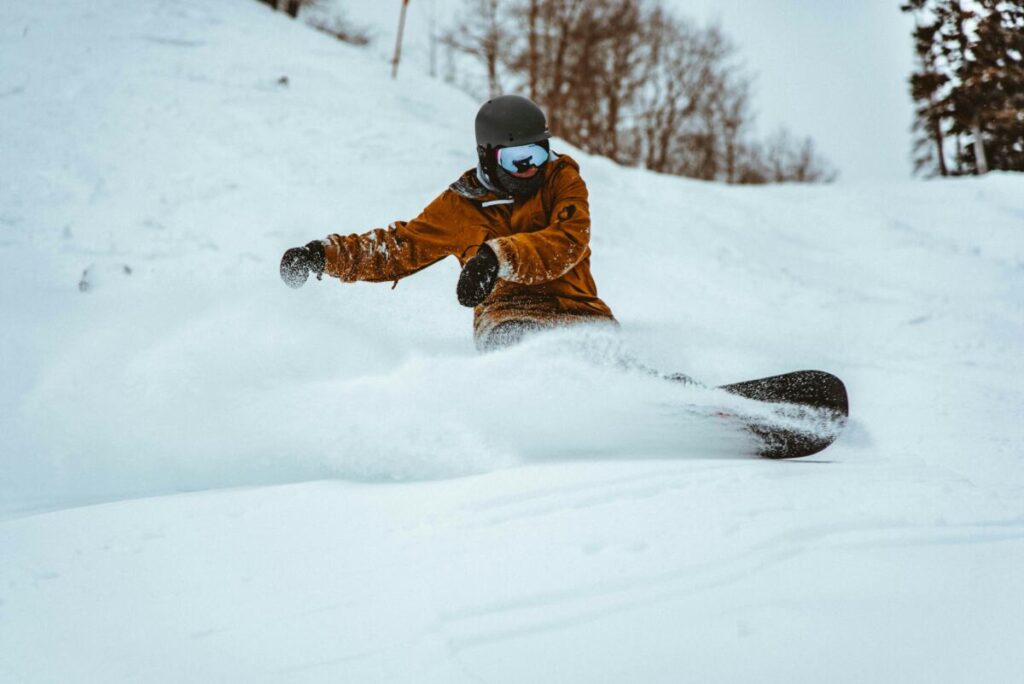
Winter Wonders: Your Guide to Enjoying Washington’s Chilly Charms Washington’s winter months cloak the state in a serene blanket of snow and crisp, clear skies that attract adventurers and peace-seekers alike. It’s a time to engage in activities such as skiing, snowshoeing, sledding, and whale watching. The Evergreen State’s landscape in winter is a reminder that the season can be as much about exploration and discovery as it is about rest and rejuvenation. This article explores the best winter activities in Washington State to help you plan your adventure. It also highlights: Top Winter Activities in Washington Winter in Washington is suitable for activities such as: Skiing and Snowboarding Glide down the slopes of Washington’s ski resorts, where winter sports lovers gather for the ultimate snowy adventure. Top locations for skiing and snowboarding include: For the best experience, follow these tips: When skiing and snowboarding, wear thermal base layers, waterproof ski pants, and jackets. Also, goggles and a helmet offer safety and comfort. Snowshoeing Snowshoeing is a peaceful way to explore Washington’s snow-covered landscapes. You can snowshoe at Mount Rainier National Park. This park offers trails like the Nisqually Vista Loop, where you can enjoy views of the mountain and its surroundings. Olympic National Park’s Hurricane Ridge is also a good spot that provides a winter snowshoeing experience. Thanks to its panoramic views and well-maintained trails. Follow these tips for a good experience: The dress code should include insulated, waterproof boots along with moisture-wicking socks. This allows for adjusting to activity levels. Winter Festivals and Events Embrace the festive spirit at Washington’s winter festivals. Here, lights and celebrations bring warmth to the chilly season. You can enjoy winter festivities such as: Always plan your visit to coincide with specific events or performances. In Leavenworth, weekday visits can mean fewer crowds. At Pike Place, explore beyond the main market area to discover hidden gems. In terms of what to wear, consider warm, layered clothing. This is because temperatures can drop in the evenings. Whale Watching Experience the awe of seeing whales in their natural habitat during Washington’s winter season. Suitable spots for whale watching include: To have a seamless experience: Indoor Activities: Museums and Galleries Winter in Washington state gets even more interesting when experienced indoors. You can learn about Washington’s history and culture through its museums and galleries. This is a perfect retreat from the cold. You can visit the Seattle Art Museum. It offers a diverse collection, from Native American art to contemporary pieces. Another example is the Museum of Flight. It will you on a journey through aviation history. Follow the following tips: Sledding Feel the rush of excitement as you sled down Washington’s snowy slopes, a delightful activity for families and thrill-seekers alike. You’ll like the Hyak Sno-Park which offers a designated sledding hill with nearby amenities—making it ideal for families. The sledding areas at Mount Rainier National Park, such as Paradise, offer stunning scenery and varied slopes. Follow these top tips to make your thrill even more lovely: Taking a Hike A winter hike will let you discover the serene beauty of Washington’s landscapes, transformed under a blanket of snow. You can hike at Discovery Park in Seattle. This park offers gentler trails with views of Puget Sound, ideal for a leisurely hike. The Spokane River Centennial Trail is good if you want a trail that’s accessible and caters to all levels. Here are our top tips when hiking on these trails: Treating Yourself to a Spa Indulge in relaxation and rejuvenation at one of Washington’s luxurious spas, an ideal way to unwind after a day of winter adventures. Examples of top spas include: Follow the following tips to help you enjoy your spa treatments: Paddle Boarding Paddle boarding in winter offers a peaceful experience on Washington’s waters. You can paddle board at Lake Union. It provides a calm setting with stunning views of the Seattle skyline. Lake Washington is ideal if you want more exploration opportunities. Follow the following tips: Ice Skating This is a festive and fun activity for all ages. Skate through winter on one of Washington’s many ice rinks: Follow these helpful tips: Making the Most of Your Winter Activities Winter in Washington is a season filled with potential for adventure and relaxation. To truly make the most of it, consider these tips: Plan Ahead Embrace the Season Combine Activities Pair outdoor adventures with indoor relaxation. After a day of skiing or snowshoeing, treat yourself to a spa day or explore the local museums and art galleries. This combination balances the excitement of outdoor activities with the relaxation of indoor leisure. Combine physically demanding activities like skiing or ice skating with more laid-back experiences, such as whale watching or a scenic drive. This allows you to experience the diversity of Washington’s winter landscape without exhausting yourself. For families, combining educational indoor activities with fun outdoor experiences can be a great way to keep everyone engaged. Visit a museum in the morning and go sledding or ice skating in the afternoon. Enjoy Winter Activities in Washington With RV Travel Winter brings brings a special flavor to the state of Washington. With a range of activities from ski slopes to hikes and lively festivals, Washington in winter caters to a wide array of interests and preferences. But there’s more. You can experience Washington’s winter with a home on the wheels. Renting an RV can add an extra layer of comfort and convenience to your adventure. It allows you to navigate the state’s diverse landscapes at your own pace. It also offers a cozy retreat after a day of adventure. NW Adventure Rentals is your source for modern, well-maintained RVs in Seattle. Our RVs will transform your winter trip in Washington into a lovely, homely stay. But don’t just take our word for it—here’s what past customers have to say about their experiences: “We first rented an RV from NW Adventures, and had a GREAT experience!! We didn’t know much, and everyone was so patient and helpful with explaining details.”—Kirby Laney, Verified Customer “We just rented our first

Adventure, Destinations & Itineraries, Parks, RV Lifestyle & Travel

Buck Mountain Lookout Tower

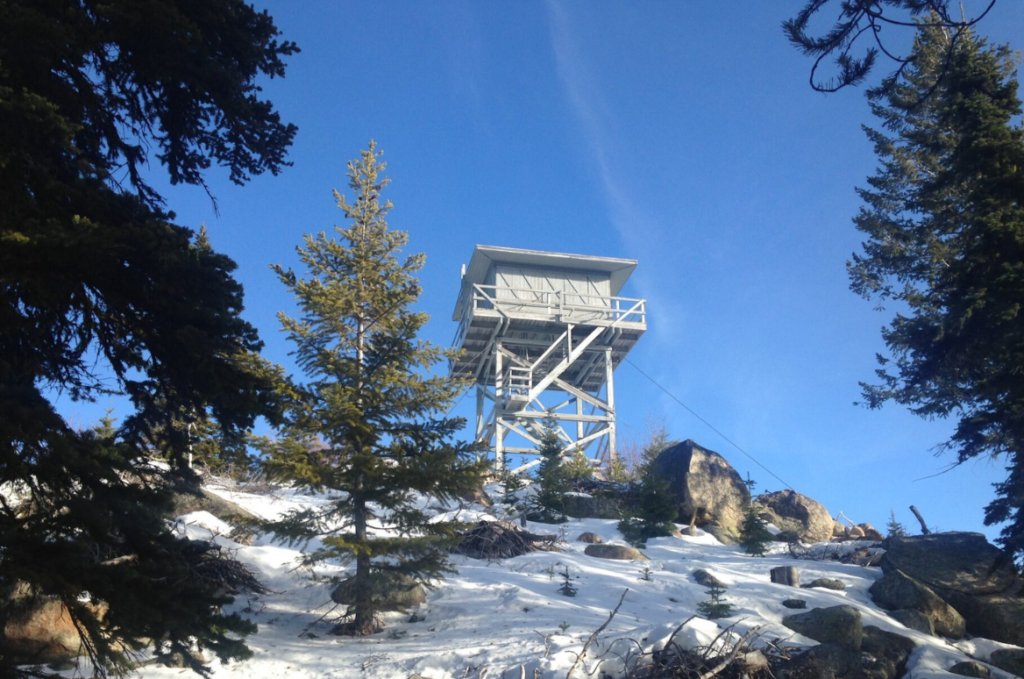
Buck Mountain Lookout Tower: A Journey Through History and Serenity Washington’s Buck Mountain Lookout Tower serves as a window to the past and a vantage point over the rich, lush landscapes of the region. Here, atop the tower, you find yourself surrounded by the calming whispers of nature and the vast expanse of forest stretching out in all directions. Buck Mountain Lookout Tower appeals to hikers, history enthusiasts, and those seeking a quiet escape. This article carefully examines the Buck Mountain Lookout Tower and highlights: The History of Buck Mountain Lookout Tower The Buck Mountain Lookout Tower stands as a silent witness to efforts of forest management and fire prevention in Washington. Constructed in the early 20th century, this tower was part of a broader initiative to monitor and protect vast forested areas from wildfires. In this era, the only way to spot a distant fire was from a high vantage point, towers like the one on Buck Mountain were crucial. These towers served as eyes in the sky that rangers and firefighters relied on to provide early warnings of smoke and fire. The Buck Mountain Lookout Tower’s strategic location was chosen to maximize visibility across the dense, rolling forests of the region. Over the years, the Buck Mountain Lookout Tower has been the site of numerous fire watches. Its presence has helped avert disasters, saving countless acres of forest and protecting the wildlife and communities within. The tower has also witnessed changes in forest management techniques and the advent of modern technology in fire detection. Yet, despite these advancements, it remains a symbol of the enduring human effort to coexist with nature’s powerful forces. Today, the Buck Mountain Lookout Tower offers visitors with: Getting There: Navigating to the Tower You’ll weave through some of Washington’s most lovely landscapes to get to the Buck Mountain Lookout Tower. The route is fairly straightforward, but it always helps to be well-prepared, especially for those visiting for the first time. Starting Point: From Seattle to the Trailhead Follow the following steps: The Final Stretch: Approaching Buck Mountain As you approach Buck Mountain, follow the local road signs to get to Buck Mountain Road. This accessible route will take you directly to the Buck Mountain trailhead parking area, where your hiking adventure begins. Hiking to the Tower From the parking area, a marked trail leads to the lookout tower. The hike is moderately challenging and appropriate for those with basic hiking experience. Transportation Tips Follow the following transportation tips: Why Buck Mountain Lookout Tower is a Must-Visit Buck Mountain Lookout Tower is a must-visit for anyone exploring Washington. Here is why: Best Times to Visit, Operating Hours, and Seasonal Variations Planning your visit to Buck Mountain Lookout Tower? Timing can make all the difference in enjoying what this remarkable spot has to offer. Here’s a guide to help you pick the perfect time for your visit, along with some handy info on the tower’s operating hours and seasonal variations. Best Seasons for Visiting All seasons are perfect for visiting the Buck Mountain Lookout Tower as follows: Operating Hours and Accessibility The tower is generally accessible from morning to evening. There are no specific opening and closing times, but it’s best to visit during daylight hours for safety and to fully enjoy the views. In winter, access to the tower may be restricted due to snow. Check the local forest service updates for any seasonal closures or access issues. Seasonal Variations Each season offers a unique experience. In spring and summer, you’re likely to encounter a lush, lively environment. Fall brings a spectacular change in foliage, while winter covers the landscape in a tranquil blanket of snow. Wildlife viewing also varies by season. Spring and summer are great for birdwatching, while deer and other mammals are more commonly seen during the fall. Visitor Information: Fees, Restrictions, and Guidelines A trip to Buck Mountain Lookout Tower is a delightful experience, and being well-informed about the fees, restrictions, and guidelines ensures a smooth visit. Here’s what you need to know: Entrance and Usage Fees Good news for visitors: there are no entrance or usage fees for accessing Buck Mountain Lookout Tower. The area is open to the public, offering an affordable adventure for everyone. Restrictions While Buck Mountain Lookout Tower is a welcoming destination, visitors should be mindful of the following: Safety and Leave No Trace Principles For your safety and to preserve Buck Mountain’s natural beauty, follow these guidelines: What to Bring and How to Prepare To make the most of your trip to the Buck Mountain Lookout Tower, it’s crucial to come well-prepared. Here’s a checklist of what to bring and some tips on how to prepare for your adventure: Essential Gear and Supplies Navigation Tools Bring the following tools for navigation: Safety and First Aid It’s good to be safe. Carry the following: Photography Equipment Bring a camera or smartphone to capture the stunning views. Remember to carry extra batteries or a power bank in case you run into low battery issues. Terrain, Weather, and Additional Tips Here are more tips to make your Buck Mountain Lookout Tower trip even more comfortable RVing Your Visit to the Buck Mountain Lookout Tower Look. Visiting Buck Mountain Lookout Tower brings a profound sense of connection to the land and its story. Renting an RV will help you and your loved ones enhance this experience. RV travel provides a comfortable and flexible way to explore. It also allows you to extend your stay in the beautiful surroundings of Buck Mountain. Imagine waking up to the peaceful forest sounds or enjoying a cozy evening after a day of exploring, all within the comfort of your mobile retreat. That’s the beauty of RVing at Buck Mountain. So, why wait? Plan your trip to Buck Mountain Lookout Tower today. And book your preferred RV with NW Adventure Rentals to enjoy your trip even more. We make renting easy, offer fully equipped and modern RVs, transparent pricing, and our customers recommend us. Check our RV collection or contact us if