Campgrounds

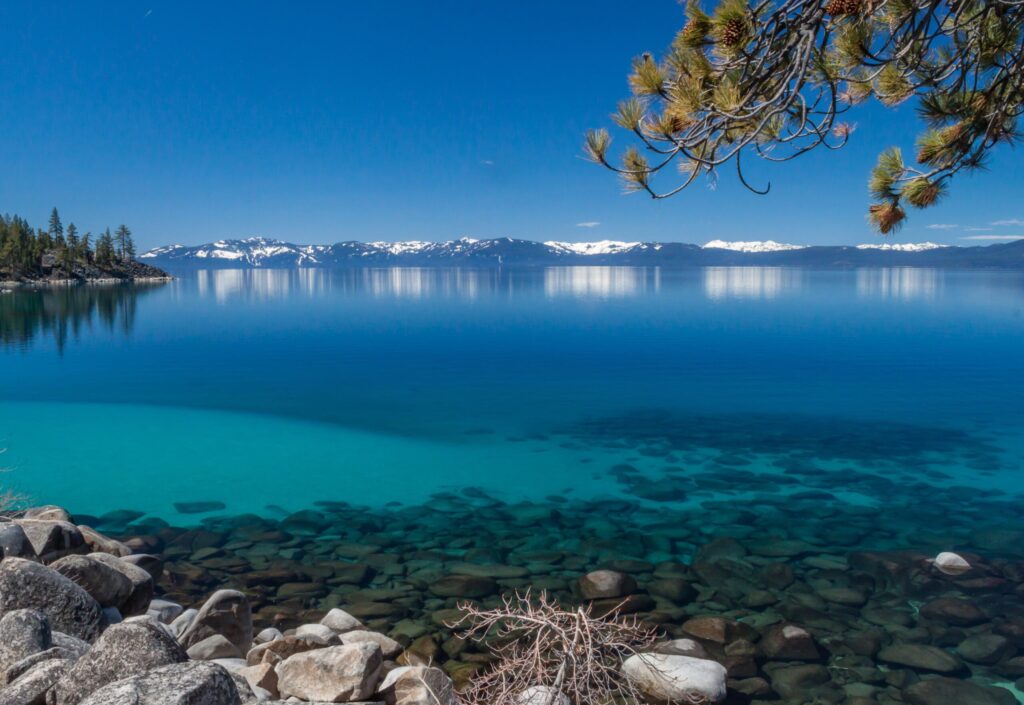
A photo of a lake with clear waters
Adventure, Campgrounds, Camping, Destinations & Itineraries, RV Lifestyle & Travel

The Alpine Gem: Embracing Lake Tahoe’s Majestic Allure

The Alpine Gem: Embracing Lake Tahoe’s Majestic Allure Lake Tahoe is a natural wonder set among the peaks of the Sierra Nevada. Its waters are famously clear, giving visitors a chance to enjoy views both above and below the surface. Whether you are boating, hiking, relaxing with family, or planning an RV getaway, Lake Tahoe offers a mix of beauty, adventure, and calm that keeps people coming back. What makes Lake Tahoe stand out: Clear blue water and mountain views Access to outdoor activities in every season A location that spans both California and Nevada Family-friendly attractions and scenic campgrounds Great routes and destinations for RV travelers Lake Tahoe is more than a beautiful destination. It is a place where road trips, outdoor adventure, and lasting memories come together. Lake Tahoe’s Broad Appeal Lake Tahoe attracts visitors from all over the world. People come for the clear water, the alpine setting, and the range of things to do throughout the year. From quiet shoreline walks to full outdoor adventure, Tahoe appeals to couples, families, solo travelers, and RV vacationers alike. The setting is part of what makes the experience stand out. The lake is framed by mountain peaks, forested slopes, and scenic shorelines that change with the seasons. No matter when you visit, Tahoe offers a fresh perspective. Lake Tahoe: A Geographic Marvel Lake Tahoe sits high in the Sierra Nevada mountain range along the border of California and Nevada. Its location makes it a favorite for travelers looking for both relaxation and adventure. It is one of the largest lakes in the United States by volume, and at more than 1,600 feet deep, it is the second deepest lake in the country. The surrounding region adds even more appeal. Visitors to Tahoe are also within reach of other natural landmarks across Northern California and the Sierra region, making it a strong base for extended travel and RV exploration. Charting the Course: Journey to Lake Tahoe Lake Tahoe is accessible by both car and air, with the final leg of the trip completed by road. The drive into Tahoe is part of the experience, with mountain views and changing landscapes along the way. Driving Directions From Major Cities San Francisco: About 3.5 hours via I-80 E and US-50 E Las Vegas: About 8 hours via US-95 N and US-50 W Los Angeles: About 8 hours via I-5 N and CA-99 N Air Travel and Ground Transportation Reno-Tahoe International Airport (RNO): About 45 minutes from North Lake Tahoe Sacramento International Airport (SMF): About 2 hours from Lake Tahoe From either airport, travelers can rent a car or use shuttle services to reach the lake. Tips for an RV-Friendly Route Choose routes with wider grades when possible Check road conditions before departure, especially in winter Watch for chain requirements and seasonal restrictions Use RV parks and campgrounds along the way for overnight stops and local road updates The Lure of Tahoe’s Waters: Why It’s a Must-Visit Destination Lake Tahoe is not only beautiful, it is also packed with activities for travelers of all ages and interests. Popular Summer Activities Boating Kayaking Paddleboarding Hiking Biking Beach days with the family Winter Activities Skiing Snowboarding Snowshoeing Year-Round Activities Fishing Scenic drives Family beach outings Lakeside dining Nature walks Whether you want a peaceful trip or an active vacation, Tahoe gives you both options. Timing Your Tahoe Getaway: Seasons of Splendor The best time to visit Lake Tahoe depends on what kind of trip you want. Summer, from June through August, is ideal for water activities, hiking, and beach time. Warm days and cool evenings make it a great season for campfires, family outings, and RV stays. Winter, from November through April, is best for snow sports. January and February often bring the best snow conditions for skiing and snowboarding. Spring and fall offer a quieter experience. These shoulder seasons usually bring lighter crowds, easier campground access, and a slower pace that many RV travelers enjoy. Seasonal Highlights Summer: Warm weather, clear skies, hiking, beach days, paddleboarding Fall: Crisp air, colorful foliage, quieter trails Winter: Snow-covered scenery, ski resorts, snowshoeing Spring: Wildflowers, waterfalls, milder weather, fewer crowds Tahoe Through the Seasons: A Guide to the Ideal Experience Lake Tahoe delivers something different in every season. Summer Relax on sandy beaches Swim or paddleboard in clear water Hike and bike scenic trails Enjoy meals at lakeside restaurants Fall Hike among changing leaves Enjoy quieter fishing spots Take in cooler temperatures and fewer crowds Winter Ski or snowboard at top resorts Explore snowy trails on snowshoes Return to your RV for a warm and comfortable evening Spring See wildflowers begin to bloom Enjoy less crowded trails Experience the lake in a quieter, more relaxed season Embracing Tahoe With the Family: Activities for All Ages Lake Tahoe offers plenty for families traveling with children of all ages. Family-Friendly Activities Beaches with shallow areas for play Adventure parks with ropes courses and zip lines Mini-golf and arcades Scenic picnic areas Nature walks and educational programs Educational Stops for Kids Guided nature walks Junior Ranger programs Taylor Creek Visitor Center Tallac Historic Site These attractions make Tahoe a strong destination for families who want both fun and learning built into the trip. The RV Traveler’s Companion: Exploring Lake Tahoe on Wheels Lake Tahoe is a great destination for RV travel. An RV gives you the freedom to explore at your own pace while keeping the comfort of home close by. NW Adventure Rentals gives travelers a practical way to enjoy the region with a well-equipped RV built for comfort and flexibility. Best RV Parks and Campgrounds Around Lake Tahoe Camp Richardson, with full hook-up sites, bike trail access, a marina, and a general store Zephyr Cove RV Park & Campground, with a quieter forest setting near the lake Tips for RV Vacationing Families Reserve campgrounds early, especially during peak season Look for sites with family-friendly amenities Check road and size restrictions before you go Pack for changing weather, including
Adventure, Campgrounds, Camping, Destinations & Itineraries

Camping in Tri Cities WA: A Quick Rundown

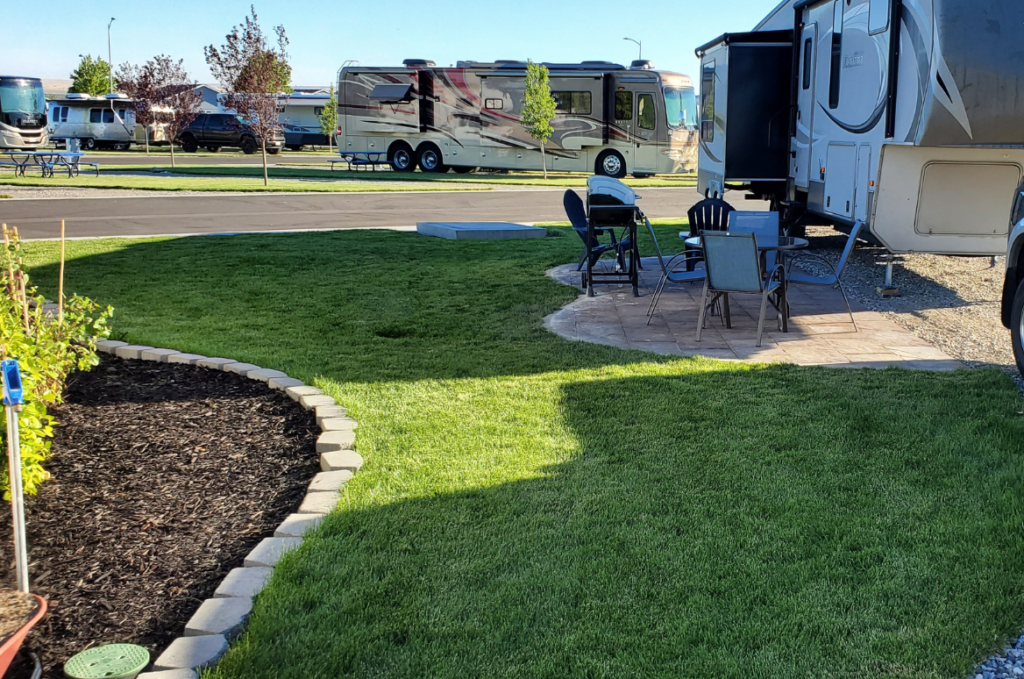
Discovering the Hidden Charms of Camping in Tri-Cities, WA: A Complete Guide If you are looking for an ideal spot to enjoy the outdoors without venturing too far from the comforts of modern amenities, visit Tri-Cities. Each of these cities comprising Kennewick, Pasco, and Richland provides unique camping experiences from their unique features. Think about a perfect blend of three beauties: Kennewick is lush and green, Richland offers beautiful river views, and Pasco is known for its spacious landscapes. Whether you’re a seasoned camper or trying it out for the first time, their location at the meeting point of Columbia, Snake, and Yakima Rivers, offers you a refreshing blend of natural beauty and outdoor activities. This guide covers what you need to know when camping in Tri-Cities, WA. You’ll learn: Why Try Camping in Tri-Cities, WA? Tri-Cities offers you a unique blend of scenic beauty, tranquil moments, and memorable wildlife encounters that together create an unparalleled camping experience. One of the standout features of camping in the Tri-Cities is the clarity of the night sky. This allows you to enjoy stargazing away from the glare of city lights. There is also a variety of wildlife, thanks to the convergence of the three rivers. This makes it an ideal spot for watching wildlife in their natural habitat, whether it is a family of deer grazing nearby or the thrill of spotting a bald eagle soaring overhead. Besides these natural attractions, the calmness of the area is something that resonates deeply with campers. Here, you can find a sense of peace that’s rare in our busy lives. Whether you’re sitting quietly by the riverbank, hiking a trail, or just enjoying the warmth of a campfire, the serene atmosphere of Tri-Cities offers you a chance to unwind and reconnect with nature. Where to Set Up Camp: Exploring Tri-Cities’ Best Campgrounds If you are planning your next camping and are looking to camp at a place that enhances your overall RVing experience, consider any of these campgrounds: Hood Park Campground This place is located near the junction of the Snake and Columbia Rivers and is for both tent and RV campers. It’s equipped with essential amenities like water and electric hookups. The campground also offers picnic areas, boat ramps, and swimming beaches. Its diverse landscape of grassy areas and shaded spots is perfect for families looking to enjoy a range of activities. Charbonneau Park Charbonneau Park is a must-visit if you are seeking a blend of scenic beauty and modern conveniences. It is located on the Snake River, allowing you to enjoy: RV campers will appreciate the full hookups available, while tent campers can enjoy the more primitive sites closer to the water. The park’s serene setting makes it a haven for birdwatchers and nature lovers. Two Rivers Park If you want to disconnect and immerse yourself in nature, Two Rivers Park offers a simpler camping experience. Although the facilities are basic and may lack some amenities, this park offers a peaceful atmosphere and beautiful surroundings to make up for those lacks. It has limited accommodation facilities so it’s good if you are self-contained or are using an RV. Sacajawea State Park Sacajawea State Park is at the junction of the Snake and Columbia rivers. It offers a unique mix of history and natural beauty. The interpretive trails and the Sacajawea Interpretive Center help you understand the park’s rich past. It is well-equipped for both tents and RVs, with amenities that ensure a comfortable stay. It’s a great spot for families, with plenty of educational and recreational activities available. Timing Your Trip: The Best Seasons for Camping in Tri-Cities Camping in the Tri-Cities is suitable throughout the year. Spring (March to May) If you enjoy wildflower displays and greener landscapes, spring in the Tri-Cities is a time of renewal. The weather gradually warms, with average temperatures ranging from the mid-50s to the low 70s. The rivers are often at their fullest due to snowmelt, offering stunning views and opportunities for fishing. However, be prepared for occasional rain showers, and keep in mind that nights can still be chilly. Summer (June to August) If you want to enjoy water activities like boating, swimming, and fishing, summer is the most popular season for camping in the Tri-Cities. The weather is consistently warm, with temperatures often in the 80s and 90s. The days are long, giving you plenty of daylight for hiking and exploring. However, summer also means more visitors, so book your campground in advance. Be aware of the higher temperatures and plan your activities accordingly to avoid the midday heat. Fall (September to November) If you are seeking to enjoy hiking, the fall brings a magical change to the landscape, with cooler temperatures and changing foliage. The weather is mostly mild, with average temperatures in the 60s and 70s. Enjoy the crisp air and golden hues of trees, but be prepared for cooler nights and the occasional early frost. Winter (December to February) Winter camping in the Tri-Cities is for adventurers. Temperatures drop, often hovering around the 30s and 40s, and snow is common in the surrounding hills and mountains. While many campgrounds close or have limited facilities during this season, those that remain open offer a serene and starkly beautiful landscape. Be well-prepared with the right gear for cold-weather camping. Beyond the Tent: Activities and Adventures in Tri-Cities As an RVing enthusiast, the Tri-Cities region in WA offers you a number of interesting activities and adventures to color your camping experience. Here are some of them: Outdoor Activities Common outdoor activities in Tri-Cities include: Columbia Park in Kennewick and Howard Amon Park in Richland offer great access points for water activities. Local Attractions and Cultural Experiences To indulge in the local cultures, you may want to try the following: Dining and Leisure After a day full of activities, indulge in the local culinary scene. Tri-Cities boasts a variety of dining options, from casual cafes to upscale restaurants. For a unique experience, try dining at a riverside restaurant, where the views complement the flavors. If you are a golf enthusiast you will appreciate the area’s numerous golf

Adventure, Campgrounds, Camping, Parks, RV Lifestyle & Travel

Places to Visit Near Joshua Tree

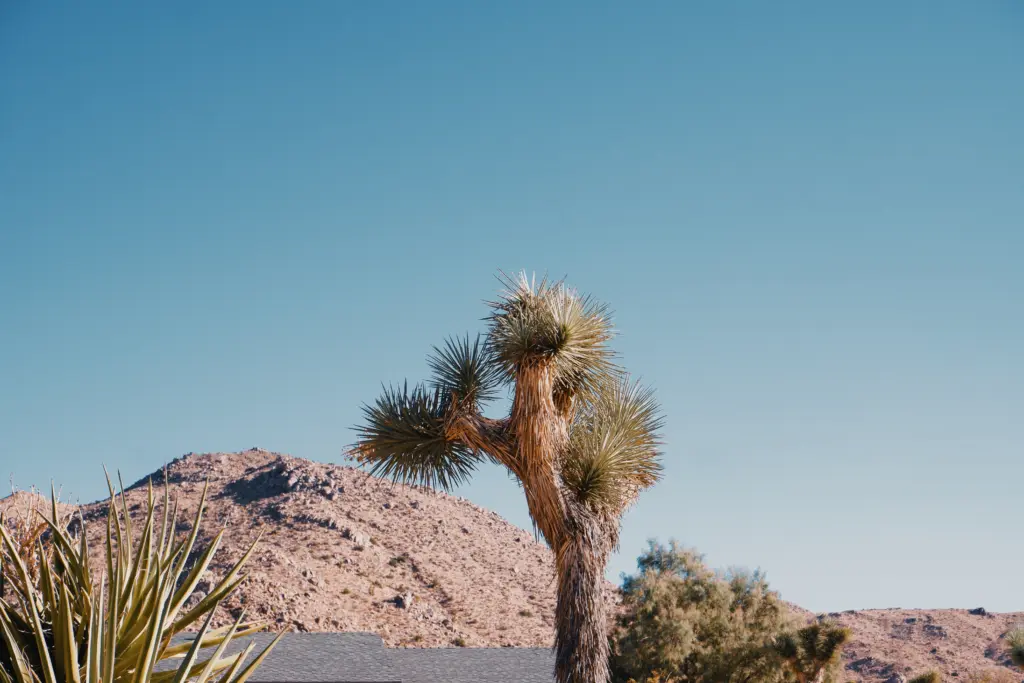
Places to Visit Near Joshua Tree Table of Contents Nestled in the heart of California’s desert, Joshua Tree is a mesmerizing confluence of two distinct desert ecosystems: the Mojave and the Colorado. Its otherworldly landscapes, punctuated by the iconic, twisted Joshua Trees and vast, starlit skies, have beckoned travelers for years. But what many don’t realize is that the wonders of this desert region extend well beyond the boundaries of the national park itself. But Joshua Tree isn’t just about the untamed wilderness. From historical sites that echo tales of the Old West to serene spots perfect for family picnics, the areas near Joshua Tree are a haven for people looking to blend adventure with convenience. Imagine parking amidst the backdrop of the giant boulders and stark landscapes, or setting up camp just in time to catch the golden hour. In the surroundings of Joshua Tree, there’s a trove of RV-friendly attractions that are just waiting to be explored. So, as you get ready for your next adventure, let Joshua Tree and its neighboring wonders guide the way. Dive deep into a journey that promises not just sights, but experiences; not just stops, but stories. Welcome to your RV adventure guide for Joshua Tree and its enchanting surroundings. Unmissable Spots Near Joshua Tree The beauty of Joshua Tree National Park is undeniable, with its iconic trees and mesmerizing landscapes.However, the surrounding area also boasts a treasure trove of unique attractions that beckon the curious traveler. From diving into history to seeking out the enigmatic, the spots near Joshua Tree are as diverse as they are captivating. Pioneertown: Once the backdrop for numerous Old West films of the 1940s and 1950s, Pioneertown now stands as a living testament to the wild west era. Strolling down Mane Street, you’ll be transported back in time, passing original set buildings that now house lively bars, quirky boutiques, and artisanal shops. Don’t miss the famous Pappy & Harriet’s Pioneertown Palace, where live music sets the tone for an unforgettable desert evening. With its authentic wooden facades and dusty roads, Pioneertown offers a slice of cinematic history wrapped in real-world charm. Salton Sea: A vast expanse of shimmering blue amidst the desert, the Salton Sea is California’s largest lake, and its story is as intriguing as its views. Originally formed by an engineering mishap in the early 20th century, the lake’s shores are dotted with relics of once-thriving resort towns. Venture further and you’ll encounter Salvation Mountain, a vibrant art installation preaching love and peace, and Slab City, often termed as the “last free place in America.” The Salton Sea region is a tapestry of natural beauty, history, and eccentricity. Integratron: Nestled in the desert near Joshua Tree, the Integratron is a structure like no other. Built on the premise of rejuvenation, time travel, and extraterrestrial guidance, this wooden dome is renowned for its perfect acoustics. Visitors flock here for the famous “sound baths,” where resonating quartz bowls create a sonic experience believed to relax and heal. Whether you’re seeking a spiritual awakening or simply curious about its architecture and history, the Integratron promises a uniquely harmonious desert experience. Coachella Valley: Not just the namesake of the famed music festival, Coachella Valley is a haven for those who thrive in the outdoors. Golf enthusiasts will find themselves spoilt for choice with the valley’s world-class courses set against striking mountain backdrops. If golf isn’t your swing, the numerous hiking trails, ranging from leisurely walks to challenging treks, offer a chance to explore the region’s diverse ecosystems. The Coachella Valley Preserve, with its palm oases and serene ponds, is a must-visit, providing a refreshing contrast to the surrounding desert. Each of these spots, in its unique way, amplifies the magic of the Joshua Tree region. Beyond the iconic national park, lies a world brimming with stories, adventures, and experiences waiting to be discovered. Getting To Joshua Tree Stepping into a road trip dream with scenic routes that give way to expansive desert vistas and starry night skies, the journey is every bit as enchanting as the destination. Whether you’re a seasoned RV traveler or embarking on your first, here’s everything you need to know about hitting the road to this desert jewel. By Road: Navigating the vast Californian roads to reach Joshua Tree is a straightforward affair, especially if you’re accustomed to the state’s freeway system. Interstate 10 (I-10): This major interstate runs east-west and is the most commonly used route to get to Joshua Tree from both the Los Angeles area and from Arizona. To reach the park, exit at CA-62 (Twentynine Palms Highway) which leads directly to the town of Joshua Tree and the park’s main entrance. CA-247 (Old Woman Springs Road): For those coming from the northern areas like Victorville, CA-247 provides a scenic route that intersects with CA-62, leading you straight into Joshua Tree. RV Parks and Campgrounds: When it comes to laying your RV to rest for the night, there are plenty of convenient and picturesque options near Joshua Tree. Joshua Tree Lake RV & Campground: Located just a short drive from the national park, this campground offers full RV hook-ups and a serene lake setting. Twentynine Palms RV Resort: This is a great spot for families, with a pool, spa, and close proximity to the Joshua Tree National Park entrance. Hidden Valley Campground: Nestled within Joshua Tree National Park itself, this is a more rustic option, perfect for those looking to be at the heart of nature. Note that there are no RV hook-ups here, but the views are unparalleled. Tips for RV Drivers: Road Conditions: Most major roads leading to Joshua Tree are well-maintained. However, always check for any ongoing roadworks or closures before you head out. Potential Hazards: The desert can be unforgiving. Always ensure your RV is stocked with water, especially during the hotter months. Be mindful of wildlife crossings, particularly at dawn and dusk. Parking Spaces: While Joshua Tree National Park is a major attraction, parking spaces, especially for larger RVs, can be

Adventure, Campgrounds, Camping, Destinations & Itineraries

Oregon Family Camp Trip Recommendations

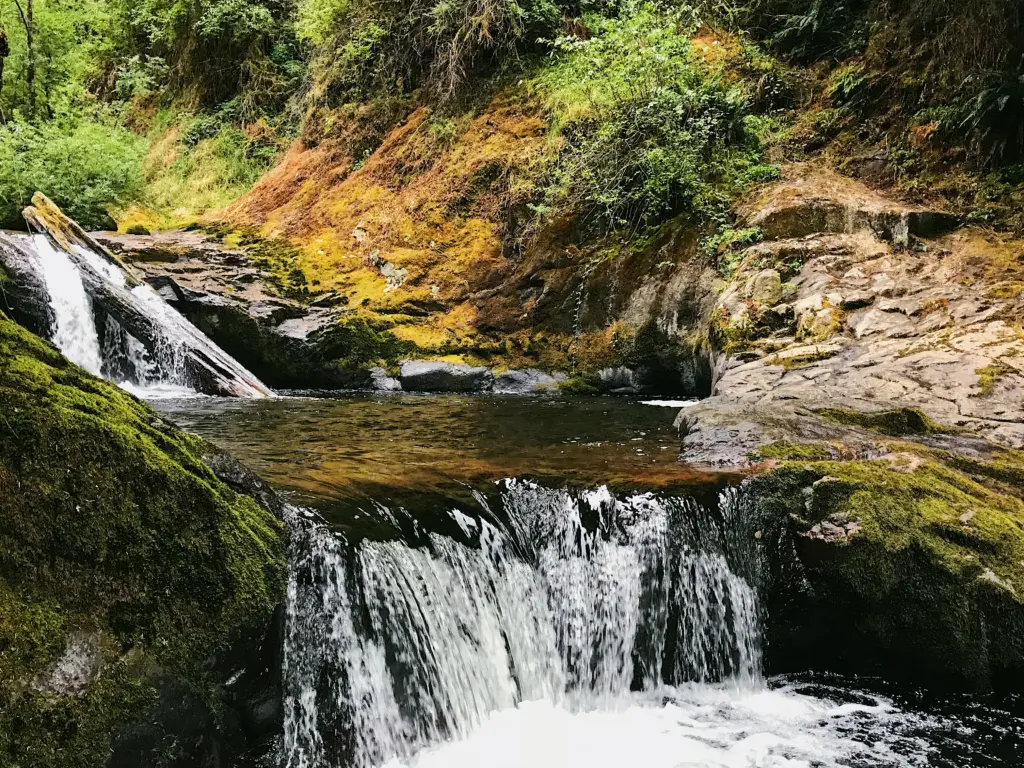
Oregon Family Camp Trip Recommendations Table of Contents At this point in your planning you’ve probably already learned about that Oregon has some of the nation’s best national parks and you want to start looking at RVs. There are three general categories you’ll want to know: – Class A RVs aka Big Motorhomes (26 to 45 feet)– Class B RVs aka Big Truck With Built In Trailer (17 to 23 feet)– Class C RVs aka Big Truck With Built In Trailer (20 to 28 feet)– Trailers aka Towed Campers (15 to 45 feet) But what makes the Pacific Northwest, and particularly Oregon, such a coveted travel spot for families yearning for an outdoor escape? It’s the combination of accessibility and raw wilderness. Families find in Oregon a playground vast enough to ignite imaginations yet intimate enough to create cherished shared moments. The rhythmic crashing of ocean waves, the thrill of spotting a deer grazing amidst the mist, or the sheer wonder as you gaze up at the starry canopy from a campfire’s glow – these moments, in their simplicity, encapsulate the essence of family camping trips here. If you’re ready to travel then you’ll want to go ahead and browse our fleet our luxury campers. Otherwise keep reading to learn more about visiting Metolius Springs. Oregon’s Most Popular Parks for Family Camping Trips Silver Falls State Park: Oregon’s largest state park, Silver Falls is aptly named, offering visitors a breathtaking journey through a realm where water cascades with grace and might. The crown jewel of this park is the Trail of Ten Falls, a looping trail that gives families the rare chance to not just witness, but to actually walk behind a cascade of falling water. Children’s eyes light up in wonder as they feel the refreshing mist and hear the thunderous roar up close. Beyond the falls, the park presents over 35 miles of backcountry trails, perfect for horseback riding, mountain biking, or a serene family hike. The campsites, designed with families in mind, feature spacious tent and RV sites, picnic areas, and playgrounds, making those moments of relaxation just as memorable as the adventures. Crater Lake National Park: A caldera brimming with the bluest of blues, Crater Lake is nature’s testament to the transformative power of cataclysmic events. Formed by the collapse of a volcano, this lake stands as the deepest in the U.S., with depths reaching almost 2,000 feet. But beyond its geological marvel, it’s the ethereal beauty of the place that captivates families. The Rim Drive offers panoramic views that seem to merge the skies with the sapphire waters below. For young explorers, the park has a selection of trails like the Sun Notch and Godfrey Glen, offering short yet immersive hikes into the park’s varied terrains without being too strenuous. Cape Blanco State Park: Perched on Oregon’s rugged southern coast, Cape Blanco offers camping sites with a blend of history and natural beauty. The westernmost point in the state, this park provides families with expansive coastal views that stretch endlessly, punctuated by the Cape Blanco Lighthouse, a beacon of Oregon’s maritime history. The access to six miles of sandy beaches means families can indulge in everything from beachcombing to kite flying, while the dense forest trails offer shelter and a dash of mystery. The park’s campground, with its well-equipped sites, ensures that even novices feel comfortable, while the horse camp and trails add another layer to the family outdoor experience. Smith Rock State Park: A geologic wonder, Smith Rock isn’t just a climber’s paradise but a family’s outdoor playground too. Rising dramatically from the Central Oregon desert, its spires, and cliffs showcase a palette of deep reds and browns. For families, the River Trail provides an easy hike, tracing the Crooked River and offering up-close views of climbers in action. Meanwhile, the child-friendly interpretive trails educate young minds about the park’s geology and ecosystem. As the day winds down, you might just spot golden eagles or prairie falcons soaring against the backdrop of a setting sun, adding the perfect touch to a day of exploration. The Ideal Oregon Roadtrip Camping Spots Travel Overview Oregon, in its splendor, feels like an open invitation to road-trippers, its roads winding through terrains that oscillate between lush forests, roaring rivers, and tranquil coastlines. For our journey, we’ll start from the heart of the state, make our way to the southern border, and culminate on the scenic Pacific coastline. As your RV wheels hum in tune with Oregon’s heartbeat, you’ll discover that the journey is every bit as enchanting as the destinations. Tumalo State Camp Nestled just a stone’s throw from Bend, Tumalo serves as a delightful starting point or mid-journey respite. The Deschutes River flows gracefully through, offering families a serene riverside camping experience. Here, the murmur of the river becomes your lullaby, and the dawn chorus of birds your morning alarm. The park’s campgrounds are equipped with modern amenities, ensuring a comfortable stay. Its proximity to Bend offers a blend of nature and city charm – making it a perfect spot for families wanting to dip their toes into the local culture, grab a craft beer or indulge in some artisanal ice cream. Valley of the Rogue State Camp Positioned strategically along I-5, this park acts as a comforting waypoint for families journeying between Oregon and California. But it’s more than just a convenient stopover. The Rogue River, with its rich history and vibrant ecosystem, lends the park its distinctive character. Families can set camp by its banks, indulge in a bit of fishing, or simply relax and enjoy the river’s tales. The trails weave through varying landscapes, each telling a story of the region’s flora and fauna. For those interested in Oregon’s literary history, it’s thrilling to know that renowned author Zane Grey penned his classic, Rogue River Feud, inspired by this very river. Jessie M. Honeyman Memorial State Camp Positioned snugly between the Oregon Dunes National Recreation Area and the deep blue of the Pacific, Jessie M. Honeyman offers families a unique dunes-meet-coast campingground experience. The vast stretch of

Adventure, Campgrounds, Camping, Destinations & Itineraries

Metolius Springs: Where to Camp & What to Do

Metolius Springs: Where to Camp & What to Do Table of Contents Nestled amidst the verdant heart of Oregon, Metolius Springs emerges as a sanctuary of unspoiled splendor. Picture this: crystal-clear waters bubbling forth from ancient volcanic rock, surrounded by towering pines that whisper stories of time gone by. The gentle hum of the forest, the rippling cadence of the springs, and the distant calls of native birds come together to create a symphony of nature, untouched and pure. For those of us in Seattle, this oasis lies tantalizingly close, almost beckoning with its serene beauty. Just a few hours on the road, and the bustling cityscapes give way to this tranquil hideaway. Whether you’re itching for a rejuvenating weekend retreat or seeking an idyllic pit-stop on a grander Pacific Northwest journey, Metolius Springs awaits, promising an intimate rendezvous with nature at its most raw and beautiful. If you’re ready to go then you’ll want to go ahead and browse our fleet our luxury campers. Otherwise keep reading to learn more about visiting Metolius Springs. The Legend of Metolius Springs The magic of Metolius Springs lies as much in its origins as it does in its pristine beauty. With waters emerging mysteriously from the base of Black Butte, an ancient shield volcano, the springs have long been a subject of fascination. Geologists and nature enthusiasts alike marvel at how such abundant, crystal-clear waters can pour forth with no discernible source. Legends among Native American tribes tell tales of these waters, attributing them to ancient spirits and deities that once roamed the land. Metolius Springs has earned its fame not just for its enigmatic origins, but also for its role as the lifeblood of the surrounding ecosystem. It feeds the Metolius River, which meanders through Central Oregon, providing sustenance to a diverse range of flora and fauna. The river and its springs play a crucial role in maintaining the ecological balance of the region, supporting everything from the smallest aquatic life to the majestic ospreys and eagles that soar above. Historically, the springs and the river have been vital to the communities that have lived in their vicinity. For Native American tribes, it was a source of both spiritual and physical sustenance. Later, settlers and explorers would come to rely on its waters for navigation and sustenance. Today, while its role might have shifted more towards recreation and tourism, the significance of Metolius Springs in the tapestry of the region’s history and ecology remains undiminished. Why Choose a Camper for Your Adventure? The Unique Camper Experience : Traveling by camper isn’t just another way to get from point A to B—it’s a transformative experience. Imagine having your home’s comforts seamlessly integrated with the pulse of the open road. No rigid schedules, no packing and unpacking at every destination, just the open road and your sense of adventure guiding the way. The flexibility a camper provides is unparalleled. Ever found a sunset spot you wish you could wake up to? Or a serene lakeside begging for an extended stay? With a camper, spontaneous decisions become a cherished part of the journey. Forget about the hassles of hotel check-ins, or the disappointment of a missed reservation; the road is yours to command. Economical Benefits: While the allure of a camper often revolves around the experience, it also presents significant economic advantages. For extended trips, the costs of hotel stays can quickly add up. Campers offer a cost-effective solution, merging transport and accommodation expenses. Moreover, with a camper, meals become a part of the fun. With the ability to cook and store food, you’re not tethered to hundreds of miles away from where you want to go. Whip up a quick breakfast before sunrise or enjoy a late-night snack under the stars—it’s all up to you. Environmental Considerations: Sustainability is more than just a buzzword; it’s a responsibility. Choosing a camper can significantly reduce your carbon footprint, especially when you compare it to the environmental costs of flying to a destination and then staying in a hotel. Additionally, campers allow you to be in the heart of nature, providing a closeness that hotel rooms often can’t match. And the best part? You get to enjoy this proximity to the great outdoors without the fuss of pitching tents or worrying about unpredictable weather. It’s a balance of eco-friendliness and convenience, making campers a conscious choice for the modern traveler. Seattle to Metolius: The Journey Embarking on a journey from Seattle to the enchanting Metolius Springs, travelers have a choice to make: take the direct path or indulge in the road less traveled, sprinkled with delightful detours. The Direct Path: For those keen on reaching Metolius Springs with efficiency, the I-5 South and US-97 South route is your best bet. Departing from Seattle, you’ll head south on the I-5, then make a transition to US-97 at the junction near Weed. This straightforward route spans a distance of roughly 300 miles and takes around 5 hours of driving. With clear roads, you’ll be greeted by the allure of Metolius Springs in no time. The Road Less Traveled: Adventure beckons for those willing to meander. Opt for a scenic detour through the Cascade Range. Start your journey on I-90 East, journeying through Snoqualmie Pass. Soon, you’ll be presented with the chance to take WA-970, which beautifully blends into WA-97. From here, consider a pit-stop at the Bavarian-inspired town of Leavenworth. Bask in its German architecture and perhaps grab a pretzel or bratwurst for the road. Continue south on US-97, and as you approach Bend, veer west to make your final approach to Metolius Springs. This route, though longer, offers scenic vistas, quaint towns, and an intimate experience of the Pacific Northwest’s diverse landscapes. Whichever path you choose, the destination promises a rejuvenating encounter with nature. So, pack those bags, fuel up, and let the road guide your spirit! Crafting the Ultimate PNW Road Trip When you’re looking to immerse yourself in the mesmerizing landscapes of the Pacific Northwest, there’s truly

Adventure, Campgrounds, Camping, Parks, RV, RV Lifestyle & Travel

Bonny Lakes: Campground, Trails, and More!

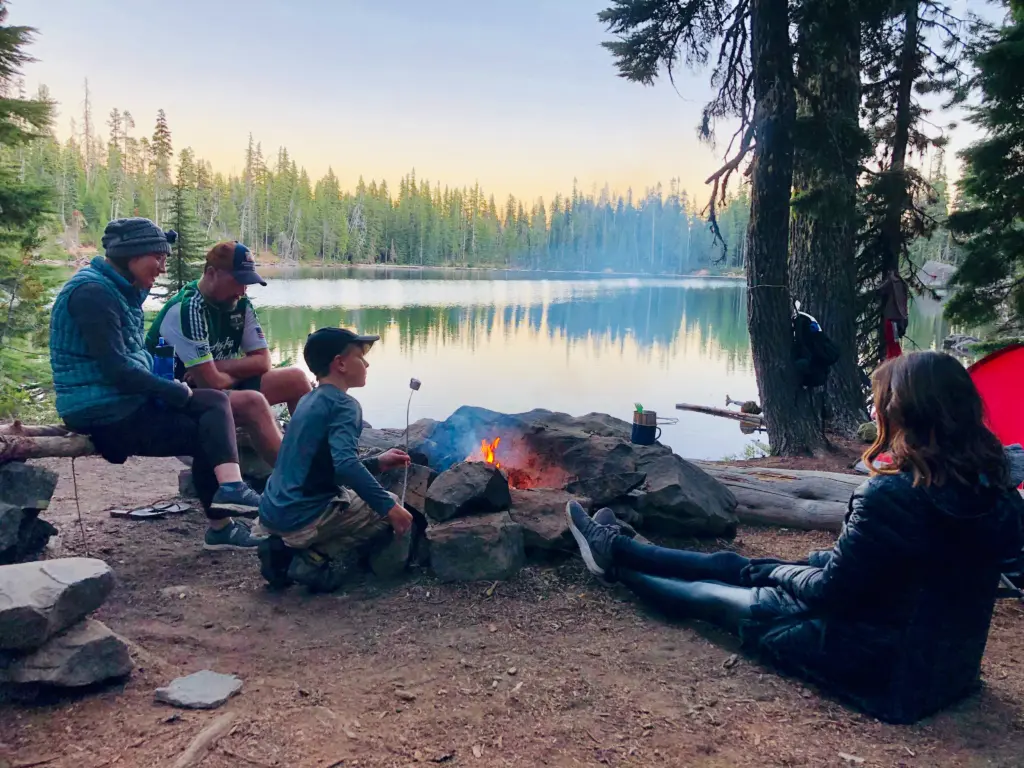
Bonny Lakes: Campground, Trails, and More! Bonny Lakes holds a special place in the hearts of many locals who grew up with summer visits at the lake. With its clear waters that perfectly mirror the surrounding greenery and expansive skies, it’s no wonder these lakes have been a favorite retreat for decades. Located right in the heart of some of the country’s most untouched landscapes, the Bonnie Lake makes for a perfect break from the loud city. I’ve had the pleasure of watching countless sunrises over these lakes, each one more mesmerizing than the last and trust me, there’s nothing quite like the peace you find here. Escaping Seattle To Bonny Lakes Driving over from Seattle, the ride to Bonny Lakes winds over 200 miles of Washington State beauty. Depending on the route you choose and driving conditions, this drive typically takes about 3.5 to 4 hours, making it a great choice for a weekend getaway. Must-See Stops Along the Way RV-Friendly Parking Upon arriving at Bonny Lakes, visitors will find a dedicated RV parking area located near the main entrance. Spacious and well-marked, it caters to vehicles of various sizes. However, during peak season, it’s advisable to arrive early or consider booking a spot in advance if the facility allows. The proximity to the lakes and trails ensures convenience, making it an ideal base for your lakeside getaway. Why Do People Travel To Bonny Lakes? Natural Beauty The view is amazing when the lake reflects the surrounding mountain ranges, creating an ever-changing panorama of colors and shadows. Every season paints Bonny Lakes in a unique hue – from the vibrant wildflower blooms of spring to the gilded foliage of autumn. Cascading waterfalls hidden amidst the forests make for good background noise. And for families, the gentle shores provide ample opportunities for lakeside picnics, tanning, and building sand castles. A Haven for Wildlife Enthusiasts This area teems with life. Deer can often be seen grazing near the water’s edge in the early hours, while the distinct calls of native birds fill the air. The dense woods around the lakes are home to more seldom seen animals too – from the stealthy fox to the occasional playful otter near the banks. For those with a keen eye, the fluttering of butterflies and the busy world of insects provide endless fascination. Stargazing Opportunities When night descends upon Bonny Lakes, a different kind of beauty unveils itself. Far from the city’s light pollution, the skies above the lakes are a canvas of twinkling stars, radiant planets, and the ethereal glow of the Milky Way. On clear nights, stargazers can revel in celestial wonders and even the occasional meteor Families can gather around the campfire for a night of smores, stories, and good memories. rails Around Bonny Lakes: Exploration Awaits Family-friendly Trails For families wanting a gentle stroll, the Lakeside Loop offers a flat, well-maintained pathway that encircles the main water body. At just 2 miles in length, it provides plenty of spots to rest and enjoy the view. For those with younger children, the Meadow’s Delight Trail is a 1-mile loop that meanders through open fields, sprinkled with wildflowers and buzzing with butterflies – a delightful visual treat for the little ones during the summer. Adventurous Trails For the more seasoned hikers, Eagle’s Crest is a must-try. Climbing steadily over 4 miles, this trail rewards with unparalleled views of Bonny Lakes from a majestic vantage point. The occasional sight of eagles soaring overhead adds to its allure. Another challenging but rewarding trail is the Forest Whisper Path, a winding 5-mile trek through dense woodlands, with occasional clearings presenting glimpses of hidden waterfalls and the serene lake beyond. Bonny Lakes via Tenderfoot Wagon Road and Nooney Lakes Trail This trail offers hikers a sublime journey through the heart of Oregon’s backcountry. Winding through dense forests and open meadows, the trail provides panoramic vistas of the Wallowa Mountains, ensuring a frame from a movie at every turn. The tranquil waters of Bonny Lakes, combined with the diverse flora and fauna encountered en route, encapsulate the essence of the Eagle Cap Wilderness. Safety Tips: While the area offers a natural sanctuary for relaxation and exploration, there are things that you should keep in mind: Be Prepared Especially for the longer trails, ensure you have adequate water, sun protection, and a basic first-aid kit. If it’s summer, you’ll need more water than you think! Stay Alert The area is home to diverse wildlife. Most animals will keep their distance, but always be cautious and avoid feeding or approaching them. Know the Terrain Some trails, especially the more adventurous ones, may have steep sections or loose ground. You’ll want to wear appropriate footwear and consider using trekking poles for added stability. Stay Informed Before setting out, check for any trail advisories at the local ranger station or information center. Sometimes these places have information that Google doesn’t. Beyond the Trails: Activities for Families at Bonny Lakes Picnicking Paradises The shores of Bonny Lakes are dotted with numerous picnic spots, each offering a unique perspective of the tranquil waters and verdant surroundings. Whispering Pines Clearing is an excellent choice with its shaded spots and the soft hum of pine trees in the breeze. Families preferring an open area can opt for Sunny Meadows, a grassy expanse overlooking the lake, ideal for games or lounging in the sun after a delightful meal. Water Activities Interactive Learning The Bonny Lakes Interpretive Center is a haven for curious minds. With a range of exhibits showcasing the region’s ecology, geology, and history, it provides a comprehensive understanding of the lakes and their significance. Regular nature talks and interactive sessions, especially curated for children, ensure learning is fun and engaging. Keep an eye out for their schedule, as some talks are led by local Indigenous people, offering profound insights into the area’s cultural heritage. Evening by the Lakeside As dusk sets, Bonny Lakes transforms into a realm of golden hues and serene silhouettes. Families often gather

Adventure, Campgrounds, Camping, Camping in Washington State, Destinations & Itineraries, Washington

Hot Springs Near Spokane: Find The One For You

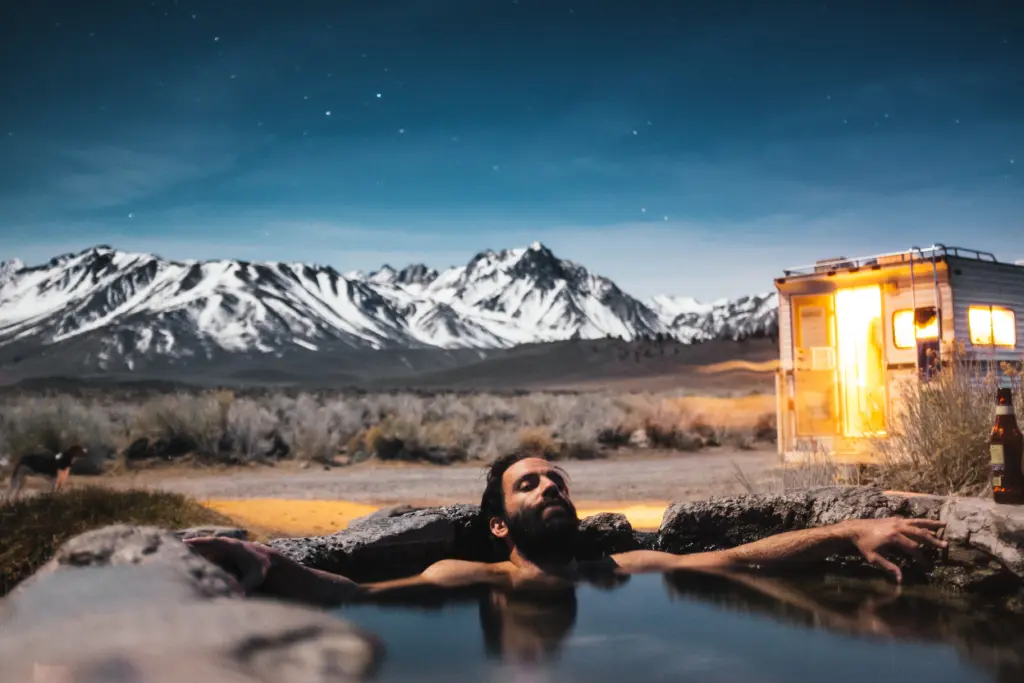
Hot Springs Near Spokane: Find The One For You Ahhh…hot springs. A great spot to escape the chilly weather of Spokane. Long soaks in mineral water are a perfect way to recover from a long hike, a long ski day, or to simply get away from the stress of daily life. After living in Spokane for a while, we’ve discovered quite a few of these wonderful Pacific Northwest hot springs, but all of them require at least a few hours of driving. As more hot springs near Spokane are discovered, we’ll update this post with information about them, and how we can be respectful of these places to use and enjoy for years to come. Hot Springs Closest To Spokane Nestled in the heart of the Pacific Northwest, Spokane emerges as a beacon of natural beauty and wonder. Its role is not just as a bustling city with a rich tapestry of history and culture; Spokane is also a gateway to some of the most enchanting hot springs in the whole state. The closest hot spring is a developed one in Canada, and it’s by far the most popular choice for people who live in Spokane. British Columbia These hot springs are nestled in the Kootenay region of British Columbia, only about 4-1/2 hours north of Spokane, overlooking the majestic Kootenay Lake. The hot springs were first visited by the Ktunaxa First Nations peoples who experienced the waters as a welcome respite after a long day of hunting, fishing, and gathering roots and berries in what is now known as the Kootenay region. The Ktunaxa First Nations peoples embraced the nupika wu’u, or spirit water, for their healing and rejuvenating powers. Today the property is owned by Yaqan Nukiy, the Lower Kootenay Band of Creston, BC, returning the Ktunaxa peoples to this significant land so that they may share their appreciation with others. Ainsworth Hot Spring is a unique hot spring because it’s partly located inside a cave! Whether you experience Ainsworth Hot Springs in the pool or cave, you are sure to enjoy an experience like no other. If you’re looking for hot springs you can spend a whole day at, and don’t mind that they’re developed with amenities then this is absolutely the place you’ll want to go. Middle Washington The next closest place to soak in mineral water is called Soap Lake. Now technically Soap Lake isn’t a hot spring because, well, it’s not hot. It’s a unique mineral canyon lake, located in the desert oasis of the Grand Coulee Valley. Despite the lake not being hot, it boasts a high mineral content that makes its healing properties far superior to many hot springs. The lake is reported to have the most diverse mineral composition of any mineral lake on the planet.This is a spot that’s perfect for those looking to soak and relax in the summer where the hot part of hot springs isn’t as appealing. Idaho Unfortunately due to the geographic position of Spokane, there simply aren’t many hot springs. In Western Washington the tectonic plates are much more active which creates more hot springs. To find some more tectonic action we’ll need to head into Idaho’s Weir Creek Hot Springs, located in the beautiful Clearwater National Forest. The hot springs here aren’t developed like in Ainsworth and feature primitive rock walls and gravel bottomed pools. The hot springs are spread among a gorgeous landscape of cedars and rock cliffs with spectacular views. For those looking for a more natural feeling hot spring, this is where you’ll want to go. Jerry Johnson Hot SpringsAlso located 4 hours southeast of Spokane, the Jerry Johnson Hot Springs are some of the most well known hot springs in Idaho. They aren’t overdeveloped, and allow you to soak in hot mineral water while surrounded by gorgeous alpine trees with mountains in the background. These springs are well know, so unlike some of the other spot you can expect to run into a least one other group while there. Montana If you’re dead set on finding a lot of hot springs in one area, but don’t want to go to western Washington then south central Montana would make a good trip! Here you have tons of options like White Sulphur, Jackson, Norris, and Boulder that all provide a natural soaking experience. Why Do People Like Hot Springs? At this point you may be feeling like a dip in the hot springs is a lot of work, so why does anyone bother? Historical Perspective A Gift from Ancestors: To the indigenous tribes that have called this land home for millennia, these springs were sacred places—sources of healing, spirituality, and community. Ceremonies were held by their bubbling waters, and stories passed down with the steam’s rise.New Settlers, New Discoveries: As settlers moved westward, they too became enamored by these natural baths. Many springs played a role in the establishment of early communities, becoming hubs of social interaction and relaxation. Their legends grew, attracting visitors from far and wide in search of this magical pools. Healing Waters The allure of the hot springs lies not just in their warmth but in the rejuvenation they offer. Mineral Elixir Each spring, with its unique blend of minerals, offers therapeutic benefits. From alleviating muscle tension to improving skin conditions, the mineral-rich waters have been touted for various health benefits over the ages. Their embrace can soothe the weary traveler and rejuvenate the worn-out adventurer. Mental Oasis Beyond the physical, there’s a psychological balm in these waters. The gentle sound of bubbling springs, the enveloping warmth, and the distant chirping of birds—all converge to create a meditative space, aiding in mental relaxation and grounding. Connection with Nature Immersing oneself in these hot springs is akin to plunging into the very soul of the Pacific Northwest. A Symphony of Senses As you ease into the waters, the towering trees envelop you, their canopies filtering the sun’s rays into a gentle dappled dance. The distant rustle of leaves, the occasional splash of a playful fish, and

Adventure, Campgrounds, Camping, Parks, RV, Trailer, Washington

Washington Opening State Parks to Campers and RVers

Washington Opening State Parks to Campers and RVers Table of Contents As Washington lifts restrictions and opens up from lockdown, we are excited to see access to State Parks and more camping opportunities are becoming available for you to take your NW Adventure Rentals RV on an outing! Read on to discover the latest openings for State Parks, RV parks, Washington BLM campgrounds, and other spots for you to head into the great outdoors. Where Can You Go Camping in Washington? State Parks:  As of June 1st, the following parks are open for camping: Private RV Parks According to Campendium, “Private RV parks may open to non-recreational guests once the county they reside in has reached Phase 2 of reopening. All private parks may remain open for non-recreational purposes. Counties in phase 2 or beyond may reopen for limited recreational camping at private parks.” As always, all of the KOA, Thousand Trails, and Good Sam Club private RV parks have remained open and will continue to accept RVers. Washington Department of Fish & Wildlife and Department of Natural Resources: Both of these departments have also begun to open a selection of primitive campsites and dispersed camping at wildlife areas. According to the WDFW’s website, “State land managers will reopen campgrounds and dispersed camping in 22 counties starting June 1. WDFW has primitive campsites at the: Dispersed camping is allowed at other wildlife areas in counties open to camping unless otherwise posted.” To plan for your trip, see WDFW’s website. National Forests: So far, Colville National Forest is the only forest currently re-opening campgrounds. PacifiCorp Campgrounds The following are the PacifiCorp campgrounds that have reopened: For more great RVing information and updates about camping rules+regulations amid Covid-19, please feel free to browse our website and Facebook page. For further information on renting a gorgeous, luxury RV from NW Adventure Rentals’ Seattle fleet, don’t hesitate to contact us at anytime. Happy Camping!

Adventure, Campgrounds, Destinations & Itineraries, Parks, RV Lifestyle & Travel

Which National Parks in California Are Open For You To Take Your RV Rental?

Which National Parks in California Are Open For You To Take Your RV Rental? With an abundance of National and State Parks, campgrounds, and trails slowly opening up to the public again, California is next to hop on board with their recent re-opening of many National Parks to RVers and campers! If you’re itching to hit the open road after a few months of being cooped up indoors, there’s no better time than now to rent a luxury motorhome or travel trailer from NW Adventure Rentals and take a cruise down the California Coast. Read on for more information about National Park recreation in the golden state! Where Can I Find Official Statements? According to the United States Department of Agriculture Forest Service, “National Forests in California are increasing access to the public by providing additional developed recreational opportunities. National Forest websites and social media pages will have the most up-to-date information on re-openings.” Visit their page here to find all the information you’ll need to ensure that your desired park is open and accepting campers. Which National Parks are Open? Angeles National Forest Cleveland National Forest Mendocino National Forest Modoc National Forest Plumas National Forest San Bernardino National Forest Shasta-Trinity National Forest Six Rivers National Forest Klamath National Forest We always recommend checking your desired campground’s status on the NFS website before arrival, as things can change rapidly, but we couldn’t be happier that more camping opportunities are becoming available for you to reserve a clean, luxurious NW Adventure Rentals RV and take that vacation you’ve been dreaming of! Visit the links below to find out more information about camping availability for each re-opened National Forest in California: Angeles National Forest: https://www.fs.usda.gov/main/angeles/home Cleveland National Forest: https://www.fs.usda.gov/cleveland Mendocino National Forest-https://www.fs.usda.gov/detail/mendocino/news-events/… Modoc National Forest-https://www.fs.usda.gov/detail/modoc/news-events/… Plumas National Forest-https://www.fs.usda.gov/detail/plumas/news-events/… San Bernardino National Forest-https://www.fs.usda.gov/detail/sbnf/news-events/… Shasta-Trinity National Forest-https://www.fs.usda.gov/detail/stnf/news-events/… Six Rivers National Forest-https://www.fs.usda.gov/recmain/srnf/recreation Klamath National Forest-https://www.fs.usda.gov/klamath For more great RVing information and updates about camping rules+regulations amid Covid-19, please feel free to browse our website and Facebook page. For further information on renting a gorgeous, luxury RV from NW Adventure Rentals’ Seattle fleet, don’t hesitate to contact us at anytime. Happy Camping!

RV Rental Camping In Western Washington
Adventure, Campgrounds, RV, Trailer, Washington

RV rental camping spots western Washington

RV rental camping spots western Washington Table of Contents Explore the irresistible charm of RV campgrounds tucked away amidst the lush landscapes of Western WA and the breathtaking Puget Sound region. Whether you yearn for sun-soaked summer getaways or cozy escapes in the cooler months, an abundance of remarkable destinations await. Whether you’re a seasoned local or a first-time visitor captivated by the region’s allure, these top-tier locations guarantee unforgettable moments amidst awe-inspiring scenery and boundless adventure possibilities. Discover the perfect blend of natural splendor and recreational excitement, creating memories to last a lifetime in this captivating corner of the Pacific Northwest. Grab one of our fully loaded and stocked RVs in Seattle and head out to one of these amazing Western WA campsites! Lake Pleasant RV Park Located at 24025 Bothell Everett Hwy. in Bothell, WA, right along the Sammamish River is a fantastic Lake Pleasant RV Park. It’s close to modern conveniences such as wine tasting in the Woodinville Valley, beer tasting in Bothell, paddling on the river, or enjoying some of the great on-site amenities. The facilities feature a recreational room, nature trails, fishing in the river, a playground, outdoor games, water activities on Lake Pleasant, and a putting green. This is primarily an RV resort as they do not allow individual tents. Pets are welcome, but they do have restrictions on freedom and size. “Clean facilities, nice owners and dog friendly parks make this the perfect spot for RV life”. Port Ludlow RVs Park Located at 44 Breaker Lane in Port Ludlow just across the Puget Sound from the Seattle region, and within walking distance of the Snug Harbor Café on discovery Bay, is the port Ludlow RV Park. Rates change throughout the year depending on the time, and they feature 39 units, a dump station, restrooms, and trail access. Pets and tent camping is allowed, and they feature full hookups, Wi-Fi at overnight sites, restrooms, and showers. They also offer military discounts. “The park is quiet, clean and the manager even brought us free firewood. The staff and the store were all within walking distance.” Glen Ayr Hood Canal Resort This RV campground is a little bit pricier, but many visitors say it’s well worth the extra cost. It’s located at 25381 N. US Highway 101 in Hoodsport, WA across the Puget Sound from Seattle. Nestled right along the Hood Canal, Glen Ayr also features cabins and package deals. Close by is the Lucky Dog Casino, the Olympic National Park, and fishing and trails along Lake Cushman. Summertide Resort & RVs Park This resort and RV park is nestled at 15781 NE. North Shore Rd. in Tahuya WA. Never heard of Tahuya? It’s located around the bend of the Hood Canal just south of Sunbeach and Dewatto, about two hours from downtown Seattle. Each RV site in this private campground features full hookups including water, power, septic, cable and garbage.The neat thing about this RV park is that it is located next to five golf courses with many hiking trails and public forest parks in the area. Many guests come and stay for a couple of weeks enjoying the crabbing season, and they even have crab pots that can be rented. They sell fishing and shellfish licenses right there at the resort and offer a small grocery store including beer and wine. This RV park actually gets the highest scores of any RV park on the review site, Yelp. “Clean, comfortable and unpretentious, and wow what a beautiful location!” Salt Creek and Elwha Dam RVs Park These are actually two different parks, but they both are close by and both receive excellent ratings. The Salt Creek recreation area is located at 3506 Camp Hayden Rd. Make reservations by calling 360-928-3441. It’s located just west of Port Angeles, WA, and is right on the ocean (Straits of Juan De Fuca). The Elwha Dam RV Park is located at 47 Lower Dam Rd. about 5 miles from Salt Creek. Both have claimed excellent locations, beautiful views, lots of RV parking spots and great owners. Both have grassy areas and playgrounds. If you’re looking to get away on the Olympic Peninsula, either of these two RV sites make excellent options year-round and are just less than 25 miles from Port Angeles. Read to get away, but not too far? These are great options for RV Parks West of the Cascade Mountains. Call us today to reserve your perfect RV from our Seattle fleet!