Parks

Adventure, Camping in Washington State, Destinations & Itineraries, Parks, RV

Songs About The Pacific Northwest: A PNW Roadtrip Playlist

Songs About The Pacific Northwest: A PNW Roadtrip Playlist Popularity is pretty tricky to measure. Is it based on streams? Album sales? Radio plays? This list will change depending on what’s used to measure popularity, but based on historical popularity and enduring appeal there are several songs about the Pacific Northwest that have stood the test of time and continue to be well-regarded. These songs are perfect to listen to while cruising in a Seattle RV Rental. Most Popular Songs About The PNW The Oldest Songs About The Pacific Northwest? Because things like the internet weren’t around in the 19th century, figuring out the absolute oldest song about the Pacific Northwest isn’t really possible and it also depends on the criteria used to define what qualifies as a song “about” the region. Plus, the history of older songs can be murky with older tunes being passed down orally and not always recorded in a standardized manner. But! One of the oldest songs that references the Pacific Northwest is “The Banks of the Sacramento” (also known as “Sacramento City”). This folk song dates back to the mid-19th century during the California Gold Rush era, which is often associated with the westward expansion and exploration that reached up and down the coast. Some more older songs include: What artists write about the PNW? Looking to dig through some albums? He are a few suggestions for artists and genres known for producing music inspired by the region: These artists often create music that reflects the unique beauty, culture, and experiences of the Pacific Northwest. While there are too many specific song titles from these artists to name, exploring the discographies will help lead you to newer songs about the region. Make Your Trip One To Remember A journey around the PNW is more than a getaway from normal life; it’s a chance to get closer to nature and create lasting memories. An RV amplifies this experience, adding a layer of comfort and convenience to your adventure. So, what are you waiting for? Explore our range of RV rental services and start charting your roadtrip across the Pacific Northwest today!

Adventure, Destinations & Itineraries, Parks, RV Lifestyle & Travel

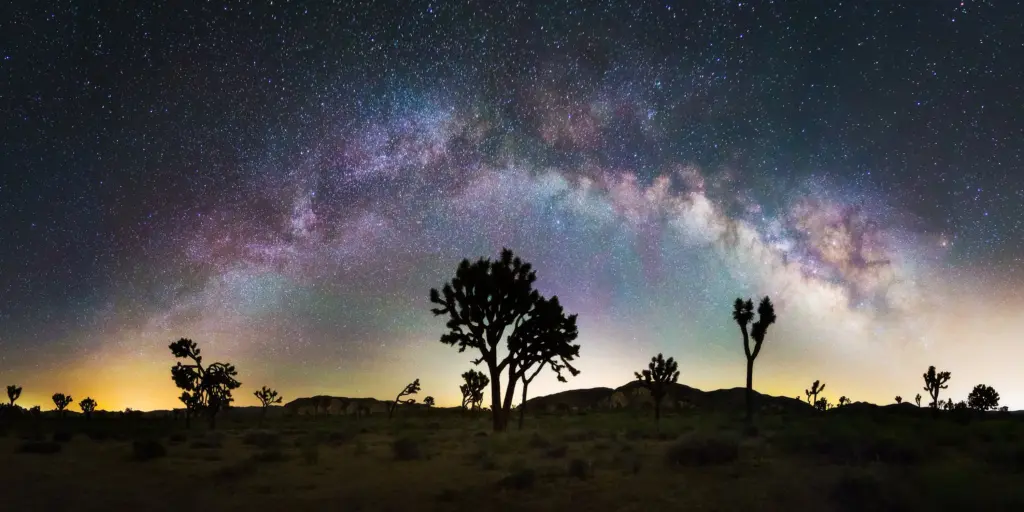
How many days in Joshua tree?

How many days in Joshua tree? You see this huge desert filled with twisted Joshua Trees under a star-filled sky? This is Joshua Tree National Park, a place of peace and fun. But how long should you stay to fully enjoy it? Based on our experience with RV trips, we recommend a 5-day visit to see all the park’s beauty, here’s why: Why Visit Joshua Tree National Park in an RV? Think of a Joshua Tree RV trip not as a mere transit from point A to B, but as a deep dive into an extraordinary desert ecosystem. It’s an RV Adventure that’s about being one with the environment, not just passing through it. Traveling in an RV is a different kind of adventure. It’s about waking up to the soft hues of a desert sunrise, and ending the day under a sky ablaze with stars. It’s about the freedom to explore at your own rhythm, whether that means an adrenaline-fueled day of Joshua Tree rock climbing or a laid-back day admiring the view from your mobile abode. An RV is more than a vehicle; it’s your home in the heart of the wilderness. It’s a cozy retreat with a comfortable bed to rest your weary body after a day of exploration. It’s a kitchen where you can whip up a meal with the backdrop of a desert sunset. It’s your personal sanctuary where you can unwind and reflect on the day’s adventures. At our RV rental services, we celebrate the diversity of every traveler’s needs and desires. We offer a variety of RVs to cater to all kinds of explorers. Whether you’re a couple seeking a snug RV with just the essentials, or a family requiring a spacious RV equipped with all modern amenities, we’ve got something for you. Our mission? To elevate your travel experience and make your Joshua Tree adventure as comfortable, enjoyable, and memorable as it can be. How Many Days to Spend in Joshua Tree? Joshua Tree National Park is a vast wilderness that spans over 790,000 acres. It’s home to a diverse range of geological features, from rugged rock formations to vast desert plains, and a rich variety of flora and fauna, including its namesake, the Joshua Tree. To truly soak in the park’s splendor, we propose a stay of at least 5 days. This timeframe allows you to delve into the park’s various facets, partake in an array of outdoor activities, and gain insights into its cultural heritage and ecological importance. Appreciating these places requires a few days, which is why this is the ideal Joshua Tree itinerary. A 5-day sojourn ensures a leisurely pace, letting you savor each day’s unique adventure. One day could be dedicated to Joshua Tree hiking, another to investigating the rock formations, and yet another to understanding the park’s history. Plus, there’s ample time to simply unwind and bask in the surrounding beauty, be it a mesmerizing sunset, a night under the star-studded sky, or a wildlife spotting session. This duration also aligns well with most vacation schedules, making it a practical choice for many travelers. The aim isn’t to race through the park, but to immerse oneself in the experience and create memories that last a lifetime. Joshua tree itineraryDay 1: Arrival and Setting Up Your Home in Joshua tree national park As your RV rolls into the heart of Joshua Tree National Park, day one is all about acclimatizing and setting up camp and answering the question, how many days in Joshua tree? The park offers a plethora of campsites, each with its unique allure and advantages. Some are tucked amidst thick Joshua Tree groves, while others provide sweeping views of the desert expanse. Depending on your preferences, you can opt for a site near hiking trails or one that offers a bit more seclusion. This is the start of your Joshua Tree camping experience. Once you’ve found your ideal spot, it’s time to transform your RV into a cozy desert home. Unpack your essentials, arrange your outdoor seating, and perhaps add a touch of magic with some twinkling fairy lights. With your camp ready, it’s time to unwind. The desert sunset in Joshua Tree is a spectacle to behold, as the sky erupts in a kaleidoscope of colors. So, grab a chair, sit back, and let the enchanting desert evening unfold before you. This is just a glimpse of the incredible experiences that lie ahead in the coming days. Day 2: Adventure around Joshua Tree’s Rocks and Plants On the second day of your Joshua Tree RV trip, get ready to see Joshua Tree’s unique rocks and plants. After breakfast, put on your hiking boots and head out for some Joshua Tree hiking. Try the Hidden Valley or Barker Dam trails. These paths show you the park’s cool rock formations and dense Joshua Tree forests. Take your time on these trails. Touch a Joshua Tree, look at a rock, or just enjoy the quiet. This is your chance to connect with the park and its beauty. Day 3: Fun in the Great Outdoors Day three in Joshua Tree National Park is all about outdoor fun. Joshua Tree has lots of activities like hiking, Joshua Tree bird-watching, and Joshua Tree rock climbing. Start early and hit the hiking trails. Each trail shows you a different part of the park and its amazing views. If you like rock climbing, there are plenty of places to climb. If you want a relaxed day, try bird-watching. The park has many bird species, and it’s fun to spot them. No matter what you do, remember to follow the park’s rules and stay safe. Bring lots of water, wear the right clothes, and keep away from wildlife. This way, you can have fun and help protect the park’s ecosystem. Day 4: Stepping Back in Time – Joshua Tree’s Rich Cultural History As the sun rises on your fourth day in Joshua Tree, prepare to journey back in time and explore the rich

Arches to Canyonlands One Day RV Trip
RV Lifestyle & Travel, Camping, Destinations & Itineraries, Parks

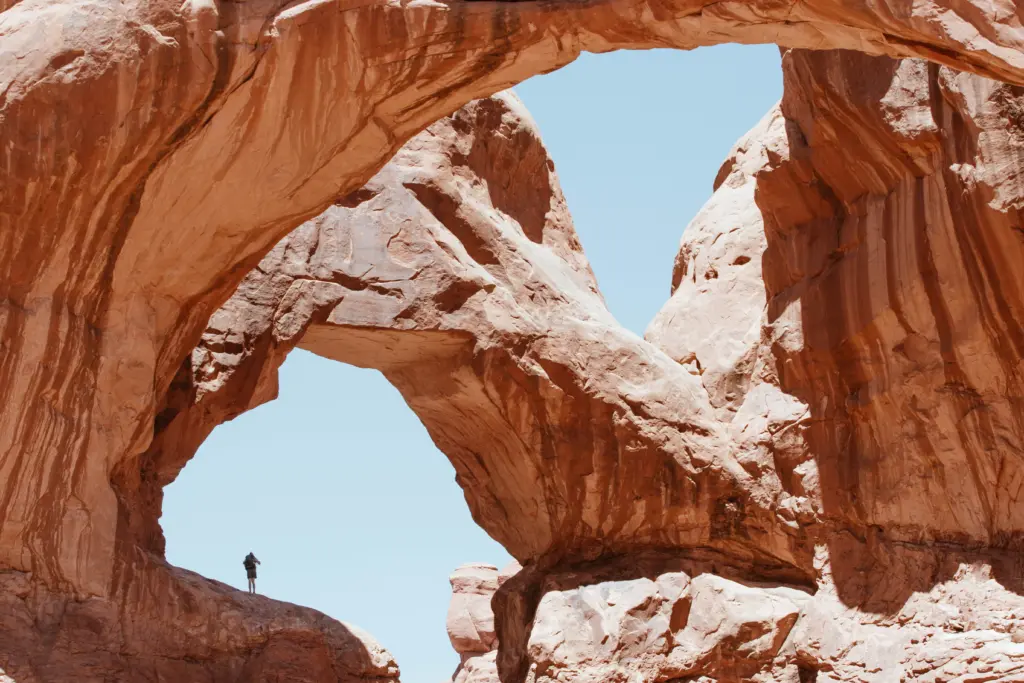
Arches National Park to Canyonlands: Your One-Day RV Adventure Guide

Arches National Park to Canyonlands: Your One-Day RV Adventure Guide Table of Contents Imagine this: You’re waking up as the sun rises, its first golden rays lighting up the red rocks of Arches National Park. You’re not watching this from a hotel window but from your cozy RV parked right in the middle of it all. You’re not just looking at the desert’s beauty; you’re living it, exploring its secrets, and becoming part of its story. When night falls, you’re under the star-filled sky of Canyonlands National Park, with only the soft sound of the wind breaking the silence. This isn’t just a trip; it’s an unforgettable experience, all made possible by the magic of RV travel. In this guide, we’ll take you through a one-day RV trip from Arches National Park to Canyonlands National Park, showing you the unique experiences and great travel benefits of exploring these amazing parks in an RV. Why Travel in an RV? Traveling in an RV is about enjoying the journey as much as the destination. It’s about diving into changing landscapes, having the freedom to explore at your own pace, and being able to change your plans whenever you want. An RV isn’t just a vehicle; it’s your home on wheels, equipped with everything you need. Picture this: waking up to a wide view of Arches National Park, enjoying your morning coffee as the desert wakes up with the day’s first light. Think about having lunch in the shadow of big rock formations, with the peaceful silence of the desert as your background. And as the day turns into night, imagine falling asleep to the calming sounds of nature in Canyonlands National Park, under a sky full of stars. This isn’t just a trip; it’s the ultimate RV Adventure. Morning: Exploring Arches National Park Imagine starting your day in the heart of Arches National Park, a natural marvel that’s home to over 2,000 stone arches sculpted by nature itself. Picture yourself enjoying a hearty breakfast in your RV, the early morning vista of the park serving as your personal dining room view. Once you’ve fueled up, it’s time to lace up your hiking boots and venture into the park’s unique landscape. Your first destination? The Delicate Arch, the park’s most celebrated landmark. The hike to the arch isn’t just a means to an end; it’s a journey in itself, offering breathtaking views of the surrounding area. But here’s the thing about traveling in an RV: it’s not just about getting you from point A to point B. It’s a passport to freedom. It allows you to set your own pace, to stop when something catches your eye, to immerse yourself in the experience without the constraints of hotel check-out times or rigid tour schedules. So, take that extra moment to drink in the beauty around you, to fill your lungs with the fresh desert air, to truly engage with the enchantment of Arches National Park. Please note that the bold formatting might not be visible in all platforms. If you’re planning to use this text in a specific platform, you might need to add the bold formatting manually. Afternoon: The Journey to Canyonlands National Park As the sun ascends in the sky, casting elongated shadows across the desert landscape, it’s time to set off on the next chapter of your RV Adventure: the voyage to Canyonlands National Park. But this isn’t just a drive; it’s an extension of your One-day RV trip. The journey from Arches to Canyonlands unravels some of the country’s most awe-inspiring landscapes, a visual symphony of crimson rocks, towering cliffs, and sprawling desert panoramas. And the beauty of traveling in an RV? You’re not shackled by schedules or deadlines. You have the liberty to pause whenever you want, to drink in the views, enjoy a relaxed snack, or simply stretch your legs. This is one of the many RV travel benefits. Perhaps you’ll stumble upon a hidden treasure, a picturesque spot that’s tucked away from the tourist trail. That’s the allure of an RV Adventure – the journey is every bit as significant as the destination. Evening: Canyonlands National Park Unfolds As your RV cruises into the vast expanse of Canyonlands National Park, you’re stepping into a world sculpted by the relentless power of the Colorado River. This wilderness is a labyrinth of deep canyons, towering mesas, and majestic buttes. Your first encounter should be with the Island in the Sky district, a broad, flat mesa that acts as a natural observatory. From this vantage point, you can soak in panoramic views of the surrounding landscape, a vibrant mosaic that morphs with the day’s changing light. As the sun dips towards the horizon, make your way to the Mesa Arch. Bathed in the warm hues of the setting sun, this natural stone arch transforms into a glowing spectacle, a sight that will etch itself into your memory. As dusk descends, seek out a quiet spot to park your RV for the night, your personal sanctuary in this sprawling wilderness. Night: A Starlit RV Camping Experience There’s an undeniable magic in spending a night enveloped by nature, far removed from the city’s clamor. As twilight gives way to darkness, the desert sky unveils a breathtaking display of stars. The lack of city lights allows the night sky in Canyonlands National Park to shine in all its glory, a twinkling canvas that spans the entire heavens. And with an RV, you’re not just a spectator to this celestial spectacle, you’re a part of it. You’ve got the best seat in the house, a VIP pass to this star-studded show. So, recline, unwind, and let the soothing symphony of the desert night lull you into a peaceful slumber. Concluding Your One-Day RV Adventure Think of this one-day itinerary as more than just a roadmap from Arches National Park to Canyonlands National Park. It’s your key to unlock unique experiences that only an a trip with an RV can offer. Imagine starting your

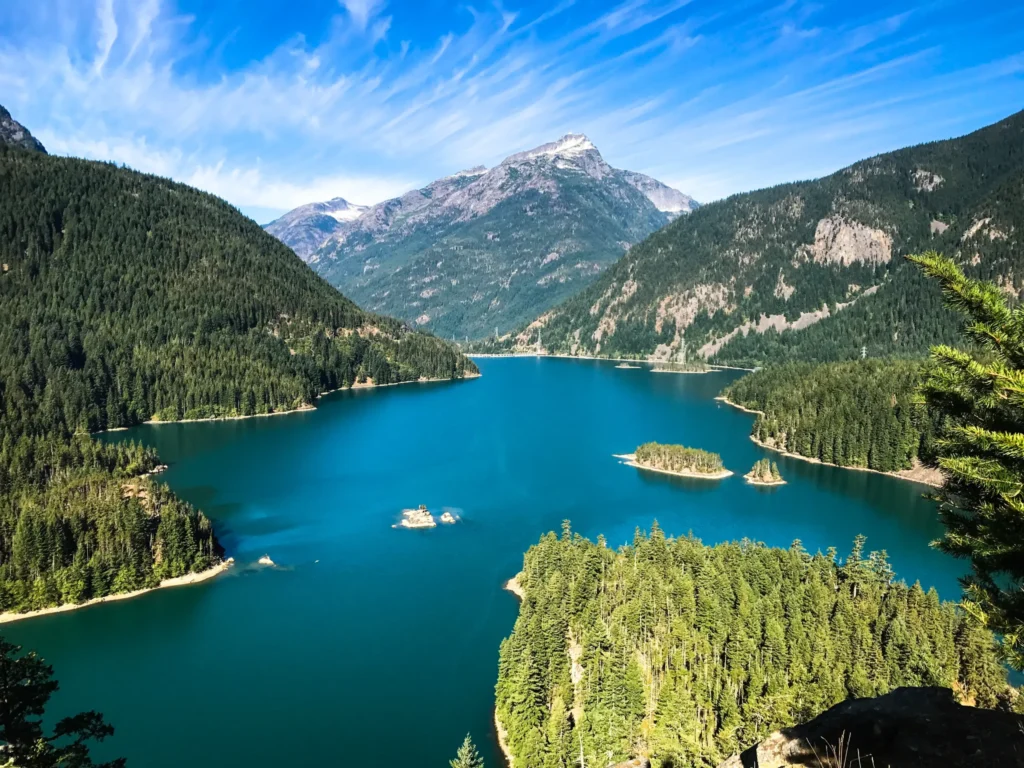
diablo lake
Adventure, Camping, Destinations & Itineraries, Parks, RV Lifestyle & Travel

West Coast Road Trip Itinerary : 14 Days

West Coast Road Trip Itinerary : 14 Days West Coast Road Trip Itinerary : 14 Days Are you ready to embark on a West Coast road trip itinerary 14 days journey that will take you through some of the most breathtaking landscapes and vibrant cities the West Coast has to offer? Our Seattle-based rental store is your starting point for a meticulously planned 14-day itinerary, designed to lead you on a road trip you won’t soon forget. At our core, we’re more than just an RV rental service. We’re in the business of crafting unforgettable travel experiences. Our goal with this guide? To assist you in orchestrating a road trip that seamlessly weaves together elements of fun, historical exploration, and thrilling adventure. From the mountains of Olympus (3 days) Your epic journey commences in the pulsating heart of the Pacific Northwest – the Emerald City, Seattle. This dynamic metropolis is a harmonious blend of urban sophistication and untouched natural splendor. If you have a day before you pick your RV, you can kickstart your adventure by soaring to the top of the iconic Space Needle. From this vantage point, you’ll be treated to a sweeping view of the city’s skyline, the encircling mountains, and the glistening waters of Puget Sound. Next, plunge into the vibrant ambiance of Pike Place Market, one of the oldest continuously operating farmers markets in the U.S. Here, you’ll witness the spectacle of fishmongers hurling fish, savor local culinary delights, and peruse an eclectic mix of unique crafts. For coffee lovers, a pilgrimage to the original Starbucks store is a must. Once you’ve picked up your RV, it’s time to journey beyond the city’s confines. A brief drive transports you to the UNESCO World Heritage site, Olympic National Park. This park is a huge mosaic of diverse ecosystems, from the snow-capped Olympic Mountains to verdant rainforests and rugged coastlines. Traverse its trails, spot native wildlife, and stand in awe of its cascading waterfalls. You’ll need three full days in Olympic National Park at a minimum, if you want to visit Hurricane Ridge, the Pacific Coastline, and the temperate rainforests. With four days left in the first week, you’ll definitely want to find a cozy spot in Oregon. Oregon Pit Stop (2 days) While there are hundreds of amazing places in Oregon worth visiting like the Dunes, the Columbia River Gorge, or Bend… the state created a national park around Crater Lake for good reason. It’s stunning natural beauty, combined with it’s unique formation make for a awe-inspiring site. It’s a lake in the caldera of an ancient volcano surrounded by a rich, old forest, and steep cliffs. According to the park’s website, Native Americans watched it formed over 7,700 years ago when an eruption caused a nearby peak to collapse. In the resulting caldera, rain and snowmelt gathered to create the natural lake that exists now. There are a variety of different hiking trails with opportunities for slow-paced, easy walks and challenging treks. In the winter, the park has visitors coming for cross-country skiing and snowmobiling. After a visit to Crater Lake, and some areas around Oregon like Malheur National Forest, Portland, and Cannon Beach… it’s time to head down to California. Down To Cali (2 days) As you leave the picturesque landscapes of the Pacific Northwest behind, reflected in your rearview mirror, set your compass southward. Your destination: the magnificent and rugged northern coastline of California. This journey marks the beginning of an exhilarating Californian adventure. Your first stop is the famous city of San Francisco, an urban mosaic characterized by its iconic landmarks, diverse cultures, and colorful history. Famous around the world, this city is a thrilling tapestry of experiences waiting to be explored. The first item on your San Francisco itinerary should be the Golden Gate Bridge. A marvel of engineering and a symbol of the city, this burnt-orange suspension bridge commands stunning views of the bay and the distant city skyline. Next, step back in time and hop on one of the city’s historic cable cars. As the car lurches and creaks up the steep streets, the views, the clanging bell, and the brisk wind provide an experience that’s quintessentially San Francisco. No trip to San Francisco is complete without a visit to the lively Fisherman’s Wharf. This popular destination is a sensory enjoyment. The air is filled with the briny scent of the sea, the cries of sea lions, and the sizzling sounds of fresh seafood cooking at local stalls. For a more somber stop, sail to Alcatraz Island. This notorious former prison, often shrouded in fog, beckons you to wander its cold, echoing halls. Here, you’ll learn about some of the most infamous inmates and escape attempts in American history. Beyond these famous sites, San Francisco is a city of diverse neighborhoods, each with its unique charm and character. Roam the vibrant streets of Chinatown, teeming with tantalizing food stalls, bustling markets, and traditional temples. Then, head over to Haight-Ashbury, a district that remains a kaleidoscope of hippie culture, characterized by its colorful Victorian houses and eclectic shops. As the first week of your West Coast road trip wraps up, San Francisco will have likely captured a piece of your heart. But this is just the beginning. As the city’s lights fade in your rearview mirror, the promise of new adventures stirs a sense of excitement and anticipation. Week 2: Journeying Down California’s Southern Coast and into the Desert Expanse As you launch into the second week of your West Coast road trip itinerary 14 days, prepare to be spellbound by the allure of California’s southern coastline. Your journey commences on the Pacific Coast Highway, a route renowned as one of the most picturesque drives in the United States. With the azure Pacific Ocean on one flank and towering cliffs on the other, this road gifts you with awe-inspiring vistas at every twist and turn. Your coastal odyssey first pauses at Santa Barbara, often dubbed the American Riviera. This captivating coastal town is

sgt holden submitted picture
Adventure, Camping, Destinations & Itineraries, Parks, RV Lifestyle & Travel

Planning a 4-Week Road Trip Across America: Guide & Itinerary

Planning a 4-Week Road Trip Across America: Guide & Itinerary Are you ready for the adventure of a lifetime? Picture this: a 4-week road trip across America, where you’ll have the chance to explore the USA’s diverse landscapes, vibrant cities, and historic landmarks. Starting from the heart of Seattle, home to our RV rental store, we’ve crafted an itinerary that will guide you on an unforgettable journey across the country. Week 1: The Pacific Northwest and Beyond Your American road trip kicks off in Seattle, the Emerald City. This vibrant metropolis nestled between Puget Sound and Lake Washington is your gateway to the Pacific Northwest. **Climb up the Space Needle for a bird’s eye view of the city’s skyline, mountains, and waters. Then, dive into the bustling Pike Place Market, one of the country’s oldest farmers markets. Here, you can sample local delicacies, browse unique crafts, and witness the spectacle of fishmongers tossing fresh salmon. Art lovers should visit the Museum of Pop Culture and the Chihuly Garden and Glass, while coffee enthusiasts can’t miss the original Starbucks store. After soaking up Seattle’s culture, it’s time to hit the road. Your first stop outside the city is Leavenworth, a Bavarian-styled village in the Cascade Mountains. Explore the alpine-style buildings, savor German beer, and visit the Nutcracker Museum. If you’re visiting in winter, the Christmas Lighting Festival is a must-see. Next, journey to Yellowstone National Park, a natural wonderland of geysers, hot springs, and wildlife. Witness Old Faithful’s eruptions, marvel at the rainbow-colored Grand Prismatic Spring, and drive through Hayden and Lamar Valleys, known as the Serengeti of North America. Don’t miss the Grand Canyon of Yellowstone, a dramatic gorge with stunning waterfalls. This first week blends urban exploration with nature’s beauty, setting the tone for your road trip. As you leave Yellowstone, you’ll be filled with anticipation for the adventures that lie ahead. Week 2: The Midwest Charm As you bid farewell to the rugged landscapes of the West, prepare to be charmed by the heartland of America. Your first stop? South Dakota, where the majestic Mount Rushmore awaits. This monumental granite sculpture nestled in the Black Hills showcases the 60-foot visages of four U.S. Presidents. Spend a few hours wandering the Presidential Trail, soaking in the history of this national treasure. While in South Dakota, consider a side trip to Badlands National Park. This geological marvel boasts a rugged beauty, with layered rock formations, deep canyons, and towering spires. It’s a haven for fossil hunters, hikers, and wildlife enthusiasts alike. Next, set your sights on Chicago, the Windy City. Situated on Lake Michigan’s shores, Chicago is a cultural melting pot, known for its unique architecture, diverse food scene, and rich history. Begin your city exploration at Millennium Park, where the famous “The Bean” sculpture resides. Take a river cruise to admire the city’s architectural wonders, including the Willis Tower and the John Hancock Center. Art enthusiasts shouldn’t miss the Art Institute of Chicago, home to an extensive collection spanning 5,000 years. Indulge in Chicago’s culinary scene. Sample the city’s renowned deep-dish pizza and visit a jazz club for live music and a taste of a Chicago-style hot dog or Italian beef sandwich. As you depart from Chicago, you’ll carry with you the essence of the Midwest’s charm, ready for the next chapter of your 4-week road trip across America. Week 3: The Historic East As you travel into Week 3, leave behind the Midwest’s charm for the East Coast’s rich history and cultural vibrancy. First up is Washington D.C., the United States’ capital, brimming with iconic landmarks and world-class museums. Begin your exploration at the National Mall, a greenway lined with monuments from the United States Capitol to the Lincoln Memorial. Don’t miss the towering Washington Monument or the poignant Vietnam Veterans Memorial. Pay homage to the civil rights leader at the Martin Luther King Jr. Memorial. Spend a day delving into the Smithsonian Institution’s wealth of knowledge. With museums spanning from Air and Space to Natural History and African American History and Culture, there’s something for every curiosity. Next, stroll through Georgetown’s cobblestone streets, admiring Federal-style architecture and the bustling waterfront. Sample a local sausage delicacy, the half-smoke, at the iconic Ben’s Chili Bowl. From D.C., journey to the Big Apple, New York City. This city, a melting pot of cultures, never sleeps. Begin in Manhattan, where Central Park offers an urban oasis. Enjoy a boat ride on the lake, visit the zoo, or relax on the Great Lawn. Experience the energy of Times Square, the “Crossroads of the World,” known for its dazzling billboards and Broadway theaters. Visit the Metropolitan Museum of Art, one of the world’s largest art museums, and stroll along shopping paradise, Fifth Avenue. No trip to NYC is complete without a ferry ride to the Statue of Liberty and Ellis Island. These iconic landmarks echo the tales of the nation’s immigrant past. As the day winds down, ascend the Empire State Building. From its observation deck, the city unfurls beneath you, a glittering panorama of skyscrapers and lights. Week 3 plunges you into the heart of the nation’s history, culture, and urban vibrancy. As you leave the East Coast behind, you’ll carry with you a newfound appreciation for its distinctive charm. Week 4: The Southern Hospitality As the final week of your 4-week road trip across America dawns, get ready for the South’s warm embrace. First up, Nashville, Tennessee, the beating heart of country music. Immerse yourself in the genre’s history at the Country Music Hall of Fame and Museum, and catch a show at the legendary Grand Ole Opry. Nashville’s food scene is a must-explore. Sample hot chicken, a local favorite, and savor a meal at a farm-to-table eatery. Whiskey aficionados should consider a distillery tour. Next, journey to Savannah, Georgia. Its historic district, antebellum architecture, and charming public squares are a sight to behold. Meander along cobblestone streets, visit historic houses, and soak up the Southern charm. Don’t leave without trying shrimp and grits or fried green tomatoes. Then, it’s off

Adventure, Campgrounds, Camping, Parks, RV, Trailer, Washington

Washington Opening State Parks to Campers and RVers

Washington Opening State Parks to Campers and RVers Table of Contents As Washington lifts restrictions and opens up from lockdown, we are excited to see access to State Parks and more camping opportunities are becoming available for you to take your NW Adventure Rentals RV on an outing! Read on to discover the latest openings for State Parks, RV parks, Washington BLM campgrounds, and other spots for you to head into the great outdoors. Where Can You Go Camping in Washington? State Parks:  As of June 1st, the following parks are open for camping: Private RV Parks According to Campendium, “Private RV parks may open to non-recreational guests once the county they reside in has reached Phase 2 of reopening. All private parks may remain open for non-recreational purposes. Counties in phase 2 or beyond may reopen for limited recreational camping at private parks.” As always, all of the KOA, Thousand Trails, and Good Sam Club private RV parks have remained open and will continue to accept RVers. Washington Department of Fish & Wildlife and Department of Natural Resources: Both of these departments have also begun to open a selection of primitive campsites and dispersed camping at wildlife areas. According to the WDFW’s website, “State land managers will reopen campgrounds and dispersed camping in 22 counties starting June 1. WDFW has primitive campsites at the: Dispersed camping is allowed at other wildlife areas in counties open to camping unless otherwise posted.” To plan for your trip, see WDFW’s website. National Forests: So far, Colville National Forest is the only forest currently re-opening campgrounds. PacifiCorp Campgrounds The following are the PacifiCorp campgrounds that have reopened: For more great RVing information and updates about camping rules+regulations amid Covid-19, please feel free to browse our website and Facebook page. For further information on renting a gorgeous, luxury RV from NW Adventure Rentals’ Seattle fleet, don’t hesitate to contact us at anytime. Happy Camping!

Adventure, Campgrounds, Destinations & Itineraries, Parks, RV Lifestyle & Travel

Which National Parks in California Are Open For You To Take Your RV Rental?

Which National Parks in California Are Open For You To Take Your RV Rental? With an abundance of National and State Parks, campgrounds, and trails slowly opening up to the public again, California is next to hop on board with their recent re-opening of many National Parks to RVers and campers! If you’re itching to hit the open road after a few months of being cooped up indoors, there’s no better time than now to rent a luxury motorhome or travel trailer from NW Adventure Rentals and take a cruise down the California Coast. Read on for more information about National Park recreation in the golden state! Where Can I Find Official Statements? According to the United States Department of Agriculture Forest Service, “National Forests in California are increasing access to the public by providing additional developed recreational opportunities. National Forest websites and social media pages will have the most up-to-date information on re-openings.” Visit their page here to find all the information you’ll need to ensure that your desired park is open and accepting campers. Which National Parks are Open? Angeles National Forest Cleveland National Forest Mendocino National Forest Modoc National Forest Plumas National Forest San Bernardino National Forest Shasta-Trinity National Forest Six Rivers National Forest Klamath National Forest We always recommend checking your desired campground’s status on the NFS website before arrival, as things can change rapidly, but we couldn’t be happier that more camping opportunities are becoming available for you to reserve a clean, luxurious NW Adventure Rentals RV and take that vacation you’ve been dreaming of! Visit the links below to find out more information about camping availability for each re-opened National Forest in California: Angeles National Forest: https://www.fs.usda.gov/main/angeles/home Cleveland National Forest: https://www.fs.usda.gov/cleveland Mendocino National Forest-https://www.fs.usda.gov/detail/mendocino/news-events/… Modoc National Forest-https://www.fs.usda.gov/detail/modoc/news-events/… Plumas National Forest-https://www.fs.usda.gov/detail/plumas/news-events/… San Bernardino National Forest-https://www.fs.usda.gov/detail/sbnf/news-events/… Shasta-Trinity National Forest-https://www.fs.usda.gov/detail/stnf/news-events/… Six Rivers National Forest-https://www.fs.usda.gov/recmain/srnf/recreation Klamath National Forest-https://www.fs.usda.gov/klamath For more great RVing information and updates about camping rules+regulations amid Covid-19, please feel free to browse our website and Facebook page. For further information on renting a gorgeous, luxury RV from NW Adventure Rentals’ Seattle fleet, don’t hesitate to contact us at anytime. Happy Camping!

Adventure, Camping, Destinations & Itineraries, Parks

Benefits of State Parks VS. Campgrounds?

Benefits of State Parks VS. Campgrounds? State parks, KOA’s, private campgrounds, and national forests all have advantages and disadvantages when it comes to camping in an RV. Perhaps you’re a proponent to one versus the other, so which is really right for you, your trip and your family? We know that it all comes down to perspectives, compromises and what you are really looking for. Some state parks are amazing while others leave much to be desired. Here are some pros and cons to state parks, national forests and private campgrounds or franchise campgrounds. State Parks and National Forests: The state parks are typically cheaper than a private campground. They will usually have more spots with less amenities. Most state parks boast that there amenities is the location in which you are in. You have the great outdoors, the forests, trails, hiking and biking paths, maybe a lake or even a beach. State parks can be anywhere from $10 a night for pretty primitive accommodations up to $45 depending on where you go and the amenities they provide. Most state parks are well maintained to a certain degree. Some state parks or national forests are a lot better maintained than others and there usually will be a forest ranger on duty somewhere in the park at all times. They may even live in the state park so if there is an emergency, you have someone close by to call. Public campgrounds or state parks may even have larger and more private sites. It seems that in the Pacific Northwest, most state parks are forested areas and the sites are quite a distance away from each other. This gives you a great sense of privacy, and if you want to have a campfire or have your dinner outside on the picnic table, you’re not within eavesdropping distance to your neighbor. Some of the disadvantages to these public campgrounds is that they may attract larger groups which can be loud and stay up late, even though there are curfews and restrictions. Many public campgrounds and state parks will also lack full hookups such as water, electricity and sewer. If your tanks fill up too quickly you will need to use the public restroom which may or may not be up to your standards. A lot of state park public restrooms have running water but usually don’t have showers. The facilities may be primitive at best. Public campgrounds and state parks also fill up very quickly and it might be difficult to make reservations at your favorite campground. You’ll need to either book online or call the company that handles the reservations, but these companies rarely have individual knowledge about the specifics of the campground. Private Campgrounds Private campgrounds such as KOA’s or personal, private campgrounds that are individually managed and run can be very beneficial and almost always offer full hookups at each site. They may also have sites available for tent camping, minimal hookups, and full hookups. Many of these private campgrounds offer extensive amenities such as swimming pools, playgrounds, game rooms, miniature golf, basketball and tennis courts. Some of these, including many KOA’s, also offer summer evening movies, social events, community parties, ice cream socials and more. It may also be easier to book reservations at a private campground. There’s usually always someone to talk to that is personally connected with the campground. The disadvantage of private campgrounds is that because of all these extra amenities, the price will naturally be more expensive. Private campgrounds can be anywhere from $40-$100 a night depending on the time of year and the location. Sites at a this type of campground are usually smaller and closer together. They might be less private or be in a campground that is completely exposed where the sites feel like a parking lot. Private campgrounds also have some hidden fees that you may not be aware of when you first sign up. They may have a market or a general store that will sell things like ice cream, toys, and soda. This commercialization could cost you a little bit extra. Both private and public campgrounds have pros and cons. Which one will work best for you depends on what you’re looking for and how much you want to spend. Whichever you choose, rent one of our RVs today and get out there, especially during the fall and winter when prices are lower and there are more spots available at both public and private campgrounds. For more great camping tips and tricks please feel free to browse our website. For further information on renting a gorgeous, luxury RV from NW Adventure Rentals’ Seattle fleet, don’t hesitate to contact us at anytime. 

Adventure, Camping, Parks, RV

West Coast RV Camping In October

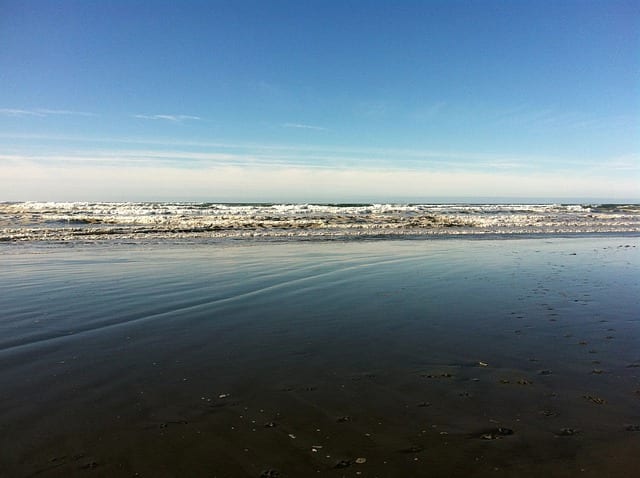
West Coast RV Camping In October Just north of Long Beach, Washington, about 4 hours southwest of Seattle, is the small coastal community of Ocean Park. This town has several great RV spots and some almost right on the beach. Pack up the RV and head to the ocean for some of the best camping of the year! Why? Well, October is a unique time of year. You never know what kind of weather we’re going to get. On sunny, warm days you can play in the water or get dirty in the sand, and on foggy, misty days, nothing beats layering up the jackets and hoodies and taking a stroll along the beach with the waves crashing and turning. Winter and Fall storms bring in unique items so beach-combing is a great activity this time of year. Cape Disappointment is just a few miles farther south where you can both stay in the RV park and take on a great history lesson at the lighthouse or the Coast Guard Station. To top it all off, if you don’t plan on cooking in your RV, you can always enjoy fantastic food like the Serious Pizza at the State Park, fabulous fine dining Italian at the Depot Restaurant, or casual fair right on the beach at The Pickled Fish. Of course, if you do plan on cooking, grab some oysters up at Oysterville to the north of Ocean Park and barbecue them right at your camp spot. Another great West Coast destination is Seabrook. Nestled between Ocean Shores and Pacific Beach, Seabrook is its own little community with cottage rentals overlooking the ocean. But, there are multiple RV parks both north and south of this great community that features a restaurant, café, shops and beach access. This is a great place to visit in the Fall as the waves are crashing and you can enjoy the beach in all its glory. Grab breakfast at the Red Velvet Bakery or take some home for a cozy breakfast in the RV complete with hot coffee or tea. Leave the kids at the RV (if they’re old enough) and enjoy wine tasting at Stowaway Wine Bar & Cheese Shop, then take some home for a late night snack while binge watching your favorite show on the RV Big Screen. West Coast camping in Fall doesn’t have to be a wet, soggy mess. Get out there, adventure awaits! Find out what kind of deals we currently have for an RV perfect for you and your family in our Seattle fleet!

Adventure, Campgrounds, Camping in Washington State, Destinations & Itineraries, Parks

Best Pacific Northwest RV Parks Near Hot Springs

Best Pacific Northwest RV Parks Near Hot Springs With summer temperatures waning and the holidays around the corner, autumn is a great time to seek out Pacific Northwest Hot Springs. There’s a chill in the air and those warm, bubbling natural spring pools are very inviting. If you are thinking about heading out this fall in one of our Seattle RVs, check out some of the great Hot Springs locations throughout the Pacific Northwest. Summer Lake Hot Springs is known as the Oregon Outback. This beautiful RV Park located in Lake County Oregon is one of the most picturesque places in the Pacific Northwest. Nestled at 41777 Highway 31 in Paisley Oregon, you can bask in the beauty and uniqueness of this location all while soaking in the artesian hot mineral springs. The location is just two hours from Bend Oregon and the RV park on-site features water, sewer, 20 to 50 amp electric and pull-through sites available. Belknap Hot Springs is also located in Oregon on the Mackenzie River. This RV park and resort is open 365 days a year, and features two mineral hot spring pools and gorgeous gardens. The RV park features full hookups, and many spots are right next to the river. Crystal Crane Hot Springs is located at 59315 Highway 78 in Burns Oregon. This location features a hot spring pond and private bath houses, as well as event spaces, cabins, and an RV park. The campground features power and water sites with pull-through and back-in spots. All overnight accommodations include unlimited use of the pond, common areas, restrooms, showers and camp kitchens. Hot Lake Springs is nestled in the grand Oregon and not only features Hot Springs but historical buildings, museums and unique architecture as well. They have both cooling and hot soaking spring pools and several different types of accommodation. Sol Duc Hot Springs located on the Olympic Peninsula in the Olympic National Park. Soak up the natural minerals as you drink in the surrounding forests. The Sol Duck RV Park is open March 25 to October 30 but there are several other locations close by, such as Lake Quinault and Log Cabin RV and campground. Carson Hot Springs is located on the Columbia River at 372 St. Martin Springs Road in Carson, Washington. Although the Hot Springs themselves don’t offer RV camping, there are several places close by such as the Bigfoot RV Park, Timberlake campground and RV park in the Wind Mountain RV park and lodge. Bonneville Hot Springs resort and spa is located in North Bonneville Washington. This beautiful resort features rooms and cabins for guests, but if you’re camping you might want to check out the Lewis and Clark campground and RV park close by. The Bridge of the Gods motel, RV Park and cabins are also located close by on the Oregon side of the river. Fall and winter are some of the best times of the year to experience warm, bubbling Hot Springs, so grab one of our Seattle, RVs, gear up, and find some of the most relaxing pools in the Pacific Northwest!