Camping

Adventure, Campgrounds, Camping, Parks, RV Lifestyle & Travel

Places to Visit Near Joshua Tree

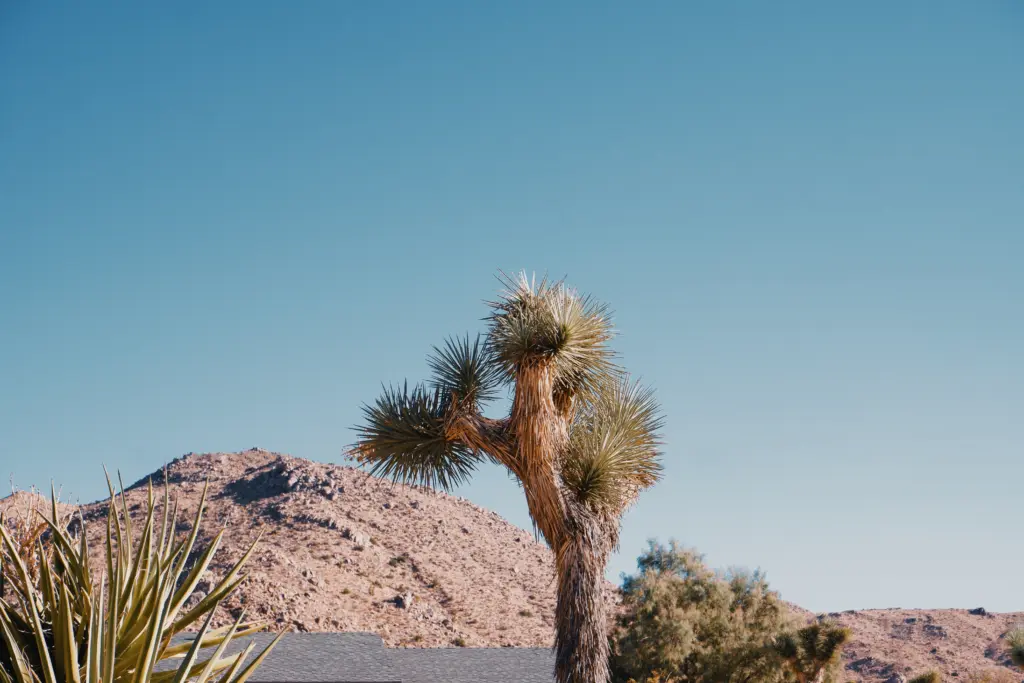
Places to Visit Near Joshua Tree Table of Contents Nestled in the heart of California’s desert, Joshua Tree is a mesmerizing confluence of two distinct desert ecosystems: the Mojave and the Colorado. Its otherworldly landscapes, punctuated by the iconic, twisted Joshua Trees and vast, starlit skies, have beckoned travelers for years. But what many don’t realize is that the wonders of this desert region extend well beyond the boundaries of the national park itself. But Joshua Tree isn’t just about the untamed wilderness. From historical sites that echo tales of the Old West to serene spots perfect for family picnics, the areas near Joshua Tree are a haven for people looking to blend adventure with convenience. Imagine parking amidst the backdrop of the giant boulders and stark landscapes, or setting up camp just in time to catch the golden hour. In the surroundings of Joshua Tree, there’s a trove of RV-friendly attractions that are just waiting to be explored. So, as you get ready for your next adventure, let Joshua Tree and its neighboring wonders guide the way. Dive deep into a journey that promises not just sights, but experiences; not just stops, but stories. Welcome to your RV adventure guide for Joshua Tree and its enchanting surroundings. Unmissable Spots Near Joshua Tree The beauty of Joshua Tree National Park is undeniable, with its iconic trees and mesmerizing landscapes.However, the surrounding area also boasts a treasure trove of unique attractions that beckon the curious traveler. From diving into history to seeking out the enigmatic, the spots near Joshua Tree are as diverse as they are captivating. Pioneertown: Once the backdrop for numerous Old West films of the 1940s and 1950s, Pioneertown now stands as a living testament to the wild west era. Strolling down Mane Street, you’ll be transported back in time, passing original set buildings that now house lively bars, quirky boutiques, and artisanal shops. Don’t miss the famous Pappy & Harriet’s Pioneertown Palace, where live music sets the tone for an unforgettable desert evening. With its authentic wooden facades and dusty roads, Pioneertown offers a slice of cinematic history wrapped in real-world charm. Salton Sea: A vast expanse of shimmering blue amidst the desert, the Salton Sea is California’s largest lake, and its story is as intriguing as its views. Originally formed by an engineering mishap in the early 20th century, the lake’s shores are dotted with relics of once-thriving resort towns. Venture further and you’ll encounter Salvation Mountain, a vibrant art installation preaching love and peace, and Slab City, often termed as the “last free place in America.” The Salton Sea region is a tapestry of natural beauty, history, and eccentricity. Integratron: Nestled in the desert near Joshua Tree, the Integratron is a structure like no other. Built on the premise of rejuvenation, time travel, and extraterrestrial guidance, this wooden dome is renowned for its perfect acoustics. Visitors flock here for the famous “sound baths,” where resonating quartz bowls create a sonic experience believed to relax and heal. Whether you’re seeking a spiritual awakening or simply curious about its architecture and history, the Integratron promises a uniquely harmonious desert experience. Coachella Valley: Not just the namesake of the famed music festival, Coachella Valley is a haven for those who thrive in the outdoors. Golf enthusiasts will find themselves spoilt for choice with the valley’s world-class courses set against striking mountain backdrops. If golf isn’t your swing, the numerous hiking trails, ranging from leisurely walks to challenging treks, offer a chance to explore the region’s diverse ecosystems. The Coachella Valley Preserve, with its palm oases and serene ponds, is a must-visit, providing a refreshing contrast to the surrounding desert. Each of these spots, in its unique way, amplifies the magic of the Joshua Tree region. Beyond the iconic national park, lies a world brimming with stories, adventures, and experiences waiting to be discovered. Getting To Joshua Tree Stepping into a road trip dream with scenic routes that give way to expansive desert vistas and starry night skies, the journey is every bit as enchanting as the destination. Whether you’re a seasoned RV traveler or embarking on your first, here’s everything you need to know about hitting the road to this desert jewel. By Road: Navigating the vast Californian roads to reach Joshua Tree is a straightforward affair, especially if you’re accustomed to the state’s freeway system. Interstate 10 (I-10): This major interstate runs east-west and is the most commonly used route to get to Joshua Tree from both the Los Angeles area and from Arizona. To reach the park, exit at CA-62 (Twentynine Palms Highway) which leads directly to the town of Joshua Tree and the park’s main entrance. CA-247 (Old Woman Springs Road): For those coming from the northern areas like Victorville, CA-247 provides a scenic route that intersects with CA-62, leading you straight into Joshua Tree. RV Parks and Campgrounds: When it comes to laying your RV to rest for the night, there are plenty of convenient and picturesque options near Joshua Tree. Joshua Tree Lake RV & Campground: Located just a short drive from the national park, this campground offers full RV hook-ups and a serene lake setting. Twentynine Palms RV Resort: This is a great spot for families, with a pool, spa, and close proximity to the Joshua Tree National Park entrance. Hidden Valley Campground: Nestled within Joshua Tree National Park itself, this is a more rustic option, perfect for those looking to be at the heart of nature. Note that there are no RV hook-ups here, but the views are unparalleled. Tips for RV Drivers: Road Conditions: Most major roads leading to Joshua Tree are well-maintained. However, always check for any ongoing roadworks or closures before you head out. Potential Hazards: The desert can be unforgiving. Always ensure your RV is stocked with water, especially during the hotter months. Be mindful of wildlife crossings, particularly at dawn and dusk. Parking Spaces: While Joshua Tree National Park is a major attraction, parking spaces, especially for larger RVs, can be
Adventure, Camping, Destinations & Itineraries, RV Lifestyle & Travel

7-Day Road Trip From Seattle: Explore The Real Pacific Northwest

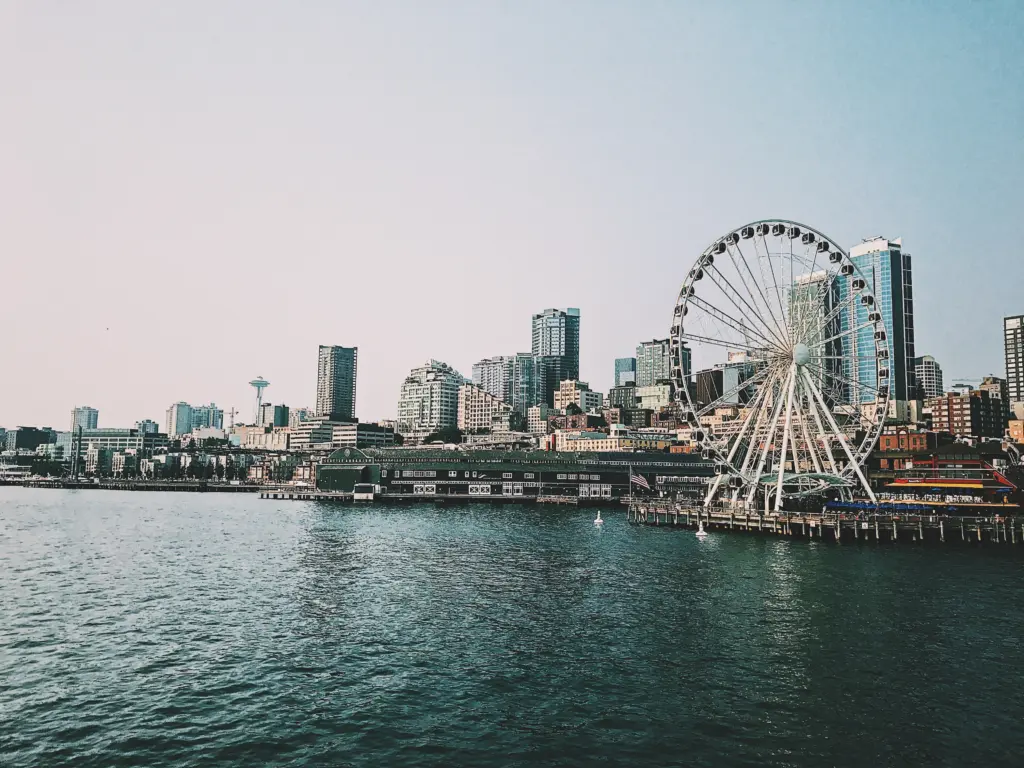
7-Day Road Trip From Seattle: Explore The Real Pacific Northwest Table of Contents The Charm of Seattle: Why Spend a Week? Seattle, lovingly known as the “Emerald City,” graces the Pacific Northwest with its stunning blend of urban skylines and verdant backdrops. As you set the wheels in motion for your road trip, here are some must-visit places within the city: Space Needle: This iconic structure offers panoramic views of the cityscape, with the Olympic and Cascade Mountains framing the horizon. It’s a symbol of Seattle’s futuristic vision, and standing atop, you can feel the pulse of the city below. Pike Place Market: A bustling hub of activity, this historic market lets you savor fresh produce, artisanal crafts, and a hint of Seattle’s vibrant culture. Don’t miss the flying fish or the original Starbucks store nestled within its confines. Chihuly Garden and Glass: A shimmering testament to the art of glassblowing, this museum showcases Dale Chihuly’s masterpieces. The vibrant installations, set amidst a lush garden, are a visual treat. On the Road: Discovering the Pacific Northwest’s Gems Once you venture beyond the city limits, the broader region opens its arms, offering breathtaking landscapes and picturesque towns. Mount Rainier National Park: Towering over the landscape, Mount Rainier beckons adventurers with its snow-capped peaks, wildflower meadows, and ancient forests. Whether you’re an avid hiker or just looking to capture some stunning photographs, this national park is a treasure trove. Olympic Peninsula: Encircled by waters, this peninsula is a mosaic of rainforests, rugged coastlines, and alpine meadows. The Hoh Rainforest, with its moss-laden trees, and the serene shores of Lake Crescent are just a few highlights. San Juan Islands: A cluster of pristine islands, accessible by a scenic ferry ride. Each island offers unique landscapes, from the charming town of Friday Harbor to the whale-watching opportunities off Orcas Island. Best Time to Embark on the Seattle Road Trip Weather Considerations: Seattle, with its temperate maritime climate, offers distinct experiences each season. The summer months, typically June through September, are generally sunny with mild temperatures, ideal for outdoor explorations and ferry rides. Winters, on the other hand, bring in cooler temperatures and occasional snow, painting the landscapes in ethereal white, especially around Mount Rainier. Festivals and Events: The Emerald City is always bustling with events. The Seattle International Film Festival in May and June brings movie enthusiasts from all corners. Bumbershoot, happening in September, celebrates art, music, and culture. While these events add vibrancy, they also attract more tourists, so plan accommodations in advance. Conversely, if you wish for a quieter trip, check Seattle’s event calendar and schedule your visit around the city’s major events. Navigating Peak Tourist Times: Summer is undeniably the most popular time for tourists, given the pleasant weather and array of events. To avoid crowds, start your day early, especially when visiting major attractions. Additionally, consider visiting some spots during weekdays rather than weekends. One Week Road Trip Itinerary From Seattle Day 1: Seattle’s Urban Pulse Embark from the heart of Seattle, where urban charm fuses with the city’s art and history. Dive into the vast collections at the Seattle Art Museum, which narrates tales from varied cultures and epochs. Amble along the bustling waterfront, where the sounds of the city merge with the whispers of the sea. As dusk starts to paint the sky, make your way to Kerry Park. Here, the city unfurls beneath you, with the sunset casting an ethereal glow over its skyline. Day 2: Olympic National Park’s Natural Mosaic Set your course for Olympic National Park, a mesmerizing patchwork of ecosystems. Traverse through its dense, moss-laden rainforests, feeling the hush of ancient trees. Let the rugged coastline beckon, where waves kiss rocky shores. And as day gives way to evening, Lake Crescent offers solace with its tranquil waters reflecting the twilight hues. Day 3: Port Townsend’s Coastal Elegance The maritime allure of Port Townsend awaits. Stroll through streets that breathe history, their Victorian architectures standing as silent storytellers. Dive into nautical tales at the maritime museum. And as hunger strikes, let the town’s eateries serve you the freshest of seafood, each bite echoing the flavors of the sea. Day 4: The Enigmatic San Juan Islands Board a ferry, and let it carry you to the San Juan Islands. Here, nature performs its ballet. Meander along scenic byways, with the promise of orcas leaping in the distance. And when the day’s exploration tires you, the islands’ beaches beckon, their sands and sounds promising unrivaled tranquillity. Day 5: Mount Rainier’s Majestic Silhouette The towering Mount Rainier beckons. It’s a day of trails that wind through alpine meadows, painted by nature with wildflowers. Listen to waterfalls, their cascades singing hymns of the mountains, and let the park’s vistas take your breath away. Day 6: Leavenworth’s Alpine Dreamscape In Leavenworth, Bavaria comes alive in the Pacific Northwest. With its Alpine-style architecture and German-themed diners, the town offers a delightful cultural detour. Whether it’s mountain adventures or simply soaking in the ambiance, Leavenworth promises enchantment. Day 7: Snoqualmie’s Symphony and Homeward Bound Conclude with the magnificent Snoqualmie Falls, where waters plunge dramatically, creating a spectacle for the senses. Let its roar be the culmination of your week’s symphony. With heart and camera full, drive back to Seattle. Every mile will be an invitation to reflect on the tapestry of experiences and the myriad of memories stitched into each day. Hitting the Road Smartly: Tips for a Seamless Seattle Road Trip Dodging the Traffic Jams: Seattle, like many bustling cities, grapples with its share of traffic snarls, especially during those peak rush hours in the morning and evening. It’s wise to strategize your driving schedule around these times. To keep ahead of the curve, whip out handy apps like Waze or Google Maps, which offer real-time traffic insights to help you navigate smoothly. Scouting for Bites and Basics: On your journey, don’t miss the vibrant farmers’ markets sprinkled around – they’re your ticket to fresh produce and some delightful local goodies. But if you’re racing against time,

Adventure, Campgrounds, Camping, Destinations & Itineraries

Oregon Family Camp Trip Recommendations

Oregon Family Camp Trip Recommendations Table of Contents At this point in your planning you’ve probably already learned about that Oregon has some of the nation’s best national parks and you want to start looking at RVs. There are three general categories you’ll want to know: – Class A RVs aka Big Motorhomes (26 to 45 feet)– Class B RVs aka Big Truck With Built In Trailer (17 to 23 feet)– Class C RVs aka Big Truck With Built In Trailer (20 to 28 feet)– Trailers aka Towed Campers (15 to 45 feet) But what makes the Pacific Northwest, and particularly Oregon, such a coveted travel spot for families yearning for an outdoor escape? It’s the combination of accessibility and raw wilderness. Families find in Oregon a playground vast enough to ignite imaginations yet intimate enough to create cherished shared moments. The rhythmic crashing of ocean waves, the thrill of spotting a deer grazing amidst the mist, or the sheer wonder as you gaze up at the starry canopy from a campfire’s glow – these moments, in their simplicity, encapsulate the essence of family camping trips here. If you’re ready to travel then you’ll want to go ahead and browse our fleet our luxury campers. Otherwise keep reading to learn more about visiting Metolius Springs. Oregon’s Most Popular Parks for Family Camping Trips Silver Falls State Park: Oregon’s largest state park, Silver Falls is aptly named, offering visitors a breathtaking journey through a realm where water cascades with grace and might. The crown jewel of this park is the Trail of Ten Falls, a looping trail that gives families the rare chance to not just witness, but to actually walk behind a cascade of falling water. Children’s eyes light up in wonder as they feel the refreshing mist and hear the thunderous roar up close. Beyond the falls, the park presents over 35 miles of backcountry trails, perfect for horseback riding, mountain biking, or a serene family hike. The campsites, designed with families in mind, feature spacious tent and RV sites, picnic areas, and playgrounds, making those moments of relaxation just as memorable as the adventures. Crater Lake National Park: A caldera brimming with the bluest of blues, Crater Lake is nature’s testament to the transformative power of cataclysmic events. Formed by the collapse of a volcano, this lake stands as the deepest in the U.S., with depths reaching almost 2,000 feet. But beyond its geological marvel, it’s the ethereal beauty of the place that captivates families. The Rim Drive offers panoramic views that seem to merge the skies with the sapphire waters below. For young explorers, the park has a selection of trails like the Sun Notch and Godfrey Glen, offering short yet immersive hikes into the park’s varied terrains without being too strenuous. Cape Blanco State Park: Perched on Oregon’s rugged southern coast, Cape Blanco offers camping sites with a blend of history and natural beauty. The westernmost point in the state, this park provides families with expansive coastal views that stretch endlessly, punctuated by the Cape Blanco Lighthouse, a beacon of Oregon’s maritime history. The access to six miles of sandy beaches means families can indulge in everything from beachcombing to kite flying, while the dense forest trails offer shelter and a dash of mystery. The park’s campground, with its well-equipped sites, ensures that even novices feel comfortable, while the horse camp and trails add another layer to the family outdoor experience. Smith Rock State Park: A geologic wonder, Smith Rock isn’t just a climber’s paradise but a family’s outdoor playground too. Rising dramatically from the Central Oregon desert, its spires, and cliffs showcase a palette of deep reds and browns. For families, the River Trail provides an easy hike, tracing the Crooked River and offering up-close views of climbers in action. Meanwhile, the child-friendly interpretive trails educate young minds about the park’s geology and ecosystem. As the day winds down, you might just spot golden eagles or prairie falcons soaring against the backdrop of a setting sun, adding the perfect touch to a day of exploration. The Ideal Oregon Roadtrip Camping Spots Travel Overview Oregon, in its splendor, feels like an open invitation to road-trippers, its roads winding through terrains that oscillate between lush forests, roaring rivers, and tranquil coastlines. For our journey, we’ll start from the heart of the state, make our way to the southern border, and culminate on the scenic Pacific coastline. As your RV wheels hum in tune with Oregon’s heartbeat, you’ll discover that the journey is every bit as enchanting as the destinations. Tumalo State Camp Nestled just a stone’s throw from Bend, Tumalo serves as a delightful starting point or mid-journey respite. The Deschutes River flows gracefully through, offering families a serene riverside camping experience. Here, the murmur of the river becomes your lullaby, and the dawn chorus of birds your morning alarm. The park’s campgrounds are equipped with modern amenities, ensuring a comfortable stay. Its proximity to Bend offers a blend of nature and city charm – making it a perfect spot for families wanting to dip their toes into the local culture, grab a craft beer or indulge in some artisanal ice cream. Valley of the Rogue State Camp Positioned strategically along I-5, this park acts as a comforting waypoint for families journeying between Oregon and California. But it’s more than just a convenient stopover. The Rogue River, with its rich history and vibrant ecosystem, lends the park its distinctive character. Families can set camp by its banks, indulge in a bit of fishing, or simply relax and enjoy the river’s tales. The trails weave through varying landscapes, each telling a story of the region’s flora and fauna. For those interested in Oregon’s literary history, it’s thrilling to know that renowned author Zane Grey penned his classic, Rogue River Feud, inspired by this very river. Jessie M. Honeyman Memorial State Camp Positioned snugly between the Oregon Dunes National Recreation Area and the deep blue of the Pacific, Jessie M. Honeyman offers families a unique dunes-meet-coast campingground experience. The vast stretch of

Adventure, Campgrounds, Camping, Destinations & Itineraries

Metolius Springs: Where to Camp & What to Do

Metolius Springs: Where to Camp & What to Do Table of Contents Nestled amidst the verdant heart of Oregon, Metolius Springs emerges as a sanctuary of unspoiled splendor. Picture this: crystal-clear waters bubbling forth from ancient volcanic rock, surrounded by towering pines that whisper stories of time gone by. The gentle hum of the forest, the rippling cadence of the springs, and the distant calls of native birds come together to create a symphony of nature, untouched and pure. For those of us in Seattle, this oasis lies tantalizingly close, almost beckoning with its serene beauty. Just a few hours on the road, and the bustling cityscapes give way to this tranquil hideaway. Whether you’re itching for a rejuvenating weekend retreat or seeking an idyllic pit-stop on a grander Pacific Northwest journey, Metolius Springs awaits, promising an intimate rendezvous with nature at its most raw and beautiful. If you’re ready to go then you’ll want to go ahead and browse our fleet our luxury campers. Otherwise keep reading to learn more about visiting Metolius Springs. The Legend of Metolius Springs The magic of Metolius Springs lies as much in its origins as it does in its pristine beauty. With waters emerging mysteriously from the base of Black Butte, an ancient shield volcano, the springs have long been a subject of fascination. Geologists and nature enthusiasts alike marvel at how such abundant, crystal-clear waters can pour forth with no discernible source. Legends among Native American tribes tell tales of these waters, attributing them to ancient spirits and deities that once roamed the land. Metolius Springs has earned its fame not just for its enigmatic origins, but also for its role as the lifeblood of the surrounding ecosystem. It feeds the Metolius River, which meanders through Central Oregon, providing sustenance to a diverse range of flora and fauna. The river and its springs play a crucial role in maintaining the ecological balance of the region, supporting everything from the smallest aquatic life to the majestic ospreys and eagles that soar above. Historically, the springs and the river have been vital to the communities that have lived in their vicinity. For Native American tribes, it was a source of both spiritual and physical sustenance. Later, settlers and explorers would come to rely on its waters for navigation and sustenance. Today, while its role might have shifted more towards recreation and tourism, the significance of Metolius Springs in the tapestry of the region’s history and ecology remains undiminished. Why Choose a Camper for Your Adventure? The Unique Camper Experience : Traveling by camper isn’t just another way to get from point A to B—it’s a transformative experience. Imagine having your home’s comforts seamlessly integrated with the pulse of the open road. No rigid schedules, no packing and unpacking at every destination, just the open road and your sense of adventure guiding the way. The flexibility a camper provides is unparalleled. Ever found a sunset spot you wish you could wake up to? Or a serene lakeside begging for an extended stay? With a camper, spontaneous decisions become a cherished part of the journey. Forget about the hassles of hotel check-ins, or the disappointment of a missed reservation; the road is yours to command. Economical Benefits: While the allure of a camper often revolves around the experience, it also presents significant economic advantages. For extended trips, the costs of hotel stays can quickly add up. Campers offer a cost-effective solution, merging transport and accommodation expenses. Moreover, with a camper, meals become a part of the fun. With the ability to cook and store food, you’re not tethered to hundreds of miles away from where you want to go. Whip up a quick breakfast before sunrise or enjoy a late-night snack under the stars—it’s all up to you. Environmental Considerations: Sustainability is more than just a buzzword; it’s a responsibility. Choosing a camper can significantly reduce your carbon footprint, especially when you compare it to the environmental costs of flying to a destination and then staying in a hotel. Additionally, campers allow you to be in the heart of nature, providing a closeness that hotel rooms often can’t match. And the best part? You get to enjoy this proximity to the great outdoors without the fuss of pitching tents or worrying about unpredictable weather. It’s a balance of eco-friendliness and convenience, making campers a conscious choice for the modern traveler. Seattle to Metolius: The Journey Embarking on a journey from Seattle to the enchanting Metolius Springs, travelers have a choice to make: take the direct path or indulge in the road less traveled, sprinkled with delightful detours. The Direct Path: For those keen on reaching Metolius Springs with efficiency, the I-5 South and US-97 South route is your best bet. Departing from Seattle, you’ll head south on the I-5, then make a transition to US-97 at the junction near Weed. This straightforward route spans a distance of roughly 300 miles and takes around 5 hours of driving. With clear roads, you’ll be greeted by the allure of Metolius Springs in no time. The Road Less Traveled: Adventure beckons for those willing to meander. Opt for a scenic detour through the Cascade Range. Start your journey on I-90 East, journeying through Snoqualmie Pass. Soon, you’ll be presented with the chance to take WA-970, which beautifully blends into WA-97. From here, consider a pit-stop at the Bavarian-inspired town of Leavenworth. Bask in its German architecture and perhaps grab a pretzel or bratwurst for the road. Continue south on US-97, and as you approach Bend, veer west to make your final approach to Metolius Springs. This route, though longer, offers scenic vistas, quaint towns, and an intimate experience of the Pacific Northwest’s diverse landscapes. Whichever path you choose, the destination promises a rejuvenating encounter with nature. So, pack those bags, fuel up, and let the road guide your spirit! Crafting the Ultimate PNW Road Trip When you’re looking to immerse yourself in the mesmerizing landscapes of the Pacific Northwest, there’s truly

Adventure, Campgrounds, Camping, Parks, RV, RV Lifestyle & Travel

Bonny Lakes: Campground, Trails, and More!

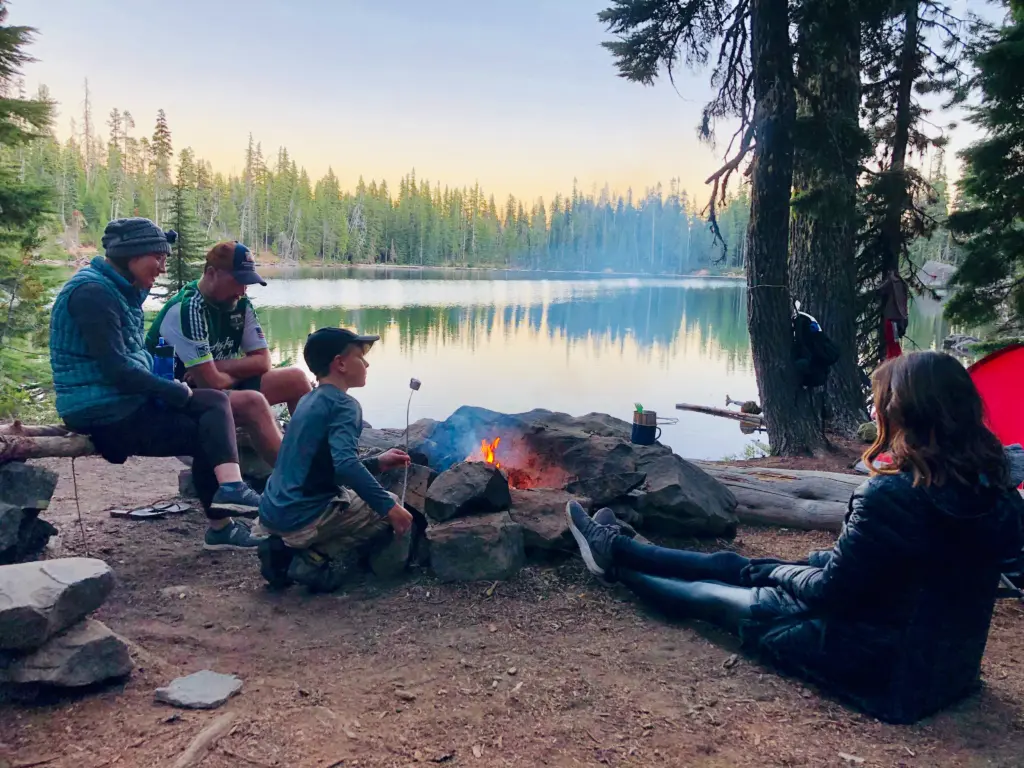
Bonny Lakes: Campground, Trails, and More! Bonny Lakes holds a special place in the hearts of many locals who grew up with summer visits at the lake. With its clear waters that perfectly mirror the surrounding greenery and expansive skies, it’s no wonder these lakes have been a favorite retreat for decades. Located right in the heart of some of the country’s most untouched landscapes, the Bonnie Lake makes for a perfect break from the loud city. I’ve had the pleasure of watching countless sunrises over these lakes, each one more mesmerizing than the last and trust me, there’s nothing quite like the peace you find here. Escaping Seattle To Bonny Lakes Driving over from Seattle, the ride to Bonny Lakes winds over 200 miles of Washington State beauty. Depending on the route you choose and driving conditions, this drive typically takes about 3.5 to 4 hours, making it a great choice for a weekend getaway. Must-See Stops Along the Way RV-Friendly Parking Upon arriving at Bonny Lakes, visitors will find a dedicated RV parking area located near the main entrance. Spacious and well-marked, it caters to vehicles of various sizes. However, during peak season, it’s advisable to arrive early or consider booking a spot in advance if the facility allows. The proximity to the lakes and trails ensures convenience, making it an ideal base for your lakeside getaway. Why Do People Travel To Bonny Lakes? Natural Beauty The view is amazing when the lake reflects the surrounding mountain ranges, creating an ever-changing panorama of colors and shadows. Every season paints Bonny Lakes in a unique hue – from the vibrant wildflower blooms of spring to the gilded foliage of autumn. Cascading waterfalls hidden amidst the forests make for good background noise. And for families, the gentle shores provide ample opportunities for lakeside picnics, tanning, and building sand castles. A Haven for Wildlife Enthusiasts This area teems with life. Deer can often be seen grazing near the water’s edge in the early hours, while the distinct calls of native birds fill the air. The dense woods around the lakes are home to more seldom seen animals too – from the stealthy fox to the occasional playful otter near the banks. For those with a keen eye, the fluttering of butterflies and the busy world of insects provide endless fascination. Stargazing Opportunities When night descends upon Bonny Lakes, a different kind of beauty unveils itself. Far from the city’s light pollution, the skies above the lakes are a canvas of twinkling stars, radiant planets, and the ethereal glow of the Milky Way. On clear nights, stargazers can revel in celestial wonders and even the occasional meteor Families can gather around the campfire for a night of smores, stories, and good memories. rails Around Bonny Lakes: Exploration Awaits Family-friendly Trails For families wanting a gentle stroll, the Lakeside Loop offers a flat, well-maintained pathway that encircles the main water body. At just 2 miles in length, it provides plenty of spots to rest and enjoy the view. For those with younger children, the Meadow’s Delight Trail is a 1-mile loop that meanders through open fields, sprinkled with wildflowers and buzzing with butterflies – a delightful visual treat for the little ones during the summer. Adventurous Trails For the more seasoned hikers, Eagle’s Crest is a must-try. Climbing steadily over 4 miles, this trail rewards with unparalleled views of Bonny Lakes from a majestic vantage point. The occasional sight of eagles soaring overhead adds to its allure. Another challenging but rewarding trail is the Forest Whisper Path, a winding 5-mile trek through dense woodlands, with occasional clearings presenting glimpses of hidden waterfalls and the serene lake beyond. Bonny Lakes via Tenderfoot Wagon Road and Nooney Lakes Trail This trail offers hikers a sublime journey through the heart of Oregon’s backcountry. Winding through dense forests and open meadows, the trail provides panoramic vistas of the Wallowa Mountains, ensuring a frame from a movie at every turn. The tranquil waters of Bonny Lakes, combined with the diverse flora and fauna encountered en route, encapsulate the essence of the Eagle Cap Wilderness. Safety Tips: While the area offers a natural sanctuary for relaxation and exploration, there are things that you should keep in mind: Be Prepared Especially for the longer trails, ensure you have adequate water, sun protection, and a basic first-aid kit. If it’s summer, you’ll need more water than you think! Stay Alert The area is home to diverse wildlife. Most animals will keep their distance, but always be cautious and avoid feeding or approaching them. Know the Terrain Some trails, especially the more adventurous ones, may have steep sections or loose ground. You’ll want to wear appropriate footwear and consider using trekking poles for added stability. Stay Informed Before setting out, check for any trail advisories at the local ranger station or information center. Sometimes these places have information that Google doesn’t. Beyond the Trails: Activities for Families at Bonny Lakes Picnicking Paradises The shores of Bonny Lakes are dotted with numerous picnic spots, each offering a unique perspective of the tranquil waters and verdant surroundings. Whispering Pines Clearing is an excellent choice with its shaded spots and the soft hum of pine trees in the breeze. Families preferring an open area can opt for Sunny Meadows, a grassy expanse overlooking the lake, ideal for games or lounging in the sun after a delightful meal. Water Activities Interactive Learning The Bonny Lakes Interpretive Center is a haven for curious minds. With a range of exhibits showcasing the region’s ecology, geology, and history, it provides a comprehensive understanding of the lakes and their significance. Regular nature talks and interactive sessions, especially curated for children, ensure learning is fun and engaging. Keep an eye out for their schedule, as some talks are led by local Indigenous people, offering profound insights into the area’s cultural heritage. Evening by the Lakeside As dusk sets, Bonny Lakes transforms into a realm of golden hues and serene silhouettes. Families often gather

Adventure, Camping, RV, RV Lifestyle & Travel, Trailer

Rent an Airstream: How, Why, and Where

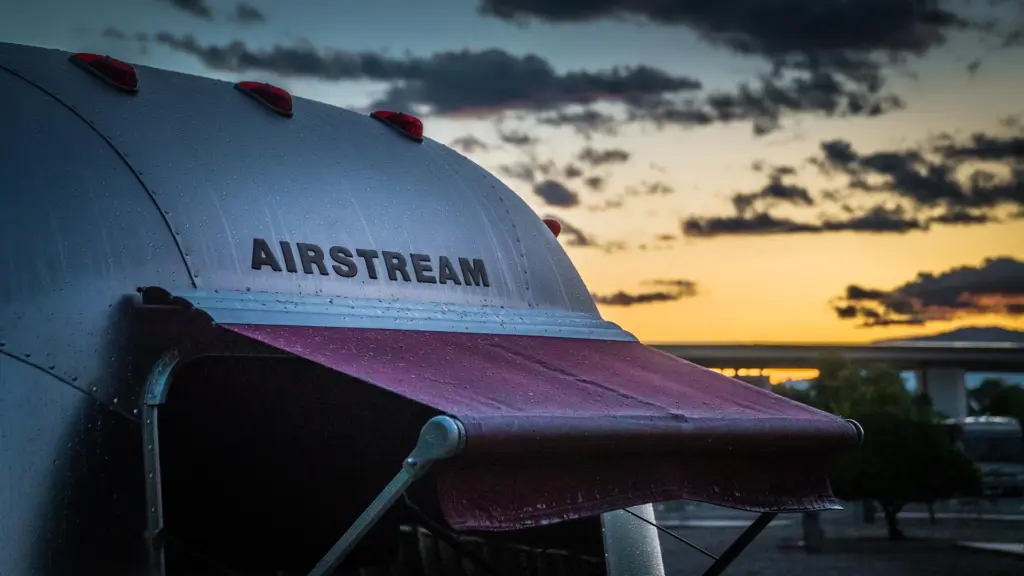
Rent an Airstream: How, Why, and Where In a world teeming with motorhomes and campers, each promising the comforts of home on the road, there remains something undeniably alluring about the Airstream. It’s not just another RV; it’s an icon. A statement. A dream on wheels. But what is it about this shining beacon of road travel that sets it so distinctly apart? Let’s delve into the story of the Airstream and uncover why it’s a crowd favorite. Now, imagine gliding through this untamed panorama in a vehicle that is as much a part of the American landscape as the regions it explores: the Airstream. Its sleek, silver curves reflecting the ever-changing hues of the Northwest sky, an Airstream is more than just an RV—it’s a symbol of freedom, of wanderlust, of a timeless desire to roam and discover. For those who’ve already made up their mind and want to glide through the Pacific Northwest in a vehicle that is as much a part of the American landscape as the regions it explores, then browse our fleet of professionally maintained RVs! Airstream: Design and Devotion Origins and Design Reasons for Airstream’s Enduring Popularity In essence, the Airstream’s design isn’t merely about aesthetics. It encapsulates a way of life, a passion for adventure, and a commitment to quality. These factors, combined with a loyal community and the promise of the open road, have cemented the Airstream’s status as an American legend. Airstream vs. The Rest What gives the Airstream this unique position among a wide range of road vehicles? The answer lies in the Airstream’s remarkable combination of space efficiency and classic beauty. Many RVs lean heavily into maximizing size and storage, often sidelining aesthetic considerations. The Airstream achieves equilibrium. Every inch of its compact interior serves a meaningful purpose, crafting a living space that’s both wide-ranging and cozy. Its iconic silver design evokes memories of past adventures and the promise of new ones. With a prowess for integrating opulence and utility, the Airstream is unparalleled. Its panoramic windows drench interiors in sunlight while framing breathtaking views of ever-changing horizons. Ingenious storage solutions neatly tuck away essentials, maintaining a serene ambiance. The Airstream isn’t solely about fulfilling tangible requirements; it elevates each journey, turning mere trips into soulful retreats. Price discussions surrounding the Airstream often highlight its premium tag. While Airstreams can be pricier than several other RV counterparts, prospective owners should recognize the enduring value it offers. The robust quality, lasting resilience, and the memorable experiences it affords set the Airstream apart. The cost reflects not just the vehicle but an exceptional travel experience. Where to Rent an Airstream For those who are smitten by the Airstream allure but aren’t quite ready for a full commitment, renting becomes an attractive option. But where does one start their quest to find this silver bullet on wheels? The digital age has simplified the rental process, offering a multitude of platforms catering to the needs of Airstream enthusiasts. From dedicated RV rental websites to peer-to-peer platforms, the choices are abundant. These platforms typically come with user reviews, photographs, and detailed specifications, helping renters make an informed choice tailored to their requirements. But among the wide range of platforms and rental options, there’s a beacon in Seattle that’s been consistently catching the eye of Airstream aficionados: NW Adventure Rentals. Beyond its extensive fleet of Airstreams tailored for different needs, what truly distinguishes NW Adventure Rentals is its unwavering commitment to the customer experience. From a seamless booking process to ensuring each Airstream is in pristine condition, their dedication is palpable. Add to this their deep-rooted knowledge of the Pacific Northwest, allowing them to offer renters curated trip advice, and you have a platform that doesn’t just rent out Airstreams, but crafts memorable adventures. What Makes NWAR The Right Choice? Amidst the evergreen forests, towering peaks, and serene waters of the Pacific Northwest, NWAR has etched a reputation as not merely as a rental service, but as a cornerstone of countless journeys and memories. But what makes this local Seattle spot resonate so deeply with those RVers? NW Adventure Rentals understands that every traveler, every family, and every journey is unique. Their fleet mirrors this understanding. From compact Airstreams perfect for a solo traveler or a couple to more expansive options designed to accommodate families, there’s something for everyone. Each Airstream is meticulously maintained, ensuring that it’s not just about renting an RV, but inheriting a temporary home. Before the journey begins, from the moment of inquiry to the instant the keys are handed over, NW Adventure Rentals ensures that every interaction is seamless. Their team’s knowledge extends beyond the vehicles; they are well-versed in the nuances of the Pacific Northwest, often guiding renters on off-the-beaten-path adventures or hidden serene spots. Recognizing that the Airstream journey is as much about the destination as it is about the ride, NW Adventure Rentals offers curated trip suggestions. Whether you’re keen on chasing waterfalls, exploring coastal villages, or finding that secluded mountain vista, their recommendations stem from a deep love and understanding of the region. In a region renowned for its natural beauty, NW Adventure Rentals takes its environmental responsibility seriously. Their Airstreams are equipped with eco-friendly amenities, and they advocate for Leave No Trace principles, ensuring that the Pacific Northwest remains pristine for generations to come. Rent An Airstream For Your Trip The allure of the open road, paired with the majestic vistas of the Pacific Northwest, paints a picture of adventure that few can resist. And at the heart of this dreamy escapade is the Airstream—a beacon of timeless design, functionality, and the promise of journeys filled with wonder. While there are many paths to tread and vehicles to choose from, the Airstream, with its iconic sheen and storied history, beckons travelers with a call that’s both nostalgic and forward-looking. NW Adventure Rentals understands what you need to for a perfect vacation, which is why our selection of airstreams is designed to help you experience the PNW without

Adventure, Camping, Destinations & Itineraries, RV Lifestyle & Travel

Bike Trails Near Wallace Idaho: Where To Ride

Bike Trails Near Wallace Idaho: Where To Ride Pedaling through the Pacific Northwest is unlike anywhere else: the cool breeze brushing against your face, the rhythm of the bike beneath you, and the ever-present aroma of pine trees. Amidst these sensory delights, nestled between mountains and dense forests, is the inviting town of Wallace, Idaho. Getting To Wallace Driving To Wallace Scenic Highlights for RV Travelers Top Bike Trails Near Wallace Trail of the Coeur d’Alenes One of the standout biking experiences in the region, the Trail of the Coeur d’Alenes spans a whopping 73 miles, carving through the heart of Idaho’s beautiful nature. Originally a railroad track, it’s now a smoothly paved pathway making it accessible for riders of all levels. As you traverse this trail, you’re graced with views that range from the shimmering Coeur d’Alene Lake to the sprawling meadows and dense patches of woodland. Highlights include the Chatcolet Bridge, where you can pause and enjoy panoramic views of the surrounding water and hills. Route of the Hiawatha What could be the crown jewel of mountain biking in the region, the Route of the Hiawatha is a must ride. Spanning 15 miles, this trail boasts remarkable features like the dark and mysterious Taft Tunnel, and several trestles that offer elevated views of the valley below. Families often enjoy the thrill of biking through tunnels and over wooden bridges, but for those with younger kids or seeking a more relaxed experience, the stretch from the East Portal of the St. Paul Pass Tunnel to Pearson offers gentler terrains and numerous scenic spots to stop and savor the surroundings. Other Notable Trails Why People Visit Wallace Every Year Historical Allure Wallace boasts a past as rich and deep as the mines that once defined its identity. A heartland for silver mining in the late 19th and early 20th centuries, the town wears its history proudly. Every corner tells a tale, from the brick-laden streets to the meticulously preserved buildings. One of the town’s most whimsical claims is its self-proclaimed title as the “Center of the Universe.” A manhole cover in the downtown area marks this designation, which, though made in jest, symbolizes Wallace’s endearing spirit and character. Additionally, the town is sprinkled with heritage landmarks, such as the Northern Pacific Railroad Depot, offering both locals and visitors a tangible touch to the past. Natural Beauty The town is cocooned by verdant landscapes that range from gentle hills to towering peaks. Meandering streams weave their way through the land, each with its gentle song that resonates with the peace of the region. These waterways, combined with the encompassing forests, create an environment that soothes the soul and sparks adventure in equal measure. Whether it’s a sunrise that paints the sky or a canopy of stars at night, Wallace’s natural beauty is a ceaseless wonder. Biking Bonanza: For those who find joy in the union of muscle and metal, of pedal and path, Wallace offers an experience like no other. The town is a gateway to tons of biking trails because of its surrounding landscapes. Whether you’re an amateur enjoying a leisurely ride or a seasoned cyclist seeking the thrill of challenging terrains, Wallace caters to all. Family Activities Beyond Biking Historical Adventures The pulse of the past beats strong in Wallace. Families can embark on a journey through time at the Wallace District Mining Museum with exhibits showcasing equipment, photographs, and personal tales from the mining days. For those wanting a more immersive experience, several local companies offer mine tours, allowing families to venture deep into the earth, retracing the steps of miners and marveling at the shimmer of raw minerals in the subterranean world. Nature’s Wonders Beyond its biking trails, Wallace’s natural beauty beckons families to explore on foot. Numerous hiking trails of varying difficulties allow even the littlest of legs to engage with nature. A favorite is the Moose Creek Reservoir Trail, offering gentle slopes, frequent wildlife encounters, and spots perfect for a family picnic. As dusk falls, the clear skies of Idaho turn into a celestial canvas. Families can lay back at one of the town’s many open spaces and indulge in stargazing, identifying constellations, and watching for shooting stars. Recreational Activities Wallace’s natural bounty isn’t just to be seen—it’s to be engaged with. Families can spend quiet mornings fishing by the side of the town’s bubbling streams, casting lines and perhaps catching a trout or two. Wildlife spotting, with possibilities of seeing deer, moose, and a myriad of bird species, offers another avenue of excitement. And when winter descends, the region transforms into a snowy wonderland, making activities like snowshoeing and cross-country skiing popular choices. In-town Attractions When it’s time to swap the wilderness for Wallace’s warm community charm, families will find no shortage of activities. The town is dotted with family-friendly restaurants, where dishes are often made from locally sourced ingredients that actually have flavor. Shops, with unique offerings of overthink from antiques to handmade crafts, invite visitors to browse and buy. And Wallace’s calendar is often marked with local events and festivals, such as the annual Huckleberry Festival, where the vibrant culture of the town, its music, dance, and flavors, come alive. Pair Bike Riding With An RV For those yet to embark on this RV adventure or contemplating another, make sure your travel experience goes smoothly with a ride from NW Adventure Rentals. Our fleet offers the comfort of home on wheels, ensuring that the journey to destinations like Wallace is as memorable as the stay. So, set your sights on the horizon, let Wallace beckon, and allow us to be your trusted companion on this unforgettable adventure.

Adventure, Camping, Destinations & Itineraries, RV Lifestyle & Travel

Canoeing on a Lake in the Pacific Northwest

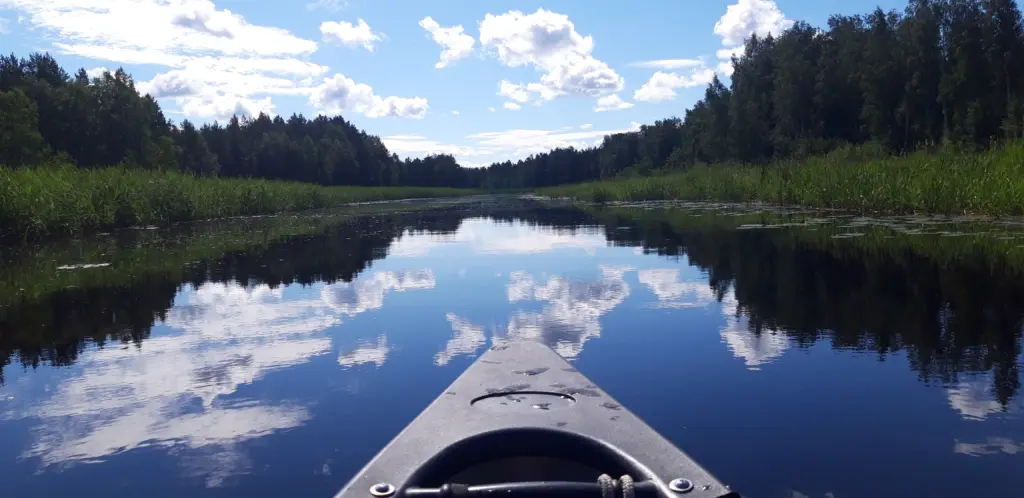
Canoeing on a Lake in the Pacific Northwest Ahhh…nothing beats a nice day on lake. As you venture into the heart of the Pacific Northwest you’ll come across a landscape of verdant forests, rugged coastlines, and majestic mountains. But amidst the vast wilderness, there’s a tranquil experience that you just can’t get anywhere else — a canoe or kayak gliding silently across a cool blue lake with towering pines framed against the backdrop of misty mountains. Whether you’re a seasoned paddler or someone yearning for a serene escape, the lakes of the PNW promise an experience that lingers in your memory, long after the ripples have settled. Top Canoeing Destinations in the Pacific Northwest Lake Quinault Tucked away within the embrace of the Olympic National Forest, Lake Quinault offers more than just a canoeing experience. As you paddle, you’re graced with views of dense rainforests, their ancient trees standing tall and proud, whispering tales of eons past. The gentle lapping of the water, combined with the distant calls of native birds, crafts a soundtrack that’s pure PNW magic. Ross Lake Journeying to the Pacific North Cascades reveals the beauty that is Ross Lake. Not just a lake, but a reservoir, its waters possess a crystalline clarity that seems almost surreal. Paddling here isn’t merely about the act, but the surroundings. Towering mountain vistas, their peaks often kissed by snow, reflect upon the lake’s surface, creating a mirage that’s both majestic and humbling. Lake Wenatchee Positioned gracefully near the charming town of Leavenworth, Lake Wenatchee is a testament to the diverse landscapes. On one side, you’re treated to an expansive view of mountains, their slopes painting a picture of rugged beauty. On the other, dense forests stretch out, their green canopy a stark contrast to the lake’s serene blue. Every stroke of the paddle here promises a new perspective. Suttle Lake Venturing into Central Oregon, Suttle Lake emerges as a sanctuary for those seeking solace on water. The lake’s waters possess a unique shade of blue, reminiscent of clear skies on a sunny day. As you glide, the rhythmic sound of water against wood accompanies you, and the world seems to slow down, allowing you to absorb every moment, every sight, every emotion. Why Go Canoeing on a Lake in the Pacific Northwest at All? Natural Beauty It’s only in the Pacific Northwest that you’ll find the mix of calm lakes that mirror rich blue skies, lush forests that echo with the whispers of ancient pines and towering mountain ranges with snow-capped peaks in the distance. As you glide on a kayak or canoe, the water’s surface is barely disturbed by your paddle, you’re not just observing this panorama—you’re becoming a part of it. The serenity is palpable, as if every droplet, every tree, and every stone has a story to tell, and they’ve all paused to share it with you Accessible Adventure Canoeing in the Pacific Northwest isn’t an exclusive club for the seasoned adventurer. It’s an open invitation, beckoning both the curious beginner and the experienced paddler. The gentle lakes offer a forgiving playground, allowing newcomers to get a feel for the paddle and the rhythm of the waters. For the seasoned, the lake provides meditative retreat to refine strokes or simply drift in contemplation. It’s an adventure where the thrill isn’t about conquering, but about connecting—with nature, with oneself, and with the very essence of exploration. Wildlife and Nature Encounters The pristine waters and surrounding habitats of the lakes are teeming with life. As you paddle around in your canoe, keep your senses alert for the majestic sight of a bald eagle soaring overhead, its keen eyes scanning the waters for a catch. Along the forested shorelines, you might catch a fleeting glimpse of playful otters slipping into the water or hear the distant call of loons echoing across the lake. Every paddle stroke might bring a new discovery, adding layers to your canoeing adventure, making it not just a journey on water but a deep dive into the region’s vibrant ecology. Gear Up Before You Go Choosing the Right Canoe Embarking on a canoeing journey demands selecting the right canoe, one tailored to the region’s calm lakes and the nature of your trip. The Pacific Northwest has a diverse array of water bodies, from tranquil lakes to white-water rivers. For those who favor the peaceful ambience of the northwest lake, certain canoe types emerge as top contenders. It’s imperative, regardless of your canoe choice, to confirm its buoyancy capabilities, especially if you intend to carry additional gear. This not only ensures safety but also provides peace of mind as you traverse the serene lakes of the Pacific Northwest. Gear Essentials Before drifting into the serene embrace of the lakes, ensuring that you have the right equipment is crucial. Nourishment A day of paddling and baking in the sun can leave you pretty hungry and very thirsty. Make sure to bring enough items to fix both those problems. Comfort & Utility When you’re amidst nature, comfort enhances the experience and utility ensures you’re prepared. More Than Just Hot Springs: A Journey Beyond the Springs Hiking & Nature Walks While the waters of the Pacific Northwest invite serene exploration, its lands are no less beckoning. Families will find a haven of trails, from gentle nature walks to more challenging hikes, suitable for all ages and experience levels. For instance, the Olympic National Park offers trails like the Hoh Rainforest Hall of Mosses – a relatively short loop, but one that immerses walkers in an ancient, moss-draped wonderland. It’s a living storybook, where every twist and turn reveals the timeless tales of nature. Camping For families journeying in an RV, the parks roll out a carpet of welcoming campgrounds. Many of these are strategically located near popular canoeing destinations, ensuring that water adventures are just a stone’s throw away. RV-friendly spots like the Colonial Creek Campground by Ross Lake offer both the essential amenities and added bonuses such as lakeside

Adventure, Campgrounds, Camping, Camping in Washington State, Destinations & Itineraries, Washington

Hot Springs Near Spokane: Find The One For You

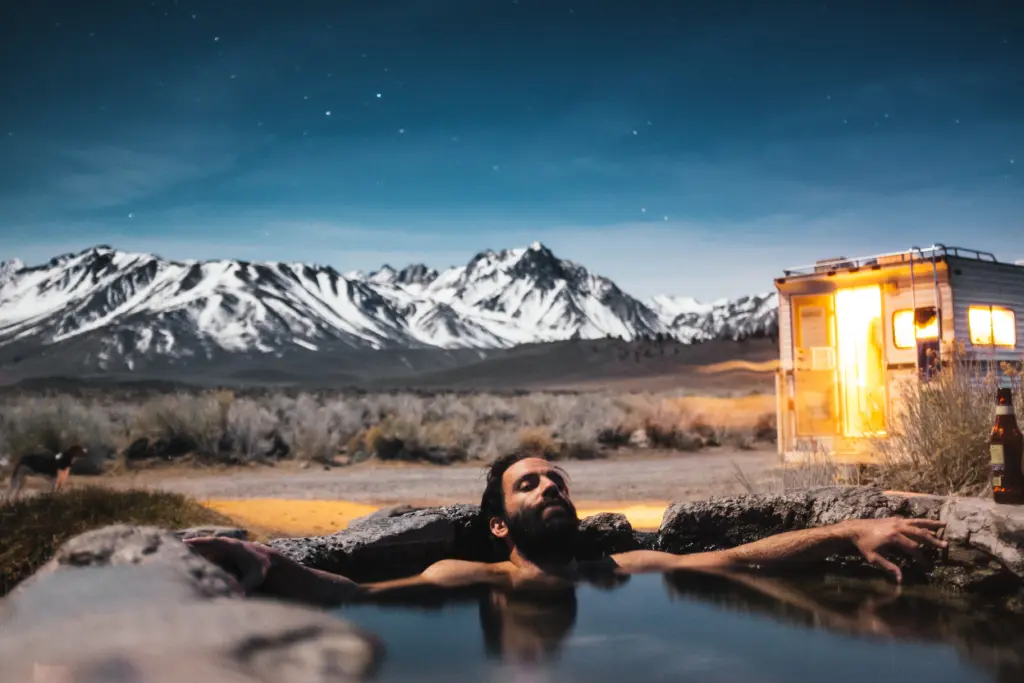
Hot Springs Near Spokane: Find The One For You Ahhh…hot springs. A great spot to escape the chilly weather of Spokane. Long soaks in mineral water are a perfect way to recover from a long hike, a long ski day, or to simply get away from the stress of daily life. After living in Spokane for a while, we’ve discovered quite a few of these wonderful Pacific Northwest hot springs, but all of them require at least a few hours of driving. As more hot springs near Spokane are discovered, we’ll update this post with information about them, and how we can be respectful of these places to use and enjoy for years to come. Hot Springs Closest To Spokane Nestled in the heart of the Pacific Northwest, Spokane emerges as a beacon of natural beauty and wonder. Its role is not just as a bustling city with a rich tapestry of history and culture; Spokane is also a gateway to some of the most enchanting hot springs in the whole state. The closest hot spring is a developed one in Canada, and it’s by far the most popular choice for people who live in Spokane. British Columbia These hot springs are nestled in the Kootenay region of British Columbia, only about 4-1/2 hours north of Spokane, overlooking the majestic Kootenay Lake. The hot springs were first visited by the Ktunaxa First Nations peoples who experienced the waters as a welcome respite after a long day of hunting, fishing, and gathering roots and berries in what is now known as the Kootenay region. The Ktunaxa First Nations peoples embraced the nupika wu’u, or spirit water, for their healing and rejuvenating powers. Today the property is owned by Yaqan Nukiy, the Lower Kootenay Band of Creston, BC, returning the Ktunaxa peoples to this significant land so that they may share their appreciation with others. Ainsworth Hot Spring is a unique hot spring because it’s partly located inside a cave! Whether you experience Ainsworth Hot Springs in the pool or cave, you are sure to enjoy an experience like no other. If you’re looking for hot springs you can spend a whole day at, and don’t mind that they’re developed with amenities then this is absolutely the place you’ll want to go. Middle Washington The next closest place to soak in mineral water is called Soap Lake. Now technically Soap Lake isn’t a hot spring because, well, it’s not hot. It’s a unique mineral canyon lake, located in the desert oasis of the Grand Coulee Valley. Despite the lake not being hot, it boasts a high mineral content that makes its healing properties far superior to many hot springs. The lake is reported to have the most diverse mineral composition of any mineral lake on the planet.This is a spot that’s perfect for those looking to soak and relax in the summer where the hot part of hot springs isn’t as appealing. Idaho Unfortunately due to the geographic position of Spokane, there simply aren’t many hot springs. In Western Washington the tectonic plates are much more active which creates more hot springs. To find some more tectonic action we’ll need to head into Idaho’s Weir Creek Hot Springs, located in the beautiful Clearwater National Forest. The hot springs here aren’t developed like in Ainsworth and feature primitive rock walls and gravel bottomed pools. The hot springs are spread among a gorgeous landscape of cedars and rock cliffs with spectacular views. For those looking for a more natural feeling hot spring, this is where you’ll want to go. Jerry Johnson Hot SpringsAlso located 4 hours southeast of Spokane, the Jerry Johnson Hot Springs are some of the most well known hot springs in Idaho. They aren’t overdeveloped, and allow you to soak in hot mineral water while surrounded by gorgeous alpine trees with mountains in the background. These springs are well know, so unlike some of the other spot you can expect to run into a least one other group while there. Montana If you’re dead set on finding a lot of hot springs in one area, but don’t want to go to western Washington then south central Montana would make a good trip! Here you have tons of options like White Sulphur, Jackson, Norris, and Boulder that all provide a natural soaking experience. Why Do People Like Hot Springs? At this point you may be feeling like a dip in the hot springs is a lot of work, so why does anyone bother? Historical Perspective A Gift from Ancestors: To the indigenous tribes that have called this land home for millennia, these springs were sacred places—sources of healing, spirituality, and community. Ceremonies were held by their bubbling waters, and stories passed down with the steam’s rise.New Settlers, New Discoveries: As settlers moved westward, they too became enamored by these natural baths. Many springs played a role in the establishment of early communities, becoming hubs of social interaction and relaxation. Their legends grew, attracting visitors from far and wide in search of this magical pools. Healing Waters The allure of the hot springs lies not just in their warmth but in the rejuvenation they offer. Mineral Elixir Each spring, with its unique blend of minerals, offers therapeutic benefits. From alleviating muscle tension to improving skin conditions, the mineral-rich waters have been touted for various health benefits over the ages. Their embrace can soothe the weary traveler and rejuvenate the worn-out adventurer. Mental Oasis Beyond the physical, there’s a psychological balm in these waters. The gentle sound of bubbling springs, the enveloping warmth, and the distant chirping of birds—all converge to create a meditative space, aiding in mental relaxation and grounding. Connection with Nature Immersing oneself in these hot springs is akin to plunging into the very soul of the Pacific Northwest. A Symphony of Senses As you ease into the waters, the towering trees envelop you, their canopies filtering the sun’s rays into a gentle dappled dance. The distant rustle of leaves, the occasional splash of a playful fish, and

Adventure, Camping, Destinations & Itineraries, RV, RV Lifestyle & Travel, Washington

Cougar Project: Tracking Cougars in Washington

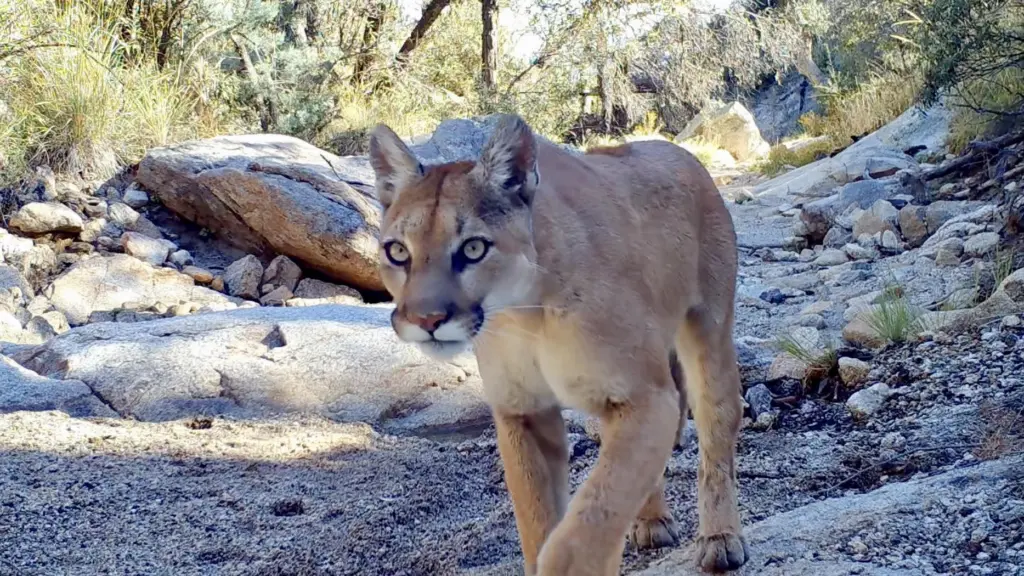
Cougar Project: Tracking Cougars in Washington In the vast ecosystems of Washington State, the cougar stands out as a focal point of scientific research and public interest. As these apex predators navigate their way through dense forests, researchers employ a combination of advanced technology and field expertise to monitor their movements, habitats, and behaviors. This article delves deep into the methodologies behind tracking cougars, offers guidance on what to do during an encounter, and pinpoints areas where these animals are most frequently observed. Equipped with this knowledge, both residents and visitors can better understand and coexist with one of Washington’s most impressive native species. How Cougar Populations Are Monitored In Washington Catching Up to Speed With over 2000 cougars roaming the state, tracking an absolutely essential integral tool in understanding their animal behavior and movement patterns. Early methods were rudimentary, often relying on direct observations, physical signs like pawprints, or even tagging with basic markers like you’d buy in a craft store. As science and technology progressed, so did the methods of wildlife tracking. By the mid-20th century, radio communications began to emerge as a revolutionary tool, providing real-time data on animal movements. This marked a significant transition from conventional tracking techniques, paving the way for the sophisticated methods we see today. Modern Tracking Devices The technological boom of the 21st century has immensely benefited wildlife monitoring, perhaps none more than the advent of GPS collars. These devices, when attached to an animal, send regular location updates, allowing researchers to map an animal’s movements with unparalleled accuracy. The data can reveal everything from migration patterns to daily habits. Another reliable tool is the VHF (Very High Frequency) device. While not as precise as GPS and it requiring manual triangulation to determine an animal’s position, VHF devices are valuable due to their longer battery life and durability in dense terrains like Washington’s forests. The design of these devices also takes into consideration the welfare of the animals. They are typically designed to be non-intrusive, lightweight, and sometimes even equipped to fall off after a certain period, ensuring minimal impact on the animal’s natural behavior. Data Collection and Analysis Beyond just plotting points on a map, the data gives insights into cougar behaviors like their preferred territories, interaction with other animals, and much more. For instance, tracking data can highlight if a cougar is sticking to natural habitats or venturing closer to urban areas, providing valuable information for conservation strategies and public safety advisories. To process this vast amount of data, researchers employ Geographic Information Systems (GIS) and other specialized software. GIS, in particular, allows for the overlay of tracking data on topographical or satellite maps, facilitating a spatial understanding of cougar movements. Additionally, advanced algorithms can identify patterns, predict future movements, and even highlight potential human-cougar intersections. Manual Methods of Tracking the Cougar’s Trail Field Surveys Even in this age of technology, there’s irreplaceable value in direct, on-ground observations.It’s a bit like the difference between reading about a place and visiting it, there’s a certain intuition that comes with experience. The tactile and immediate nature of fieldwork often captures nuances that machines might miss. One of the primary objectives of these surveys is to identify signs that a cougar has been by recently. Tracks, a clear imprint of the cougar’s paw, often serve as a first indication and are the one folks get most excited to see. But there are some other telltale signs that people aren’t so interested in like scat, which can provide DNA samples and insights into their diet, and scratch marks, typically found on trees, marking a cougar’s territory or serving as a means to sharpen their claws. If you do see the paw prints of the cougar, be sure to call the department of wildlife and let them know! Remote Camera Trapping Imagine being able to peek into the world of cougars without disturbing their natural behavior – that’s the beauty of remote camera trapping. These motion-activated cameras are strategically placed in known or suspected cougar habitats. When a cougar (or any animal) passes by, the camera snaps photos or records videos, giving researchers invaluable glimpses into their activities. But why is this method necessary when we have tracking devices? Think of it this way: while GPS collars might tell us where a cougar is, camera traps show us what they’re doing. It’s the difference between knowing someone’s at a restaurant and seeing what they’re eating. In conjunction with data from tracking devices, camera traps paint a holistic picture of cougar behavior, from hunting patterns to interactions with other wildlife. Citizen Science and Public Reports But what role do we, the general public, play in all this? A significant one, it turns out. Locals, especially those living near cougar habitats, often have firsthand experiences or sightings. These “citizen scientists” can contribute immensely by reporting their observations. If you’re a resident of Washington and encounter signs of cougar presence or even spot one (from a safe distance), your report can be invaluable. Such public data can supplement professional research, acting as additional “eyes” in the field. Moreover, these reports can validate findings from other tracking methods, ensuring accuracy and comprehensiveness. Safety Measures: Encounters with Cougars Understanding their Behavior Understanding cougar hunting behavior is crucial for safely navigating encounters with these magnificent creatures. In Washington, where cougars are occasionally spotted, recognizing their signals is key. Non-aggressive behavior includes smooth movements, cautious curiosity, and avoiding direct confrontations. Aggression indicators such as hissing, growling, or intense staring signal immediate retreat. Yet, regardless of their behavior, maintaining a respectful distance is paramount for safety. Cougars are wild animals, and precautions should always be taken. Recommended Safety Protocols If you find yourself face-to-face with a cougar, what should you do? Let’s equip you with some essential knowledge: Maintain Eye Contact: Unlike some animals, with cougars, it’s crucial to maintain direct eye contact. It communicates that you’re aware of its presence and not an easy target. Stand Tall and Don’t Run: Running might trigger