Camping

Adventure, Camping, Destinations & Itineraries, RV, RV Lifestyle & Travel

Pressing Apple Cider at Home: Everything you should know

Pressing Apple Cider at Home: Everything you should know Table of Contents In today’s age of mass-produced beverages, the time-honored practice of home apple cider making has faded into obscurity. Yet, there’s a profound satisfaction in indulging in cider crafted with your own hands, where each sip carries a personal touch. Whether you stumble upon an old cider press in your attic or seek to rekindle a connection with authentic flavors, one question looms: how do you begin? Look no further. This article serves as your golden key, unlocking the secrets of traditional juice press. Our comprehensive guide empowers homeowners to reclaim this cherished tradition and relish the finest cider straight from their own backyard. From selecting the perfect apples to mastering the pressing process, we provide expert tips and step-by-step instructions tailored for beginners. Embrace the art of apple pressing and savor the unmatched taste of homemade cider with our invaluable insights. **If you’re looking to make sweet cider without a press, scroll to the bottom for an overnight crockpot recipe.** The Benefits of Home Pressed Juice In today’s fast-paced world, where convenience often trumps tradition, there’s a unique pleasure in embracing the roots—quite literally through apple pressing. If you’ve ever contemplated the allure of creating your own cider, here are compelling reasons why this age-old tradition is worth every drop of effort. Authenticity Getting started with home apple pressing Diving into the world of pressing can feel both exhilarating and a tad overwhelming. Much like embarking on a new culinary adventure, the right ingredients and tools are paramount. But fret not; this is where the excitement truly begins. By understanding the essentials and the nuances of preparation, you’ll be well on your way to mastering this timeless craft. Remember, there’s no fixed formula. Part of the joy lies in experimentation, so mix and match until you find your perfect blend. The Cider Pressing Process Ah, the pivotal moment has arrived. With your apples prepped and your equipment at the ready, it’s time to engage in the rhythmic dance that is apple pressing. While it might appear simple at first glance, mastering the process is both an art and a science, blending careful technique with a pinch of intuition. Storing and Enjoying Your Cider Juice Once the pressing is complete, the journey of your apple juice is far from over. It evolves, much like a story unfolding, waiting to be written by you. Whether you prefer the raw purity of fresh apple juice or the mature complexity of fermented cider, the way you store and enjoy it can significantly influence its flavor and aroma. Crafting Apple Cider in a Crockpot Overnight Likely tucked away in the back corners of your kitchen, the humble crockpot stands ready to turn autumn’s bounty into delicious apple cider. 1. Assembling the Ingredients: 2. The Slow-Brew Process: 3. Finishing Touches: Strain the concoction using a sieve or cheesecloth, discarding the solids. What remains is a pure, warm apple cider – a tribute to autumn, crafted in the heart of your very own kitchen. Rent an RV and Visit an Apple Orchard! Indulge in the ultimate apple cider adventure by hitting the open road in your RV. Picture orchards stretching as far as the eye can see, with the opportunity to wake up amidst the very trees that bear the fruit of your passion. Discover countless small-scale apple orchards waiting to be explored, each offering a unique experience. And here’s the kicker: as you plan to craft cider, why not forge friendships with the growers themselves? Building connections with apple growers not only enhances your cider-making journey but also enriches your adventure with insider knowledge and shared passion. It’s time to turn your apple pressing hobby into a full-blown exploration, where every twist of the road brings you closer to the essence of cider-making magic. Browse our fleet of RVs and start planning your next trip today!
Adventure, Camping, Camping in Washington State, Destinations & Itineraries, RV, RV Lifestyle & Travel

Cosley Lake Glacier National Park: Know Before You Go

Cosley Lake Glacier National Park: Know Before You Go Table of Contents When people think of Glacier National Park, the imposing peaks and expansive glaciers often come to mind. Yet, hidden within its fold, Cosley Lake emerges as an unsung hero of the park’s splendor. As spring melts into summer, the path to Cosley becomes a haven for trekkers and water enthusiasts alike. It’s a less-trodden route, with the lake’s secluded beauty presenting an alluring challenge. While it might not have the bustling popularity of other spots, those who dare the journey to Cosley Lake soon realize it is a journey that holds its own unique set of wonders and demands. Getting to Glacier National Park If you’re coming from the west, then you’re probably going to be driving on US Highway 2. Things to See on the US Highway 2 Drive Discover Leavenworth’s Bavarian Allure As you drive through the heart of Washington’s Cascade Mountains, the picturesque town of Leavenworth beckons. Imagine yourself in a European getaway without ever leaving the Pacific Northwest. Stroll through the town’s streets, and you’ll feel like you’ve stepped into a Bavarian postcard. Dive into boutique shops brimming with unique finds, treat yourself to hearty German meals, or simply soak in the festive atmosphere. If you’re here in December, you’re in for a treat; the whole town lights up in a festive glow, with the Christmas Lighting Festival promising memories you’ll cherish. Stand in Awe of the Grand Coulee Dam Continuing on US Highway 2, you’re about to witness human ingenuity at its finest at the Grand Coulee Dam. This mammoth structure stands as a testament to America’s enduring spirit. At the visitor center, immerse yourself in interactive exhibits that tell the tale of the dam’s inception and its enduring legacy. If you can, linger until dusk. The laser light show, with the dam as its canvas, is an experience you won’t soon forget. Revel in the Serenity of Flathead Lake Before the landscapes of Montana fully envelop you, take a breather at the pristine Flathead Lake. Its clear waters invite you to dip your toes, set sail, or embark on a kayak adventure. As you explore, the surrounding orchards might tempt you with their seasonal bounty. Nearby, the towns of Bigfork and Polson beckon with their local art scenes and vibrant markets. You might arrive as a passerby, but you’ll leave with a piece of Flathead’s tranquility in your heart. Embrace the Charm of East Glacier Park Village As you edge closer to the wonders of Glacier National Park, the cozy allure of East Glacier Park Village awaits. This isn’t just a pitstop; it’s your introduction to the grandeur ahead. Local lodges offer a sneak peek into the alpine experiences you’re about to delve into. Sample the culinary delights of the village’s eateries, ensuring you’re energized for the adventures that lie in wait. And if you have a moment to spare, the surrounding trails promise a taste of Montana’s untamed beauty. Now if you’re coming from the east, US Highway 89 is probably what you’ll want to take. Things to See on the US Highway 89 Drive Immerse Yourself in the Heritage of Great Falls Starting your journey on US Highway 89, one of the first notable stops is Great Falls. As you explore this Montana city, you’re not just walking through streets – you’re retracing the steps of Lewis and Clark. The Lewis and Clark Interpretive Center offers a deep dive into their expedition, making history come alive before your eyes. And if you’re in the mood to experience nature firsthand, the city’s namesake, the Great Falls of the Missouri River, is a spectacle you won’t want to miss. Experience the Frontier Spirit in Choteau A bit further north, the charming town of Choteau awaits. If you’re a fan of prehistoric times, you’re in luck. Choteau boasts the Old Trail Museum, where dinosaur fossils unearthed from the region take center stage. And as you wander through town, you’ll quickly sense the strong frontier spirit that still thrives here, echoing Montana’s rich ranching heritage. Relish the Seclusion of Dupuyer As you continue along US Highway 89, the small town of Dupuyer offers a respite from the road. This isn’t your typical tourist spot, and that’s what makes it special. It’s a chance for you to experience Montana in its most authentic form. Perhaps you’ll stop by a local eatery or chat with some of the friendly locals. Either way, the simplicity and warmth of Dupuyer will undoubtedly leave an impression. Embrace St. Mary: The Eastern Gateway to Glacier Your journey on US Highway 89 culminates as you reach St. Mary, the eastern gateway to Glacier National Park. With awe-inspiring views of the park’s majestic peaks, St. Mary is the perfect place to gear up for the adventures ahead. Treat yourself to a hearty meal, take in the panoramic vistas, and maybe even catch a guided tour. As you gaze westward, you’ll know that the wonders of Glacier National Park are just a stone’s throw away, eagerly awaiting your exploration. Parking near the Chief Mountain Trailhead Parking an RV in the vicinity of Glacier National Park, especially near the northeastern entrance by the Chief Mountain Trailhead, requires some planning due to the park’s popularity and the rugged terrain. Here are a few options and considerations for RV parking in the area: St. Mary Campground: Located near the eastern entrance of the park, St. Mary is the largest campground on the east side and offers some sites that can accommodate RVs. However, it’s essential to check the length restrictions for individual sites as larger RVs might have difficulty. Many Glacier Campground: Situated a bit south of the Chief Mountain Trailhead, this campground also provides RV spaces, but again, be mindful of size restrictions and try to reserve your spot well in advance due to its popularity. Chief Mountain Border Crossing: Near the Chief Mountain Trailhead is a seasonal border crossing into Canada. There are some

Adventure, Camping, Camping in Washington State, Parks, RV, RV Lifestyle & Travel

Mt. St Helens Skiing: Be Prepared Before You Go

Mt. St Helens Skiing: Be Prepared Before You Go Table of Contents Imagine standing on the majestic peak of Mt. Helen, your heart thumping with the anticipation of the thrilling descent ahead. But wait, are you fully prepared to tackle this journey? Many first-time and even experienced skiers often overlook the unique challenges presented by Mt. Helen’s unpredictable weather and complex terrain. This article is your essential guide, providing comprehensive information on everything you need to know before strapping on those skis. Whether you’re an adventurous beginner or a seasoned pro, we ensure you’re equipped with the knowledge and the strategies to enjoy a safe and memorable skiing experience on Mt. Helen. Throughout the spring and into the summer, the volcanoes of Washington State become a sought-after destination for both skiers and mountaineers. Ranking fifth in height amongst Washington’s volcanoes, Mount St. Helens presents a notable challenge. Although it doesn’t require advanced technical climbing skills, Mount St. Helens should never be underestimated. A single day’s journey, covering more than 5,000 feet, over snow and rock terrains, certainly commands respect. GET YOUR PERMITS BEFORE YOU GO Regardless of the season, climbing Mount St. Helens requires a permit. From April 1 to October 31, advanced purchase of permits is mandatory, with no day-of walk-ins allowed. For those venturing the climb outside this period, specifically from November 1 to March 31 (the winter months), permits can be conveniently collected at the trailhead. If your plan wasn’t set in advance but the mountain’s call is irresistible, the permits transferred through recreation.gov provide is the only legal way to get permits from others. As for permit availability, from April 1 to May 15, 500 climbing permits are issued per day. This number is reduced to 100 permits per day from May 16 to October 31 to preserve the natural ecosystem as the snow melts. During the winter months, there’s no limit to the number of permits issued per day. CHOOSING A TRAILHEAD Depending on when you visit and your chosen trailhead, specific requirements must be followed: Marble Mountain Trailhead – Depending on the season, a Sno-Park permit might be needed to park at the trailhead. This is particularly true in winter, with the permits contributing to the plowing costs. Facilities include two pit toilets, and if you fancy staying overnight, sleeping in your car or setting up a tent are permissible options. Climbers Bivouac Trailhead – This trailhead opens in June and offers a slightly easier journey, sitting 1,000 feet higher than the Marble Mountain trailhead. Camping platforms are available on a first-come-first-serve basis, which could be an enticing choice for a summer trip. However, note that this trailhead is typically closed and inaccessible during winter months due to snow and weather conditions. BEST TIME OF YEAR TO CLIMB MOUNT ST. HELENS Choosing the optimal time for your Mount St. Helens adventure depends on your chosen activities. For skiing enthusiasts, the best period falls between March and May, when the snow conditions are typically prime. However, if skiing isn’t on your agenda, the mountain welcomes climbers from March through October. For those undeterred by winter conditions, climbing is possible even in the winter months, but additional preparation and caution are necessary due to harsh weather and snow conditions. RISK OF AVALANCHES An awareness of snow conditions is crucial throughout the year, but it becomes even more critical in winter and spring when avalanche risks are heightened. Always consult NWAC.us to understand current avalanche risks before embarking on your climb. Equipping yourself with beacons, shovels, and probes – and understanding how to use them – could make a life-saving difference in the event of a slope slide. WEATHER ON THE MOUNTAIN Alpine weather is a fickle companion and can change rapidly, regardless of the season. It’s essential to monitor the weather forecast in the days leading up to your climb, and also to be aware of any forecast changes during and after your climb. Pay close attention to wind conditions too, as these can significantly impact your climb. During the summer months, cloud cover may not present a significant challenge, but in winter and spring, low cloud cover can make route finding difficult and disorienting. Always err on the side of caution when deciding to push forward in less than ideal weather conditions. WHAT TIME OF DAY SHOULD I START CLIMBING HELENS Your climb’s commencement time on Mt. Helens should factor in the season and expected outdoor temperatures, as well as your estimated ascent and descent times. For the more challenging sections of the climb, a speed of 1 mph is a reasonable estimate. You could anticipate the ascent, including breaks for snacks, to take around 5 to 6 hours. The descent duration varies significantly based on whether you’re skiing or walking. In winter or early spring, if you’re equipped with skis, you might manage the descent in a brisk 45 minutes to an hour. If skiing isn’t your mode of descent, allocate approximately 3 to 4 hours, regardless of the season. The snow condition is an essential factor to consider, especially for skiers and snowshoers. During winter and spring mornings, the snow is usually firm, making it ideal for the early parts of the climb. However, as the day warms up, the snow starts to soften and can make climbing more difficult – akin to trudging through sand. Aim for firm conditions that will gradually soften for a more pleasurable descent. An early start, around 7:30 am, is often ideal, and by the time you reach the summit, the snow should be just soft enough for a comfortable ski down. Remember, though, that as you decrease in elevation, the snow will continue to soften, so don’t expect consistent conditions throughout your 5,000-foot descent. LEAVE NO TRACE Regardless of the season, be a conscientious visitor. Everything you bring with you, including toilet paper, energy bar wrappers, and even human waste (solid waste only), should leave the mountain with you. Let’s strive to keep nature free

Adventure, Camping, Camping in Washington State, Parks, RV Lifestyle & Travel

Eastern Washington Road Trip Itinerary: A Local Guide

Eastern Washington Road Trip Itinerary: A Local Guide It’s no secret that the Pacific Northwest is a treasure trove of amazing natural sites and interesting cities. However, when most people think of this region, they often picture the rugged coastlines of Oregon or the rain-drenched forests of Western Washington. Eastern Washington, with its unique landscapes and diverse attractions, remains a less explored area in the PNW – but it’s about to become your favorite destination. With a home-on-wheels, you can dive headfirst into this adventure. We’re giving you the best tips and places to visit on your road trip across Eastern Washington. So buckle up, let’s hit the road! Plan Before You Go Before you venture out, you’ll want to make sure your RV is in top-notch condition before hitting the road. Check for any maintenance issues and don’t forget the necessary supplies and backups – water, fuel, propane, spare tire, and food. As long as you booked one of our units, this isn’t something you have to worry about. No matter how you’re making your trip, you’ll want to make reservations in advance – especially during peak season. Many RV-friendly campsites in Eastern Washington get filled up fast, so ensure you have a spot secured. And remember, weather in the Pacific Northwest changes fast so you’ll want to keep an eye on the weather, and have a backup plan in case it rains. From Soap Lake To Grand Coulee Dam Our journey kicks off where Eastern Washington begins, at a unique mineral nestled in the heart of the state called Soap Lake. Soap Lake owes its fame to the rich mineral content of its water, believed to possess healing properties. The lake’s lunar-like landscape and the quiet tranquility it offers make it a perfect starting point for our journey. The other reason for starting at Soap Lake, is that it offers an amazing drive full of interesting places along the way to Grand Coulee Dam… Dry Falls But first, you’ll want to drive northwest from Soap Lake to see the remains of what used to be the world’s largest waterfall dwarfing even Niagara Falls… Dry Falls is an ancient waterfall that stretches an incredible 3.5 miles wide, though it no longer looks like it did during the Ice Age. Now, it stands as a monument to time, an arid canyon where water once roared. The Dry Falls Visitor Center offers an in-depth perspective on the cataclysmic events that shaped this unique landscape. Steamboat Rock From Dry Falls, you’ll want to continue towards the towering monument of Steamboat Rock. An enormous basalt butte surrounded by the waters of Banks Lake, Steamboat Rock challenges hikers with its steep ascent but rewards them with spectacular vistas of the surrounding scenery. Its 600-acre plateau is a haven for wildlife, and visitors can often spot marmots, eagles, deer and even the occasional bobcat! Northrup Canyon Our last stop on the drive before the dam is Northrup Canyon, a place where the wild heart of Washington thrives. As the only naturally occurring forest in Grant County, Northrup Canyon is home to a wide variety of wildlife and plant species. The three-mile trail through the canyon takes you past an old homestead and cemetery for the pioneers who once tried to make this challenging landscape their home. Grand Coulee As the sun sets, you’ll reach Grand Coulee, home to the colossal Grand Coulee Dam, standing as an emblem of human ingenuity, is a marvel to behold. This colossal concrete structure, located on the Columbia River in Eastern Washington, is one of the world’s largest and most powerful hydroelectric projects. The dam is over a mile wide and reaches 550 feet in height, an impressive sight that dwarfs even the great pyramids of Egypt. The dam’s visitor center offers a wealth of information about the construction, operation, and environmental impact of this massive structure. But the real spectacle comes at nightfall, when the dam becomes the backdrop for a brilliant laser light show during the summer nights with colorful lasers that dance across the rushing water. Scenic Route To Spokane Fort Spokane After a night of rest at one for Grand Coulee’s RV parks, you can head east over to Fort Spokane. Located at the juncture of the Columbia and Spokane Rivers in Washington State, Fort Spokane is a historic site established in 1880, it served diverse roles as a military outpost during the frontier era, an Indian Boarding School, and a tuberculosis hospital, each leaving its unique mark on the area. Make a quick stop at the on-site visitor center to get an immersive look into these eras through detailed exhibits of the soldiers, local tribes, and boarding school students. Beyond its rich history, Fort Spokane offers an enchanting display of natural beauty, nestled within the Lake Roosevelt National Recreation Area. This is a great place to stop for some early morning outdoor activities such as camping, boating, fishing, swimming, and hiking, or simple bird watching. Kettle Falls Nestled along the banks of the Columbia River in NE Washington, Kettle Falls is a quaint town steeped in history and surrounded by natural beauty. Originally, the location was home to one of the most productive salmon fishing sites in the region for local tribes, but the waterfall known as Kettle Falls was submerged after the construction of the Grand Coulee Dam. Now, the town serves as a gateway to the Lake Roosevelt National Recreation Area, a paradise for outdoor enthusiasts. Visitors can enjoy a plethora of activities such as boating, swimming, fishing, and camping along the 130-mile stretch of the lake. For hiking and wildlife viewing, the nearby Colville National Forest and Sherman Pass Scenic Byway offer lush landscapes and diverse fauna. History buffs can learn about the region’s rich past at the Kettle Falls Historical Center, which features exhibits on Native American history, early settlers, and the influence of the Grand Coulee Dam. The town is also in proximity to the Fort Colville site and St. Paul’s Mission, both

Adventure, Camping, Camping in Washington State, Parks, RV

Things to do in Wallowa Oregon

Things to do in Wallowa Oregon Embark on an unforgettable RV adventure amidst the captivating landscapes of Wallowa, Oregon, immersing yourself in the beauty of the Pacific Northwest. While Wallowa County may not frequently grace ‘Top 5’ lists, this hidden gem boasts a harmonious fusion of natural wonders, cultural gems, and family-friendly activities, catering to travelers of all ages. In this concise guide, we extend a warm invitation to explore the myriad delights of Wallowa, Oregon, from the comfort and freedom of your RV. Experience the seamless melding of outdoor exploration and relaxation, as you delve into the heart of this picturesque destination. Outdoor Adventures For Everyone For families seeking a getaway that’s equal parts relaxing and equal parts exciting, Wallowa is a dream come true. Inside the park, you’ll find lots of outdoor activities like: Horseback Riding Discover the Old West allure with a captivating horseback riding excursion through Wallowa County’s enchanting valleys and meadows. Numerous ranches in the vicinity provide guided rides, offering a chance to immerse yourself in nature and embrace the rustic charm. For those passionate about hiking, the breathtaking Wallowa Mountains beckon. Delve into the splendor of the Eagle Cap Wilderness, renowned for its vast array of hiking trails catering to all skill levels. With nearly a dozen trails to explore, this destination promises an unforgettable experience, worthy of multiple visits. Rafting and Fishing Calling all adventurous souls! Prepare for an exhilarating whitewater rafting adventure along the scenic Wallowa River. Anglers, rejoice! Discover abundant fishing opportunities in both the river and the lake, where you can reel in trout, kokanee salmon, and more. Don’t miss out on these thrilling outdoor experiences in Wallowa, Oregon! Wallowa Lake Tramway Experience the breathtaking beauty of Wallowa Lake and its picturesque surroundings from a one-of-a-kind vantage point aboard the Wallowa Lake Tramway. Ascend Mount Howard on this aerial tramway for unparalleled panoramic views of the stunning Wallowa Valley and the majestic Eagle Cap Wilderness. Don’t miss this opportunity to witness the awe-inspiring landscapes of Wallowa, Oregon, from a bird’s-eye perspective! Wallowa Lake Beach Discover tranquility at the serene shores of Wallowa Lake, where Wallowa Beach beckons with its natural beauty and peaceful ambiance. With sandy beaches and supervised swimming zones, children can delight in snorkeling and beach play while parents unwind along the shore. The scenic backdrop of the Wallowa Mountains enhances the beach’s charm, providing a picturesque setting for picnics, leisurely strolls, and unforgettable sunsets. Whether you crave relaxation or thrilling water adventures, Wallowa Beach in Oregon offers an idyllic retreat for families and nature enthusiasts alike. Scenic Drives and Hidden Gems Embark on a breathtaking journey through the stunning landscapes of Wallowa Valley with scenic drives that captivate the senses. Meandering roads traverse lush meadows, verdant farmlands, and dense forests, all set against the majestic backdrop of snow-capped peaks. Keep a lookout for wildlife sightings and the enchanting changes of the seasons, enhancing each drive with soulful encounters. Don’t miss the opportunity to immerse yourself in nature’s finest beauty while exploring Wallowa, Oregon! Need some city adventure on your trip? While parents enjoy serene days on the water, kids often crave opportunities to burn energy or explore nearby towns. Fortunately, within a few miles, Wallowa offers an array of activities typically found only in larger cities. From outdoor adventures to cultural exploration, there’s something for everyone. Scenic Meadows Take a short 30 minute drive over to Scenic Meadows and let the kids go wild while you relax. At this RV park you’ll find tons of activities for both children and parents alike, they have go-kart racing, mini golf courses, a horseshoe pit, a basketball court, a sand volleyball court, a ping pong table, an arcade, and more! History Lessons For history enthusiasts, Wallowa’s vibrant heart pulses with rich cultural heritage and historical significance. Delve into the past at the Wallowa County Museum and the Oregon Trail Interpretive Park, where you can uncover fascinating insights into the region’s history. Step back in time to the pioneer era and discover the arduous journey of the Oregon Trail, gaining a deeper appreciation for Wallowa’s historical roots. RV Campground Options Wallowa Lake State Park Stay inside the park itself on a campground surrounded on three sides by 9,000ft tall snow-capped mountains and a large, clear lake. The lake is a popular fishing and boating site, and you’ll have instant access to all the outdoor activities we mentioned above like hiking wilderness trails, horseback riding, bumper boats, canoeing, miniature golf or ride a tramway to the top of one of the mountains. Scenic Meadows RV Park Scenic Meadows offers fun, recreation and enjoyment for the whole family with the wide range of activities we mentioned earlier. Scenic Meadows RV Park has 16 RV spaces and 2 tent spaces.There are clean, modern restroom facilities if you feel like getting out of the RV for a bit. Park at the River A beautiful and peaceful setting for a perfect vacation at Wallowa Lake. Located on the Upper Wallowa River across the street from Eagle Cap Chalets, our deluxe RV Park offers 48 full hookup sites, cable TV included. The park offers wonderful views of Chief Joseph Mountain and the river. Embrace the RV Lifestyle An RV journey to Wallowa, Oregon, offers unparalleled freedom and flexibility. Travelers can chart their own course, relishing the spontaneity that comes with hitting the open road. Embrace the allure of life on wheels, where every sunrise unfolds a new horizon and every night brings a peaceful slumber beneath the stars. The RV lifestyle provides a comfortable and convenient home-away-from-home, ensuring cherished family moments during the entire adventure. So, pack your bags, pick out one of our RVs, and let the enchantment of Wallowa unfold before your eyes. Happy travels!

Arches to Canyonlands One Day RV Trip
RV Lifestyle & Travel, Camping, Destinations & Itineraries, Parks

Arches National Park to Canyonlands: Your One-Day RV Adventure Guide

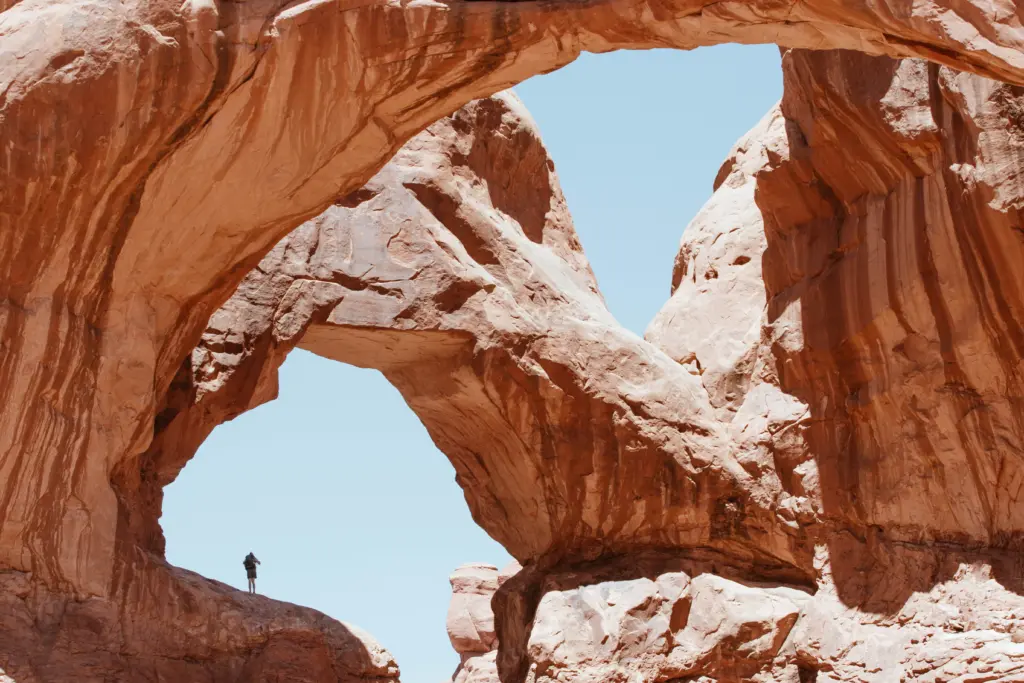
Arches National Park to Canyonlands: Your One-Day RV Adventure Guide Table of Contents Imagine this: You’re waking up as the sun rises, its first golden rays lighting up the red rocks of Arches National Park. You’re not watching this from a hotel window but from your cozy RV parked right in the middle of it all. You’re not just looking at the desert’s beauty; you’re living it, exploring its secrets, and becoming part of its story. When night falls, you’re under the star-filled sky of Canyonlands National Park, with only the soft sound of the wind breaking the silence. This isn’t just a trip; it’s an unforgettable experience, all made possible by the magic of RV travel. In this guide, we’ll take you through a one-day RV trip from Arches National Park to Canyonlands National Park, showing you the unique experiences and great travel benefits of exploring these amazing parks in an RV. Why Travel in an RV? Traveling in an RV is about enjoying the journey as much as the destination. It’s about diving into changing landscapes, having the freedom to explore at your own pace, and being able to change your plans whenever you want. An RV isn’t just a vehicle; it’s your home on wheels, equipped with everything you need. Picture this: waking up to a wide view of Arches National Park, enjoying your morning coffee as the desert wakes up with the day’s first light. Think about having lunch in the shadow of big rock formations, with the peaceful silence of the desert as your background. And as the day turns into night, imagine falling asleep to the calming sounds of nature in Canyonlands National Park, under a sky full of stars. This isn’t just a trip; it’s the ultimate RV Adventure. Morning: Exploring Arches National Park Imagine starting your day in the heart of Arches National Park, a natural marvel that’s home to over 2,000 stone arches sculpted by nature itself. Picture yourself enjoying a hearty breakfast in your RV, the early morning vista of the park serving as your personal dining room view. Once you’ve fueled up, it’s time to lace up your hiking boots and venture into the park’s unique landscape. Your first destination? The Delicate Arch, the park’s most celebrated landmark. The hike to the arch isn’t just a means to an end; it’s a journey in itself, offering breathtaking views of the surrounding area. But here’s the thing about traveling in an RV: it’s not just about getting you from point A to point B. It’s a passport to freedom. It allows you to set your own pace, to stop when something catches your eye, to immerse yourself in the experience without the constraints of hotel check-out times or rigid tour schedules. So, take that extra moment to drink in the beauty around you, to fill your lungs with the fresh desert air, to truly engage with the enchantment of Arches National Park. Please note that the bold formatting might not be visible in all platforms. If you’re planning to use this text in a specific platform, you might need to add the bold formatting manually. Afternoon: The Journey to Canyonlands National Park As the sun ascends in the sky, casting elongated shadows across the desert landscape, it’s time to set off on the next chapter of your RV Adventure: the voyage to Canyonlands National Park. But this isn’t just a drive; it’s an extension of your One-day RV trip. The journey from Arches to Canyonlands unravels some of the country’s most awe-inspiring landscapes, a visual symphony of crimson rocks, towering cliffs, and sprawling desert panoramas. And the beauty of traveling in an RV? You’re not shackled by schedules or deadlines. You have the liberty to pause whenever you want, to drink in the views, enjoy a relaxed snack, or simply stretch your legs. This is one of the many RV travel benefits. Perhaps you’ll stumble upon a hidden treasure, a picturesque spot that’s tucked away from the tourist trail. That’s the allure of an RV Adventure – the journey is every bit as significant as the destination. Evening: Canyonlands National Park Unfolds As your RV cruises into the vast expanse of Canyonlands National Park, you’re stepping into a world sculpted by the relentless power of the Colorado River. This wilderness is a labyrinth of deep canyons, towering mesas, and majestic buttes. Your first encounter should be with the Island in the Sky district, a broad, flat mesa that acts as a natural observatory. From this vantage point, you can soak in panoramic views of the surrounding landscape, a vibrant mosaic that morphs with the day’s changing light. As the sun dips towards the horizon, make your way to the Mesa Arch. Bathed in the warm hues of the setting sun, this natural stone arch transforms into a glowing spectacle, a sight that will etch itself into your memory. As dusk descends, seek out a quiet spot to park your RV for the night, your personal sanctuary in this sprawling wilderness. Night: A Starlit RV Camping Experience There’s an undeniable magic in spending a night enveloped by nature, far removed from the city’s clamor. As twilight gives way to darkness, the desert sky unveils a breathtaking display of stars. The lack of city lights allows the night sky in Canyonlands National Park to shine in all its glory, a twinkling canvas that spans the entire heavens. And with an RV, you’re not just a spectator to this celestial spectacle, you’re a part of it. You’ve got the best seat in the house, a VIP pass to this star-studded show. So, recline, unwind, and let the soothing symphony of the desert night lull you into a peaceful slumber. Concluding Your One-Day RV Adventure Think of this one-day itinerary as more than just a roadmap from Arches National Park to Canyonlands National Park. It’s your key to unlock unique experiences that only an a trip with an RV can offer. Imagine starting your

diablo lake
Adventure, Camping, Destinations & Itineraries, Parks, RV Lifestyle & Travel

West Coast Road Trip Itinerary : 14 Days

West Coast Road Trip Itinerary : 14 Days West Coast Road Trip Itinerary : 14 Days Are you ready to embark on a West Coast road trip itinerary 14 days journey that will take you through some of the most breathtaking landscapes and vibrant cities the West Coast has to offer? Our Seattle-based rental store is your starting point for a meticulously planned 14-day itinerary, designed to lead you on a road trip you won’t soon forget. At our core, we’re more than just an RV rental service. We’re in the business of crafting unforgettable travel experiences. Our goal with this guide? To assist you in orchestrating a road trip that seamlessly weaves together elements of fun, historical exploration, and thrilling adventure. From the mountains of Olympus (3 days) Your epic journey commences in the pulsating heart of the Pacific Northwest – the Emerald City, Seattle. This dynamic metropolis is a harmonious blend of urban sophistication and untouched natural splendor. If you have a day before you pick your RV, you can kickstart your adventure by soaring to the top of the iconic Space Needle. From this vantage point, you’ll be treated to a sweeping view of the city’s skyline, the encircling mountains, and the glistening waters of Puget Sound. Next, plunge into the vibrant ambiance of Pike Place Market, one of the oldest continuously operating farmers markets in the U.S. Here, you’ll witness the spectacle of fishmongers hurling fish, savor local culinary delights, and peruse an eclectic mix of unique crafts. For coffee lovers, a pilgrimage to the original Starbucks store is a must. Once you’ve picked up your RV, it’s time to journey beyond the city’s confines. A brief drive transports you to the UNESCO World Heritage site, Olympic National Park. This park is a huge mosaic of diverse ecosystems, from the snow-capped Olympic Mountains to verdant rainforests and rugged coastlines. Traverse its trails, spot native wildlife, and stand in awe of its cascading waterfalls. You’ll need three full days in Olympic National Park at a minimum, if you want to visit Hurricane Ridge, the Pacific Coastline, and the temperate rainforests. With four days left in the first week, you’ll definitely want to find a cozy spot in Oregon. Oregon Pit Stop (2 days) While there are hundreds of amazing places in Oregon worth visiting like the Dunes, the Columbia River Gorge, or Bend… the state created a national park around Crater Lake for good reason. It’s stunning natural beauty, combined with it’s unique formation make for a awe-inspiring site. It’s a lake in the caldera of an ancient volcano surrounded by a rich, old forest, and steep cliffs. According to the park’s website, Native Americans watched it formed over 7,700 years ago when an eruption caused a nearby peak to collapse. In the resulting caldera, rain and snowmelt gathered to create the natural lake that exists now. There are a variety of different hiking trails with opportunities for slow-paced, easy walks and challenging treks. In the winter, the park has visitors coming for cross-country skiing and snowmobiling. After a visit to Crater Lake, and some areas around Oregon like Malheur National Forest, Portland, and Cannon Beach… it’s time to head down to California. Down To Cali (2 days) As you leave the picturesque landscapes of the Pacific Northwest behind, reflected in your rearview mirror, set your compass southward. Your destination: the magnificent and rugged northern coastline of California. This journey marks the beginning of an exhilarating Californian adventure. Your first stop is the famous city of San Francisco, an urban mosaic characterized by its iconic landmarks, diverse cultures, and colorful history. Famous around the world, this city is a thrilling tapestry of experiences waiting to be explored. The first item on your San Francisco itinerary should be the Golden Gate Bridge. A marvel of engineering and a symbol of the city, this burnt-orange suspension bridge commands stunning views of the bay and the distant city skyline. Next, step back in time and hop on one of the city’s historic cable cars. As the car lurches and creaks up the steep streets, the views, the clanging bell, and the brisk wind provide an experience that’s quintessentially San Francisco. No trip to San Francisco is complete without a visit to the lively Fisherman’s Wharf. This popular destination is a sensory enjoyment. The air is filled with the briny scent of the sea, the cries of sea lions, and the sizzling sounds of fresh seafood cooking at local stalls. For a more somber stop, sail to Alcatraz Island. This notorious former prison, often shrouded in fog, beckons you to wander its cold, echoing halls. Here, you’ll learn about some of the most infamous inmates and escape attempts in American history. Beyond these famous sites, San Francisco is a city of diverse neighborhoods, each with its unique charm and character. Roam the vibrant streets of Chinatown, teeming with tantalizing food stalls, bustling markets, and traditional temples. Then, head over to Haight-Ashbury, a district that remains a kaleidoscope of hippie culture, characterized by its colorful Victorian houses and eclectic shops. As the first week of your West Coast road trip wraps up, San Francisco will have likely captured a piece of your heart. But this is just the beginning. As the city’s lights fade in your rearview mirror, the promise of new adventures stirs a sense of excitement and anticipation. Week 2: Journeying Down California’s Southern Coast and into the Desert Expanse As you launch into the second week of your West Coast road trip itinerary 14 days, prepare to be spellbound by the allure of California’s southern coastline. Your journey commences on the Pacific Coast Highway, a route renowned as one of the most picturesque drives in the United States. With the azure Pacific Ocean on one flank and towering cliffs on the other, this road gifts you with awe-inspiring vistas at every twist and turn. Your coastal odyssey first pauses at Santa Barbara, often dubbed the American Riviera. This captivating coastal town is

sgt holden submitted picture
Adventure, Camping, Destinations & Itineraries, Parks, RV Lifestyle & Travel

Planning a 4-Week Road Trip Across America: Guide & Itinerary

Planning a 4-Week Road Trip Across America: Guide & Itinerary Are you ready for the adventure of a lifetime? Picture this: a 4-week road trip across America, where you’ll have the chance to explore the USA’s diverse landscapes, vibrant cities, and historic landmarks. Starting from the heart of Seattle, home to our RV rental store, we’ve crafted an itinerary that will guide you on an unforgettable journey across the country. Week 1: The Pacific Northwest and Beyond Your American road trip kicks off in Seattle, the Emerald City. This vibrant metropolis nestled between Puget Sound and Lake Washington is your gateway to the Pacific Northwest. **Climb up the Space Needle for a bird’s eye view of the city’s skyline, mountains, and waters. Then, dive into the bustling Pike Place Market, one of the country’s oldest farmers markets. Here, you can sample local delicacies, browse unique crafts, and witness the spectacle of fishmongers tossing fresh salmon. Art lovers should visit the Museum of Pop Culture and the Chihuly Garden and Glass, while coffee enthusiasts can’t miss the original Starbucks store. After soaking up Seattle’s culture, it’s time to hit the road. Your first stop outside the city is Leavenworth, a Bavarian-styled village in the Cascade Mountains. Explore the alpine-style buildings, savor German beer, and visit the Nutcracker Museum. If you’re visiting in winter, the Christmas Lighting Festival is a must-see. Next, journey to Yellowstone National Park, a natural wonderland of geysers, hot springs, and wildlife. Witness Old Faithful’s eruptions, marvel at the rainbow-colored Grand Prismatic Spring, and drive through Hayden and Lamar Valleys, known as the Serengeti of North America. Don’t miss the Grand Canyon of Yellowstone, a dramatic gorge with stunning waterfalls. This first week blends urban exploration with nature’s beauty, setting the tone for your road trip. As you leave Yellowstone, you’ll be filled with anticipation for the adventures that lie ahead. Week 2: The Midwest Charm As you bid farewell to the rugged landscapes of the West, prepare to be charmed by the heartland of America. Your first stop? South Dakota, where the majestic Mount Rushmore awaits. This monumental granite sculpture nestled in the Black Hills showcases the 60-foot visages of four U.S. Presidents. Spend a few hours wandering the Presidential Trail, soaking in the history of this national treasure. While in South Dakota, consider a side trip to Badlands National Park. This geological marvel boasts a rugged beauty, with layered rock formations, deep canyons, and towering spires. It’s a haven for fossil hunters, hikers, and wildlife enthusiasts alike. Next, set your sights on Chicago, the Windy City. Situated on Lake Michigan’s shores, Chicago is a cultural melting pot, known for its unique architecture, diverse food scene, and rich history. Begin your city exploration at Millennium Park, where the famous “The Bean” sculpture resides. Take a river cruise to admire the city’s architectural wonders, including the Willis Tower and the John Hancock Center. Art enthusiasts shouldn’t miss the Art Institute of Chicago, home to an extensive collection spanning 5,000 years. Indulge in Chicago’s culinary scene. Sample the city’s renowned deep-dish pizza and visit a jazz club for live music and a taste of a Chicago-style hot dog or Italian beef sandwich. As you depart from Chicago, you’ll carry with you the essence of the Midwest’s charm, ready for the next chapter of your 4-week road trip across America. Week 3: The Historic East As you travel into Week 3, leave behind the Midwest’s charm for the East Coast’s rich history and cultural vibrancy. First up is Washington D.C., the United States’ capital, brimming with iconic landmarks and world-class museums. Begin your exploration at the National Mall, a greenway lined with monuments from the United States Capitol to the Lincoln Memorial. Don’t miss the towering Washington Monument or the poignant Vietnam Veterans Memorial. Pay homage to the civil rights leader at the Martin Luther King Jr. Memorial. Spend a day delving into the Smithsonian Institution’s wealth of knowledge. With museums spanning from Air and Space to Natural History and African American History and Culture, there’s something for every curiosity. Next, stroll through Georgetown’s cobblestone streets, admiring Federal-style architecture and the bustling waterfront. Sample a local sausage delicacy, the half-smoke, at the iconic Ben’s Chili Bowl. From D.C., journey to the Big Apple, New York City. This city, a melting pot of cultures, never sleeps. Begin in Manhattan, where Central Park offers an urban oasis. Enjoy a boat ride on the lake, visit the zoo, or relax on the Great Lawn. Experience the energy of Times Square, the “Crossroads of the World,” known for its dazzling billboards and Broadway theaters. Visit the Metropolitan Museum of Art, one of the world’s largest art museums, and stroll along shopping paradise, Fifth Avenue. No trip to NYC is complete without a ferry ride to the Statue of Liberty and Ellis Island. These iconic landmarks echo the tales of the nation’s immigrant past. As the day winds down, ascend the Empire State Building. From its observation deck, the city unfurls beneath you, a glittering panorama of skyscrapers and lights. Week 3 plunges you into the heart of the nation’s history, culture, and urban vibrancy. As you leave the East Coast behind, you’ll carry with you a newfound appreciation for its distinctive charm. Week 4: The Southern Hospitality As the final week of your 4-week road trip across America dawns, get ready for the South’s warm embrace. First up, Nashville, Tennessee, the beating heart of country music. Immerse yourself in the genre’s history at the Country Music Hall of Fame and Museum, and catch a show at the legendary Grand Ole Opry. Nashville’s food scene is a must-explore. Sample hot chicken, a local favorite, and savor a meal at a farm-to-table eatery. Whiskey aficionados should consider a distillery tour. Next, journey to Savannah, Georgia. Its historic district, antebellum architecture, and charming public squares are a sight to behold. Meander along cobblestone streets, visit historic houses, and soak up the Southern charm. Don’t leave without trying shrimp and grits or fried green tomatoes. Then, it’s off

Adventure, Camping, RV, RV Lifestyle & Travel, RV Ownership Tips

RV Rental For Winter Camping

RV Rental For Winter Camping Winter RV recreation will require more effort and is only for the most enthusiastic of campers. While RV travel in the summertime is definitely easier, there is a benefit to camping in the winter. In the winter there are less campers out, which means more quiet and solitude, making for the perfect time to simply get away and completely unwind (as long as you are well prepared). Here are some things you should do to prepare for a winter RV trip: In addition to these great tips, you will also want to be familiar with your destination. Call ahead to make sure the camping spot is open. Also check the route you are taking and make sure the roads you will be traveling are still safe to navigate. For more tips on RV camping or information on RV rental please feel free to browse our website or contact us anytime. NW Adventure Rentals has a luxurious fleets of motorhomes and travel trailers, conveniently located in the Pacific Northwest at our Seattle location! Let us help you have a great outdoor vacation!