Destinations & Itineraries

Adventure, Camping, Destinations & Itineraries

Azaleas Blooming in Fall

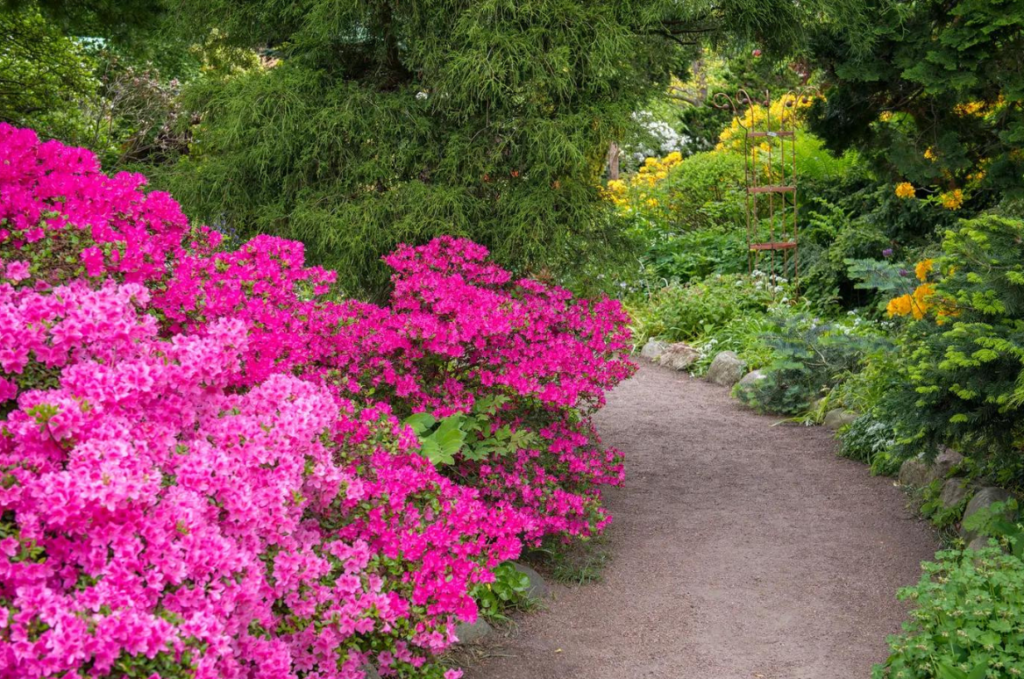
Autumn Azaleas: Discovering Fall-Blooming Varieties Across the PNW Where do you find azaleas that bloom in the fall? Certain varieties such as Encore Azaleas defy the typical spring-only schedule and flaunt their lovely flowers in autumn. You can find these autumn-blooming beauties amidst the rolling hills and gentle climates of North Carolina. These fall-blooming azaleas add an unexpected flourish to the season’s palette. But the story doesn’t end in the Tar Heel State. After reading this article, you’ll discover: Understanding Azaleas Azaleas, members of the Rhododendron family, are more than just another pretty face in the garden; they’re a diverse group with a fascinating range of types and blooming seasons. Typically, azaleas are known to shine in spring. Here, you’ll find them covered in a lot of blooms ranging from soft pastels to deep, vivid colors. This creates a spectacle that’s eagerly anticipated by garden enthusiasts each year. But then there’s the road less traveled by azaleas—the path of the fall bloomers. These unique varieties, though less common, offer a second round of flowering when much of the garden has begun to wind down. Imagine the surprise and delight of discovering azaleas in full bloom amidst the autumnal landscape! Varieties like the Autumn Embers, Autumn Royalty, and Autumn Moonlight are part of a special group known as the Encore Azaleas. These bring a new wave of color just as the rest of the garden is preparing for a quieter season. In addition to Encore Azaleas, other azaleas can bring vibrant colors to your garden during the autumn season: Rhododendron ‘April Rose’ This variety is an early bloomer that can withstand cold temperatures as low as -25ºF (-31ºC). It features purplish-red flowers in early to mid-spring and its foliage turns a reddish-bronze in the fall. Rhododendron ‘Homebush’ This deciduous shrub has beautiful bright pink flowers and eye-catching fall foliage. Its leaves are light green, change color in the fall, and are resistant to mildew. ReBloom Azaleas These are designed to flower from spring through fall, providing a continuous display of color. They are also loved for their hardiness and ability to thrive in different climates. Bloom-A-Thon Azaleas They start in April and continue to produce flowers in early July, lasting through fall until the first hard frost. This variety is particularly heat tolerant, ensuring a bloom of late summer and fall flowers even in warmer climates. Rhododendron prunifolium (Plumleaf Azalea) This native species blooms in the late summer to early fall. It is known for its striking orange to vivid red flowers, which provide a rich source of nectar for pollinators like butterflies and hummingbirds. Its foliage also offers autumnal interest, turning yellowish to plum in the fall. Geographical Spread: Where to Find Them in the U.S Autumnal azaleas—though not as widespread as the spring varieties—have carved out their niche in the gardening world. They are found in a variety of locations such as: Nurseries and Garden Centers Begin at your local nurseries and garden centers, particularly those known for their collection of native or unique plant species. Keep an eye out for labels like ‘Encore Azaleas’ or similar fall-blooming varieties. Staff at these centers are usually quite knowledgeable and can guide you to the azaleas that will offer a beautiful display in the fall. Public Gardens and Arboretums Public gardens and arboretums are invaluable resources for plant lovers. They not only display a variety of plants but also serve as educational and conservation centers. Notable examples include the United States National Arboretum in Washington, D.C., which offers a diverse array of plants, including fall-blooming azaleas. Another option is the Biltmore Estate Gardens in North Carolina, renowned for their extensive plant collections and beautifully landscaped grounds. Common States for Fall-Blooming Azaleas Fall-blooming azaleas are prominent in: Surprising Locations In the same way azaleas defy the typical spring-time calendar, you’re likely to find them in these unexpected locations: Discover Autumn Azaleas in the Countryside With RV Rentals There’s no doubt that azaleas blooming in fall add a touch of color and beauty, just when we start to miss the vibrancy of summer gardens. These azaleas remind us that nature always has a few surprises up her sleeve. And that’s something we should appreciate. Always. Keep an eye out for these seasonal surprises, whether in your local garden center, a nearby public garden, or during your travels. There’s something special about discovering these fall bloomers, like stumbling upon a secret only shared with those who take the time to look. But there’s something else. For the travel and nature enthusiasts. Renting an RV for a scenic expedition through the countryside. With an RV, each turn reveals a new view, each stop offers a chance to discover nature’s autumnal secrets. With an RV from NW Adventure Rentals, you’ll have an opportunity to connect with nature, find joy in the unexpected season blooms, and create lasting memories amidst the fall foliage. Share This Article
Adventure, Campgrounds, Camping, Destinations & Itineraries

Camping in Tri Cities WA: A Quick Rundown

Discovering the Hidden Charms of Camping in Tri-Cities, WA: A Complete Guide If you are looking for an ideal spot to enjoy the outdoors without venturing too far from the comforts of modern amenities, visit Tri-Cities. Each of these cities comprising Kennewick, Pasco, and Richland provides unique camping experiences from their unique features. Think about a perfect blend of three beauties: Kennewick is lush and green, Richland offers beautiful river views, and Pasco is known for its spacious landscapes. Whether you’re a seasoned camper or trying it out for the first time, their location at the meeting point of Columbia, Snake, and Yakima Rivers, offers you a refreshing blend of natural beauty and outdoor activities. This guide covers what you need to know when camping in Tri-Cities, WA. You’ll learn: Why Try Camping in Tri-Cities, WA? Tri-Cities offers you a unique blend of scenic beauty, tranquil moments, and memorable wildlife encounters that together create an unparalleled camping experience. One of the standout features of camping in the Tri-Cities is the clarity of the night sky. This allows you to enjoy stargazing away from the glare of city lights. There is also a variety of wildlife, thanks to the convergence of the three rivers. This makes it an ideal spot for watching wildlife in their natural habitat, whether it is a family of deer grazing nearby or the thrill of spotting a bald eagle soaring overhead. Besides these natural attractions, the calmness of the area is something that resonates deeply with campers. Here, you can find a sense of peace that’s rare in our busy lives. Whether you’re sitting quietly by the riverbank, hiking a trail, or just enjoying the warmth of a campfire, the serene atmosphere of Tri-Cities offers you a chance to unwind and reconnect with nature. Where to Set Up Camp: Exploring Tri-Cities’ Best Campgrounds If you are planning your next camping and are looking to camp at a place that enhances your overall RVing experience, consider any of these campgrounds: Hood Park Campground This place is located near the junction of the Snake and Columbia Rivers and is for both tent and RV campers. It’s equipped with essential amenities like water and electric hookups. The campground also offers picnic areas, boat ramps, and swimming beaches. Its diverse landscape of grassy areas and shaded spots is perfect for families looking to enjoy a range of activities. Charbonneau Park Charbonneau Park is a must-visit if you are seeking a blend of scenic beauty and modern conveniences. It is located on the Snake River, allowing you to enjoy: RV campers will appreciate the full hookups available, while tent campers can enjoy the more primitive sites closer to the water. The park’s serene setting makes it a haven for birdwatchers and nature lovers. Two Rivers Park If you want to disconnect and immerse yourself in nature, Two Rivers Park offers a simpler camping experience. Although the facilities are basic and may lack some amenities, this park offers a peaceful atmosphere and beautiful surroundings to make up for those lacks. It has limited accommodation facilities so it’s good if you are self-contained or are using an RV. Sacajawea State Park Sacajawea State Park is at the junction of the Snake and Columbia rivers. It offers a unique mix of history and natural beauty. The interpretive trails and the Sacajawea Interpretive Center help you understand the park’s rich past. It is well-equipped for both tents and RVs, with amenities that ensure a comfortable stay. It’s a great spot for families, with plenty of educational and recreational activities available. Timing Your Trip: The Best Seasons for Camping in Tri-Cities Camping in the Tri-Cities is suitable throughout the year. Spring (March to May) If you enjoy wildflower displays and greener landscapes, spring in the Tri-Cities is a time of renewal. The weather gradually warms, with average temperatures ranging from the mid-50s to the low 70s. The rivers are often at their fullest due to snowmelt, offering stunning views and opportunities for fishing. However, be prepared for occasional rain showers, and keep in mind that nights can still be chilly. Summer (June to August) If you want to enjoy water activities like boating, swimming, and fishing, summer is the most popular season for camping in the Tri-Cities. The weather is consistently warm, with temperatures often in the 80s and 90s. The days are long, giving you plenty of daylight for hiking and exploring. However, summer also means more visitors, so book your campground in advance. Be aware of the higher temperatures and plan your activities accordingly to avoid the midday heat. Fall (September to November) If you are seeking to enjoy hiking, the fall brings a magical change to the landscape, with cooler temperatures and changing foliage. The weather is mostly mild, with average temperatures in the 60s and 70s. Enjoy the crisp air and golden hues of trees, but be prepared for cooler nights and the occasional early frost. Winter (December to February) Winter camping in the Tri-Cities is for adventurers. Temperatures drop, often hovering around the 30s and 40s, and snow is common in the surrounding hills and mountains. While many campgrounds close or have limited facilities during this season, those that remain open offer a serene and starkly beautiful landscape. Be well-prepared with the right gear for cold-weather camping. Beyond the Tent: Activities and Adventures in Tri-Cities As an RVing enthusiast, the Tri-Cities region in WA offers you a number of interesting activities and adventures to color your camping experience. Here are some of them: Outdoor Activities Common outdoor activities in Tri-Cities include: Columbia Park in Kennewick and Howard Amon Park in Richland offer great access points for water activities. Local Attractions and Cultural Experiences To indulge in the local cultures, you may want to try the following: Dining and Leisure After a day full of activities, indulge in the local culinary scene. Tri-Cities boasts a variety of dining options, from casual cafes to upscale restaurants. For a unique experience, try dining at a riverside restaurant, where the views complement the flavors. If you are a golf enthusiast you will appreciate the area’s numerous golf

Adventure, Destinations & Itineraries, Parks, RV, Washington

Reflection Lake Mt Rainier Sunset

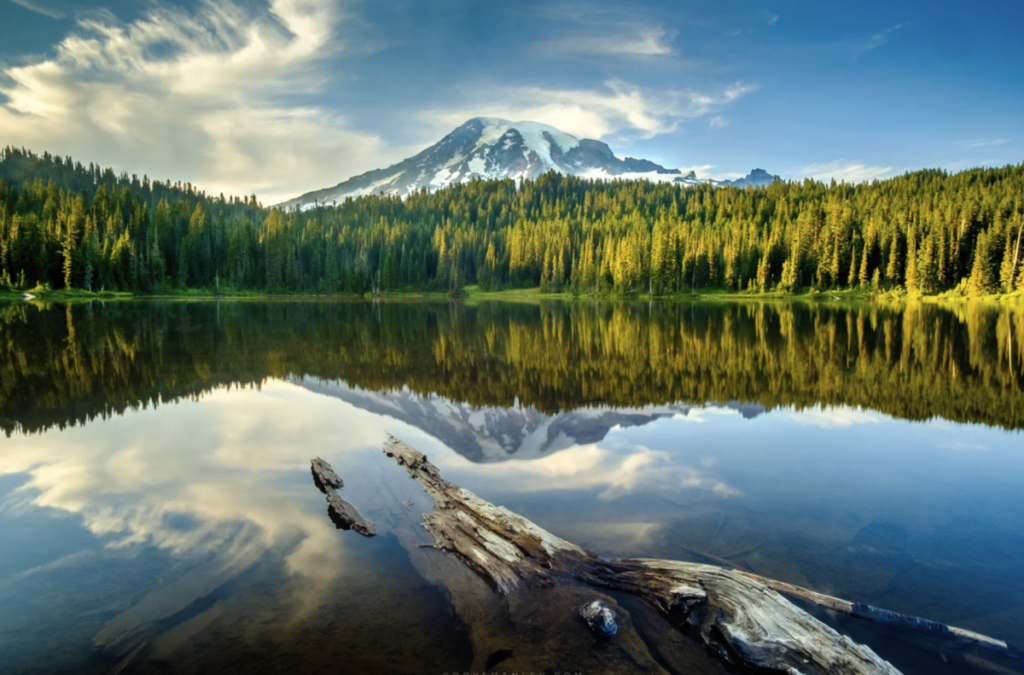
Reflection Lake Mt Rainier Sunset: Capturing the Sunset Reflection Lake is a noteworthy spot in Mt. Rainier National Park, especially for enjoying sunset views. A few spots to watch sunsets here include the southern part of Reflection Lake, Luise Lake Viewpoint, and the Pinnacle Peak Trail. The calm waters of the lake make it a prime location for capturing the beauty of the setting sun as it dips behind the towering peak. This article guides you to make the most of your RV adventure at Mt. Rainer’s Reflection Lake. You’ll learn: Locating Reflection Lake Located within the heart of Mt. Rainier National Park, Reflection Lake offers visitors a serene setting from which to admire the mountain. It is located just a couple of miles south of the park’s Paradise area, a fitting name for the nearby visitor hub known for its wildflower meadows. Upon leaving Paradise, you can follow the well-marked Steven’s Canyon Road, which curves through the park’s landscapes. The lake itself lies adjacent to the road, making access straightforward for those driving through the park. For those using GPS or park maps, the lake is unmissable as it is one of the few bodies of water highlighted along the road connecting the park’s west and east sides. Once there, parking is conveniently located nearby, ensuring that the lake’s beauty is but a short walk away. Journey to Reflection Lake You can get to Reflection Lake from Seattle. Here, the trip is a scenic drive that takes you through the lush landscape of Washington. Follow the following steps: For families, the route to the lake from the parking area is a gentle walk, allowing even the littlest of legs to manage the trek without difficulty. For photographers hauling equipment, the accessibility of Reflection Lake makes capturing its beauty a less cumbersome task. Wheelchair users and those with limited mobility will find designated accessible parking spots, and while the immediate areas around the lake are not officially listed as accessible, many find the paths manageable for wheelchairs with assistance due to the even terrain. Prime Sunset Spots Around Reflection Lake For those seeking the ultimate sunset shot or a serene moment, here are some strategic spots around the lake and tips to find your tranquil corner: Reflection Lake can get busy at times. Follow the following tips to help you get the perfect position for sunset views and shots. Timing Your Sunset Experience To catch the majestic spectacle of the sun setting over Reflection Lake, timing is everything. Here’s how to plan your visit throughout the year: Remember: The above times are approximate and can fluctuate slightly each year. Always check local sunset times before planning your trip to ensure you don’t miss out on this natural light show. Optimal Seasons for Iconic Shots Reflection Lake’s beauty shifts with the seasons, offering varied opportunities for capturing that iconic shot. Seasonal shifts can also help you capture lovely sunsets. For example: Spring Splendor Summer Brilliance Autumn Glow Winter Wonderland More Than a Photo Op While Reflection Lake is loved by photographers, it’s just as much a site for families seeking adventure or relaxation amidst nature’s embrace. Here are activities that can enrich your family’s experience in the vicinity: Hiking Trails Picnic Spots Nature Walks and Educational Activities Families can also enjoy the following nature walks and educational activities at Reflection Lake: RV Camping The park offers RV-friendly campgrounds such as Cougar Rock and Ohanapecosh. They offer easy access to the park’s attractions. These campgrounds are equipped with standard RV hook-ups and restrooms. Some have dump stations for convenience. Additional recreational activities for families include: Planning Your Visit Crafting a fulfilling journey for your family’s visit to Reflection Lake and the broader Mt. Rainier National Park is key to making the most out of this majestic setting. Whether you’re passing through for a day or setting up camp for a week, here are some tailored plans and crucial advice on navigating the park’s guidelines: Day Trip Delights Extended Stay Exploration Permits and Passes Park Regulations to Keep in Mind Additional Tips Choosing the Right RV for Your Adventure Selecting the right RV for your family adventure is essential for a comfortable and enjoyable trip. Here’s what to consider: NW Adventure Rentals ticks all the boxes of a reliable RV rental company in Seattle, Washington. Our fully-furnished RVs will transform your trip and stay at Reflection Lake into a memorable and homely experience. “They have treated me in the utmost professional way, and I would recommend NW Adventure Rentals to anyone. Keep up the great work John! Very Happy Customer!”—Doug B, Verified Customer Experience Sunsets at Reflection Lake With RVs Your adventure to Reflection Lake in Mt. Rainier National Park promises to be an unforgettable experience. Witnessing the awe-inspiring sunset over the mountain, with its reflection in the lake, is a moment you’ll cherish forever. A family RV travel will add even more comfort to these memories. An RV is a home on wheels that not only adds convenience to your outdoor travels but also enriches your experience. For a seamless and unforgettable experience, NW Adventure Rentals offers a wide variety of modern, well-maintained RVs to choose from, perfectly suited for your family’s needs. With our commitment to customer satisfaction and a deep love for the Pacific Northwest, we’ll help you make the most of your adventure. “I highly recommend NWAR, a small family-owned service focused on sharing their passion of RVing with others.”—The Hayes Family, Verified Customer Share This Article

Adventure, Camping, Destinations & Itineraries, RV Lifestyle & Travel

Romantic Getaways North West

Romantic Getaways North West: A Quick Guide The Northwest’s natural scenery, with its beautiful forests and coastlines, offers a perfect romantic escape. Examples of romantic getaways in the Northwest include the coastal town of Cannon Beach in Oregon, urban centers like Seattle with its iconic Space Needle, and the mountainous Bavarian village of Leavenworth. One thing is clear when visiting Northwest. An abundance of experiences. Think of the following settings for a moment: In the Northwest, you don’t just find places to see—you find places to be. It invites couples to make memories in a setting that feels removed from the rush of daily life. Let’s discover how every visit to the Northwest can be tailored to the tempo of your own love story. Romantic Destinations in the Northwest Northwest has notable romantic destinations that you should add to your visit list. These include: Coastal Enclaves The Northwest coastline is a perfect romantic getaway. Here, the rhythm of the ocean sets a peaceful mood for relaxation and connection. Imagine strolling hand-in-hand along the beaches of Cannon Beach, Oregon. Moreover, cozy beach cottages provide the perfect spot for lovely sunsets, with your significant other. Whidbey Island, Washington, for example, is known for its quaint shops, art galleries, and delicious seafood restaurants. Couples can explore the island by bike, or kayak, or simply relax on a secluded beach. Other coastal places include Manzanita, Oregon, and Long Beach, Washington. These offer their unique charm, with tide pooling, whale watching, and opportunities for romantic beach bonfires while watching the stars. Urban Escapes For those who find romance in the vibrant pulse of city life, the Northwest’s urban centers merge culture, gastronomy, and scenic beauty. Seattle, Washington, serves as a prime example. Its iconic waterfront and the Space Needle create a distinctive backdrop for a couple’s getaway. Seattle’s diverse neighborhoods and amazing restaurants are perfect for date nights. Examples include Archipelago, Driftwood, and Le Pichet. When you want a quieter moment, the city also has peaceful parks such as Kerry Park where you can relax. Mountain Retreats The mountainous regions of the Northwest are excellent retreats for lovebirds seeking seclusion. In places like Leavenworth, WA, the allure of an alpine-style village offers a unique escape with its Bavarian charm and environment. Mountain lodges become a cozy space after days spent exploring the trails or soaking in natural hot springs—where the only audience is the towering peaks and the starry sky above. Recommended Romantic Activities You can enjoy the following romantic activities when visiting Northwest with your partner: Wine Tasting For couples who love fine wine, the Northwest is a dream destination. In the Willamette Valley, you can visit cozy wineries, learn about winemaking from the experts, and even participate in the harvest. It’s a fun and romantic way to explore the world of wine together. Scenic Drives The landscape of the Northwest is best admired at the relaxed pace of a scenic drive. One such journey is along the Columbia River Gorge, where the road winds through forests and past waterfalls, with ample private spots for quiet reflection or a picnic for two. We bet these drives can be as much about the journey as the destination. Because they offer lovely encounters with nature’s magnificence around every bend. Spa Days Nothing says romantic retreat quite like a day spent in the ambiance of a luxury spa. The Northwest is dotted with top-rated spas that specialize in treatments for couples, allowing for shared moments of serenity. Examples of such spas include: From side-by-side massages to therapeutic soaks, these spas provide a space to unwind and reconnect, in an atmosphere of total tranquility. Outdoor Adventures For the adventurous at heart, the Northwest’s landscape offers room for several activities that couples can enjoy: Optimal Times for a Romantic Northwestern Getaway You can enjoy romantic getaways in the Northwest all year round. Yes. All seasons are optimal times. Here is why: Summer With long, sunny days, summer is perfect for exploring the outdoors. Take romantic strolls along the beach, savor al fresco dining under the stars, or embark on adventures like kayaking and hiking. Quaint towns come alive with the energy of summer, offering plenty of opportunities to create lasting memories. Fall Autumn paints the Northwest in breathtaking colors, with fiery reds, oranges, and yellows transforming the landscape. Vineyards are bustling with activity during harvest season, and cozy wineries invite couples to savor the fruits of the year. Imagine sipping on a glass of locally made Pinot Noir. And cuddling up in a warm sweater as you stroll through apple orchards or along picturesque trails lined with vibrant foliage. You’ll totally love the Northwest during fall. Winter When snow blankets the mountains and valleys, the Northwest becomes a winter wonderland offering an intimate escape. Resorts offer the chance to ski or snowboard down powdery slopes before retiring to a fireside for a warm drink. The cities, too, twinkle a bit brighter with festive lights, setting the scene for a post-theater walk or a quiet evening in a secluded cabin. Spring Spring breathes new life into the Northwest, with vibrant wildflowers blooming across meadows and gardens. The gentle weather invites couples to embark on romantic hikes to cascading waterfalls or leisurely bike rides through blossoming vineyards. Enjoy the refreshing scent of blooming flowers and the crisp, clean air as you reconnect with nature and each other. Budgeting for Your Romantic Getaway Navigating the financial aspects of your romantic getaway in the Northwest can be as straightforward or as indulgent as you choose. Consider the following factors when budgeting: Accommodation There are plenty of places to stay in the Northwest for couples on a romantic getaway. Dining The Northwest has something for everyone when it comes to food. Activities There are tons of things to do in the Northwest for couples on a budget. For example, you can go on fancy wine tours, hot air balloon rides, or boat trips, or keep it simple with scenic drives, hikes, and beach days. Many museums and attractions offer free admission days, and there are often discounts for

Adventure, Destinations & Itineraries, Parks, RV Lifestyle & Travel

How long to hike around crater lake ; A round trip

How long to hike around crater lake – round trip Table of Contents Discover the breathtaking wonder of Crater Lake nestled in Oregon’s Cascade Mountains. With its mesmerizing azure waters, renowned for their unrivaled clarity, this natural gem is anything but ordinary. Embark on an unforgettable hiking adventure along miles of a pristine trail surrounding this oasis, inviting explorers to immerse themselves in the surrounding beauty. With each trail varying in length and difficulty, adventurers can tailor their experience to their preferences, whether seeking a leisurely stroll or a challenging trek. Depending on your chosen trail and pace, expect to cover anywhere from 4 to 6 miles traversing the rugged terrain. Towering cliffs, soaring up to 2,000 feet, envelop you in a majestic amphitheater of nature’s grandeur. Explore Crater Lake and experience the awe-inspiring allure of this magnificent landscape. As you hike the lake, from the bird songs that provide the perfect soundtrack, to the whiff of timeless pines and those Insta-worthy rim views, you’ll see why this spot is a magnet for nature junkies worldwide. Ready for the round trip into the pacific crest? Stick with us, and we’ll be your compass to an unforgettable journey. How to Get to Crater Lake Directions to Crater Lake National Park: From Portland: Start on I-5 south and take exit 188 onto OR-58. Continue until you connect with US-97 South. Follow it until OR-138 West beckons, leading you straight to Crater Lake National Park. From Bend: Simple route: Take US-97 South. When you see OR-138 West, that’s your cue; it will guide you into the heart of the park. From Medford: Embark on OR-62 East. This route gracefully takes you to the park’s west entrance. Public Transportation: While there’s no direct bus to Crater Lake National Park, some shuttle services and guided tours operate from places like Medford and Klamath Falls, particularly in the high season. It’s wise to review options and reserve early. Before You Go: Fuel Ahead: The park doesn’t have gas stations. It’s prudent to fill up in towns like Chemult or Fort Klamath. Stay Connected: Mobile coverage can be patchy inside the park. Consider downloading offline maps or carrying a physical one. Entrance Status: The park has several entrances. Seasonal conditions, especially snow, might close some. Stay updated on current conditions. Tips for Hiking the Pacific Crest of Crater Lake Hiking Crater Lake: Timings, Tips, and Trail Etiquette Best Times of Day for Starting Hikes: Morning: Starting early in the morning, preferably just after sunrise, is ideal. This allows hikers to enjoy the cooler temperatures, fewer crowds, and the tranquil beauty of the lake in the soft morning light. Late Afternoon: Another option is to start in the late afternoon, which can be suitable for shorter trails. This time provides cooler temperatures similar to the morning and the chance to catch a breathtaking sunset over the lake. What to Pack: Gear Up: Consider a snug-fitting backpack, trusty hiking boots (prioritize a solid grip), a sun hat, protective sunglasses, and a lightweight rain shield (the mountain’s mood can sometimes be whimsical). Fuel for the Feet: Opt for energy bars, a mix of nuts and dried fruits, or perhaps some fresh fruit. After all, as you blaze the trail, replenishing your energy is paramount. Hydration is Key: The importance of water cannot be overstated. A ballpark figure would be 2 liters per adventurer, with a tad more for those lengthy trails. Wildlife Precautions: Crater Lake is a treasure trove of diverse fauna, ranging from chirping birds and playful squirrels to the more elusive black bears. A golden rule: let them be. Store food meticulously, refrain from offering snacks, and always maintain a respectful distance. If a bear does grace your path, having prior knowledge on how to react could be invaluable. Safety Guidelines: Know Your Trail: Each trail sings its own song of challenge. Familiarize yourself with its tune, ensuring it harmonizes with your own hiking prowess and stamina. Be Prepared: A fundamental first-aid kit should be a constant companion. Think bandages, sterilization essentials, blister care, and any personal medications. Tread True: Honor the trail by staying its course. This gesture safeguards the pristine environment and ensures you’re walking a path endorsed for safety. Stay in the Know: Prior to stepping out, take a moment to consult weather updates and trail statuses, either at welcoming centers or the park’s digital portal. The Best Time of Year to Hike Crater Lake Breakdown of Seasons: Pros and Cons Spring: Pros: Fresh blooms, melting snow giving way to crystal-clear waters, and the wildlife starts becoming more active. Cons: Some areas along the hiking trail might still be snow-covered or muddy from the melt, and there’s potential for unpredictable weather changes. Summer: Pros: Warm temperatures, a fully accessible trail, and extended daylight hours. Ideal for longer hikes and perfect for camping. Cons: It’s the busiest season, so expect more crowds, especially on popular hiking trails. Temperatures can get very warm in the afternoons. Fall: Pros: Fall foliage transforms the landscape into a riot of colors. Cooler temperatures can make hiking more comfortable. Cons: Weather becomes more unpredictable as winter approaches, and daylight hours start to decrease. Winter: Pros: A serene winter wonderland, with the lake often reflecting the snowy peaks. Fewer visitors mean a more peaceful experience. Cons: Many trails may be closed or hard to navigate due to snow. Cold temperatures require extra preparation and gear. Peak Hiking Times and What to Expect June to September: During the height of summer, Crater Lake experiences the highest influx of visitors, making it the busiest time of the year. While the weather is most reliable, popular trails can become crowded, especially on weekends. Campgrounds and lodgings tend to fill up quickly, so advance planning is crucial to secure accommodations. Off-Peak Hiking Times and Their Unique Offerings October to April: This is the off-peak period when the park is quieter. Fall graces Crater Lake with a colorful landscape, while winter blankets it in a snowy paradise. For those seeking solitude

Adventure, Destinations & Itineraries, RV Lifestyle & Travel

Nero Day: Pausing in your Journey

Nero Day: Pausing in your Journey Table of Contents In the whirlwind of traveling, where every day feels like a new adventure, there’s something special about keeping the pace up. For most travelers, the thrill of constantly moving and discovering is what it’s all about. But every once in a while, even the most enthusiastic need a breather. That’s where the idea of “Nero Day” comes in. It’s that day where you take things a bit slower, giving yourself time to really soak in your surroundings and get ready for what’s next on your journey. What is a Nero Day? When you’re out and about, traveling and exploring, you might come across the term ‘Nero Day’. It’s that day when you decide to take things easy, maybe cover just a bit of ground or do a few activities, but not go all out. The name hints at ‘near-zero’, which pretty much sums it up: it’s about finding that balance in your journey. On a regular travel day, you’re hitting the trails hard, seeing a bunch of cool stuff, and ticking things off your list. It’s great, but man, it can wear you out. That’s where a Nero Day fits in. It’s like taking a small break without hitting the pause button, giving you a chance to soak it all in and recharge a bit, but still feeling that buzz of being on the move. Nero Day vs. Full Rest Day: A Brief Distinction When you’re diving deep into travel lingo, you’ll bump into terms like ‘Nero Day’ and ‘Full Zero Day’. At a quick glance, they might seem like two sides of the same coin, but there’s a little more to it. ‘Full Zero Day’? Think of it as putting your adventure on hold. If you’re a hiker, you’re not counting any miles that day. If you’re traveling, you aren’t exploring any new spots. It’s basically hitting the ‘chill’ button, giving yourself a full day just to kick back and maybe ponder on the journey so far. Now, a Nero Day, it’s different. Imagine you’re just turning the dial down but still keeping the tunes playing. You’re slowing things down but not shutting off completely. So, while on a Full Zero Day you’re out of the game, on a Nero Day you’re still in, just at a relaxed pace. It’s the middle ground, for folks who still want a taste of the adventure but without the usual hustle. So, in a nutshell, while both days are about catching your breath, a Nero Day keeps you in the mix, and a Full Zero Day is taking a step to the side, refueling for the next leg. Why Pausing Matters: The Importance of taking a Nero Day When you’re out and about, exploring and adventuring, there’s something quite refreshing about occasionally pumping the brakes. Not stopping, mind you, but just easing off the gas. That’s the beauty of a Nero Day. Physical Recuperation: Let’s be real. Every step, every uphill trek, it all adds up. While the heart may want to go full steam ahead, the body sometimes whispers for a bit of a slowdown. Not an entire day in bed, but maybe a day where we’re not pushing the limits. That’s a Nero Day for you: a chance for the legs to catch up. Mental Refreshment: It’s not just the feet that do the traveling; it’s the mind too. Being on the move constantly can be a bit… much. A Nero Day? It’s like giving your brain a little spa day. A moment to sit back, process everything, and get ready for the next round of excitement. Equipment Maintenance: Now, anyone who’s been on the road knows gear is gold. Those boots, that backpack, they’re lifelines. A Nero Day is a golden opportunity to give them a once-over, do a bit of patching up, or just some general TLC. You know, ensuring they’re up for whatever’s next. Replenishing Resources: Lastly, even if you’re in the middle of nowhere, slowing down can be the perfect chance to stock up. Maybe there’s a local store around or a market. Refill the snacks, get some fresh water, and ensure you’re not running on empty for the next part of your trip. So, a Nero Day isn’t about stopping. It’s about smart pausing. It’s taking that breather, so the rest of the journey is even more spectacular. Making the Most of the Pause: Activities During Nero Day Slowing down on a Nero Day doesn’t mean you’re hitting the snooze button on adventure. Think of it as switching gears, getting into a groove that’s laid-back but just as enriching. Local Exploration: Look, sometimes we’re so busy chasing the big moments that we miss the little ones right under our noses. Nero Day? Perfect time to meander around and see what’s up close. Could be a cafe everyone’s raving about, a local craft spot, or even a not-so-famous park that’s just perfect for a lazy afternoon. Journey Documentation: Travel is a flurry of moments. Some make you stop and think; others just whiz by. Got a Nero Day in hand? Why not play catch-up? Scribble down thoughts, doodle what caught your eye, or just plot what you’re doing next. It’s your story, after all. Stay Connected: Let’s face it, in today’s world, sharing is caring. Got some killer photos? A Nero Day is a great time to share them. Maybe write a quick update, send an old-fashioned postcard, or just drop a message to someone you’ve been meaning to. A little “Hey, here’s what I’ve been up to” never hurts. Self-care Activities: Now, this isn’t just about kicking back. A Nero Day can also be about tuning in. Been carrying a book? Dive in. Feel like stretching? Go for it. Maybe just sit and breathe, getting in sync with the world around. So, a Nero Day isn’t just downtime. It’s your time – to discover, reflect, and get ready for whatever the road throws at you

Adventure, Camping, Destinations & Itineraries, RV Lifestyle & Travel

7-Day Road Trip From Seattle: Explore The Real Pacific Northwest

7-Day Road Trip From Seattle: Explore The Real Pacific Northwest Table of Contents The Charm of Seattle: Why Spend a Week? Seattle, lovingly known as the “Emerald City,” graces the Pacific Northwest with its stunning blend of urban skylines and verdant backdrops. As you set the wheels in motion for your road trip, here are some must-visit places within the city: Space Needle: This iconic structure offers panoramic views of the cityscape, with the Olympic and Cascade Mountains framing the horizon. It’s a symbol of Seattle’s futuristic vision, and standing atop, you can feel the pulse of the city below. Pike Place Market: A bustling hub of activity, this historic market lets you savor fresh produce, artisanal crafts, and a hint of Seattle’s vibrant culture. Don’t miss the flying fish or the original Starbucks store nestled within its confines. Chihuly Garden and Glass: A shimmering testament to the art of glassblowing, this museum showcases Dale Chihuly’s masterpieces. The vibrant installations, set amidst a lush garden, are a visual treat. On the Road: Discovering the Pacific Northwest’s Gems Once you venture beyond the city limits, the broader region opens its arms, offering breathtaking landscapes and picturesque towns. Mount Rainier National Park: Towering over the landscape, Mount Rainier beckons adventurers with its snow-capped peaks, wildflower meadows, and ancient forests. Whether you’re an avid hiker or just looking to capture some stunning photographs, this national park is a treasure trove. Olympic Peninsula: Encircled by waters, this peninsula is a mosaic of rainforests, rugged coastlines, and alpine meadows. The Hoh Rainforest, with its moss-laden trees, and the serene shores of Lake Crescent are just a few highlights. San Juan Islands: A cluster of pristine islands, accessible by a scenic ferry ride. Each island offers unique landscapes, from the charming town of Friday Harbor to the whale-watching opportunities off Orcas Island. Best Time to Embark on the Seattle Road Trip Weather Considerations: Seattle, with its temperate maritime climate, offers distinct experiences each season. The summer months, typically June through September, are generally sunny with mild temperatures, ideal for outdoor explorations and ferry rides. Winters, on the other hand, bring in cooler temperatures and occasional snow, painting the landscapes in ethereal white, especially around Mount Rainier. Festivals and Events: The Emerald City is always bustling with events. The Seattle International Film Festival in May and June brings movie enthusiasts from all corners. Bumbershoot, happening in September, celebrates art, music, and culture. While these events add vibrancy, they also attract more tourists, so plan accommodations in advance. Conversely, if you wish for a quieter trip, check Seattle’s event calendar and schedule your visit around the city’s major events. Navigating Peak Tourist Times: Summer is undeniably the most popular time for tourists, given the pleasant weather and array of events. To avoid crowds, start your day early, especially when visiting major attractions. Additionally, consider visiting some spots during weekdays rather than weekends. One Week Road Trip Itinerary From Seattle Day 1: Seattle’s Urban Pulse Embark from the heart of Seattle, where urban charm fuses with the city’s art and history. Dive into the vast collections at the Seattle Art Museum, which narrates tales from varied cultures and epochs. Amble along the bustling waterfront, where the sounds of the city merge with the whispers of the sea. As dusk starts to paint the sky, make your way to Kerry Park. Here, the city unfurls beneath you, with the sunset casting an ethereal glow over its skyline. Day 2: Olympic National Park’s Natural Mosaic Set your course for Olympic National Park, a mesmerizing patchwork of ecosystems. Traverse through its dense, moss-laden rainforests, feeling the hush of ancient trees. Let the rugged coastline beckon, where waves kiss rocky shores. And as day gives way to evening, Lake Crescent offers solace with its tranquil waters reflecting the twilight hues. Day 3: Port Townsend’s Coastal Elegance The maritime allure of Port Townsend awaits. Stroll through streets that breathe history, their Victorian architectures standing as silent storytellers. Dive into nautical tales at the maritime museum. And as hunger strikes, let the town’s eateries serve you the freshest of seafood, each bite echoing the flavors of the sea. Day 4: The Enigmatic San Juan Islands Board a ferry, and let it carry you to the San Juan Islands. Here, nature performs its ballet. Meander along scenic byways, with the promise of orcas leaping in the distance. And when the day’s exploration tires you, the islands’ beaches beckon, their sands and sounds promising unrivaled tranquillity. Day 5: Mount Rainier’s Majestic Silhouette The towering Mount Rainier beckons. It’s a day of trails that wind through alpine meadows, painted by nature with wildflowers. Listen to waterfalls, their cascades singing hymns of the mountains, and let the park’s vistas take your breath away. Day 6: Leavenworth’s Alpine Dreamscape In Leavenworth, Bavaria comes alive in the Pacific Northwest. With its Alpine-style architecture and German-themed diners, the town offers a delightful cultural detour. Whether it’s mountain adventures or simply soaking in the ambiance, Leavenworth promises enchantment. Day 7: Snoqualmie’s Symphony and Homeward Bound Conclude with the magnificent Snoqualmie Falls, where waters plunge dramatically, creating a spectacle for the senses. Let its roar be the culmination of your week’s symphony. With heart and camera full, drive back to Seattle. Every mile will be an invitation to reflect on the tapestry of experiences and the myriad of memories stitched into each day. Hitting the Road Smartly: Tips for a Seamless Seattle Road Trip Dodging the Traffic Jams: Seattle, like many bustling cities, grapples with its share of traffic snarls, especially during those peak rush hours in the morning and evening. It’s wise to strategize your driving schedule around these times. To keep ahead of the curve, whip out handy apps like Waze or Google Maps, which offer real-time traffic insights to help you navigate smoothly. Scouting for Bites and Basics: On your journey, don’t miss the vibrant farmers’ markets sprinkled around – they’re your ticket to fresh produce and some delightful local goodies. But if you’re racing against time,

Adventure, Campgrounds, Camping, Destinations & Itineraries

Oregon Family Camp Trip Recommendations

Oregon Family Camp Trip Recommendations Table of Contents At this point in your planning you’ve probably already learned about that Oregon has some of the nation’s best national parks and you want to start looking at RVs. There are three general categories you’ll want to know: – Class A RVs aka Big Motorhomes (26 to 45 feet)– Class B RVs aka Big Truck With Built In Trailer (17 to 23 feet)– Class C RVs aka Big Truck With Built In Trailer (20 to 28 feet)– Trailers aka Towed Campers (15 to 45 feet) But what makes the Pacific Northwest, and particularly Oregon, such a coveted travel spot for families yearning for an outdoor escape? It’s the combination of accessibility and raw wilderness. Families find in Oregon a playground vast enough to ignite imaginations yet intimate enough to create cherished shared moments. The rhythmic crashing of ocean waves, the thrill of spotting a deer grazing amidst the mist, or the sheer wonder as you gaze up at the starry canopy from a campfire’s glow – these moments, in their simplicity, encapsulate the essence of family camping trips here. If you’re ready to travel then you’ll want to go ahead and browse our fleet our luxury campers. Otherwise keep reading to learn more about visiting Metolius Springs. Oregon’s Most Popular Parks for Family Camping Trips Silver Falls State Park: Oregon’s largest state park, Silver Falls is aptly named, offering visitors a breathtaking journey through a realm where water cascades with grace and might. The crown jewel of this park is the Trail of Ten Falls, a looping trail that gives families the rare chance to not just witness, but to actually walk behind a cascade of falling water. Children’s eyes light up in wonder as they feel the refreshing mist and hear the thunderous roar up close. Beyond the falls, the park presents over 35 miles of backcountry trails, perfect for horseback riding, mountain biking, or a serene family hike. The campsites, designed with families in mind, feature spacious tent and RV sites, picnic areas, and playgrounds, making those moments of relaxation just as memorable as the adventures. Crater Lake National Park: A caldera brimming with the bluest of blues, Crater Lake is nature’s testament to the transformative power of cataclysmic events. Formed by the collapse of a volcano, this lake stands as the deepest in the U.S., with depths reaching almost 2,000 feet. But beyond its geological marvel, it’s the ethereal beauty of the place that captivates families. The Rim Drive offers panoramic views that seem to merge the skies with the sapphire waters below. For young explorers, the park has a selection of trails like the Sun Notch and Godfrey Glen, offering short yet immersive hikes into the park’s varied terrains without being too strenuous. Cape Blanco State Park: Perched on Oregon’s rugged southern coast, Cape Blanco offers camping sites with a blend of history and natural beauty. The westernmost point in the state, this park provides families with expansive coastal views that stretch endlessly, punctuated by the Cape Blanco Lighthouse, a beacon of Oregon’s maritime history. The access to six miles of sandy beaches means families can indulge in everything from beachcombing to kite flying, while the dense forest trails offer shelter and a dash of mystery. The park’s campground, with its well-equipped sites, ensures that even novices feel comfortable, while the horse camp and trails add another layer to the family outdoor experience. Smith Rock State Park: A geologic wonder, Smith Rock isn’t just a climber’s paradise but a family’s outdoor playground too. Rising dramatically from the Central Oregon desert, its spires, and cliffs showcase a palette of deep reds and browns. For families, the River Trail provides an easy hike, tracing the Crooked River and offering up-close views of climbers in action. Meanwhile, the child-friendly interpretive trails educate young minds about the park’s geology and ecosystem. As the day winds down, you might just spot golden eagles or prairie falcons soaring against the backdrop of a setting sun, adding the perfect touch to a day of exploration. The Ideal Oregon Roadtrip Camping Spots Travel Overview Oregon, in its splendor, feels like an open invitation to road-trippers, its roads winding through terrains that oscillate between lush forests, roaring rivers, and tranquil coastlines. For our journey, we’ll start from the heart of the state, make our way to the southern border, and culminate on the scenic Pacific coastline. As your RV wheels hum in tune with Oregon’s heartbeat, you’ll discover that the journey is every bit as enchanting as the destinations. Tumalo State Camp Nestled just a stone’s throw from Bend, Tumalo serves as a delightful starting point or mid-journey respite. The Deschutes River flows gracefully through, offering families a serene riverside camping experience. Here, the murmur of the river becomes your lullaby, and the dawn chorus of birds your morning alarm. The park’s campgrounds are equipped with modern amenities, ensuring a comfortable stay. Its proximity to Bend offers a blend of nature and city charm – making it a perfect spot for families wanting to dip their toes into the local culture, grab a craft beer or indulge in some artisanal ice cream. Valley of the Rogue State Camp Positioned strategically along I-5, this park acts as a comforting waypoint for families journeying between Oregon and California. But it’s more than just a convenient stopover. The Rogue River, with its rich history and vibrant ecosystem, lends the park its distinctive character. Families can set camp by its banks, indulge in a bit of fishing, or simply relax and enjoy the river’s tales. The trails weave through varying landscapes, each telling a story of the region’s flora and fauna. For those interested in Oregon’s literary history, it’s thrilling to know that renowned author Zane Grey penned his classic, Rogue River Feud, inspired by this very river. Jessie M. Honeyman Memorial State Camp Positioned snugly between the Oregon Dunes National Recreation Area and the deep blue of the Pacific, Jessie M. Honeyman offers families a unique dunes-meet-coast campingground experience. The vast stretch of

Adventure, Campgrounds, Camping, Destinations & Itineraries

Metolius Springs: Where to Camp & What to Do

Metolius Springs: Where to Camp & What to Do Table of Contents Nestled amidst the verdant heart of Oregon, Metolius Springs emerges as a sanctuary of unspoiled splendor. Picture this: crystal-clear waters bubbling forth from ancient volcanic rock, surrounded by towering pines that whisper stories of time gone by. The gentle hum of the forest, the rippling cadence of the springs, and the distant calls of native birds come together to create a symphony of nature, untouched and pure. For those of us in Seattle, this oasis lies tantalizingly close, almost beckoning with its serene beauty. Just a few hours on the road, and the bustling cityscapes give way to this tranquil hideaway. Whether you’re itching for a rejuvenating weekend retreat or seeking an idyllic pit-stop on a grander Pacific Northwest journey, Metolius Springs awaits, promising an intimate rendezvous with nature at its most raw and beautiful. If you’re ready to go then you’ll want to go ahead and browse our fleet our luxury campers. Otherwise keep reading to learn more about visiting Metolius Springs. The Legend of Metolius Springs The magic of Metolius Springs lies as much in its origins as it does in its pristine beauty. With waters emerging mysteriously from the base of Black Butte, an ancient shield volcano, the springs have long been a subject of fascination. Geologists and nature enthusiasts alike marvel at how such abundant, crystal-clear waters can pour forth with no discernible source. Legends among Native American tribes tell tales of these waters, attributing them to ancient spirits and deities that once roamed the land. Metolius Springs has earned its fame not just for its enigmatic origins, but also for its role as the lifeblood of the surrounding ecosystem. It feeds the Metolius River, which meanders through Central Oregon, providing sustenance to a diverse range of flora and fauna. The river and its springs play a crucial role in maintaining the ecological balance of the region, supporting everything from the smallest aquatic life to the majestic ospreys and eagles that soar above. Historically, the springs and the river have been vital to the communities that have lived in their vicinity. For Native American tribes, it was a source of both spiritual and physical sustenance. Later, settlers and explorers would come to rely on its waters for navigation and sustenance. Today, while its role might have shifted more towards recreation and tourism, the significance of Metolius Springs in the tapestry of the region’s history and ecology remains undiminished. Why Choose a Camper for Your Adventure? The Unique Camper Experience : Traveling by camper isn’t just another way to get from point A to B—it’s a transformative experience. Imagine having your home’s comforts seamlessly integrated with the pulse of the open road. No rigid schedules, no packing and unpacking at every destination, just the open road and your sense of adventure guiding the way. The flexibility a camper provides is unparalleled. Ever found a sunset spot you wish you could wake up to? Or a serene lakeside begging for an extended stay? With a camper, spontaneous decisions become a cherished part of the journey. Forget about the hassles of hotel check-ins, or the disappointment of a missed reservation; the road is yours to command. Economical Benefits: While the allure of a camper often revolves around the experience, it also presents significant economic advantages. For extended trips, the costs of hotel stays can quickly add up. Campers offer a cost-effective solution, merging transport and accommodation expenses. Moreover, with a camper, meals become a part of the fun. With the ability to cook and store food, you’re not tethered to hundreds of miles away from where you want to go. Whip up a quick breakfast before sunrise or enjoy a late-night snack under the stars—it’s all up to you. Environmental Considerations: Sustainability is more than just a buzzword; it’s a responsibility. Choosing a camper can significantly reduce your carbon footprint, especially when you compare it to the environmental costs of flying to a destination and then staying in a hotel. Additionally, campers allow you to be in the heart of nature, providing a closeness that hotel rooms often can’t match. And the best part? You get to enjoy this proximity to the great outdoors without the fuss of pitching tents or worrying about unpredictable weather. It’s a balance of eco-friendliness and convenience, making campers a conscious choice for the modern traveler. Seattle to Metolius: The Journey Embarking on a journey from Seattle to the enchanting Metolius Springs, travelers have a choice to make: take the direct path or indulge in the road less traveled, sprinkled with delightful detours. The Direct Path: For those keen on reaching Metolius Springs with efficiency, the I-5 South and US-97 South route is your best bet. Departing from Seattle, you’ll head south on the I-5, then make a transition to US-97 at the junction near Weed. This straightforward route spans a distance of roughly 300 miles and takes around 5 hours of driving. With clear roads, you’ll be greeted by the allure of Metolius Springs in no time. The Road Less Traveled: Adventure beckons for those willing to meander. Opt for a scenic detour through the Cascade Range. Start your journey on I-90 East, journeying through Snoqualmie Pass. Soon, you’ll be presented with the chance to take WA-970, which beautifully blends into WA-97. From here, consider a pit-stop at the Bavarian-inspired town of Leavenworth. Bask in its German architecture and perhaps grab a pretzel or bratwurst for the road. Continue south on US-97, and as you approach Bend, veer west to make your final approach to Metolius Springs. This route, though longer, offers scenic vistas, quaint towns, and an intimate experience of the Pacific Northwest’s diverse landscapes. Whichever path you choose, the destination promises a rejuvenating encounter with nature. So, pack those bags, fuel up, and let the road guide your spirit! Crafting the Ultimate PNW Road Trip When you’re looking to immerse yourself in the mesmerizing landscapes of the Pacific Northwest, there’s truly

Adventure, Destinations & Itineraries, RV, RV Lifestyle & Travel

Rent a Camper for the Weekend: Where & When

Rent a Camper for the Weekend: Where & When Table of Contents So you’ve finally decided to pull the trigger and rent a camper for the weekend, but how do you know which one to rent and where to rent it from? In this article you’ll get the answer to those two questions and more but first let’s get clear on what a camper actually is. Normally, when people talk about campers they’re talking about Travel Trailers. Though some people use camper to refer to all types of RVs:– Class A RVs aka Big Motorhomes (26 to 45 feet)– Class B RVs aka Big Truck With Built In Trailer (17 to 23 feet)– Class C RVs aka Big Truck With Built In Trailer (20 to 28 feet)– Trailers aka Towed Campers (15 to 45 feet) If you’re ready to go then you’ll want to go ahead and browse our fleet our luxury campers. Otherwise keep reading to learn more about renting a camper for the weekend. What is a Camper? At its core, a camper is a mobile living space designed to be towed or driven, allowing travelers to maintain the comforts of home while on the road. It’s a symbol of freedom, a testament to human ingenuity in the pursuit of exploration without boundaries. The concept of the camper isn’t entirely new. Historically, humans have always sought ways to travel without leaving behind the essentials. From the covered wagons of pioneers to the more rudimentary setups of early adventurers, there has been a constant evolution towards what we recognize today as the modern camper. Camper designs are diverse, catering to a wide range of traveler preferences: Inside a typical camper, you’d find a nice blend of functionality and comfort. Most come equipped with sleeping areas that can range from basic bunks to queen-sized beds. Cooking facilities, whether a simple stove or a full-fledged kitchen, ensure travelers aren’t solely dependent on roadside diners. Storage compartments, seating areas, and often a restroom, round out the essential anatomy of a camper, creating a cozy cocoon that’s ready for the road whenever you are. Why Choose a Camper for Your Adventure? The Unique Camper Experience : Traveling by camper isn’t just another way to get from point A to B—it’s a transformative experience. Imagine having your home’s comforts seamlessly integrated with the pulse of the open road. No rigid schedules, no packing and unpacking at every destination, just the open road and your sense of adventure guiding the way. The flexibility a camper provides is unparalleled. Ever found a sunset spot you wish you could wake up to? Or a serene lakeside begging for an extended stay? With a camper, spontaneous decisions become a cherished part of the journey. Forget about the hassles of hotel check-ins, or the disappointment of a missed reservation; the road is yours to command. Economical Benefits: While the allure of a camper often revolves around the experience, it also presents significant economic advantages. For extended trips, the costs of hotel stays can quickly add up. Campers offer a cost-effective solution, merging transport and accommodation expenses. Moreover, with a camper, meals become a part of the fun. With the ability to cook and store food, you’re not tethered to hundreds of miles away from where you want to go. Whip up a quick breakfast before sunrise or enjoy a late-night snack under the stars—it’s all up to you. Environmental Considerations: Sustainability is more than just a buzzword; it’s a responsibility. Choosing a camper can significantly reduce your carbon footprint, especially when you compare it to the environmental costs of flying to a destination and then staying in a hotel. Additionally, campers allow you to be in the heart of nature, providing a closeness that hotel rooms often can’t match. And the best part? You get to enjoy this proximity to the great outdoors without the fuss of pitching tents or worrying about unpredictable weather. It’s a balance of eco-friendliness and convenience, making campers a conscious choice for the modern traveler. Camper vs. Other Options: Making the Right Choice When planning an adventure, the choice of accommodation often becomes a pivotal decision. Let’s explore how the camper stacks up against other popular options. Hotel Stays: The allure of hotels lies in their undoubted comfort. Fluffy pillows, room service, and often luxurious amenities make them a favorite for many. However, there’s a trade-off. Hotels can create a disconnect from nature. They trap you within four walls, often far removed from the very landscapes you traveled to see. Tent Camping: On the opposite end of the spectrum is tent camping. It offers an intimacy with nature that’s hard to rival. The crackle of a campfire, the canvas rustle as the wind blows, and the immediate connection to your surroundings are unparalleled. Yet, this intimacy comes with its challenges. The constant cycle of pitching and teardown can become cumbersome, and the whims of weather can turn a serene night into a struggle against the elements. Cabins: Cabins Those cozy wooden structures nestled within nature, seem like an ideal retreat. They give you a solid roof over your head and basic amenities, all while keeping you close to the outdoors. However, they come with a significant limitation: location. Once you choose a cabin, you’re tied to that spot. Unlike a mobile camper, there’s no packing up and moving to a new vista each morning. Camper Stepping into the spotlight is the camper, striking a harmonious balance among all these options. It offers the comfort akin to a hotel but without the detachment from nature. It provides an immediate connection to the outdoors, much like tent camping, without the hassle of setup and takedown. And while cabins might have the charm, campers bring flexibility, letting you chase sunsets, mountain views, or coastal breezes at your own pace. In essence, a camper combines the best of all worlds, making it a compelling choice for many travelers. Platforms to Rent a Camper Choosing a camper is half the