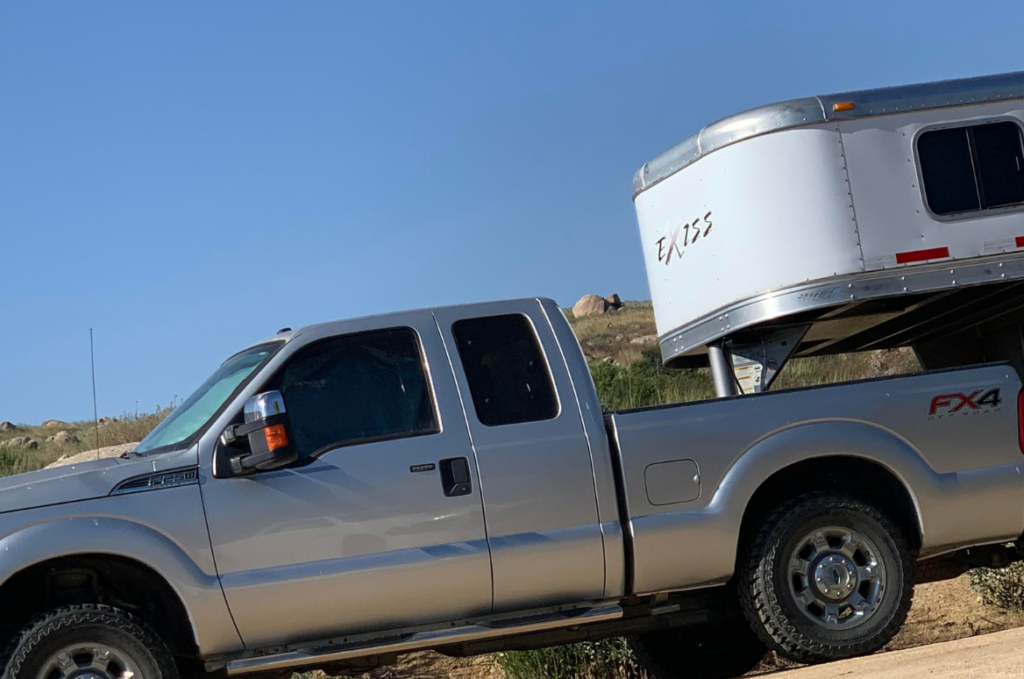
Ford f250 Diesel Fuel Mileage
Ford f250 Diesel Fuel Mileage: Maximizing Fuel While Towing Ford F250 diesel—a name synonymous with strength, durability, and heavy-duty performance. Its powerful engine and towing capacity make it a popular choice among truck enthusiasts. But what is a Ford F250 diesel fuel mileage when towing? It typically gets 12 to 15 miles per gallon (MPG). Knowing the Ford F250 diesel fuel mileage helps you plan long trips since fuel costs can impact your travel expenses. In this guide, we provide insights on how to maximize your Ford F250 diesel when towing. We’ll also help you understand: Factors affecting Ford F250 diesel fuel efficiency including towing weight, driving habits, and maintenance practices Tips to maximize fuel efficiency such as proper maintenance and smart driving techniques What other Ford F250 owners say about its towing capacity Factors That Influence Your Towing MPG The towing MPG of the Ford F250 diesel is 12–15. Why not a definite figure? It’s due to the different variables (factors) that affect it. Factors affecting your Ford F250’s towing MPG include: Vehicle Load and Trailer Weight Picture this: You get tired more quickly if you’re carrying a heavy backpack-you have to use more energy to move around. Now, this applies to your Ford F250’s trailer weight. When your truck carries a heavy load or tows a larger trailer, it needs more energy to move; and this comes from burning diesel. So, the heavier the load and trailer, the more fuel your truck needs to use to maintain speed and steer properly. Aerodynamics and Fuel Efficiency Think of aerodynamics as the shape and design of an object that makes it move smoothly through the air. Yes—trailers don’t fly. But their shape can affect your Ford F250’s towing capability, and by extension, fuel efficiency. An aerodynamic trailer designed with a shape that cuts through the air easily (like a bird or an airplane), causes less drag when towed. This allows your F250 to move with less resistance and less fuel. A boxy trailer, on the other hand, catches more wind and will require more power and more fuel to tow. Definition: In fluid mechanics, drag (sometimes called air resistance or fluid resistance) refers to forces that oppose the relative motion of an object through a fluid (a liquid or a gas) Driving Style’s Effect on Fuel Usage How you drive can also affect your fuel mileage. Aggressive driving, characterized by rapid acceleration and maintaining high speeds, will lead to higher fuel consumption. A smoother, steadier driving approach is more economical, helping you conserve diesel. Terrain Challenges and Fuel Consumption The type of terrain you drive over influences fuel efficiency. For example, your Ford F250 works harder on steep inclines and high altitudes, increasing fuel use. Flat terrain, on the other hand, allows you to drive at a consistent speed with minimal gear changes which lowers fuel consumption. Did You Know? Descending a hill can consume more fuel if your vehicle is not in the correct gear So, always ensure it’s in the right gear when going downhill to optimize fuel efficiency. Road conditions and weather also affect fuel consumption. For instance, smooth, well-maintained roads allow for better fuel efficiency since your vehicle maintains a steady speed with less resistance. In contrast, rough or uneven roads increase the resistance against the vehicle, leading to higher fuel consumption. Cold weather can increase fuel consumption as the engine takes longer to reach its most efficient temperature. Also, a headwind increases drag on the vehicle, while a tailwind reduces it. Maintenance and Fuel Economy Regular vehicle maintenance impacts the towing MPG. For example, improperly inflated tires increase rolling resistance which leads to higher fuel consumption and lower towing MPG. But a tire inflated to the vehicle’s standards has lower resistance and lower fuel consumption. A well-maintained vehicle has a better towing MPG than a poorly maintained one. Enhancing Your Ford F250 Towing MPG Now that you know the factors that affect your Ford F250’s towing MPG, how do you improve its performance? Streamline your trailer. Aerodynamic modifications and proper cargo placement can significantly reduce drag. Plan your route using navigation apps to avoid heavy traffic and hilly terrain to keep your MPG in check. Use cruise control to maintain a constant speed, which is more fuel-efficient than fluctuating speeds. Consider the weight of your tow load; extra, unnecessary weight can sap fuel, so pack only what you need. Use performance upgrades such as a diesel tuner to fine-tune your engine’s output, leading to more efficient towing power. Consult with a towing specialist to get personalized advice and specific improvements for your vehicle and towing habits. Beyond these strategies, regular maintenance plays a crucial role, not only in your Ford F250’s towing MPG towing capabilities but also in its overall performance and longevity. Here’s how: Tire inflation: Tires that are not properly inflated increase rolling resistance, leading to increased fuel consumption. Regularly checking and maintaining the correct tire pressure ensures better fuel efficiency. Oil changes: Engine oil lubricates the engine’s moving parts, reducing friction and heat. With time, the oil can degrade and lose effectiveness, leading to increased friction, heat, and fuel consumption. Regular oil changes ensure the engine operates efficiently, reducing fuel consumption. Air filters: A clogged air filter can restrict airflow to the engine, causing it to work harder and consume more fuel. Routinely replacing the air filter can ensure optimal airflow and fuel efficiency. Spark plugs: Worn or dirty spark plugs can cause the engine to misfire, wasting fuel. Timely checking and replacing spark plugs can ensure the engine runs smoothly and efficiently. Towing Mileage vs. Non-Towing Mileage When it comes to maximizing the efficiency of your Ford F250 Diesel, understanding the difference between towing mileage and non-towing mileage is important. Let’s explain. Towing mileage is the fuel efficiency of your Ford F250 Diesel when pulling a load such as a trailer. Non-towing mileage, on the other hand, is its fuel efficiency during regular driving without any additional load. Non-towing mileage is typically higher than towing mileage because the engine doesn’t have