Eastern Washington Road Trip Itinerary: A Local Guide
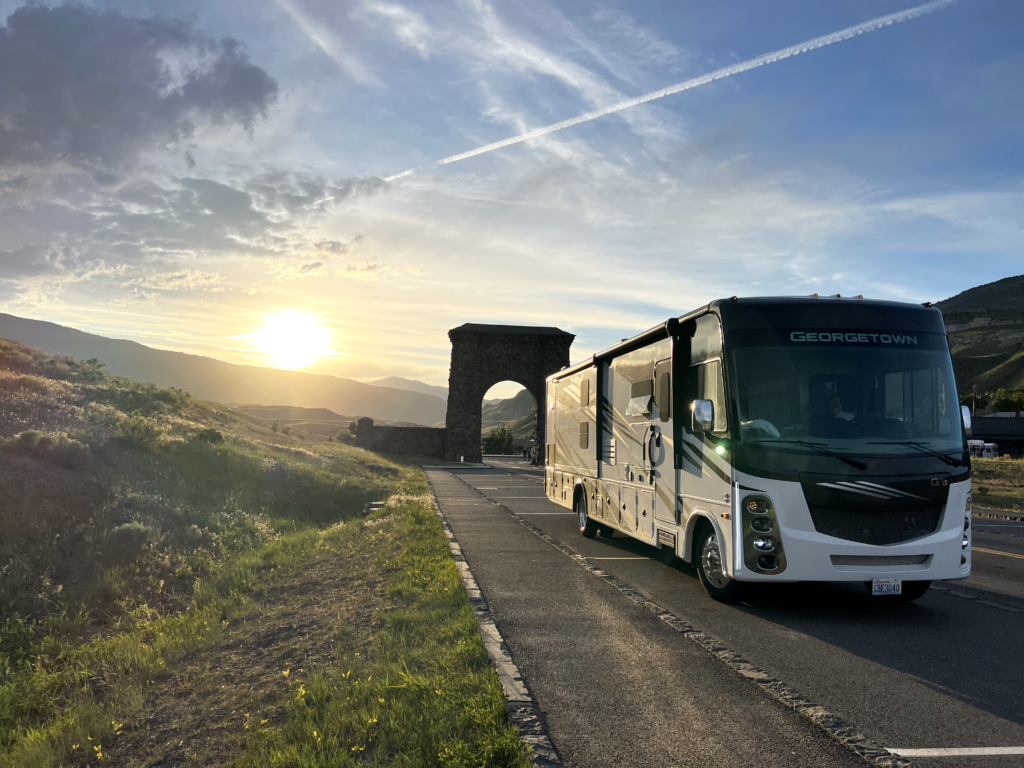
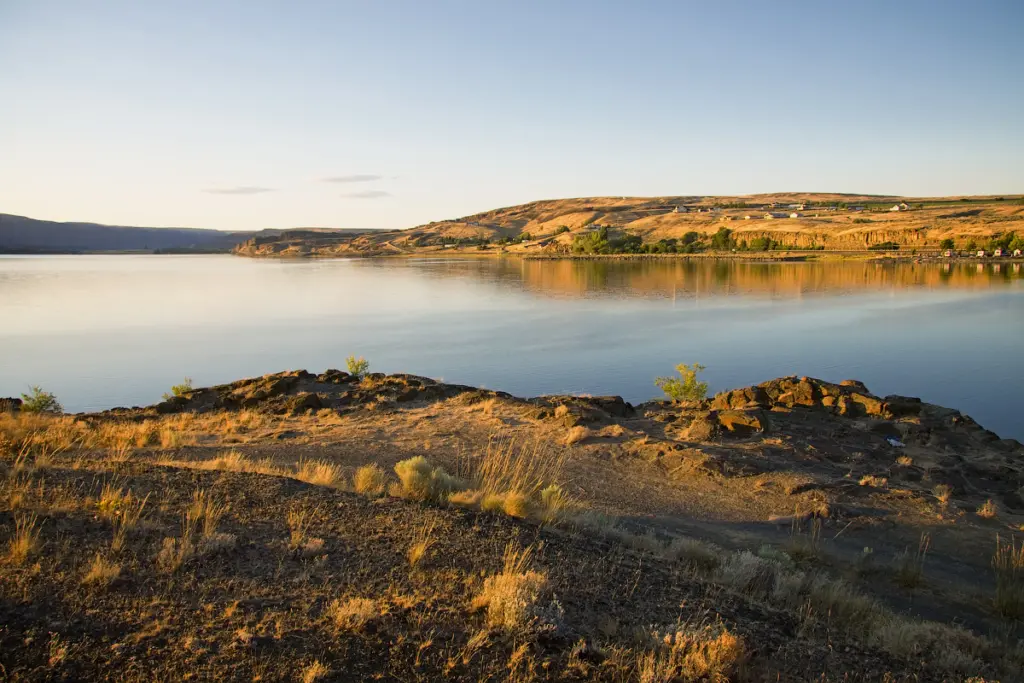
Eastern Washington Road Trip Itinerary: A Local Guide It’s no secret that the Pacific Northwest is a treasure trove of amazing natural sites and interesting cities. However, when most people think of this region, they often picture the rugged coastlines of Oregon or the rain-drenched forests of Western Washington. Eastern Washington, with its unique landscapes and diverse attractions, remains a less explored area in the PNW – but it’s about to become your favorite destination. With a home-on-wheels, you can dive headfirst into this adventure. We’re giving you the best tips and places to visit on your road trip across Eastern Washington. So buckle up, let’s hit the road! Plan Before You Go Before you venture out, you’ll want to make sure your RV is in top-notch condition before hitting the road. Check for any maintenance issues and don’t forget the necessary supplies and backups – water, fuel, propane, spare tire, and food. As long as you booked one of our units, this isn’t something you have to worry about. No matter how you’re making your trip, you’ll want to make reservations in advance – especially during peak season. Many RV-friendly campsites in Eastern Washington get filled up fast, so ensure you have a spot secured. And remember, weather in the Pacific Northwest changes fast so you’ll want to keep an eye on the weather, and have a backup plan in case it rains. From Soap Lake To Grand Coulee Dam Our journey kicks off where Eastern Washington begins, at a unique mineral nestled in the heart of the state called Soap Lake. Soap Lake owes its fame to the rich mineral content of its water, believed to possess healing properties. The lake’s lunar-like landscape and the quiet tranquility it offers make it a perfect starting point for our journey. The other reason for starting at Soap Lake, is that it offers an amazing drive full of interesting places along the way to Grand Coulee Dam… Dry Falls But first, you’ll want to drive northwest from Soap Lake to see the remains of what used to be the world’s largest waterfall dwarfing even Niagara Falls… Dry Falls is an ancient waterfall that stretches an incredible 3.5 miles wide, though it no longer looks like it did during the Ice Age. Now, it stands as a monument to time, an arid canyon where water once roared. The Dry Falls Visitor Center offers an in-depth perspective on the cataclysmic events that shaped this unique landscape. Steamboat Rock From Dry Falls, you’ll want to continue towards the towering monument of Steamboat Rock. An enormous basalt butte surrounded by the waters of Banks Lake, Steamboat Rock challenges hikers with its steep ascent but rewards them with spectacular vistas of the surrounding scenery. Its 600-acre plateau is a haven for wildlife, and visitors can often spot marmots, eagles, deer and even the occasional bobcat! Northrup Canyon Our last stop on the drive before the dam is Northrup Canyon, a place where the wild heart of Washington thrives. As the only naturally occurring forest in Grant County, Northrup Canyon is home to a wide variety of wildlife and plant species. The three-mile trail through the canyon takes you past an old homestead and cemetery for the pioneers who once tried to make this challenging landscape their home. Grand Coulee As the sun sets, you’ll reach Grand Coulee, home to the colossal Grand Coulee Dam, standing as an emblem of human ingenuity, is a marvel to behold. This colossal concrete structure, located on the Columbia River in Eastern Washington, is one of the world’s largest and most powerful hydroelectric projects. The dam is over a mile wide and reaches 550 feet in height, an impressive sight that dwarfs even the great pyramids of Egypt. The dam’s visitor center offers a wealth of information about the construction, operation, and environmental impact of this massive structure. But the real spectacle comes at nightfall, when the dam becomes the backdrop for a brilliant laser light show during the summer nights with colorful lasers that dance across the rushing water. Scenic Route To Spokane Fort Spokane After a night of rest at one for Grand Coulee’s RV parks, you can head east over to Fort Spokane. Located at the juncture of the Columbia and Spokane Rivers in Washington State, Fort Spokane is a historic site established in 1880, it served diverse roles as a military outpost during the frontier era, an Indian Boarding School, and a tuberculosis hospital, each leaving its unique mark on the area. Make a quick stop at the on-site visitor center to get an immersive look into these eras through detailed exhibits of the soldiers, local tribes, and boarding school students. Beyond its rich history, Fort Spokane offers an enchanting display of natural beauty, nestled within the Lake Roosevelt National Recreation Area. This is a great place to stop for some early morning outdoor activities such as camping, boating, fishing, swimming, and hiking, or simple bird watching. Kettle Falls Nestled along the banks of the Columbia River in NE Washington, Kettle Falls is a quaint town steeped in history and surrounded by natural beauty. Originally, the location was home to one of the most productive salmon fishing sites in the region for local tribes, but the waterfall known as Kettle Falls was submerged after the construction of the Grand Coulee Dam. Now, the town serves as a gateway to the Lake Roosevelt National Recreation Area, a paradise for outdoor enthusiasts. Visitors can enjoy a plethora of activities such as boating, swimming, fishing, and camping along the 130-mile stretch of the lake. For hiking and wildlife viewing, the nearby Colville National Forest and Sherman Pass Scenic Byway offer lush landscapes and diverse fauna. History buffs can learn about the region’s rich past at the Kettle Falls Historical Center, which features exhibits on Native American history, early settlers, and the influence of the Grand Coulee Dam. The town is also in proximity to the Fort Colville site and St. Paul’s Mission, both