Camping

Adventure, Camping, Destinations & Itineraries

RV Rental and Motorhome Rental For Your Spring Break Vacation

RV Rental and Motorhome Rental For Your Spring Break Vacation We are in the midst of a cold winter right now and you may feel like the holidays just ended, but Spring Break will be here before you know it! Time to start planning some activities for when the kiddos are out of school. After a long, cold, and busy winter, the whole family could probably benefit from a spring time getaway to kick off the anticipation of more sunshine and longer daylight hours. Your wallet may still be recovering from all the holiday festivities. It can be tough to find a budget friendly vacation even just for a few days. Flights are expensive and hotel rates keep climbing especially during peak vacation times. Why not Rent An RV in Seattle and make that Spring Break an awesome experience for your family? How about renting an RV? There are so many different options to choose from when you choose an RV vacation. Dates are more flexible, location choices are more vast, and prices are more affordable. Only able to get away for a short couple of days before going back to work? Not a problem! Pick your dates and find a spot close to home. Renting an RV in Seattle brings an almost unlimited amount of amazing camping spots just hours from your starting point. Go and discover hidden gems right in your own backyard. It will give you a new appreciation for the location in which you live when you discover things you didn’t know about the place you call home. Want to extend your vacation longer, but are looking for a way to afford it? Consider an RV. You may be surprised to find out you can afford a few extra days or to go to that seemingly tropical southern beach when you take an RV on a road trip instead of more conventional avenues. In addition to a significant cost savings there is more freedom in planning. You are not stuck to just one location or a set of specific activities when you take an RV vacation. Plan a trip the whole family will enjoy by switching up activities and locations. Please the lifelong learner with a day trip to a museum. Give the thrill seeker in the family the best day ever with an adventure experience in the area. Have someone who just loves the water? You can drive down to the beach or find a serene mountain lake. With an RV vacation it is much easier to pick your activities a la carte. So if you are already dreaming of sunny days just around the corner and wondering if you can afford to get away and enjoy spring break this year, consider taking an RV vacation. You might be surprised at how much fun the whole family has. Looking for an RV rental near Seattle? Northwest Adventure Rentals has a great fleet of RVs and a friendly staff to help you with any questions or needs. Feel free to contact us!

Adventure, Camping, Destinations & Itineraries, RV Ownership Tips

Tips for Camping Near Amusement Parks

Tips for Camping Near Amusement Parks With spring break already or almost underway, many families are making plans for a short getaway. Amusement parks are definitely a popular destination during spring break for families. A great way to save some money and bump up your level of adventure is to go camping near an amusement park. Some amusement parks even have their own camping properties and may offer discounted tickets and other perks when you stay on the property. We have put together some amusement park camping tips to maximize your theme park RV adventure. Know Your Level of Comfort Some campgrounds offer different levels of camping. They will have spaces that offer a bare minimum at a lower price and have other spaces that offer more amenities and comforts (with a higher price tag of course). Think about what features you will want after a long day of walking around the park. You may be more interested in saving money than amenities or you may want to be able to have unlimited electrical to put your feet up and watch TV. Look at the Forecast Be prepared for all types of weather. Knowing the weather is important to make any trip more comfortable, especially a camping trip when you are closer to the elements. It is also a good idea to know the surroundings and climate of the area that you are going to. For example, if you are camping in Walt Disney World it is important to know that Florida is very wet year round. The ground is usually moist, there are frequent mid-day rain showers, and the occasional thunder storm. These things will help you factor in not only clothing, but cleaning supplies, tarps, awnings, bug screens, etc. Bathroom Kits Many campsites, especially those close to theme parks, will have shared bathrooms and showers for guests. Get a great travel bag just for bathroom supplies where you can quickly grab everything you need for the shower and freshening up. Have one bag for each family member to keep things even more organized and easy to find when you are limited for time in the bathroom while others are waiting. Allow for Extra Time Speaking of waiting, with shared facilities you may encounter some waiting unless you like to be a super early riser for the purpose of having the bathroom all to yourself. If you have a site that is farther away from main buildings or the entrance of the campground, it can take some extra time to get where you are going as well. Check Out the On Site Activities Some theme park owned campsites will have extra activities for you to enjoy ,so if you need some down time during the day or a day to just decompress from being in a busy park, try to find a camp site with activities available at the camp property. There are many great state parks close to theme parks that have hiking, fishing, camping, etc. You may want to research national parks with campgrounds in the area of the park you are visiting. They may even have cheaper camping fees. Check for WIFI Many campsites all over are now offering wifi, be it free or for an added fee, because we are in the age of the smartphone being an extension of our body. That being said, don’t expect your campground to have wifi available even if it is a theme park site. If you are planning on using internet on your trip, you may have to get a temporary hotspot or hang out at the local coffee house for a bit. Bring Privacy Screens If you are staying in a theme park campground you will want to have some items on hand for added privacy. Theme park camping is a bit different from regular camping in that the unwritten rule of not walking through campsites is not highly observed. Some good items to help give you a space all your own are screened in gazebos/shelters. Bring Snacks and Store Them Properly It can be a trek or even short drive to the nearest snack machine or food. Make sure to have plenty of snacks handy especially if you have kids with you. Hungry kids are grumpy kids. An added bonus is you will save money by bringing your own. Make sure to store them tightly and put them in cabinets or closed bins where animals can’t smell or reach them. The more prepared you are for any trip the better and more smoothly it will go. NW Adventure Rentals is here to help you have a luxurious, smooth-sailing vacation with our fully stocked, comfortable motorhomes and travel trailers. For more great camping tips and tricks please feel free to browse our website. For more information on renting a gorgeous, luxury RV from NW Adventure Rentals’ Seattle fleet, don’t hesitate to contact us at anytime.

Adventure, Camping, RV Lifestyle & Travel, RV Ownership Tips

RV Group Camping Tips

RV Group Camping Tips Group RV camping is a fun chance to get away with your favorite group of friends and/or family, relax, enjoy the most beautiful outdoor spaces, and just have fun. There are campgrounds that offer group camping spaces with adjoining campsites so you can all be together without having to leave your RV space. If you are planning a group camping trip it can quickly get overwhelming, stressful or out of control trying to appease everyone and plan activities that will work for a large group. To alleviate stress and ensure a harmonious experience for all participants, consider implementing these invaluable tips for planning a group RV camping trip: Ask Everyone for Preferences, Make a Checklist Streamlining Trip Planning for Group Efficiency and Cohesion Facilitating the Group’s Camping involves Open Communication and Flexibility Camping setup: Securing Campsites and Coordinating Dates Planning a Menu One of the most fun parts of group RV camping is the meals you will be enjoying together. Some ideas for putting together a group camping meal plan include: Each Camping Group Takes a Meal at a Time Depending on the amount of families/couples/smaller groups you could have each unit of people take one meal, be in charge of one meal time for the whole trip i.e. breakfasts, or have each unit take charge of a whole day. Each Camping Group Takes Turns to help with the Main Dish Planning This is not as seemingly overwhelming and if you have picky eaters or special dietary needs allows for more wiggle room. Each family can take turns with the main entree dish for a meal and everyone else can provide a side dish. This way if someone is not a fan of the main entree or can’t eat the item being served they can contribute something to the meal they do like or works with their diet. Additionally, everyone in the group brings their own food stuff and cooking appliances. All these are good plans and whatever works best for your group is the best option. Leave Some Wiggle Room/Be prepared to Go with the Flow Sometimes Provide a general framework for the trip, but don’t pack plans in so tight that things become stressful and fall apart making everyone miserable. You are there to relax and enjoy time together. Allow for the freedom of going with the flow at times. If you plan a guided tour or day trip make sure to structure those big plans, but also leave time for just hanging out and giving people the freedom to split off from the larger group as a whole once in a while. Some people may want to play a game of horseshoes while others may want to do some crafts or go for a swim. Then there are those that could use a recharge by getting away on their own and reading a book or taking a walk. You may find some of the most memorable moments are during those laid back, relaxed, do- whatever-you-want moments. For more great camping tips or information on RV rentals please feel free to browse our site or contact us anytime, and visit our website to view our gorgeous, luxury fleet of RVs from NW Adventure Rentals’ Seattle location!

Adventure, Camping, RV, RV Ownership Tips

How to Drive in Harsh Winter Weather in a RV Rental

How to Drive in Harsh Winter Weather in an RV Did you know that you can Rent an RV in Seattle during the winter months? There are so many magical destinations to head to in an RV during the winter, even if you are renting an RV to migrate south like some of our fine feathered friends One thing that has renters apprehensive about RVs is driving or towing them. This is a top concern of RV renters not just during the winter, but all year long. Winter can bring about harsh driving conditions, but don’t let that stop you from taking a great RV adventure this time of here. Here are some tips for traveling the roads in an RV this winter. Make Sure You Have Tire Chains This is standard winter weather equipment to be prepared for any road conditions during the winter. If you end up in an unexpected storm and don’t have chains you may find yourself hanging out at the nearest rest stop, truck stop, or restaurant for a while until road conditions are better. Many mountain passes will require the use of studded tires or chains in inclement weather. Have a Full Tank of Gas and Extra in a Can It is always a good idea to be prepared for a worst case scenario any time of year. One way to be prepared is to make sure you are traveling with plenty of fuel. It is a great idea to have a can of extra fuel with you to ensure you have enough should you be stuck somewhere. Make sure you also have plenty of propane in the tank when you begin your travels into snowy territory. Drive OVERLY Cautious Operating an RV is a bit different than driving standard vehicles when its icy. Many smaller vehicles used for daily travels are front wheel drive and operate very differently when they skid on ice than an RV that is rear wheel drive. Take time to get acquainted with driving a motorhome before you take it out on your vacation. If you are driving a diesel motorhome, shut off the exhaust brake to avoid the back end of the RV swerving and pulling you into a ditch. Drive much more slowly than you would normally and leave a TON of space between you and other vehicles an RV needs more stopping time. If you begin to slide on the icy road slow down gently do not abruptly hit your breaks. A Few General Safety Tips The best driving strategy for any vehicle in harsh weather is to not drive unless you absolutely need to or to be more alert and cautious than you feel you need to be. It is always better to be too safe than sorry. Looking for a Seattle area? NW Adventure Rentals has a gorgeous fleet of luxury RVs, as well as a friendly staff to get you on your way for your next adventure! Browse our website and contact us at anytime!

Adventure, Camping, RV, RV Ownership Tips

The Dangers of Overloading an RV

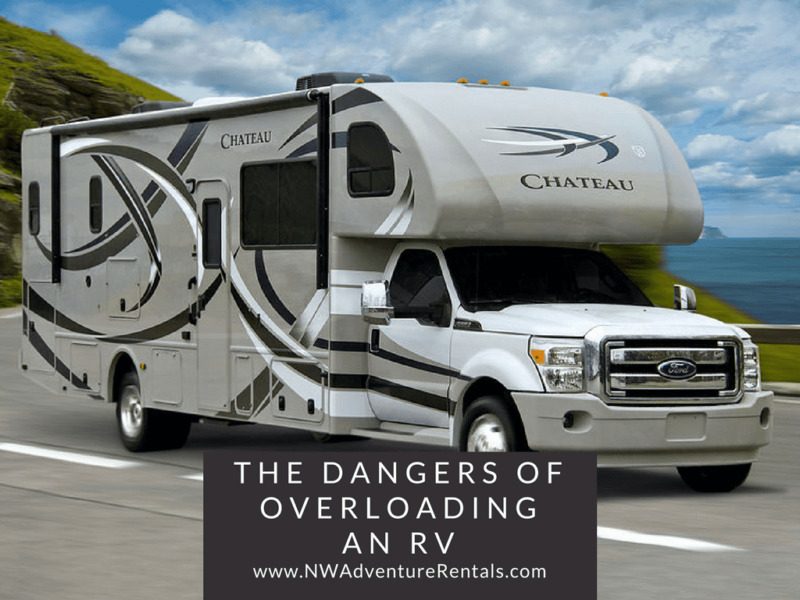
The Dangers of Overloading an RV Though RVs are large vehicles and they are made to be a home away from home it is very possible to overload them. When an RV is overloaded it can be very dangerous. The way you load the RV is very important not just in overall weight but also weight distribution. Loading RV supplies has a significant impact on how the vehicle handles. You can put the safety of the passengers at stake by overloading an RV. RV Load Ratings The load rating for an RV can be found on the certification tag which can be located in several different areas on the RV. Here are the standard areas to find them in each type of RV: If you are concerned with the amount of weight you are packing into the RV you can always weigh it to be extra sure you are safe. You will need to weigh your RV on a commercial scale. You can look up a local place to weigh your RV on the internet or the good old yellow pages. Springs, wheels, axels, tires, and maneuverability are all effected by an overloaded RV. Distribute weight as evenly as possible when loading the RV this is very crucial to being able to control the RV while turning. If you are using a camper that fits in a truck bed weight distribution is a little different. You want to pay attention to weight distribution limits, center of gravity zones, and also make sure not to create a tail-heavy or top-heavy situation. So just be aware of how much your are actually loading into your RV and make sure to evenly pack it on each side. To be certain your ride is not too heavy you can always weigh it at a near by business with the right scale. For more great camping tips and tricks please feel free to browse our website. For more information on renting a gorgeous, luxury RV from NW Adventure Rentals’ Seattle fleet, don’t hesitate to contact us at anytime. Image By Motorhomes (Own work) [CC BY-SA 3.0 (https://creativecommons.org/licenses/by-sa/3.0)], via Wikimedia Commons

Adventure, Camping, RV, RV Ownership Tips

RV gas saving techniques

RV gas saving techniques Table of Contents Setting off on an RV adventure sparks excitement, but the expenses, particularly for gas, can accumulate rapidly. As gas prices skyrocket, discovering methods to enhance RV fuel efficiency becomes essential for budget-conscious travelers. In the realm of RV travel, fuel efficiency stands out as a major concern for both seasoned road warriors and newcomers alike. With volatile gas prices and an increasing awareness of environmental footprints, honing in on RV gas-saving techniques takes center stage. This guide is crafted to offer a comprehensive exploration of strategies and tips to maximize fuel efficiency without sacrificing the thrill of the RV journey. RV Gas Saving Tips: Avoid High Speeds As the speed of the vehicle increases the aerodynamic drag increases significantly. For example if you were driving at 62 miles per hour instead of 75 miles per hour this will decrease your fuel consumption by a considerable 15%. Stepping Hard on the Gas or Brake Stay vigilant and mindful of the road conditions ahead while navigating your RV. Allow ample space to brake gradually if the need arises for a sudden stop. Yield to faster-moving traffic and don’t hesitate to take your time when accelerating. Most drivers sharing the road with you will recognize that RVs require more time to pick up speed. Employing these tactics can boost efficiency by up to 20%. Incorporating gas-saving driving practices, like coasting whenever feasible, anticipating traffic patterns, and minimizing heavy braking, can result in significant fuel conservation during your RV travels. Properly Inflated Tires Maintaining proper tire pressure is essential not only for safety but also for optimizing fuel efficiency, especially when it comes to RVs. Before embarking on your RV rental journey, ensure that the rental company has checked the tire pressure. Familiarize yourself with the recommended pressure for the RV’s tires so you can monitor them throughout your trip. If you notice any tires appearing low, promptly add air to reach the optimal pressure. Even a slight 2 PSI drop in just one tire can lead to a 1% increase in gas consumption, emphasizing the significance of tire maintenance for RV fuel efficiency. Less Air Conditioning Running the air conditioner in an RV adds a considerable strain on the engine, leading to higher fuel consumption. This additional load can result in a fuel usage increase of approximately 20%. It’s worth noting that the defrost setting on many RVs also activates the air conditioner, compounding the impact on gas consumption. Close the Windows When driving an RV, having windows open increases aerodynamic drag on the vehicle, potentially lowering fuel efficiency by approximately 10%. This drag effect becomes more pronounced at higher speeds. Improving the aerodynamics of your RV can result in significant fuel savings. Measures such as installing wind deflectors, streamlined roof racks, and reducing unnecessary weight help minimize drag, ultimately enhancing gas efficiency. Regularly Scheduled Service Regular maintenance of the RV engine is essential for maximizing fuel efficiency. It’s important to schedule timely oil changes, replace fuel filters, and conduct tune-ups to ensure the engine runs smoothly and optimizes fuel economy. Various factors, including dirty air filters, worn-out spark plugs, and inadequate fluid levels, contribute to decreased fuel efficiency. To address this, it’s crucial to ensure that both the tow vehicle and the RV undergo proper maintenance procedures. By staying on top of maintenance tasks, you can mitigate these issues and maintain optimal gas mileage for your RV adventures. Cruise Control is a Gas Saving Do When traveling in your RV on extended highway stretches, engaging cruise control can be a valuable tool for fuel efficiency. It helps maintain a steady speed, minimizing unnecessary acceleration and deceleration that can consume extra gas. By sustaining a constant speed over long distances, you can effectively conserve gas during your RV journey. Avoid Idling for Long Periods Reducing idling time is crucial for conserving gas, particularly during prolonged stops while traveling in your RV. Investing in auxiliary power sources like solar panels or generators enables you to operate appliances without relying on the RV engine, thereby minimizing fuel consumption. Some RVers may leave their vehicle idling if they anticipate a short stop. However, it’s more fuel-efficient to turn off the engine if you plan to remain stationary for more than a minute. Contrary to a common misconception, restarting the RV consumes less fuel than continuous idling, making it a cost-effective choice for conserving gas during your travels. Route Review Efficient route planning can minimize fuel consumption. Opting for routes with smoother terrain, avoiding heavy traffic areas, and utilizing GPS apps to navigate around roadblocks or construction zones can save both time and fuel. Mastering RV gas saving techniques is not only economically prudent but also environmentally responsible. By implementing a combination of maintenance practices, driving habits, and advanced strategies, RV life enthusiasts can optimize fuel consumption without sacrificing the joy of the open road. Whether you’re embarking on a cross-country adventure or enjoying a weekend getaway, prioritizing fuel efficiency ensures a smoother journey for both you and the planet. Start implementing these techniques today and experience the benefits of efficient RV travel firsthand. For more tips on RV camping or information on RV rental please feel free to browse our website or contact us anytime. NW Adventure Rentals has two luxurious fleets of motorhomes and travel trailers, conveniently located in the Pacific Northwest at our Seattle location! Let us help you have a great outdoor vacation! For more information about the leaseback program at Northwest Adventure Rentals please feel free to browse our website or contact us anytime.

Adventure, Camping, RV, RV Living & Cooking

Classic Comfort Food on the Road – When in the RV

Classic Comfort Food on the Road – When in the RV There are so many great camping recipes out there today. Some people have turned cooking over a camp fire into an art, producing gourmet meals you could get in a five star restaurant. Meals are one of the things that bring us together and make a trip all the more enjoyable. A great meal can invoke feelings and a bad one can bring down the mood for a while. Here is a recipe for a classic comfort food (RV style) the whole family will enjoy, to make your trip even more special: Mac and Cheese that Begins on the Cooktop and Finishes on the Grill Ingredients You may have noticed there is a large amount of cheese in this recipe, this is not one of those quick light and healthy meals. It is a great comforting indulgence after a busy day of vacationing. After you have assembled all the ingredients you will want to heat up the grill. You can use charcoal or gas whichever you prefer. Make sure your heat is up to 350 degrees Fahrenheit. Step 2. Boil your macaroni on your RV stove top until its perfect for eating, drain and set aside while you prepare the cheese sauce. Step 3. Melt the butter in a large saucepan over medium heat, once melted whisk in the flour to thicken (about a minute). Whisk in 1 cup of the nonfat milk. Now add each kind of cheese while continuing to whisk rigorously. If the sauce is becoming too thick slowly add in the remaining milk until sauce is smooth again. When the cheeses are all in the sauce finish by adding the heavy cream, pepper, cayenne pepper, and salt. Step 4. Once the Sauce is complete it is time to stir in the elbow macaroni noodles and bacon pieces. Step 5. When all the yummy goodness is mixed together transfer it to a grill safe casserole dish and top with the panko and a little more cayenne pepper. Place the casserole on the grill for 12 minutes and you will have a cheesy gooey comfort meal with a crunchy top. *Alternatively you can use the RV oven to finish off the mac if you do not want to grill. Some of the best memories can be made on the road while renting an RV, especially from NW Adventure Rentals. Maybe this mac and cheese will become a family RV traditional favorite! For more information on renting an luxurious motorhome or travel trailer from our Seattle location, please browse our website or contact us anytime.
Adventure, Camping, RV, RV Living & Cooking

It’s Baking Season – Expert Tips for Baking in an RV

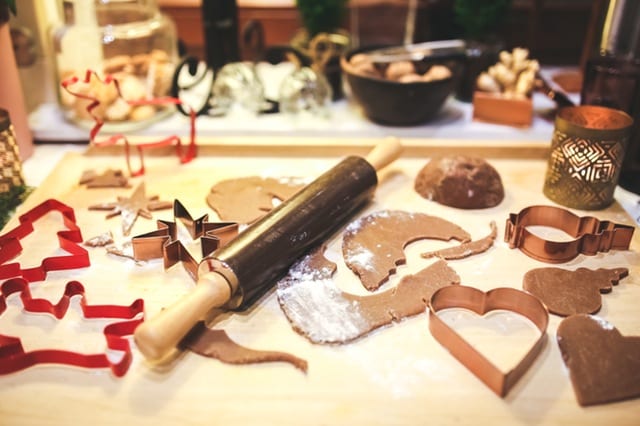
It’s Baking Season – Expert Tips for Baking in an RV Today’s RVs are nicer than ever. There are so many great features that some people choose to live in an RV and might just have nicer homes than some of us living in traditional dwellings. One of the great modern day amenities in an RV that often gets overlooked is the oven. Since its December, a time famous for baking, we thought we would highlight some great tips for using the oven in your RV. RV Ovens are Different The oven in an RV of course is going to be different than the one in your kitchen at home. The biggest difference between a home oven and an RV oven is the size. An RV oven is considerably smaller than a traditional home oven. You will probably need to purchase smaller bakeware as well as bake smaller batches. Both of these things could mean it will take longer to bake your recipe or that you will need to adjust a large portion recipe to fit a smaller oven. Cooking with Propane in a Smaller Oven Takes Some Adjustments Most RV ovens are heated by a propane source. The propane can make for a hotter oven than most people are used to. A great way to help regulate the heat is with a baking stone placed on the wire rack in the over set just above the propane flames . Additionally, you will want to place the rack holding the food you are baking on the highest possible position. Check the Temperature As with any oven you will want to preheat an RV oven before you place your food inside and begin baking. It is a good idea to purchase an additional thermometer to double check the internal temperature of the oven as RV temperature dials are not always accurate. Be Prepared Before You Leave If you plan to utilize the oven and other features of your RV it is a good idea to know as much as you can about these features and how to use them. Learning these things while on your trip can take valuable fun and relaxing time away from your trip. The more you know and are prepared for before you embark on your journey the better. If you know the model of RV you are going to rent before your trip you can do some research on it before you leave. You can also ask your rental company for any brochures or information they may have available so you are best prepared and ready to go. For more tips on RV camping or information on RV rental please feel free to browse our website or contact us anytime. NW Adventure Rentals has a luxurious fleets of motorhomes and travel trailers, conveniently located in the Pacific Northwest at our Seattle location! Let us help you have a great outdoor vacation!
Adventure, Camping, RV, RV Lifestyle & Travel, RV Ownership Tips

How to Operate RV Slide Outs

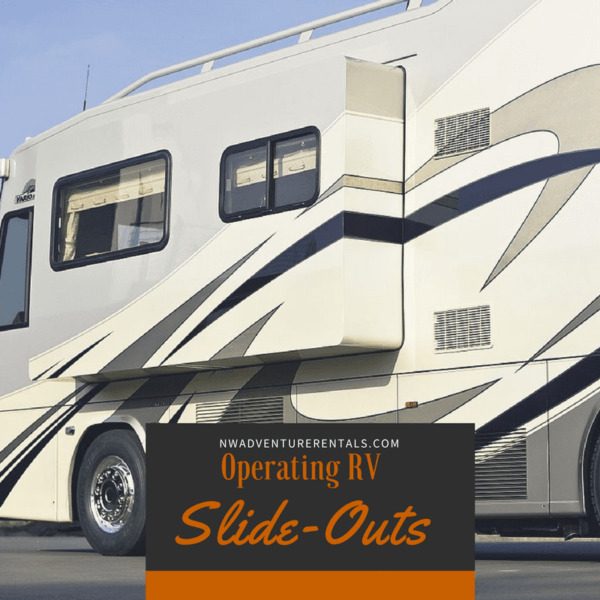
How to Operate RV Slide Outs They have many names, pull outs, tip outs, bump outs, extension rooms, but are probably most commonly referred to as slide outs. No matter their name, a slide out gives much more usable space to get comfy during an outdoor adventure. Slide-outs are a moving piece of the RV and though they are made to make life easier they do need some care. Making sure you are correctly using the slide outs in an RV is important to their functionality and length of use before needing repair or maintenance. The first thing you want to do when setting up camp before pushing out the slide outs is to ensure your RV is level. After the RV is level check to make sure all latches are released. Next look around the RV for any obstructions that might not give ample clearance for the slide out to be opened up. Now check the interior of the RV for throw rugs, open cabinets, and doors that could get in the way of the moving slide out area. ( It is not uncommon for a cabinet door to get taken off because the RV operator forgot to close a cabinet before operating the slide out.) Lastly check the edges of the slide out to make sure the edge seals are not sticking. Now you should be ready to push the slide out button. If the slide out does not move upon pushing the button, don’t panic. The first thing you want to do for a slide out that doesn’t move is to check if it is getting power in the moving mechanism. You can do this by checking the circuit breaker for a blown fuse. First check the breaker or fuse panel, if everything checks out there check the battery compartment and the wiring harness near the motor that drives the slide mechanism. If the motor sounds like it is straining to work and the lights dim when the slide out button is pushed, voltage is low or the mechanisms are binding. Look at the bottom of the mechanism to see if there are any corroded, broken or damaged parts. If you have checked everything that could possibly be wrong and are still stumped look to see if there is a manual override. This is designed as a backup to operate the slide out system in mechanical failure. Usually a manual override in a hydraulic system will require the pressure to be released in the ram by opening up the valve and then either pushing or pulling the slide out room open or closed. Simple mechanical systems will have a hand crank, but the motor may need to be removed to turn the gears. If the slide out is on a cable system there will be an adapter to set up a drill to act as the motor. To discover what type of slide out system your RV has and how to manually override the motor look in the owner’s manual. When renting an RV with slide outs make sure that you are familiar with how the slide out system is operated by asking someone on the rental team. They will be happy to show you the ins and outs of the particular RV you will be renting if you are not familiar and answer any questions you may have. For more tips on RV camping or information on RV rental please feel free to browse our website or contact us anytime. NW Adventure Rentals has a luxurious fleets of motorhomes and travel trailers, conveniently located in the Pacific Northwest at our Seattle location! Let us help you have a great outdoor vacation! Image By Variomobil (Own work) [CC BY-SA 4.0 (https://creativecommons.org/licenses/by-sa/4.0)], via Wikimedia Commons
Adventure, Camping, RV, RV Ownership Tips

The Best Way to Build a Campfire

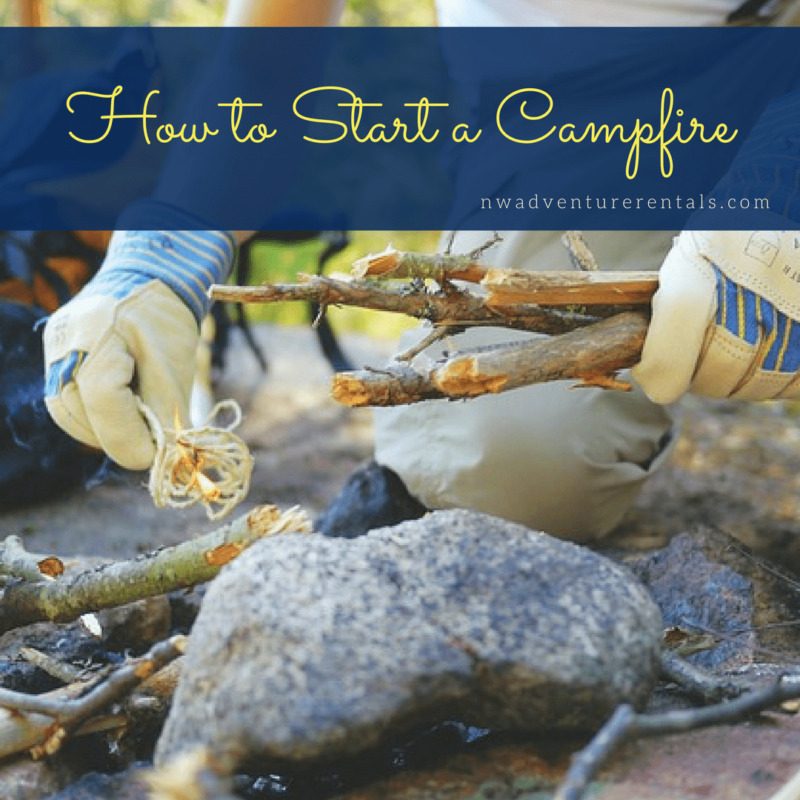
The Best Way to Build a Campfire If you have ever been camping as a child or have seen people camp on tv shows or movies you know that a campfire is one of the most popular camping icons. A campfire is more than just a place to cook a creative and tasty meal; it provides heat on chilly nights and a gathering place to enjoy everyone’s company. To some, starting a campfire seems a bit intimidating if you have never done it before, but with these tips you will find it is actually pretty easy. You will be enjoying a nice crackling fire, in an approved campfire pit of course, in no time. Gather The Supplies While building and starting a campfire is pretty simple, it takes a bit more than putting some wood in a pile and tossing a lit match on top. You will need the right items to be successful. – Tinder: this is the smallest burnable items you will put in the pit first. The following items can be used as tinder: wood shavings, wadded paper/newspaper, pieces of cardboard, fire starters you purchase at a store, dryer lint, and wax. -Kindling: this is the smallest pieces of wood. The next item up in size from tinder. This can be twigs or small branches from an 1/8 of an inch to a 1/2 inch thick. You can also purchase pre-cut kindling from anywhere that sells firewood. -Firewood: this of course is the regular logs and the largest piece of the campfire. Firewood can range in size from whole logs to pieces split from a log, ideally measuring from one to five inches in diameter. It is very important that your firewood is completely dry. *Note: do not obtain firewood and kindling from breaking branches off of live trees. This is damaging to the environment. In some parks campers are permitted to use fallen branches, but make sure to check with the ranger first. Usually you will want to purchase firewood or bring it from home if you have access to it. -Matches or Lighter: This provides the actual flame to get your fire going and stay that way. Yes there are some really cool outdoorsy tricks to get a flame going on your own, but to save some time we are just going to use a match or lighter. Building the Fire The right construction of your supplies will help to determine the ease and success of your fire. In a Designated Pit: their will probably be a lump of ash or coals left behind from previous campers. You will want to push any of this to the outer edge of the pit. If the ashes are cold consider shoveling them into a bag and putting in the camp dumpster. No Fire Pit: Clear away any grass and plants for an 8 to 10 foot radius to only bare dirt. Dig into the cleared space several inches and keep the dirt handy in case of emergency. Mound the dirt up to use as a fire wall or place large rocks around the edges of the hole. This helps insulate the fire. Lighting Before lighting remember safety first, check to ensure all kids and pets are at a safe distance. When you are clear to open the flame, light your match or start the lighter and touch it to the tinder on the bottom layer of the pile. Light the tinder in several different spots to get it going. Once the fire is at a good burn you can add more wood. Safety Tips -Always make sure the fire is completely out before leaving it: You can do this by sticking around until it dies out or sprinkling water on it. Sprinkle water do not douse a fire, you don’t want to soak it and make it harder to build another fire later. While sprinkling stir the embers to get every bit of them wet. When the steam has stopped and there is no more hissing noise place the back of your hand just a few inches over the coals, if you feel no heat the fire is out. -Keep a close eye on all children and pets at all times when the fire is burning. Studies have shown that a person is injured every 30 minutes by a fire. -Be aware of your surroundings: make sure that camp fires are allowed and there are no burn bans in effect. Also be aware of weather conditions (windy conditions are not fire safe) and make sure you have proper equipment nearby to put out the fire quickly. Looking for more great camping tips for your RV adventure? Feel free to browse our website our contact us anytime. We can get you all set for your next trip with an RV rental from our fleet of luxurious Seattle motorhomes and travel trailers.